By Global Entertainment & Investigative Desk
Updated: September 14, 2026

Main Facts
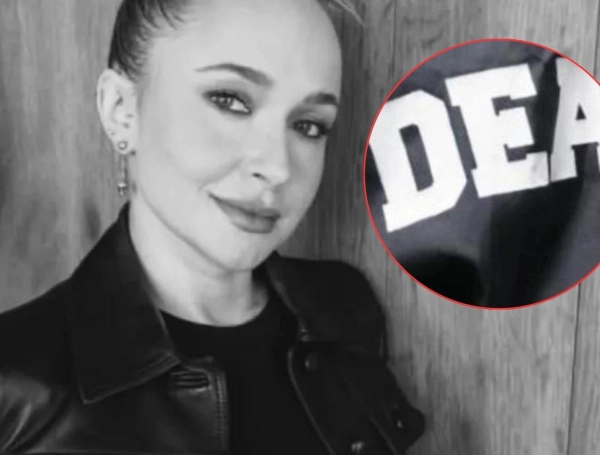
The sudden and tragic death of acclaimed American actress Hayden Panettiere has evolved from a routine emergency response into a sprawling, high-profile multi-jurisdictional federal investigation. Panettiere, widely recognized for her standout television performances in series such as Heroes and Nashville, as well as blockbuster feature films like the Scream franchise and Remember the Titans, passed away at the age of 36 on Sunday, August 16, 2026.

Authorities found the actress unresponsive and in cardiac arrest inside a residential property in Greenville, South Carolina, where she had been temporarily staying. Emergency medical services rushed to the location and attempted life-saving measures, including the administration of Narcan by individuals present at the scene. Despite these efforts, she could not be revived and was pronounced dead at the location.
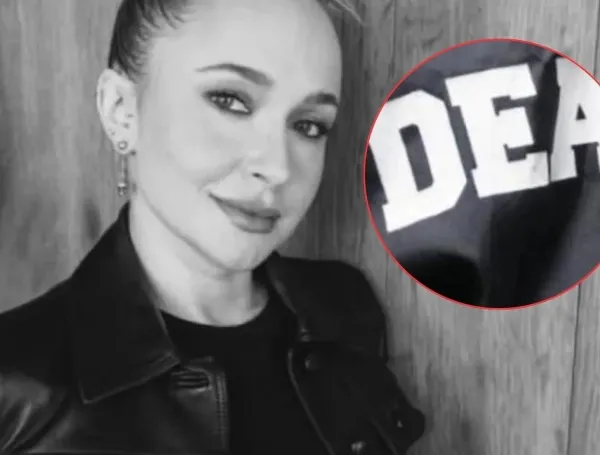
While preliminary autopsy reports released by local medical examiners and international wire services initially confirmed no immediate physical signs of foul play or trauma, the definitive manner and cause of death remain officially unannounced as toxicology reports are finalized. However, investigative reports published by entertainment and investigative outlets—including TMZ, ABC News, and The Mirror—have injected an alarming new dimension into the case.

According to well-placed law enforcement sources, federal and local authorities, including the Greenville Police Department and the Drug Enforcement Administration (DEA), are aggressively probing whether Panettiere’s death was the result of an accidental overdose involving prescription medication adulterated with synthetic opioids. Investigators are specifically focusing on whether the actress ingested an oxycodone pill laced with fentanyl. Consequently, federal agents are tracking an alleged illicit drug pipeline stretching from Los Angeles, California, to Greenville, South Carolina, mirroring high-profile federal narcotics investigations seen in past celebrity overdose cases.

Chronology of Events
To understand how a domestic medical emergency in South Carolina triggered a transcontinental federal narcotics inquiry, investigators have meticulously pieced together a timeline of Panettiere’s final days, movements, and immediate surroundings.

Mid-August 2026: The Transcontinental Flight
According to investigative leaks and police reconstructions reported by entertainment media, Panettiere boarded a commercial flight traveling from Los Angeles, California, to South Carolina. Law enforcement sources suggest that prior to or during her transit, the actress acquired pharmaceutical substances through an illicit marketplace channel. Investigators believe these substances formed part of the batch later recovered by authorities.

Sunday, August 16, 2026: The Final Hours in Greenville
- Early Afternoon (Approx. 2:00 PM): Emergency services received a distress call from a residence in Greenville, South Carolina, where Panettiere was temporarily staying.
- The Discovery: First responders arrived to find the actress completely unresponsive on a couch. Present at the residence during the emergency were Brian Hickerson—Panettiere’s on-and-off partner—and his brother, Zach Hickerson.
- Emergency Interventions: Police reports indicate that Brian Hickerson attempted to revive the actress by administering "Narcan" (naloxone), an emergency nasal spray used to reverse opioid overdoses, before paramedics arrived. Simultaneously, Brian directed incoming police officers to a specific bag containing medications the actress had reportedly been taking. Despite medical intervention, efforts to resuscitate her failed.
Mid-August to Early September 2026: Escalation and Federal Involvement
- August 20, 2026: Representatives for Panettiere released a cautious statement acknowledging that the investigation was actively developing, expressing a collective hope that "justice will be served." Around this time, the DEA officially confirmed its participation, partnering with local authorities in South Carolina and California.
- Early September 2026: Media reports surfaced detailing an alleged "long-standing drug dealer" operating out of Los Angeles who supposedly supplied the actress with illicit market prescription medications.
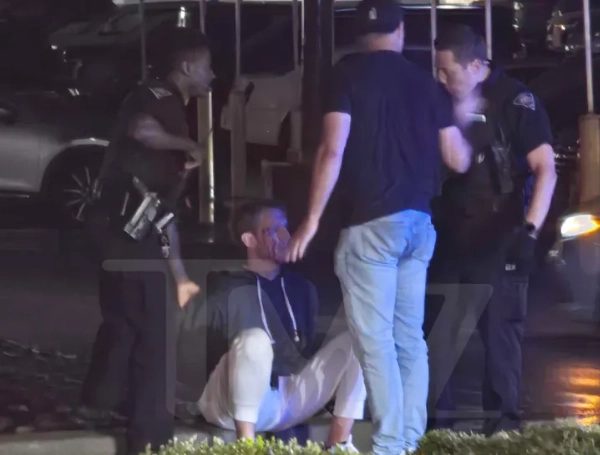
- Mid-September 2026: Public tension boiled over when a physical altercation broke out at a Greenville bar involving Brian and Zach Hickerson. According to police files and captured video footage obtained by media outlets, the fight was allegedly sparked by arguments and stress surrounding Panettiere’s death. The altercation resulted in police intervention, the temporary detainment of both brothers, and the ultimate jailing of Zach Hickerson on charges of disorderly conduct.
Supporting Data and Evidence
The credibility of the ongoing federal probe rests on specific evidentiary findings gathered by local police and federal task forces across state lines.
- The Medication Cache: Upon arriving at the Greenville residence, local law enforcement secured a bag of medications presented by Brian Hickerson. These items have undergone rigorous forensic testing to determine their chemical makeup, legitimacy, and direct link to the physiological collapse of the actress.
- The Fentanyl Hypothesis: Law enforcement sources cited by TMZ and The Mirror indicate that investigators strongly suspect a single pill of oxycodone—consumed by Panettiere on the morning of August 16—was clandestinely contaminated with a lethal dose of fentanyl. Because fentanyl is undetectable without chemical screening, forensic toxicologists are prioritizing this angle while awaiting the formal, certified toxicology report.
- The Los Angeles Supply Chain: DEA offices in Los Angeles have dedicated significant resources to mapping out Panettiere’s communications, financial transactions, and known social or professional circles to identify the source of the illicit medications. Federal agents are utilizing investigative playbooks established during previous celebrity overdose prosecutions—such as the landmark federal case involving the tragic overdose death of rapper Mac Miller—where individuals who supplied adulterated narcotics were successfully prosecuted and imprisoned under federal drug distribution laws resulting in death.
Official Responses
As the entertainment world reels from the loss of a prominent star, official entities and legal representatives have carefully balanced transparency with the legal protections required during an ongoing criminal and medical investigation.

- Law Enforcement Statements: The Greenville Police Department has maintained that its initial response found no obvious signs of foul play or violent struggle at the primary death scene. However, officials have steadfastly refused to close the file, noting that the inclusion of the DEA automatically elevates the inquiry from a simple unattended death to a complex narcotics distribution investigation.
- Legal Representation for the Family and Partner: Counsel for Brian Hickerson issued measured public statements emphasizing cooperation with local and federal authorities. Following the initial days of the tragedy, legal counsel reminded the public that police confirmed no immediate structural evidence of a violent homicide, urging patience while forensic experts complete their comprehensive analysis.
- The Estate and Representatives: Panettiere’s management and family members have largely shielded themselves from daily press inquiries, focusing on honoring her legacy as an artist, mother, and mental health advocate, while quietly monitoring the progress of the multi-state investigation.
Implications of the Case
The tragic circumstances surrounding Hayden Panettiere’s death carry profound legal, cultural, and public health implications that extend far beyond Hollywood gossip.

1. The Perils of Counterfeit Pharmaceuticals and Fentanyl
Panettiere’s suspected case underscores a terrifying modern public health epidemic: the proliferation of counterfeit prescription pills laced with illicit fentanyl. Across the United States, individuals purchasing medications outside of regulated pharmacy channels—believing they are buying standard painkillers like oxycodone or anti-anxiety medications—frequently consume lethal doses of synthetic opioids unknowingly. This case places a glaring spotlight on the vulnerability of high-profile individuals who may fall prey to predatory illicit suppliers operating in major metropolitan hubs like Los Angeles.

2. Legal Precedent and Federal Drug Prosecutions
The active involvement of the DEA signals that federal prosecutors are increasingly willing to target the supply chain of illicit prescription drugs, even when deaths occur outside traditional drug hubs. If the ongoing investigation successfully traces the pills consumed by Panettiere back to a specific distributor in Los Angeles, federal drug-induced homicide or distribution charges could follow, setting a stark legal precedent similar to the strict federal crackdowns seen in past high-profile artist tragedies.

3. A Complex Legacy Remembered
Beyond the grim details of the ongoing investigation, Panettiere’s death forces a broader cultural conversation regarding the immense pressures faced by child stars and performers navigating intense public scrutiny. Having recently shared raw, personal accounts of her life’s struggles and triumphs in her memoir, This Is Me: A Reckoning, published earlier in the year, Panettiere’s legacy remains multifaceted. She is remembered not only for her iconic television portrayals of Claire Bennet in Heroes and Juliette Barnes in Nashville—the latter earning her two Golden Globe nominations—but also for her advocacy, resilience, and humanity.

As the toxicology reports loom and federal agents continue mapping the network that supplied her final days, the entertainment industry and her global fan base await closure, hoping that the rigorous investigation will bring complete clarity and legal accountability to a heartbreaking tragedy.