By Daniel Galilea / EFE Reportajes
Published: November 14, 2026
Main Facts
Four hundred years ago, on November 18, 1626, Pope Urban VIII presided over a solemn liturgy that would cement the destiny of the most important temple in the Catholic world. On that crisp autumn day, the grand Basilica of St. Peter in the Vatican was formally consecrated, setting apart a physical space of monumental proportions exclusively for the worship of God.
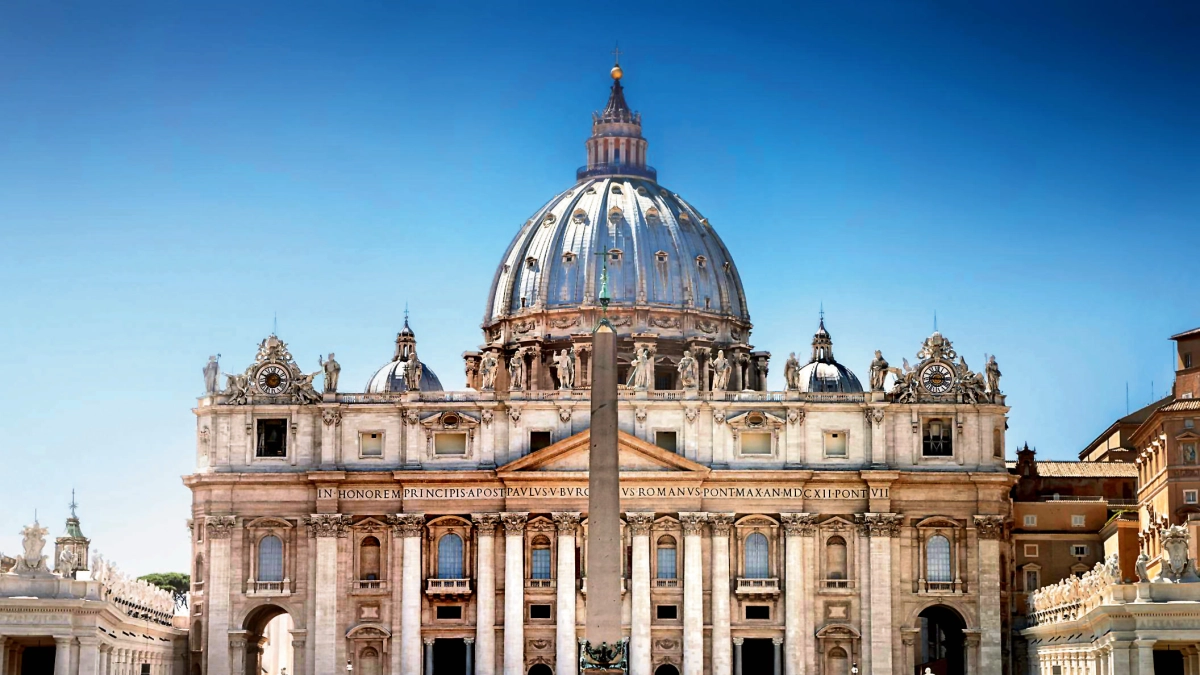
While centuries have passed since that historic consecration, the basilica remains an undisputed masterpiece of human ingenuity. Drawing an average of 12 million visitors annually—roughly 33,000 people per day—it stands shoulder-to-shoulder with global cultural behemoths like China’s Forbidden City and Notre-Dame Cathedral in Paris.
To mark its quadricentennial, the Vatican and architectural authorities have rolled out sweeping structural enhancements, newly accessible spaces, and advanced digital technologies. These modern updates are designed to manage the staggering influx of global tourists while peeling back layers of history that have remained hidden from the public eye for centuries.

"Four centuries after being consecrated, St. Peter’s Basilica remains one of the most breathtaking places you can visit anywhere in Rome and the world," notes David Fernández, communications manager for Civitatis.
Chronology: The Evolution of a Masterpiece
The journey of St. Peter’s Basilica spans more than a millennium, evolving from a modest 4th-century monument erected by Emperor Constantine into a sprawling Renaissance and Baroque marvel.

- 64–67 A.D.: Saint Peter, the leader of the Apostles and the traditionally recognized first Pope, is martyred and buried on the Vatican Hill, initiating a sacred pilgrimage site.
- 320–329 A.D.: Emperor Constantine commissions the construction of the "Old St. Peter’s Basilica," which stands for over a thousand years.
- 1506: Recognizing the structural decay of the ancient church, Pope Julius II orders its demolition and commissions architect Donato Bramante to design an entirely new, colossal basilica centered around a Greek cross plan.
- 1547: Michelangelo Buonarroti takes over as chief architect at the age of 72. He radically redesigns the structure, anchoring the architectural vision around a monumental dome that would define the Roman skyline.
- 1564: Michelangelo passes away before seeing the completion of the dome, leaving behind comprehensive sketches and models that guide subsequent builders.
- 1606–1626: Architect Carlo Maderno extends the nave, shifting the layout to a Latin cross. This phase culminates on November 18, 1626, when Pope Urban VIII officially consecrates the completed basilica.
- 1626–1667: Gian Lorenzo Bernini shapes the interior and exterior environments, designing the towering bronze baldachin, the majestic colonnade of the St. Peter’s Square, and orchestrating the final artistic touches.
- November 2026: The Vatican marks the 400th anniversary of the basilica’s consecration by introducing the digital SmartPass system, expanding restoration zones, opening previously restricted rooftop terraces, and launching an immersive 3D virtual tour.
Supporting Data: Inside the Architectural Marvel
Beyond its spiritual significance, St. Peter’s Basilica is a treasure trove of art, housing some of the most recognizable masterpieces in human history. Navigating its vast interior reveals an intricate tapestry of theological symbolism and technical mastery.
Michelangelo’s Pietà
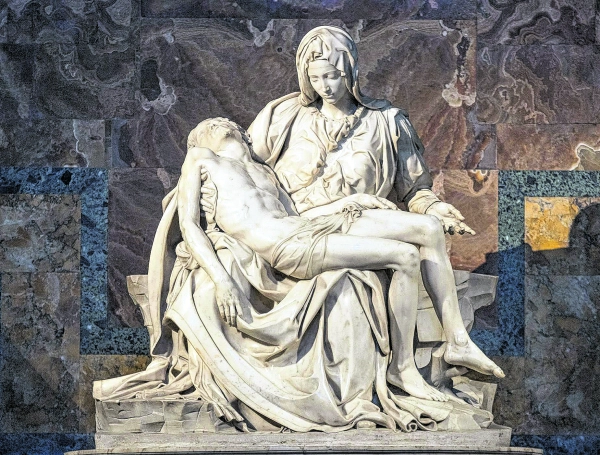
Upon entering the basilica and looking into the first chapel on the right, visitors encounter the Pietà. Sculpted by Michelangelo when he was in his early twenties, this Renaissance masterpiece depicts the Virgin Mary cradling the lifeless body of Jesus Christ after the Crucifixion.

Symbolizing spiritual purity, the acceptance of divine sacrifice, and redemption, Michelangelo controversially portrayed Mary as remarkably youthful to emphasize her incorruptible purity. Notably, this is the only artwork the master artist ever signed. His name is etched delicately across the sash running diagonally across the Virgin’s chest—a subtle detail easily missed by first-time observers.
Bernini’s Baldachin
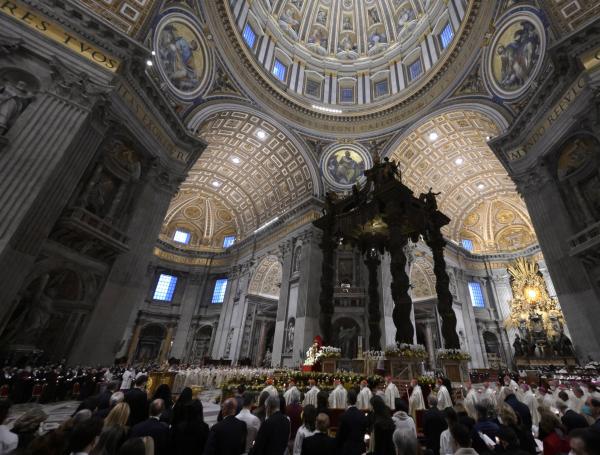
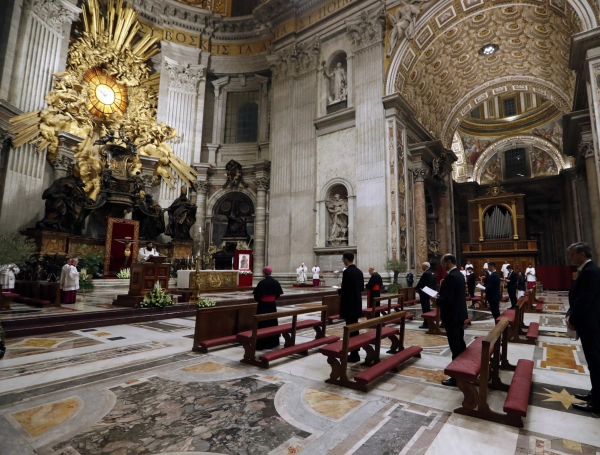
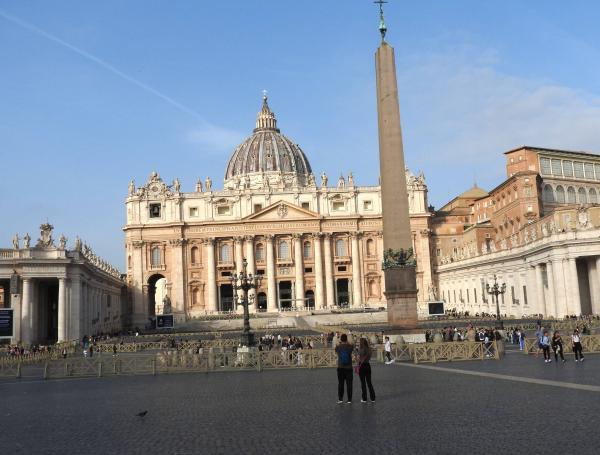
Rising beneath Michelangelo’s magnificent dome is the towering Papal Altar, canopied by the Baldachin designed by Gian Lorenzo Bernini. Standing nearly 30 meters tall, this monumental bronze structure marks the exact resting place of Saint Peter. Its twisting, spiraling Solomonic columns make it an unforgettable visual anchor for anyone entering the central nave. Bernini was also the visionary behind the 284 massive columns framing St. Peter’s Square outside, metaphorically representing the "open arms" of the Catholic Church welcoming the world.
The Dome and Mosaics
Towering above the baldachin is the iconic dome, the interior of which is lined with more than 3,000 square meters of glittering golden mosaics. Visitors who muster the physical endurance to climb into the dome are rewarded with a unique dual experience: an up-close perspective of the internal masonry and structural scale of the church, followed by an unrivaled panoramic view of Rome from the outdoor rim. From this vantage point, the sweeping expanse of St. Peter’s Square, the Via della Conciliazione, and the ancient rooftops of the Italian capital unfold below.
The Vatican Necropolis
Beneath the main floor lies the ultimate historical root of the complex: the Vatican Necropolis and the tomb of Saint Peter. Descending into this subterranean ancient Roman and early Christian burial ground allows visitors to step directly into the archaeological layers that dictated why Constantine chose this precise hill for his original basilica 1,700 years ago.
Official Responses and Modern Innovations
Managing an influx of 33,000 daily visitors while preserving a fragile 400-year-old monument presents a monumental logistical challenge. In response to the quadricentennial, Church authorities and conservationists have instituted progressive technological and structural changes.
To streamline crowd movement and enhance site security, the Vatican launched SmartPass, an integrated digital ticketing and monitoring system accessible via the official basilica web portal (basilicasanpietro.va). Coupled with a discreet network of environmental and crowd-density sensors, the system prevents bottlenecks and protects delicate architectural surfaces from excessive humidity and wear.

Furthermore, restoration spaces within the complex have been doubled in size to accommodate expert artisans working tirelessly to preserve centuries-old marbles, gilding, and canvases. Among the newly introduced sacred artworks are 14 contemporary oil paintings depicting the Stations of the Cross, created by Swiss artist Manuel Dürr.
Concurrently, previously closed areas—such as the expansive rooftop terraces—have been opened to the public, featuring a permanent exhibition detailing the continuous engineering, maintenance, and structural history of the monument. For those unable to travel to Rome, the Vatican has rolled out an advanced "3D Virtual Tour" on its website, offering a hyper-realistic, interactive exploration of areas of the church that remain physically inaccessible to the general public.
Implications: Balancing Mass Tourism with Sacred Heritage
The 400th anniversary of St. Peter’s consecration arrives at a critical juncture for global tourism and heritage management. As historic sites worldwide grapple with the pressures of "overtourism"—exemplified by recent policy shifts in destinations like Spain and various European cultural hubs—the Vatican’s handling of St. Peter’s serves as a modern case study in balancing public access with preservation.
By leaning heavily into digital infrastructure like SmartPass and virtual 3D rendering, the Holy See is actively redistributing foot traffic and offering alternative ways to experience sacred art without physically taxing the monument’s ancient foundations.

Yet, experts emphasize that the true value of visiting St. Peter’s transcends mere physical sightseeing.
"Travelers are invariably left awestruck by the sheer dimensions of the temple, but what truly elevates the visit is understanding the profound theological and historical significance behind the works it houses," explains David Fernandez.
As the basilica steps into its fifth century since consecration, it remains a testament to human creativity. Whether experienced in person at 7:00 a.m. to beat the lines, or explored digitally from thousands of miles away, St. Peter’s Basilica continues to bridge the ancient and the modern, standing firmly as a timeless cornerstone of global culture, art, and faith.