By María Paula Lozano Moreno
Digital Outreach Journalist
Updated: November 16, 2026
Main Facts
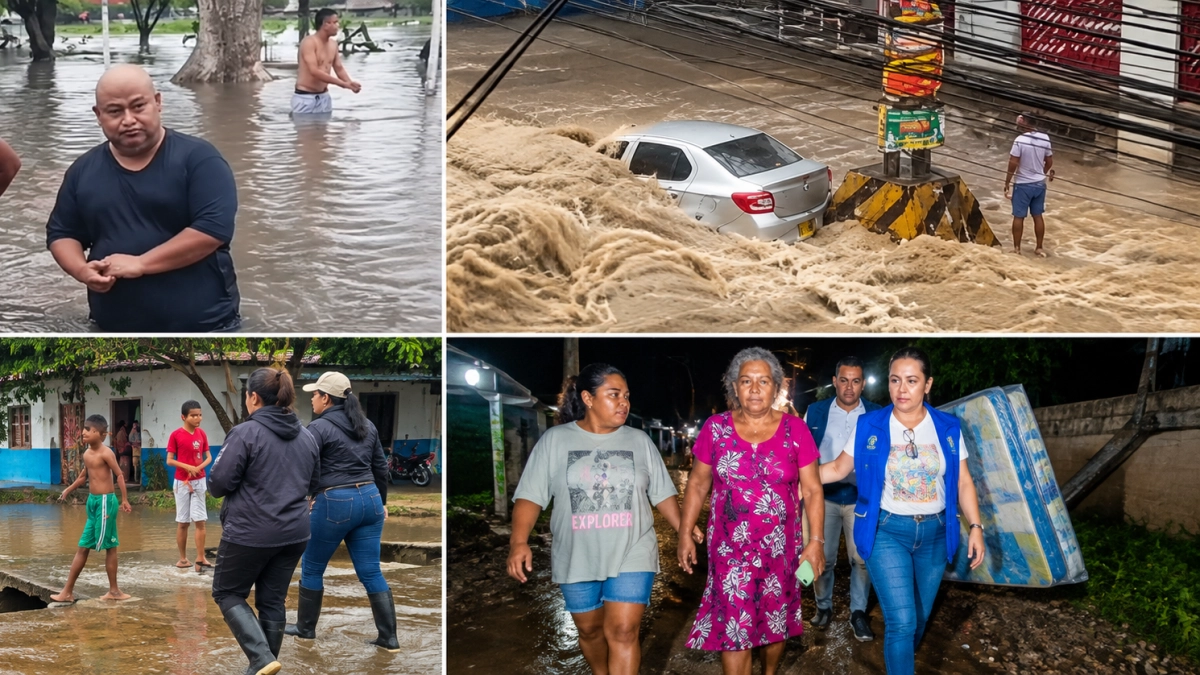
In a decisive move to address the lingering devastation caused by extreme weather events, the Colombian government has greenlit a massive financial rescue package. The National Council for Disaster Risk Management officially approved a comprehensive Specific Action Plan (Plan de Acción Específico – PAE) valued at $7.71 trillion COP (approximately USD $1.8 billion). This monumental budget is earmarked to provide humanitarian relief, infrastructure rebuilding, and long-term socioeconomic restoration across 778 municipalities spread over 31 departments.
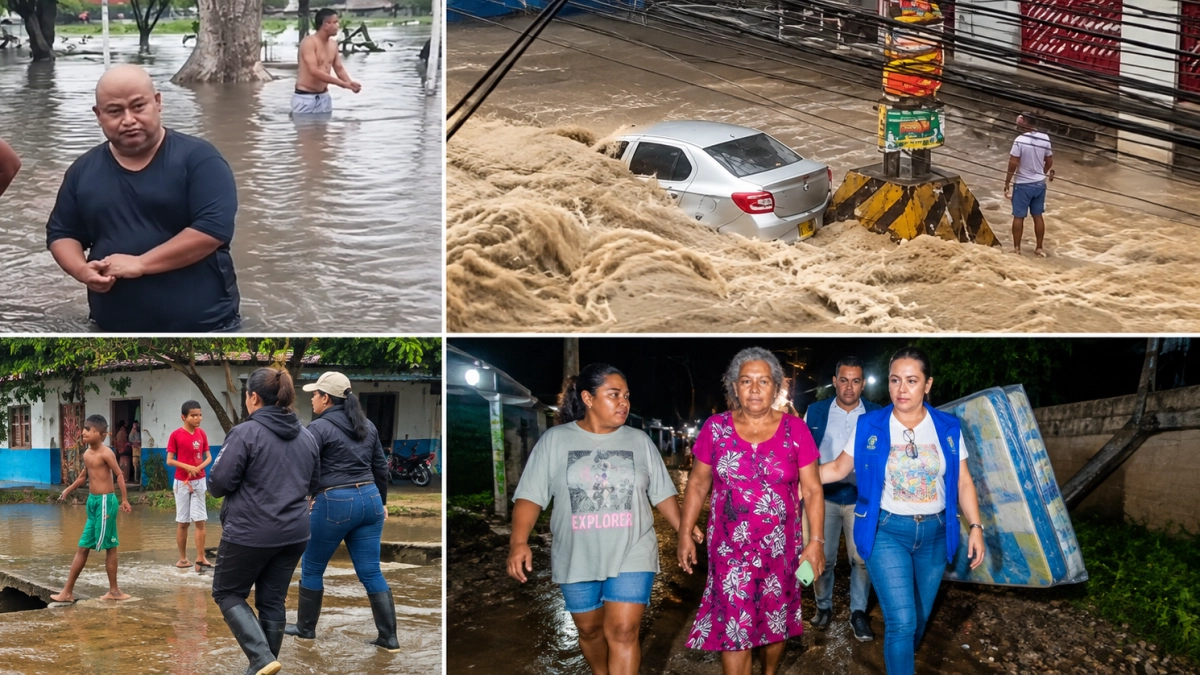
The overarching initiative is designed to counteract the severe compounding effects of a recent, destructive Cold Front alongside broader climate variability anomalies that have battered the Andean nation. Coordinated centrally by the National Unit for Disaster Risk Management (UNGRD), the intervention strategy prioritizes the hardest-hit regions. Of the nearly 800 localities covered, 159 municipalities have been specifically prioritized due to catastrophic damage inflicted by the Cold Front, while an additional 619 localities will receive funding to combat systemic disruptions caused by shifting weather patterns.
The capital injection focuses heavily on four foundational pillars:

- Housing reconstruction and structural enhancement, ensuring families can leave temporary shelters and return to safe structural environments.
- Food security stabilization, mitigating malnutrition and agricultural collapse in vulnerable rural sectors.
- Restoration of livelihoods, providing financial and material capital to small business owners, farmers, and fishers whose productivity was decimated.
- Risk mitigation engineering, implementing structural defenses to protect towns and cities against future climatic shocks.
Furthermore, during the same high-level council session, authorities laid the groundwork for the future by adopting the National Strategy and Preparation Plan for the impending El Niño phenomenon (2026–2027), while simultaneously evaluating the phased wind-down of the nationwide disaster emergency decree originally enacted in 2024.
Chronology: From Crisis to Comprehensive Action
To fully understand the scope of the $7.71 trillion COP investment, it is essential to trace the timeline of climatic disruptions and institutional responses that have shaped Colombia’s recent emergency management landscape.

- Early 2024: Colombia faces severe ecological strain as prolonged droughts driven by climate variability transition rapidly into intense rainy seasons, triggering landslides, flash floods, and agricultural loss across multiple departments.
- Mid-to-Late 2024: In response to widespread crises, the national government issues Decreto 1372, officially declaring a National Disaster Situation. This legal framework allows the administration to fast-track resource allocation, bypass bureaucratic procurement delays, and deploy emergency task forces to distressed regions.
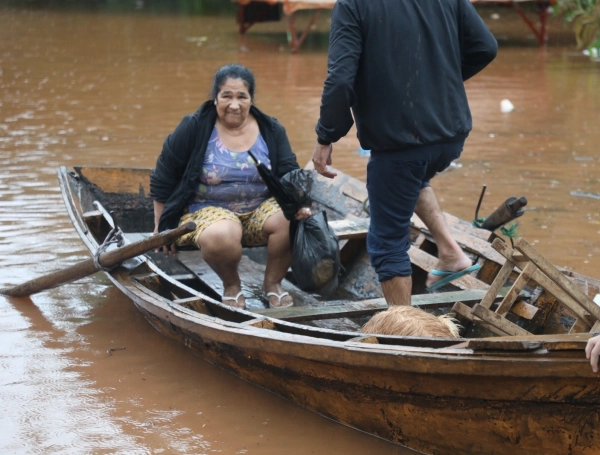
- Throughout 2025 – Early 2026: Successive waves of extreme weather—most notably an aggressive and prolonged Cold Front—pummel diverse geographic zones. Rivers overflow their banks, rural bridges collapse, and urban centers experience severe inundations. Thousands of families are displaced, and food supply chains are severely disrupted.
- November 2026: Recognizing that emergency response must evolve into structural recovery, the National Council for Disaster Risk Management convenes a strategic summit. The body approves the $7.71 trillion COP Specific Action Plan (PAE), setting a definitive framework for recovery.
- Mid-November 2026: Alongside the PAE approval, the Council endorses the specialized preparedness framework for the El Niño 2026–2027 cycle, officially recommending the retirement of the 2024 National Disaster Decree while legally binding executing agencies to finish all pending infrastructure projects.
Supporting Data: Breaking Down the $7.71 Trillion COP Investment
The sheer magnitude of the financial commitment requires meticulous accounting to ensure that funds reach the populations most in need. According to official disclosures by the UNGRD, the total budget of $7.71 trillion COP has been bifurcated to address both acute and systemic regional vulnerabilities:
- Cold Front Recovery Fund: $7.51 trillion COP has been explicitly segregated to finance 63 massive, high-impact regional projects designed to reverse the damage caused by the severe Cold Front affecting the 159 prioritized municipalities. This represents nearly 97.4% of the total financial package, underscoring the severity of the cold-weather emergencies.
- Climate Variability Buffer: $200,000 million COP is allocated to address localized, cumulative damages across the remaining 619 municipalities suffering from chronic climate volatility, unseasonal rainfall patterns, and localized droughts.
Geographic and Sectoral Allocation
| Intervention Pillar | Primary Objective | Target Population / Scope |
|---|---|---|
| Housing | Rebuilding destroyed homes and retrofitting properties in flood-prone zones. | Displaced families in 778 municipalities across 31 departments. |
| Food Security | Emergency food distributions and agricultural input grants (seeds, fertilizers). | Small-scale farmers and indigenous communities experiencing crop failure. |
| Livelihoods | Financial capital, equipment replacement, and micro-loans for informal workers. | Artisanal fishers, rural merchants, and local micro-entrepreneurs. |
| Risk Mitigation | Dike reinforcement, slope stabilization, and early-warning installation. | High-risk river basins and mountainous communities prone to flash floods. |
Official Responses and Institutional Framework
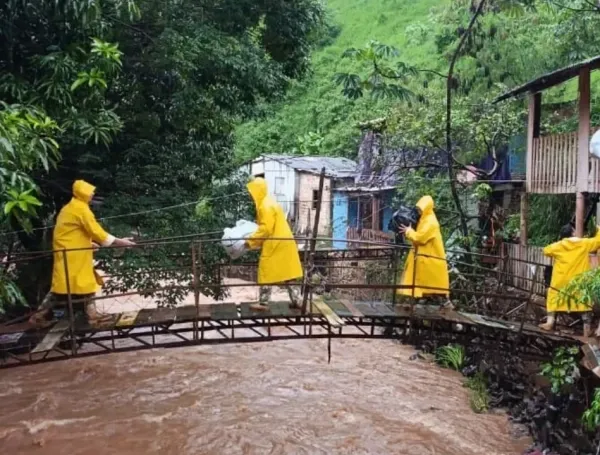
The execution of a recovery plan of this scale requires seamless bureaucratic alignment across national ministries, departmental gobernaciones, and municipal alcaldías. The Unidad Nacional para la Gestión del Riesgo de Desastres (UNGRD) has been designated as the central coordinating body tasked with auditing, tracking, and validating every phase of the implementation.
The Role of the UNGRD
During the announcement, UNGRD representatives emphasized that transparency and efficiency will be non-negotiable parameters for the release of funds. Regional entities are mandated to submit rigorous technical designs before receiving tranches of the $7.51 trillion COP Cold Front budget. The UNGRD will deploy regional oversight teams to monitor physical progress on the ground, ensuring that local contractors meet strict delivery deadlines.
The El Niño 2026–2027 Preparedness Strategy
In tandem with post-disaster recovery, the National Council formally ratified the National Strategy and Preparation Plan for the El Niño Phenomenon (2026–2027). Scientific projections presented to the Council indicate that the upcoming El Niño cycle could reach an intensity ranging from strong to very strong, with adverse climatic impacts projected to persist through March 2027.

Unlike reactive measures of the past, this strategy establishes a binding institutional roadmap. It mandates local water utilities, agricultural syndicates, and energy regulators to coordinate water-saving campaigns, establish backup reservoirs, and reinforce energy grids against potential hydroelectric shortages caused by prolonged dry spells.
Implications for Colombia’s Future
The policy shifts announced in November 2026 carry profound implications for Colombia’s socio-economic stability, fiscal management, and environmental resilience.
1. Transitioning from Emergency to Structural Resilience
The recommendation to lift the 2024 National Disaster Declaration via Decreto 1372 signals a strategic shift in government policy. While the country is technically stepping down from a state of generalized national emergency, authorities have explicitly clarified that this transition does not mean the abandonment of ongoing projects. All active civil works, housing developments, and bridge reconstructions initiated under the decree will legally continue until full completion. This ensures that administrative normalization does not translate into unfinished public works—a historic vulnerability in Colombian public administration.
2. Economic Relief in Rural and Agricultural Sectors
By targeting food security and livelihood restoration as core pillars alongside housing, the PAE addresses the root causes of rural poverty exacerbated by climate shocks. When agricultural belts suffer prolonged flooding or unseasonal cold snaps, national food inflation spikes. Stabilizing smallholder farmers through the $7.71 trillion COP injection serves a dual purpose: it rescues vulnerable rural communities from extreme poverty and helps stabilize consumer food prices nationwide.

3. Proactive Adaptation vs. Reactive Spending
Perhaps the most significant implication is Colombia’s pivot toward anticipatory governance. By approving the El Niño 2026–2027 preparedness framework months before its peak intensity, the government is attempting to break the costly cycle of reactive disaster spending. Financial analysts note that every peso spent on preventive infrastructure—such as reinforced river walls and resilient agricultural supply chains—saves multiple pesos in emergency humanitarian aid later.
As the UNGRD assumes its monumental task of orchestrating the $7.71 trillion COP plan across 31 departments, the eyes of the nation remain fixed on local and national leaders. The success of this multi-trillion-peso endeavor will ultimately be measured not just by the speed of disbursement, but by whether Colombian communities emerge permanently better-equipped to withstand the accelerating volatility of global climate change.