By Edwin Caicedo | Environmental and Health Journalism
Updated and Expanded Report
Main Facts: A Historic Milestone for Urban Mobility in South America
Medellín, the vibrant capital of Colombia’s Antioquia department, has achieved a historic milestone in urban mobility and sustainable development. In a comprehensive global study conducted by the renowned international publication Time Out, the "City of Eternal Spring" was crowned as the best city in Latin America for cycling.
Securing an impressive 12th place worldwide, Medellín outperformed a roster of globally celebrated European and North American urban centers renowned for their advanced infrastructure, including Rotterdam (Netherlands), Helsinki (Finland), Frankfurt (Germany), and Orlando (United States).
The recognition stems from Time Out’s global index, which surveyed more than 24,000 urban residents worldwide to evaluate their daily experiences commuting by bicycle. The final index exclusively highlighted the top 20 cities where citizens overwhelmingly described biking conditions as "good" or "fantastic," adhering to a strict methodology that capped representation at one city per country.
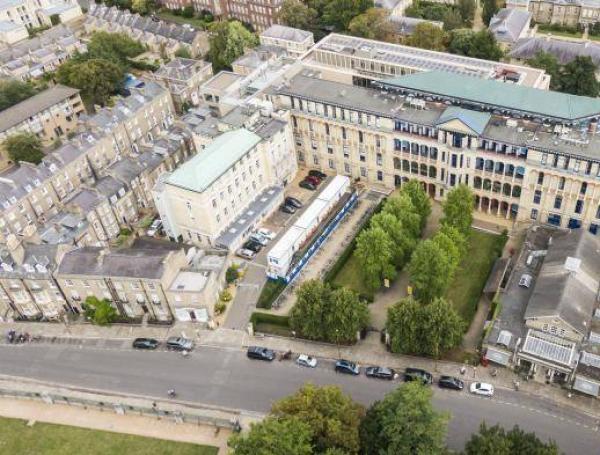
While Cambridge in the United Kingdom claimed the coveted number one spot due to its compact size, flat terrain, and world-class cycling architecture, Medellín’s inclusion in the top tier cements its status as Latin America’s undisputed pioneer in alternative, eco-friendly transit. For a region long dominated by automobile-centric planning and traffic congestion, Medellín’s high ranking represents a paradigm shift in how Latin American metropolises approach public space, environmental health, and active mobility.
Chronology: How Medellín Built a Culture on Two Wheels
The journey that led Medellín to outrank cycling strongholds like Frankfurt and Helsinki was neither accidental nor overnight. It is the result of decades of civic persistence, political commitment, and progressive urban planning.

Early 2000s: Laying the Foundations
At the turn of the millennium, Medellín faced severe challenges related to rapid urbanization, socioeconomic disparity, and heavy motorized traffic. Recognizing the urgent need to democratize public space, local authorities began conceptualizing alternative transit corridors. The initial phase focused on connecting peripheral neighborhoods to the valley floor, integrating early bike lanes with the region’s burgeoning metrocable system.
The 2010s: Expansion of the Ciclorruta Network
During the mid-2010s, city planners accelerated the deployment of structural cycling infrastructure. The municipal government committed to building a cohesive network of ciclorrutas (bike lanes) spanning critical arteries. Strategic sectors such as the Avenida Regional, along with traditional neighborhoods like Laureles and La América, were retrofitted with dedicated cycling paths to encourage daily commutes rather than purely recreational weekend rides.
2020–2024: Post-Pandemic Resilience and Micromobility
The COVID-19 pandemic served as an unexpected catalyst for cycling worldwide, and Medellín was no exception. Temporary bike lanes introduced during health lockdowns quickly demonstrated high demand, prompting city hall to make them permanent. Concurrently, the integration of public bicycle-sharing schemes fostered a micro-mobility culture among university students and young professionals.
2026: International Validation
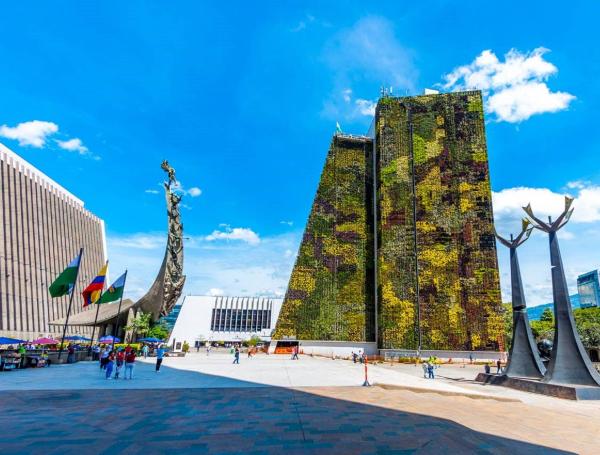
Culminating these decades of effort, Time Out’s 2026 global ranking placed Medellín at number 12 globally and first in Latin America. This accolade arrived alongside a series of other distinctions recognizing the city’s strides in sustainable tourism, green architecture (such as its famed urban green walls), and climate resilience.
Supporting Data: The Numbers Behind the Ranking
To truly understand how Medellín earned its place among the world’s elite cycling cities, it is essential to examine the metrics and quantitative data driving its transit ecosystem.
- Global Survey Sample: Time Out gathered feedback from over 24,000 respondents globally, filtering responses based on personal satisfaction, perceived safety, and infrastructural reliability.
- Network Length: According to official data from the city’s Datos Abiertos (Open Data) portal, Medellín currently boasts more than 100 kilometers of dedicated ciclorrutas. These corridors weave through high-density commercial, residential, and industrial zones.
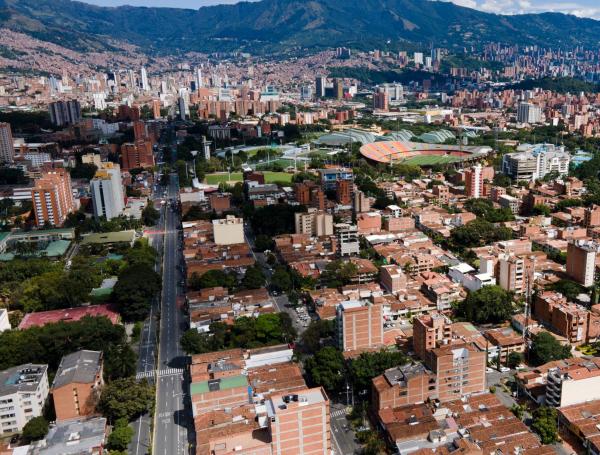
- Key Arteries and Neighborhoods: Critical segments of the network run alongside the Medellín River (Avenida Regional) and permeate through pedestrian-friendly districts like Laureles-Estadio and La América, where flat topography naturally encourages bicycle use.
- Comparative Scale: While top-ranked Cambridge boasts that roughly one-third of all daily trips are made on bicycles—backed by an 83% resident satisfaction rate—Medellín’s achievement lies in adapting a challenging Andean valley geography into a functional, low-carbon transit network.
Official Responses and Civic Reactions
The announcement was met with widespread celebration across municipal offices, environmental organizations, and civil society groups in Colombia.
Local urban planners emphasized that the recognition validates a long-term vision of social urbanism. "For years, Medellín has fought against the stigma of violence through innovative social projects. Today, we are demonstrating that our infrastructure can also lead the way in environmental sustainability and human-scale mobility," noted a spokesperson for the city’s Secretariat of Infrastructure.
Environmental advocates highlighted the direct correlation between the expansion of the ciclorrutas and the reduction of localized greenhouse gas emissions in the Aburrá Valley—a geographical depression notoriously prone to atmospheric inversion and air quality crises.
Furthermore, grassroots cycling collectives in Medellín, who have historically advocated for safer streets and cyclist rights, viewed the ranking as a major victory. Representatives from local cycling NGOs noted that while a top-12 global ranking is a massive achievement, it must serve as an incentive to close remaining infrastructure gaps, improve night-time lighting along bike corridors, and enforce stricter traffic safety laws to protect vulnerable road users from heavy vehicles.
Implications: What This Means for Medellín’s Future
Medellín’s inclusion in Time Out’s elite index carries profound implications for the city’s economic, social, and environmental trajectory.
1. Urban Planning and Real Estate
The prestige of being recognized as Latin America’s top cycling city is likely to accelerate transit-oriented development (TOD). Neighborhoods equipped with robust bike infrastructure—such as Laureles—are already seeing increased property values and a surge in pedestrian-oriented commerce, cafes, and local businesses. Future urban developments will face heightened pressure to integrate bike-friendly designs directly into residential and commercial blueprints.
2. Public Health and Quality of Life
Encouraging active mobility directly combats sedentary lifestyles, obesity, and cardiovascular illnesses. By providing safe alternatives to cars and motorcycles, Medellín reduces noise pollution and mitigates the health burdens associated with poor air quality in the Aburrá Valley.

3. Tourism and Global Positioning
As global tourism shifts toward sustainability and eco-conscious travel, Medellín is positioning itself as a premier destination for green tourism. Visitors increasingly seek out cities where they can explore local culture on two wheels without relying on carbon-heavy transport. This accolade enhances the city’s international brand as an innovative hub of Latin American transformation.
4. Challenges Ahead
Despite the celebration, urban experts caution that significant challenges remain. Medellín’s topography—characterized by steep mountain slopes as one moves away from the central valley floor—means that traditional cycling remains difficult in hilly comunas. To maintain its global standing, the city must continue investing in electric-bike (e-bike) sharing initiatives, better multi-modal integration with cable cars and buses, and unyielding safety campaigns for cyclists navigating mixed-traffic zones.
Ultimately, Medellín’s ranking is not merely a badge of honor; it is a blueprint for how emerging-market cities can rethink their futures through sustainable, human-centric mobility.