By Life & Wellness Desk Published: September 12, 2026
Caring for the health of a domestic cat does not require an extravagant budget or complicated medical treatments. Instead, veterinary science increasingly points toward simple, consistent daily routines as the ultimate defense against chronic illness and premature decline.
According to renowned Spanish veterinarian Carlos Gutiérrez, incorporating basic preventative habits into the home environment is the single most effective way to shield feline companions from severe, debilitating diseases. Gutiérrez stresses that these accessible practices do much more than just stave off complex pathologies; they fundamentally lay the groundwork for an active, pain-free, and dignified senior life.
This preventative philosophy finds strong backing within the global veterinary community. Organizations such as the World Small Animal Veterinary Association (WSAVA) continually emphasize that proactive home healthcare serves as the primary barrier of defense for a cat’s integral well-being. By maintaining consistent daily habits, owners can drastically reduce emergency veterinary visits and catch subtle signs of discomfort before they evolve into systemic crises.
The Hidden Danger: Bacterial Biofilms in Common Comedero
While cats spend a significant portion of their waking hours meticulously grooming themselves, their feeding and water stations often turn into breeding grounds for harmful microorganisms. Because of the unique chemical composition of feline saliva, a resilient layer known as biofilm forms quickly on ceramic, plastic, and metal bowls. This microscopic, viscous deposit cannot be removed with a simple splash of water or a quick wipe with a paper towel.
Domestic microbiology studies routinely rank pet food and water bowls among the items carrying the highest bacterial loads in households when they lack proper, rigorous sanitation. Gutiérrez highlights the severity of this overlooked domestic hazard:
"If bowls are not cleaned correctly every single day, these accumulated bacteria can lead to localized infections, painful abscesses in the digestive tract, or even compromise liver function."
Furthermore, neglected bowls are a primary trigger for feline acne—a frustrating and sometimes painful skin condition that manifests around the cat’s chin.
To combat this, the veterinarian issues a straightforward directive: owners must wash food and water dishes daily using warm water and soap, physically scrubbing the surfaces to break down and eliminate the invisible biofilm layer.
Hydration and Oral Health: The Desert Legacy
To truly understand feline healthcare, owners must look back at evolutionary history. Domestic cats are direct descendants of desert-dwelling wildcats. This evolutionary heritage explains why modern house cats possess a notoriously low natural drive to drink standing water. Unfortunately, this biological trait often compromises their urinary tracts and kidneys, making renal failure one of the leading causes of mortality in older cats.
Revitalizing the Water Supply
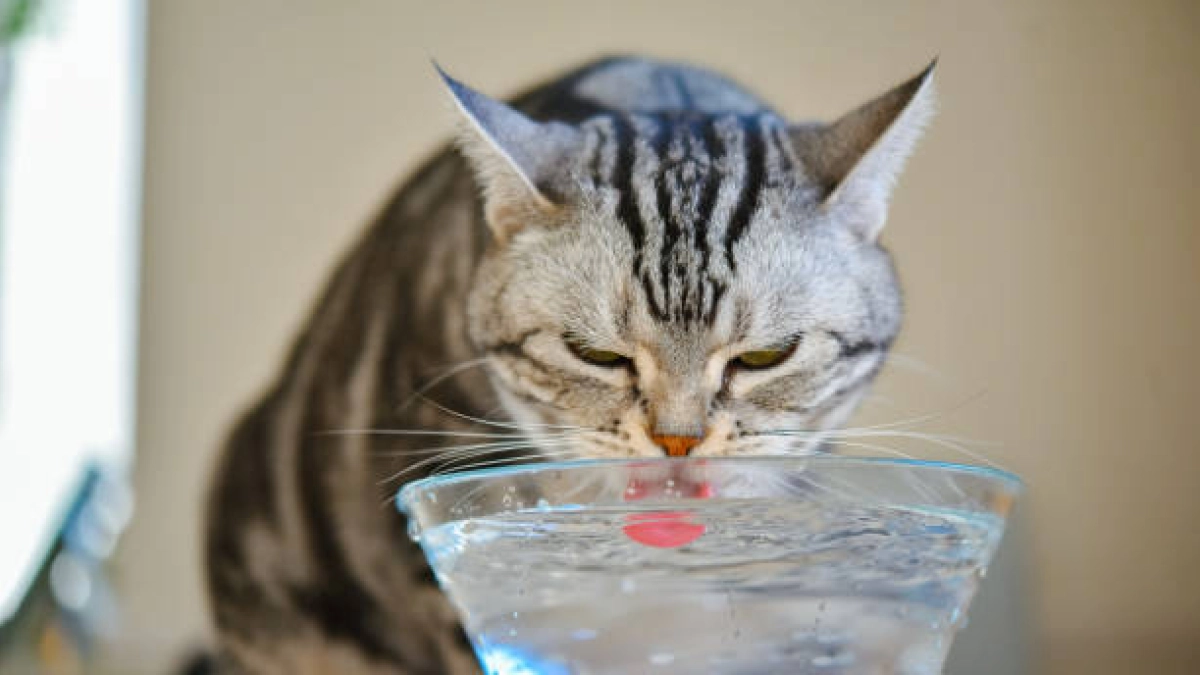
To counteract a cat’s natural reluctance to hydrate, Gutiérrez advises making water as appealing as possible:
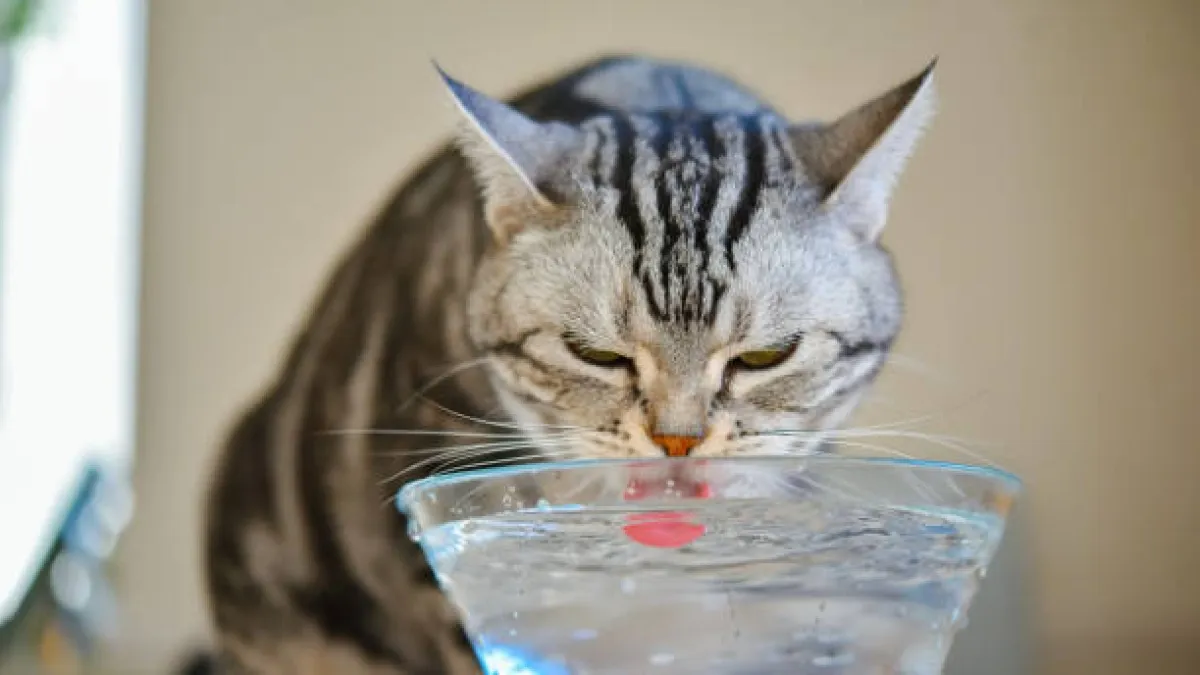
Frequent Changes: Change the water completely at least two to three times a day. Cats prefer water that is ice-cold, impeccably clean, and entirely free of ambient odors or floating debris.
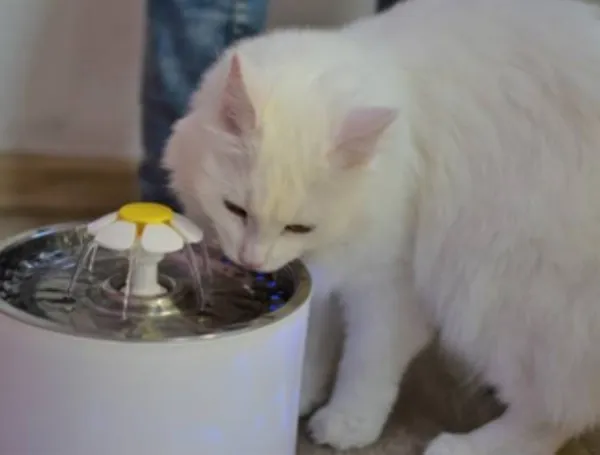
Strategic Distribution: Place multiple water stations throughout the house, prioritizing quiet, cool, and low-traffic zones where the cat feels safe while drinking.
Incorporating Wet Food: Integrating commercially available wet food into the daily diet introduces crucial moisture, protects the intestinal mucosa, and actively safeguards renal function.
The Silent Threat of Dental Disease
Hydration, however, is only one piece of the puzzle. Oral hygiene plays an equally vital role in systemic wellness. Plaque and tartar accumulation do much more than cause offensive breath; they trigger localized inflammation that releases toxins directly into the bloodstream, where they can permanently damage vital organs such as the kidneys and heart.
Gutiérrez emphasizes that managing oral health—through specialized diets, dental treats, or proactive brushing—starting around the age of six or seven is critical to extending a cat’s lifespan.
Chronology of Feline Preventative Care: A Life-Stage Guide
To help pet owners navigate preventative medicine effectively, veterinary specialists outline a chronological roadmap of care from kittenhood to the senior years:
1. The Foundation Years (Ages 0–2)
Focus: Core vaccinations, parasite control, and behavioral socialization.
Daily Habit Formation: Establishing strict cleaning routines for food and water bowls to prevent early exposure to bacterial biofilms. Introducing tooth-brushing early so the cat accepts it as a normal part of life.
Dietary Transition: Moving from kitten formulas rich in calories and growth nutrients to high-protein adult maintenance diets.
2. The Prime Years (Ages 3–6)
Focus: Weight management and metabolic monitoring.
Preventative Actions: Routine annual blood work and physical exams to catch early metabolic shifts. Monitoring water intake meticulously to spot early indicators of lower urinary tract disease (FLUTD).
Home Environment: Ensuring a stress-free environment with vertical territory and clean litter boxes to prevent stress-induced cystitis.
3. The Mature and Senior Years (Ages 7+)
Focus: Organ function preservation and pain management (arthritis).
Preventative Actions: Semi-annual veterinary check-ups. Comprehensive dental cleanings under anesthesia if tartar buildup is severe. Blood pressure monitoring and renal panels to catch chronic kidney disease (CKD) at its inception.
Dietary Shifts: Transitioning to senior formulas designed with controlled phosphorus levels to protect aging kidneys.
Supporting Data: The Impact of Preventative Care
Recent veterinary data underscores the undeniable value of proactive home routines versus reactive clinical interventions. According to global pet health tracking indices:
Reduction in Emergency Visits: Households that implement strict daily bowl cleaning and proactive hydration strategies report up to a 35% reduction in gastrointestinal and urinary tract emergencies.
The Renal Crisis: Chronic Kidney Disease (CKD) affects approximately 30 to 40 percent of cats over the age of ten. However, studies show that cats maintained on a high-moisture diet (incorporating wet food and fresh water stations) experience a delayed onset of renal decline by an average of 1.5 to 2 years.
Nutritional Standards: Clinical nutritionists advise that adult cat formulas should feature animal-derived protein concentrations exceeding 30% to 40% to properly support feline lean muscle mass without overworking the metabolic system. Conversely, the inclusion of human table scraps containing onions, garlic, or excessive sodium accounts for a significant percentage of preventable toxicosis cases in domestic pets.
Official Responses and Expert Consensus
The broader veterinary community has overwhelmingly rallied behind the message that education and routine home care are the most powerful tools in modern veterinary medicine.
Dr. Elena Vance, a prominent feline practitioner and consultant for international animal welfare organizations, notes that pet owners frequently overestimate the complexity of keeping a cat healthy:
"People often wait for dramatic symptoms—like vomiting, lethargy, or complete anorexia—before seeking help. In reality, veterinary medicine is shifting toward empowerment at home. Simple acts like washing a food bowl with hot, soapy water every single day eliminate variables that cause chronic, low-grade systemic inflammation."
Furthermore, animal welfare advocates point out that preventative care directly correlates with economic relief for pet owners. By focusing on hydration, dental hygiene, and species-appropriate nutrition, families can avoid the staggering costs associated with advanced renal failure, emergency dental extractions, and critical care hospitalizations.
Implications for the Future of Feline Welfare
The shift toward accessible, home-based preventative care carries profound implications for the global pet care ecosystem. As veterinary costs continue to rise worldwide—driven by advanced medical technologies and specialized diagnostics—the burden on pet owners is heavier than ever.
By emphasizing that a cat’s longevity is forged in the kitchen and through daily micro-habits rather than expensive clinic interventions, veterinary medicine is democratizing pet health. Owners do not need a luxury budget to ensure their cats live long, vibrant lives; they simply need consistency, awareness, and a commitment to understanding the evolutionary needs of their feline companions.
Ultimately, embracing these small daily rituals transforms routine pet ownership into a powerful, life-prolonging partnership between human and cat.
By Editorial Staff The Catholic Church is facing a renewed ecclesiastical crisis. In a decisive move, the Holy See has excommunicated the leadership and members of the Fraternidad Sacerdotal San Pío X (FSSPX), the ultra-traditionalist…
Introduction: The Philosophy of Stillness and Inner Alignment As humanity continues to navigate the fast-paced demands of modern existence, ancient wisdom traditions often provide a much-needed sanctuary for reflection. In the realm of astrology, weekly…
In a landmark development for Colombian aviation and the economic landscape of the Atlantic coast, the capital city of Barranquilla is set to break a long-standing barrier. For the first time in its history, the…