The Renaissance of the Magdalena River
For decades, the waters of the Magdalena River—Colombia’s most vital fluvial artery—remained largely silent, serving as a passage for cargo rather than a corridor for discovery. That changed when AmaWaterways, a US-based cruise line renowned for its European river expertise, identified the river’s immense potential. Following a year of operations, the company has successfully completed 100 cruises, marking a historic turning point for Colombian tourism.
The venture, which began with the ambition of co-founders Rudi Schreiner and Kristin Karst, has evolved into a sophisticated operation that marries high-end luxury with deep cultural immersion. By navigating the 1,500-kilometer stretch from the Andes to the Caribbean, the company has not only introduced a new travel product to the world but has effectively reconnected local communities with the global stage.
Chronology of a Vision: From Concept to Reality
The journey to the Magdalena was not an overnight success; it was a process of meticulous research and regional integration.
- 2019-2020: Rudi Schreiner and Kristin Karst first began surveying the Lower Magdalena, fascinated by the river’s potential as a cultural treasure trove.
- 2020-2025: The project moved into a rigorous study phase led by Beno Atan, a Rapa Nui native and expert in regional development. For five years, Atan lived along the banks, mapping the navigability, understanding the climatic shifts, and building bridges with local populations.
- June 17, 2025: The AmaMagdalena held its inaugural voyage and official christening, marking the official launch of modern river cruising in Colombia.
- 2026: With the addition of the AmaMelodía, the fleet reached a milestone of 100 successful voyages by July, having served over 5,000 international passengers.
Engineering and Design: A Tribute to Colombian Identity
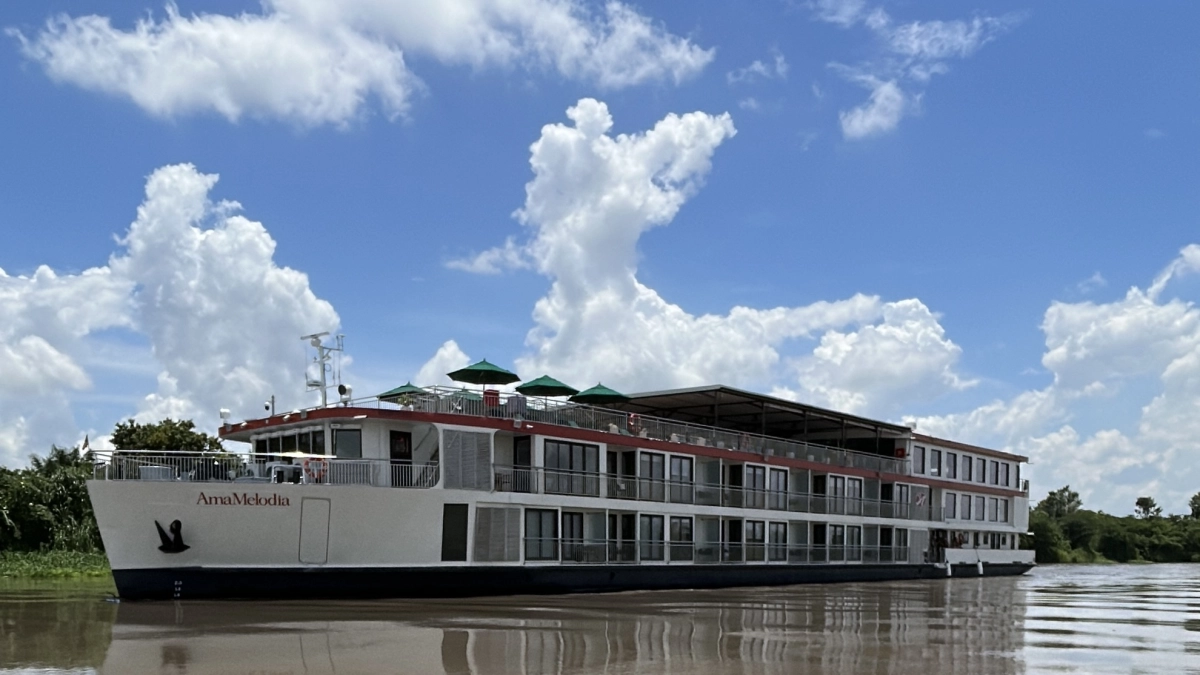
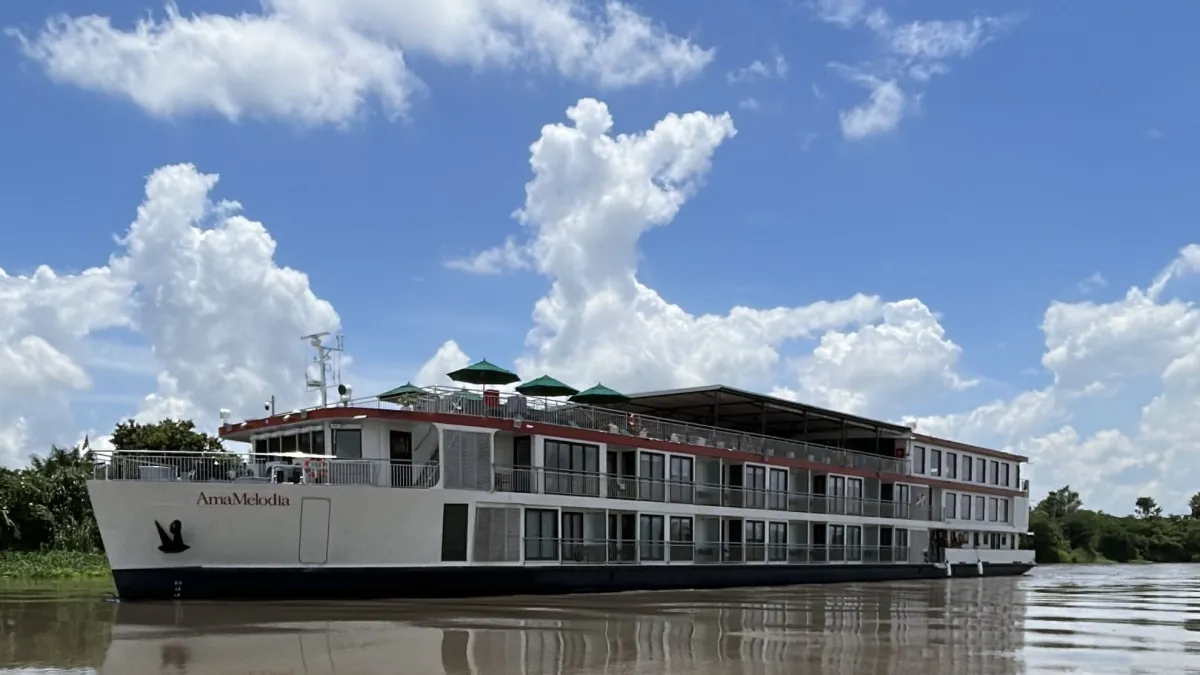
The vessels themselves represent a remarkable feat of cross-continental engineering. Designed by Colombian architect Camilo Restrepo Ochoa, the AmaMagdalena and AmaMelodía were built to honor the river’s landscape rather than compete with it.

Measuring 68 meters in length and 13 meters in width, each ship accommodates 64 passengers in 32 balcony cabins. The construction process was a testament to local craftsmanship: while the primary structures were fabricated in Vietnam, the hulls were constructed in Cartagena shipyards, and the final interior outfitting was completed entirely in Colombia.
The aesthetic reflects a "calm and organic" philosophy. Restrepo utilized materials such as copper, cotton, and banana fibers to create spaces that breathe, ensuring that the interiors remain cool and comfortable in the tropical climate. Bathrooms feature stone sourced from the Sinú region, and the overall design language focuses on transparency, allowing the vibrant green banks of the river to serve as the primary backdrop for the travelers.
The Human Element: Economic and Cultural Impact
The success of this venture is best measured not in numbers, but in the social transformation of the river ports. Towns like Calamar, which once relied heavily on the vanished era of steamships, have found a new heartbeat.
"Calamar has come back to life," says Michelle Aristizábal, a local student and guide. "This ship renews our history and brings opportunities for the youth."

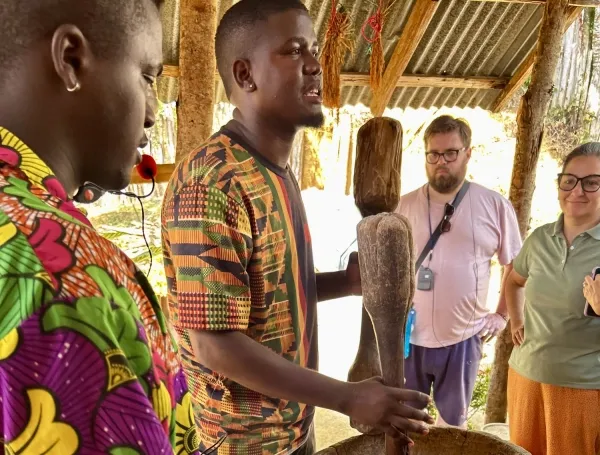
The economic ripple effect is tangible. Local bicitaxists, folkloric dance troupes, and artisan cooperatives have become integral parts of the cruise experience. AmaWaterways has also established the Craftedways Foundation, an initiative dedicated to supporting education, arts, and English language programs in the riverside communities. This ensures that the cruise line is not just a passing visitor, but a long-term partner in the regional development of places like Santa Bárbara de Pinto and San Basilio de Palenque.
Gastronomy: A Journey Through Colombian Flavors
Food has become a cornerstone of the AmaWaterways experience in Colombia. The menu, curated by the renowned chef Alex Quessep, acts as a culinary map of the country. Passengers are introduced to the diversity of Colombian heritage through dishes like mote de queso, ajiaco, posta cartagenera, and various traditional fish recipes. By prioritizing local ingredients and ancestral recipes, the cruise provides an authentic connection to the land, effectively transforming a dining experience into a cultural lesson.

Official Perspectives: The Leadership Strategy
Rudi Schreiner, president of the board, maintains a data-driven approach to the expansion. He describes a master document tracking the world’s major rivers, weighing factors like biodiversity, history, and population. "The Magdalena stood out," he notes, citing the 45 million people living in its basin and the presence of UNESCO World Heritage sites like Mompox.
Beno Atan, now General Manager of AmaWaterways in Colombia, emphasizes the logistical hurdles the company had to clear, including the construction of specialized docks capable of handling 900-ton vessels. "We had to design an itinerary and build the infrastructure before we even finished the ships," Atan explains. His role has been to ensure that the luxury experience remains sustainable and respectful of the indigenous and local cultures that define the riverbanks.

Global Implications and Future Outlook
The success of the Magdalena project is a pilot for the future of luxury river cruising in South America. AmaWaterways currently operates 29 vessels worldwide, covering four continents. Their stated goal is to reach 52 ships by 2032.
The implications of this growth are significant for the travel industry:

- Sustainable Tourism: By focusing on small-scale, high-value tourism, the company demonstrates that river cruising can support rather than exploit fragile environments.
- Regional Stability: The consistent presence of these ships has incentivized local infrastructure improvements, from pier construction to sanitation and heritage restoration.
- Diplomatic Value: By bringing thousands of international tourists to remote parts of Colombia, the cruise line is helping to reshape the country’s global image, shifting perceptions from past conflict to present-day wonder.
Conclusion: A Legacy of "Magic Realism"
As the AmaMelodía glides through the waters of the Magdalena, the experience serves as a living embodiment of the "magical realism" for which Colombia is famous. For the travelers, the journey is an escape into a history that felt lost until now. For the residents of the river towns, the return of the ships is a validation of their culture and a promise of a future where they are no longer forgotten.
With 100 voyages completed in a single year, AmaWaterways has proven that the Magdalena is not just a river, but a destination of immense depth. As the company continues to expand its reach, the lessons learned along these 500 kilometers of water will likely serve as the blueprint for sustainable luxury tourism in the developing world for decades to come. The river is flowing once more, and this time, the world is watching.