Main Facts
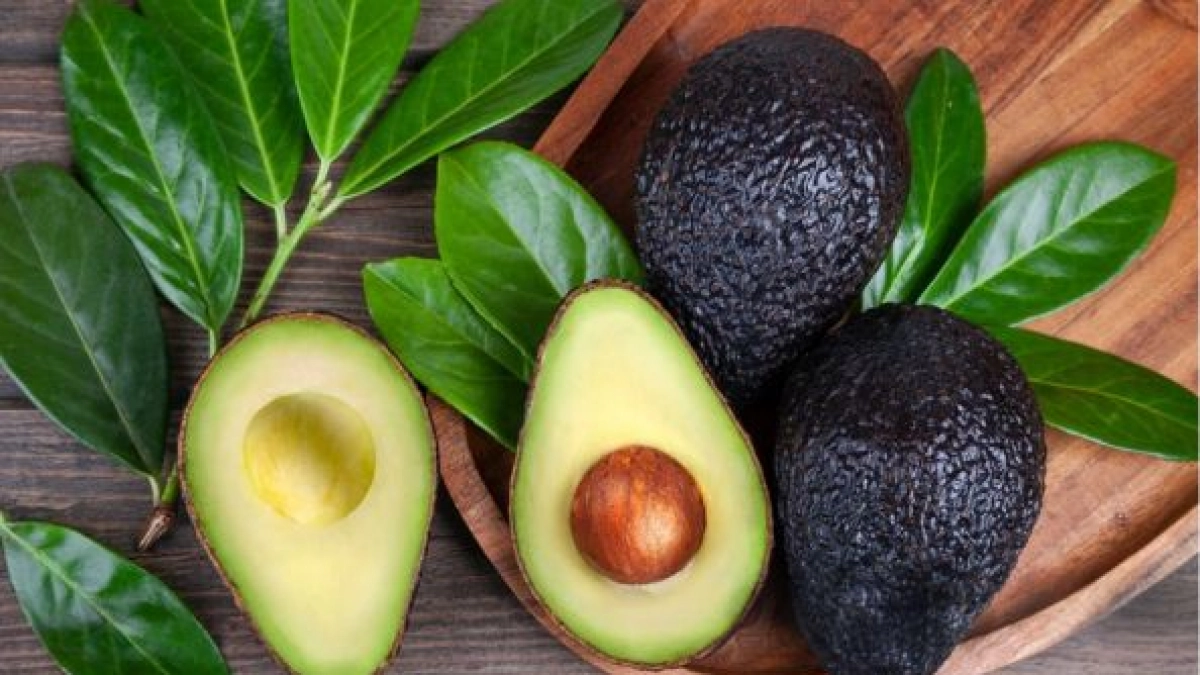
The avocado has firmly cemented its status as a global culinary staple, beloved for its creamy texture, rich nutrient profile, and versatility in both savory and sweet dishes. From morning avocado toast to the indispensable party-pleasing bowl of guacamole, this nutrient-dense fruit is a favorite in households worldwide.
However, home cooks and professional chefs alike share a universal frustration: the moment an avocado is sliced open, or mashed into guacamole, a relentless biological clock begins to tick. Within minutes, the vibrant, appetizing green flesh starts to turn an unappealing shade of brown, dampening the appeal of leftovers.
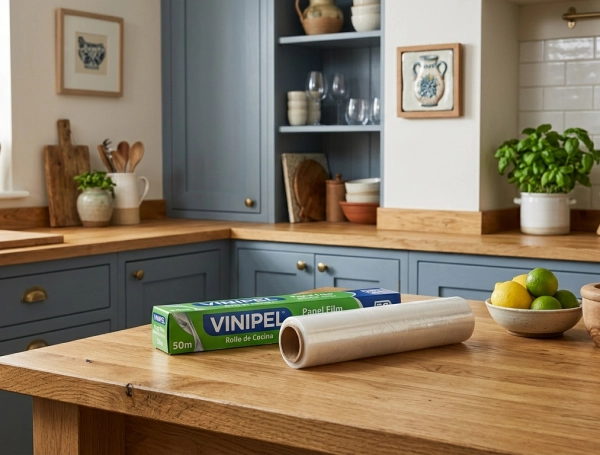
To combat this culinary dilemma, renowned Spanish chef Jordi Cruz has shared a remarkably simple, highly effective domestic hack. Rather than relying on traditional methods—such as squeezing aggressive amounts of lemon juice, adding olive oil, or desperately trying to trap air out with poorly fitting containers—Cruz utilizes two everyday kitchen items: a piece of damp paper towel and plastic wrap (or vinipel).
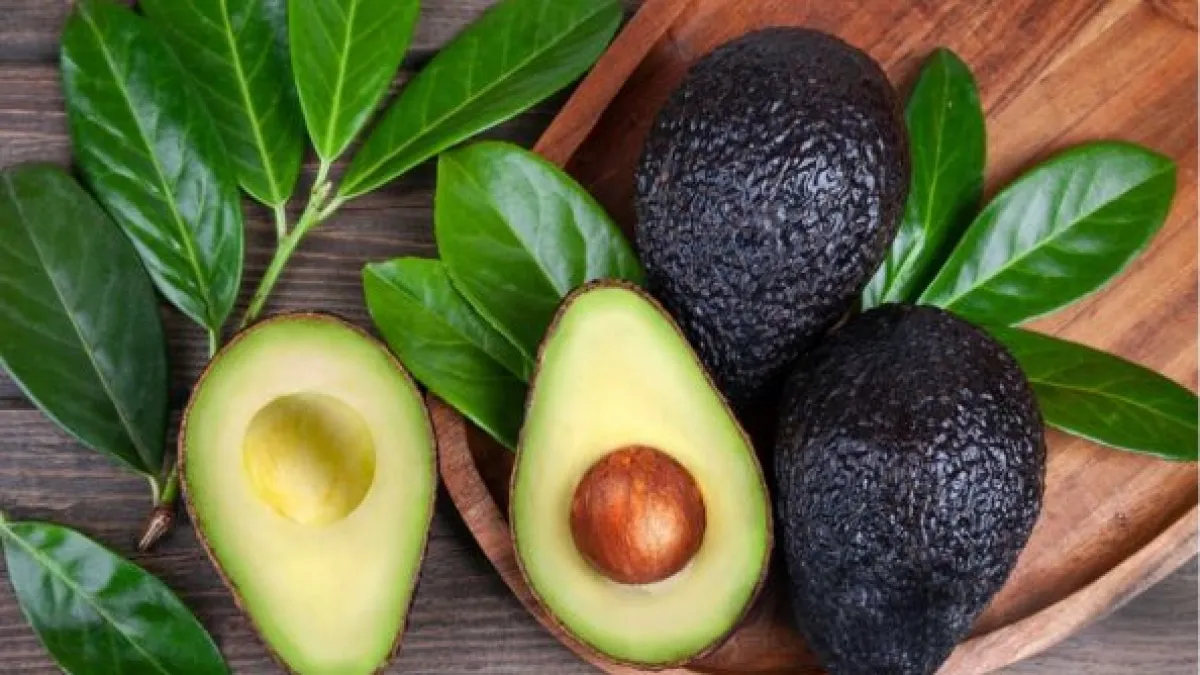
The technique is brilliantly straightforward. A piece of kitchen paper is thoroughly dampened with water and placed directly onto the surface of the halved avocado or the leftover guacamole. It is crucial that the wet paper makes direct contact with the entire exposed pulp, ensuring no air pockets remain trapped underneath. Once the barrier is in place, the container or the half-avocado is tightly sealed with a layer of plastic wrap.
According to Chef Cruz, this dual-layer method works through simple physics and chemistry. The wet paper towel acts as a physical shield that drastically limits the pulp’s exposure to ambient oxygen, while the plastic wrap prevents the moisture in the paper from evaporating prematurely. The result? The bright green color is preserved for hours—or even days—without altering the natural, delicate flavor profile of the fruit with acidic additives or oils.
Of course, experts emphasize that this trick is a preservation aid, not a magic spell. It must be paired with proper refrigeration. An avocado or guacamole treated with this method should still be stored inside a refrigerator and consumed within safe culinary timeframes to prevent spoilage.

Chronology
To understand how culinary science arrived at this modern household hack, it is helpful to look at how humanity has historically attempted to preserve avocados, leading up to Chef Jordi Cruz’s viral technique:
- Pre-Columbian Era: Indigenous peoples in Mesoamerica—where the avocado (Persea americana) was first domesticated thousands of years ago—consumed the fruit fresh. Because preparation typically involved immediate consumption or communal sharing, long-term preservation methods for cut fruit were rarely necessary.
- The Mid-to-Late 20th Century (The Acid Era): As avocados gained international popularity and mass commercial distribution, home cooks sought DIY preservation methods. The universal default became dousing exposed avocado flesh with citrus juices—primarily lemon or lime. While effective at slowing browning due to its acidity, this method fundamentally changed the taste profile, introducing a sharp sourness that clashed with certain recipes.
- The Rise of Modern Food Media and Viral Hacks (2010s–2020s): With the explosion of social media and cooking channels, chefs began testing alternative methods. Submerging cut avocados in water, sealing them in vacuum bags, or leaving the pit intact (a persistent myth) were all heavily tested. Most of these methods proved either ineffective or messy.
- The Introduction of the Barrier Technique: Culinary professionals began emphasizing moisture retention and oxygen exclusion over chemical alteration. Spanish chef Jordi Cruz popularized the specific "wet paper towel and plastic wrap" technique across digital platforms, demonstrating how a simple physical barrier could outperform heavy-handed chemical interventions.
- Present Day: Home cooks worldwide routinely adopt barrier-based preservation methods, combining smart kitchen science with standard refrigeration to reduce food waste and extend the usability of leftover guacamole and sliced avocados.
Supporting Data
The necessity of Chef Cruz’s method becomes clear when examining the biological mechanisms behind the fruit’s rapid deterioration. Understanding the science helps explain why standard storage methods frequently fail.
The Chemistry of Browning: Enzymatic Oxidation
The undesirable color change in cut avocados is driven by a natural biological process known as enzymatic oxidation. Avocados contain high concentrations of an enzyme called polifenol oxidasa (polyphenol oxidase), located inside the plant cells.
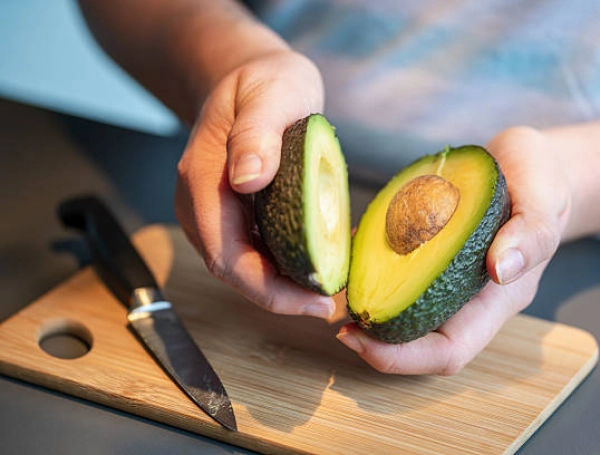
When a knife cuts through the skin and flesh of the fruit, it ruptures these cell walls. This damage exposes the previously contained enzymes to atmospheric oxygen ($O_2$). Once oxygen meets the enzyme and the natural phenolic compounds present in the avocado, a rapid chemical reaction occurs. This reaction synthesizes melanin-like pigments, producing the unappealing brown color that ruins the aesthetic of the fruit.
Why Guacamole Brown Even Faster
In the case of guacamole, the problem is compounded exponentially. Mashing the avocado breaks open a vastly higher number of plant cells, creating a massive surface area. Because the mixture is aerated during the mashing process and heavily exposed to the surrounding air, the polyphenol oxidase has maximum contact with oxygen. This causes guacamole to brown significantly faster than a clean-cut avocado half.
The Physics of the Jordi Cruz Method
Traditional methods attempt to solve this by altering the pH balance (lemon juice) or creating an oil barrier (olive oil). However, these methods have distinct flaws:
- Lemon Juice: Lowers pH to slow down the enzyme, but alters the flavor.
- Oil: Can turn rancid, alters texture, and often fails to cover microscopic air pockets.
In contrast, Cruz’s method relies on oxygen exclusion and hydration maintenance:
- The Wet Paper Towel: Water molecules fill the microscopic gaps against the avocado’s surface. Because oxygen has low solubility in water compared to its presence in open air, the wet paper drastically starves the polyphenol oxidase of the oxygen it needs to trigger the browning reaction.
- The Plastic Wrap: Serves as a vapor barrier. Without the plastic layer, the water in the paper towel would evaporate into the dry air of the refrigerator within a few hours, neutralizing the protective shield.
Official Responses and Culinary Expert Insights
While the internet is flooded with unverified kitchen hacks—ranging from keeping the pit in the bowl to floating whole avocados in bowls of water—food scientists and professional chefs have increasingly thrown their weight behind barrier-based techniques like the one popularized by Jordi Cruz.
Food safety and culinary institutions frequently weigh in on best practices for food preservation to minimize waste. Experts note that while sealing techniques are effective for aesthetic preservation, they do not halt natural microbial growth.

"The primary goal of covering an avocado with a damp paper barrier is to block oxygen, which successfully keeps the vibrant green color intact," notes a prominent food science advisory panel. "However, consumers must remember that physical barriers do not make food impervious to bacterial growth. Refrigeration remains non-negotiable, and any stored avocado or guacamole should be inspected for off-odors or spoilage signs before consumption, regardless of its color."
Professional chefs also praise the method for its neutrality. Unlike heavy applications of citrus or commercial anti-browning powders, the wet paper technique respects the natural, buttery flavor of the fruit. This makes it ideal for delicate dishes where an unintended splash of lemon juice would ruin the intended flavor profile—such as in subtle sushi rolls, mild avocado soups, or minimalist avocado toasts.
Furthermore, culinary ergonomists and kitchen safety advocates point out a secondary benefit of mastering proper preparation and storage techniques: safety. Rushing to deal with a browning avocado often leads to careless knife handling. According to global kitchen accident data, injuries sustained while hastily pitting or slicing avocados (colloquially known as "avocado hand") are remarkably common. By utilizing efficient, stress-free storage workflows, home cooks are less likely to rush hazardous knife maneuvers in frantic attempts to salvage failing produce.

Implications
The widespread adoption of practical culinary hacks like Jordi Cruz’s preservation method carries significant implications across home economics, sustainability, and modern consumer habits.
1. Combatting Household Food Waste
Avocados are among the most frequently discarded fresh produce items in modern households. Because a single avocado can brown within a few hours of being cut, consumers routinely throw away leftover halves or unconsumed portions of guacamole. By extending the edible window of the fruit, simple household tricks directly contribute to the reduction of food waste. In an era where global sustainability and household budget optimization are paramount, saving even one or two avocados a week translates to measurable financial savings and a smaller environmental footprint.
2. Shifts in Consumer Behavior and Kitchen Literacy
The virality of chef-endorsed home hacks highlights a broader cultural shift: consumers increasingly look to professional culinary figures for accessible, low-cost solutions to everyday domestic problems. Rather than relying on expensive, single-use kitchen gadgets marketed specifically for avocado preservation (such as specialized plastic pods or vacuum sealers), modern home cooks prefer utilizing items they already own—paper towels and plastic wrap. This reflects a growing appreciation for resourceful, science-backed kitchen literacy.

3. Food Safety Awareness in the Age of Social Media
As internet hacks spread rapidly across digital platforms, culinary educators stress the importance of balancing aesthetic preservation with food safety. While keeping an avocado green makes it look fresh, consumers must remain vigilant about storage durations. Combining clever tricks like Jordi Cruz’s moisture barrier with strict adherence to refrigeration guidelines ensures that food waste reduction does not come at the expense of health and safety.
Ultimately, this simple technique bridges the gap between professional restaurant science and everyday domestic cooking, proving that keeping food fresh, appetizing, and delicious doesn’t require expensive technology—just a little bit of water, plastic, and culinary ingenuity.