By Diana Vanessa Arévalo Correa (Adapted and Expanded for International Coverage)
Updated: November 20, 2026
Main Facts: The Loss of a Global Symbol
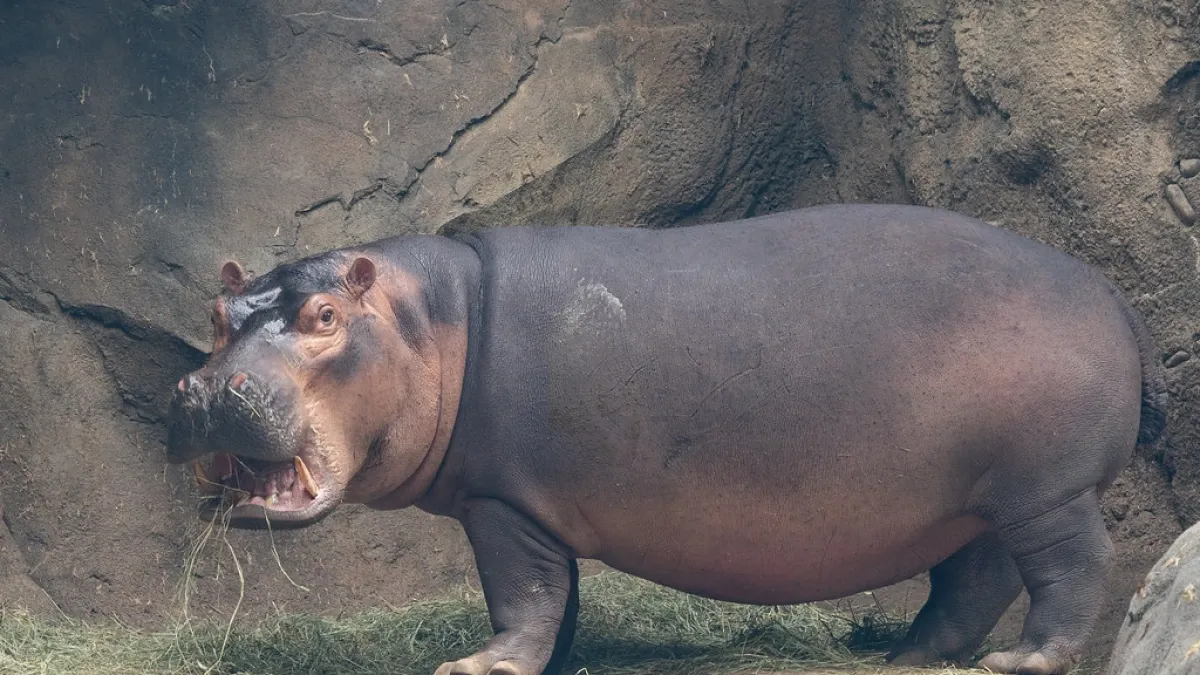
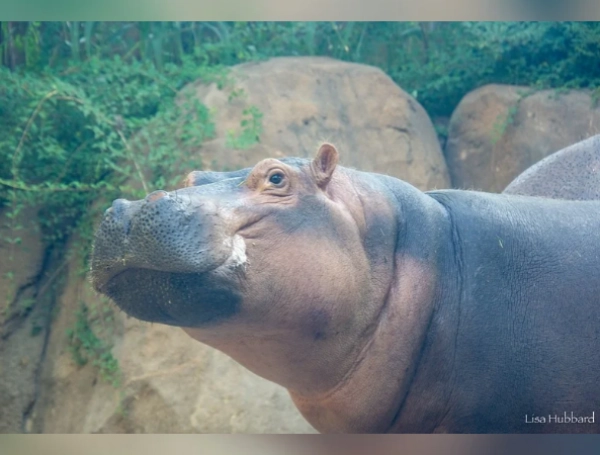
The digital world and the conservation community are in mourning following the unexpected death of Fiona, the world-famous hippopotamus whose remarkable journey from a fragile, premature birth to a global internet sensation captivated millions. Fiona passed away on Thursday, November 19, 2026, at the Cincinnati Zoo and Botanical Garden in Ohio, after veterinary teams exhausted every possible medical intervention to save her from complications triggered by an accidental ingestion.
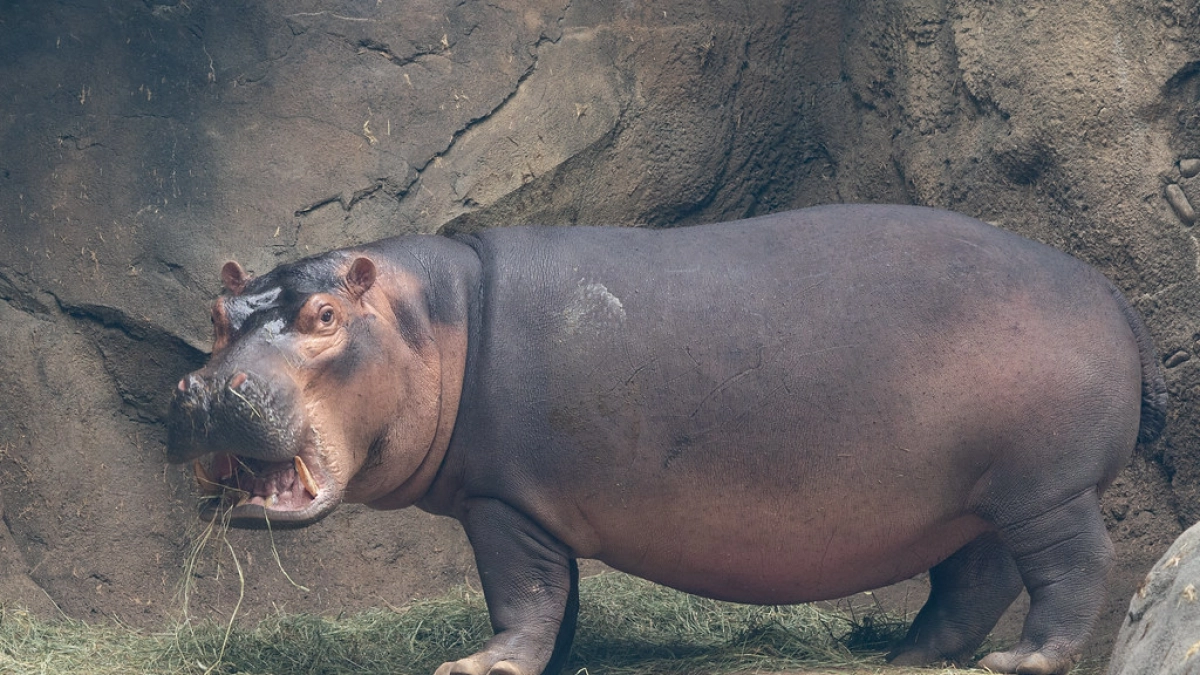
According to official statements released by the Cincinnati Zoo, Fiona’s death was the result of a freak accident approximately eleven days prior, when she ingested a knitted winter beanie that had accidentally entered her enclosure. Despite a rigorous, round-the-clock medical response led by specialized veterinarians and animal care experts, the physical toll proved insurmountable for the beloved hippopotamus. Her passing marks the end of an era for a creature who transcended the traditional boundaries of zoo animals, becoming a universal emblem of resilience, hope, and joy for people across the globe.
Chronology of a Tragedy: From Accidental Ingestion to Final Days
The sequence of events that led to Fiona’s sudden decline unfolded rapidly over a period of less than two weeks, culminating in an intensive medical battle that made headlines worldwide.

The Incident
The chain of events began when a zoo visitor accidentally launched a knitted woolen hat into the air near Fiona’s habitat. The garment landed on a ceiling fan overhead, which inadvertently propelled the fabric through a narrow architectural opening directly into the hippopotamus’s enclosure. Unaware of the foreign object’s hazards, Fiona ingested the knitted cap.
The Onset of Symptoms
In the immediate aftermath of the ingestion, Fiona displayed no outward signs of distress, leading caretakers to initially hope the object might pass harmlessly through her system. However, roughly eleven days before her death, the hippopotamus experienced a sudden and dramatic loss of appetite. This behavioral shift immediately triggered alarms among her keepers, prompting the deployment of the zoo’s emergency veterinary protocol.
Medical Interventions and Limitations
Fiona was immediately placed under continuous, 24-hour medical surveillance. Over the course of the next week and a half, veterinary specialists deployed a vast array of advanced therapeutic and diagnostic procedures designed to help her expel or break down the obstruction.
The treatment regimen included:
- The continuous administration of intravenous fluids and specialized medications.
- Frequent diagnostic examinations and targeted sedations.
- A complex colonoscopy procedure utilizing a specialized medical scope measuring approximately 2.7 meters (nearly 9 feet) in length.
Despite these exhaustive measures, performing major surgery on an adult hippopotamus remained an unviable option. Veterinary experts from the Associated Press (AP) and the zoo noted that the immense biological challenges of operating on a massive adult hippo—compounded by the profound risks associated with large-animal anesthesia and the intricate mechanics of a hippopotamus’s multi-chambered digestive system—made surgical intervention a fatal gamble in its own right.
The Final Hours
Ultimately, despite the heroic efforts of the zoo’s veterinary staff, Fiona’s body could no longer sustain the fight against the intestinal blockage and subsequent systemic complications. Dave Jenike, the director of the Cincinnati Zoo, expressed profound grief in a public statement: "Our team of animal care professionals was heroic in their efforts to save her. They did everything humanly possible, but her body simply could no longer fight."
Supporting Data: A Medical Marvel from Day One
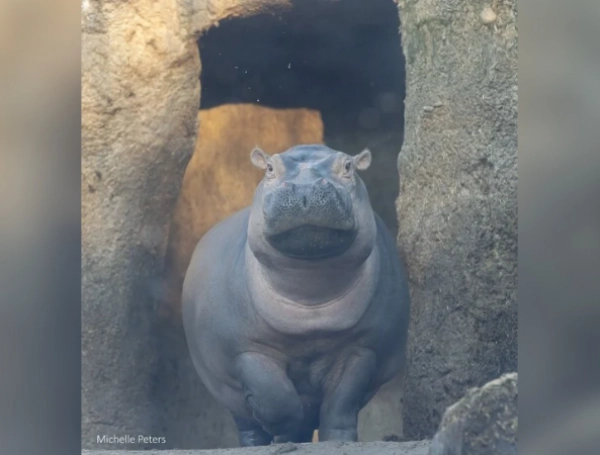
To understand the profound grief felt by her caretakers and millions of followers, one must look back at Fiona’s improbable origins. Her entire life was defined by defying the odds.
- Birth Date: January 24, 2017.
- Prematurity: Born six weeks premature at the Cincinnati Zoo.
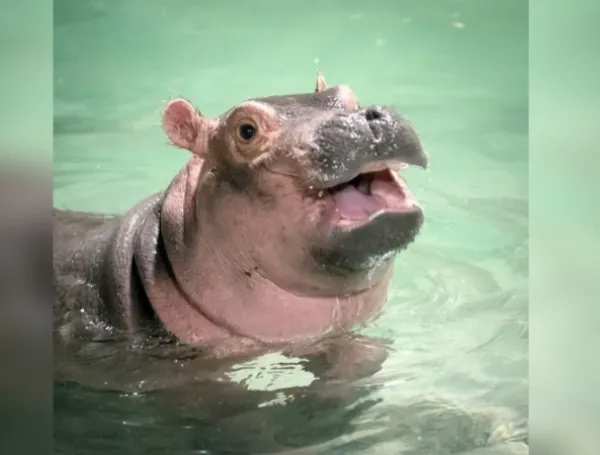
- Birth Weight: A staggering 29 pounds (13 kilograms)—roughly half the normal weight of a newborn hippopotamus, which typically ranges from 50 to 100 pounds.
- Initial Challenges: Due to her extreme prematurity, Fiona was too weak to stand on her own or nurse from her mother, Bibi. She required round-the-clock, intensive human intervention just to survive her first weeks of life.
Her extraordinary early survival story transformed her into an overnight viral phenomenon. Every milestone—her first steps, her initial weight-gain benchmarks, her first introduction to water pools, and her interactions with her mother—was documented and broadcasted to a hungry global audience through the hashtag #TeamFiona.

Official Responses and Public Outpouring
The announcement of Fiona’s death sent shockwaves through social media, drawing tributes from public figures, conservationists, and everyday citizens who had watched her grow up over nearly a decade.
Thane Maynard, executive director of the Cincinnati Zoo’s board of directors, shared a deeply emotional remembrance of the hippopotamus who put the institution on the global map:
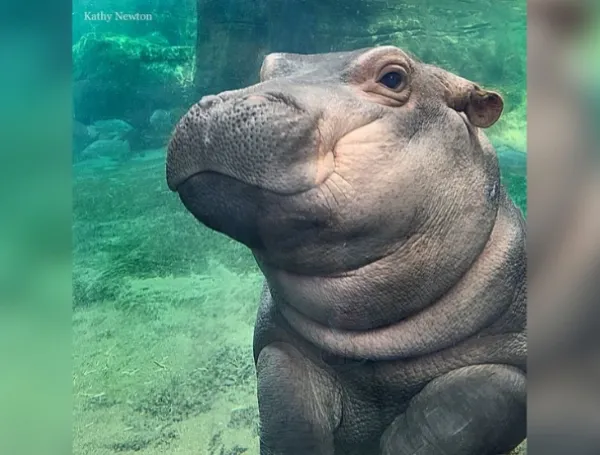
"Fiona was a true gift. I have never known an animal so universally beloved in all my life. From the day she was born, she possessed an irresistible charm. She will be remembered, cherished, and deeply missed for many years to come."
Social media platforms were quickly flooded with tributes, artwork, and photographs submitted by members of the #TeamFiona community. Many users reflected on how the tiny, struggling hippo provided emotional comfort and a sense of shared community during turbulent global events throughout the late 2010s and 2020s.

Implications: Visitor Safety, Animal Welfare, and the Legacy of "The People’s Hippo"
Fiona’s untimely death has sparked intense conversations within the global zoological community regarding guest etiquette, animal safety, and the vulnerability of captive wildlife to foreign objects.
1. Re-evaluating Enclosure Safety and Visitor Barriers
The freak accident involving the ceiling fan and the knitted cap has prompted zoos worldwide to re-examine the architectural and mechanical safety features of animal habitats. Experts point out that even with state-of-the-art barriers, unexpected variables—such as wind, mechanical propulsion, or visitor negligence—can breach the safety buffers protecting captive wildlife. Zoos are expected to face renewed pressure to increase visitor monitoring, enhance educational campaigns regarding foreign objects, and install protective netting or directional wind barriers around sensitive enclosures.
2. The Cultural and Economic Footprint of an Animal Ambassador
Fiona was much more than a resident at the Cincinnati Zoo; she was an economic and cultural engine. Her immense popularity gave rise to a sprawling merchandise empire, including children’s books, educational programs, commemorative items, and even a dedicated performance piece by the Cincinnati Ballet. She bridged the gap between zoological institutions and the general public, fostering a deeper appreciation for wildlife conservation, particularly regarding vulnerable and misunderstood species like the African hippopotamus (Hippopotamus amphibius).
3. The Psychology of Parasocial Relationships with Wildlife
Fiona’s life highlighted a modern shift in how humans interact with captive animals. Through daily video updates, live webcams, and social media storytelling, millions of people formed genuine parasocial bonds with her. Her survival against astronomical odds offered a psychological anchor of resilience for individuals facing personal hardships. Consequently, her loss is being processed by her followers not merely as the passing of a zoo animal, but as the loss of a distant friend.

Conclusion
As the Cincinnati Zoo enters a period of mourning, plans are reportedly underway to establish a permanent memorial honoring Fiona’s historic life. While her physical presence is gone, the legacy of the little 29-pound preemie who captured the world’s heart will endure. Fiona proved that strength is not merely a matter of physical size, but of the relentless will to live—a spirit that will continue to inspire generations of animal lovers and conservationists around the globe.