By Global Climate & Policy Desk
Published: September 18, 2026
Main Facts: A New Leadership Role for Global Sustainability
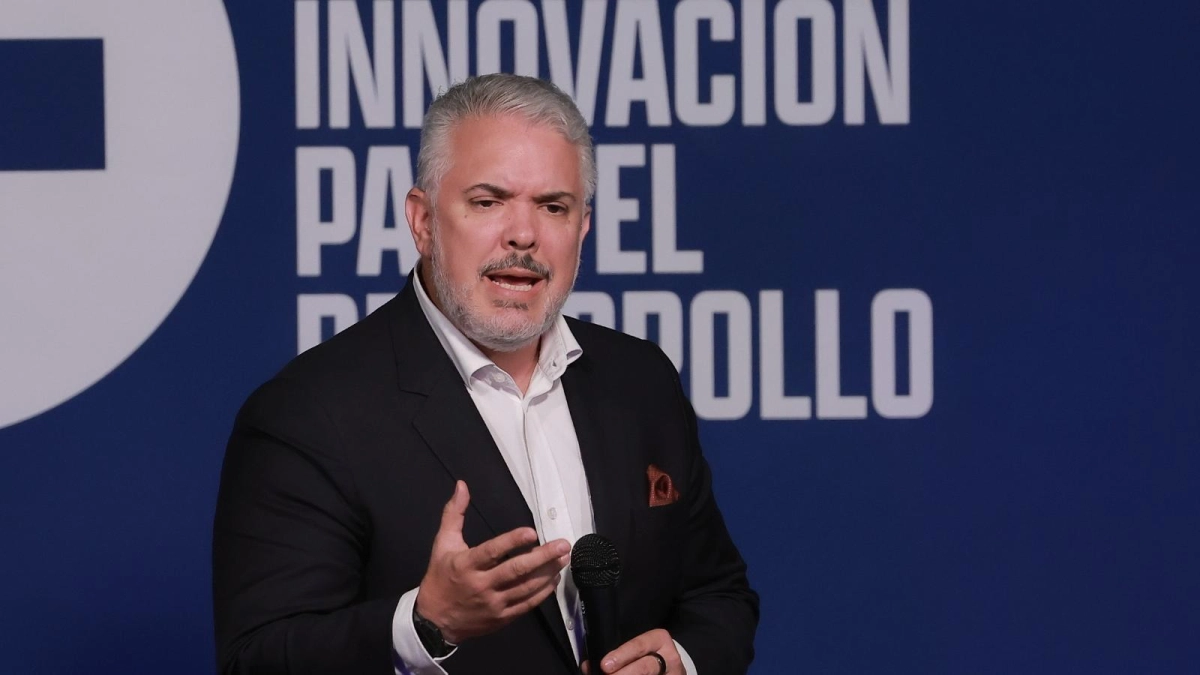
Former Colombian President Iván Duque Márquez has been officially appointed to preside over the newly established Advisory Group for the Technical Expert Panel on Carbon Accounting. This prominent global initiative is a joint effort spearheaded by the International Chamber of Commerce (ICC) and Carbon Measures.
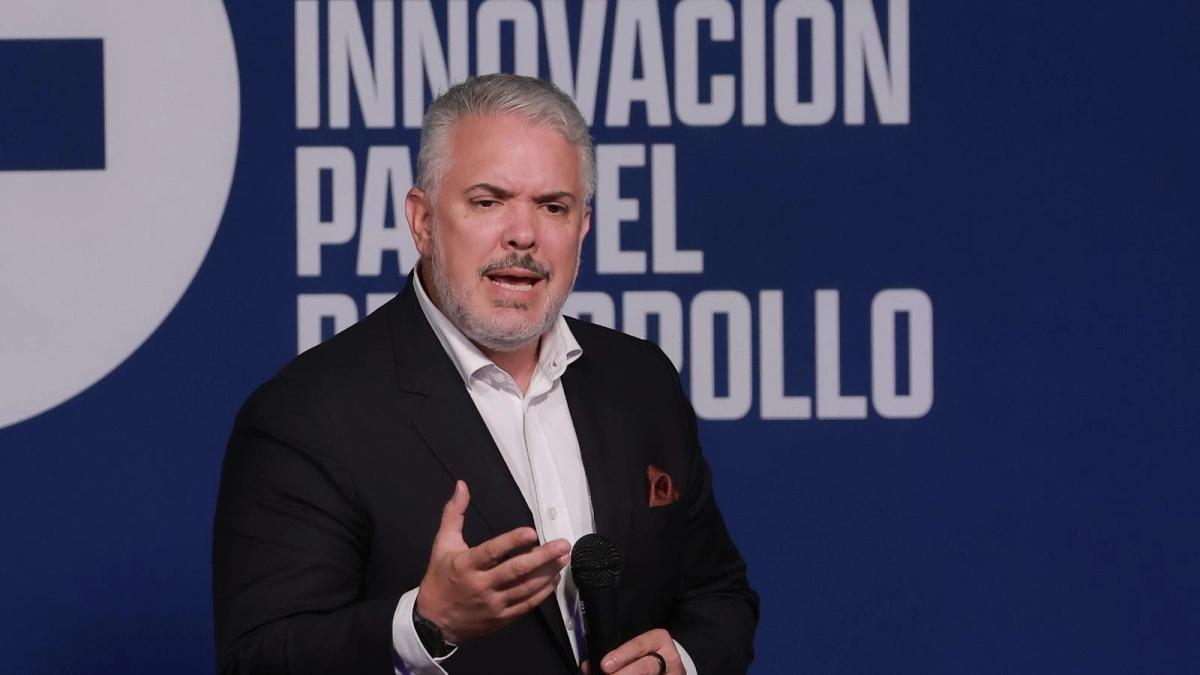
The primary objective of this high-level initiative is to pioneer a robust, universally applicable framework for measuring greenhouse gas (Gases de Efecto Invernadero – GEI) emissions across complex product lines and international supply chains. While the technical backbone is designed by independent specialists from academia, finance, industry, and civil society via the Technical Expert Panel (TEP), Duque’s newly minted Advisory Group will bridge the gap between technical methodologies and real-world implementation. The group will synthesize vital perspectives from global business executives, public policymakers, and cross-sector stakeholders to ensure the framework is practical, transparent, and scalable.
The push toward unified carbon accounting addresses a critical vulnerability in current environmental markets: the fragmentation and inaccuracy of emissions tracking. By drawing structural inspiration from traditional financial accounting, the initiative seeks to establish a ledger-based system that allows verifiable carbon data to travel securely alongside physical products and business transactions from suppliers to end consumers.

Chronology: From Presidential Climate Pledges to Global Advisory Leadership
To understand the weight of Iván Duque’s new appointment, it is essential to trace both his political trajectory regarding environmental action and the timeline of this emerging carbon accounting framework.
- 2010 – 2018 (Pre-Presidential Career): Prior to assuming the presidency of Colombia, Iván Duque builds an extensive career in multilateral finance, spending more than a decade at the Inter-American Development Bank (IADB), where he focuses on sustainable development, economic growth, and regional financing.
- August 2018 – August 2022 (The Colombian Presidency): Duque serves as the 33rd President of Colombia. During his administration, the country champions aggressive environmental commitments. Colombia formally commits to reducing its greenhouse gas emissions by 51% by the year 2030 and achieving carbon neutrality by 2050. These targets are subsequently codified into national law through the landmark Climate Action Law of 2021.
- Post-2022 (International Conservation Leadership): Leaving office, Duque remains heavily active in global climate advocacy. He collaborates with high-profile environmental initiatives and organizations, including Conservation International, the Bezos Earth Fund, and Concordia—where he spearheads the establishment of the Concordia Amazon Initiative.
- Phase 1 of the Technical Expert Panel (TEP): The ICC and Carbon Measures establish the TEP to review existing carbon accounting approaches, resulting in the drafting of core guiding principles and methodologies for product-level carbon tracking.
- September 18, 2026 (The Appointment): The ICC and Carbon Measures officially announce Iván Duque Márquez as the president of the newly formed Advisory Group, tasked with evaluating the practical viability of the TEP’s framework and expanding engagement with global enterprises and governments.
- Late 2026 and Beyond: The organizations plan to roll out the remaining members of the Advisory Group, refine sector-specific regulations, and begin pilot deployments across international trade networks.
Supporting Data & Methodology: Fixing the Flaws in Global Supply Chains
Modern international trade relies heavily on intricate global supply chains, yet measuring the true carbon footprint of an individual product remains one of the greatest hurdles in corporate sustainability. Existing tools—such as the Greenhouse Gas (GHG) Protocol and various ISO standards—provide macro-level guidance, but often fail to offer granular, transaction-level accountability.
According to data released by the ICC and Carbon Measures, the newly proposed carbon accounting framework relies on several core technical pillars:
- Prevention of Double Counting: A recurring flaw in corporate carbon accounting is the accidental duplication of emissions reporting, where multiple entities along a supply chain claim credit for reductions or attribute the same emissions footprint. The new registry-based system aims to lock emissions data to specific transactions.
- Financial-Grade Rigor: By mimicking corporate accounting standards, carbon data will be treated with the same precision as monetary capital, allowing corporations to pass verified carbon data seamlessly alongside invoices and shipping manifests.
- Data Interoperability: The framework is designed to integrate smoothly with existing regulatory structures and procurement processes, providing corporations with the legal and operational certainty required for cross-border trade.
- Actionable Recommendations: Beyond carbon numbers, the framework incorporates strict guidelines concerning data management, corporate assurance, regulatory compliance, and workforce training.
The urgency of these metrics is further underscored by independent research showing that global digital infrastructure, such as artificial intelligence data centers, and shifting political landscapes in major economies threaten to double electricity-sector carbon emissions over the next decade if standardized, transparent tracking is not universally enforced.

Official Responses: Leaders Weigh In on the Initiative
The appointment of former President Duque has drawn praise from international trade and sustainability authorities, who emphasize the necessity of combining technical accuracy with executive-level execution.
Andrew Wilson, Deputy Secretary General of the ICC:

"The designation of President Duque represents a major step forward for this initiative. His leadership and experience will help us generate deeper engagement among key stakeholders and drive a broader dialogue regarding the potential utility of a product-level carbon accounting regime featuring uniform global criteria."
Iván Duque Márquez, President of the Advisory Group:

"It is a great honor to join the team at Carbon Measures and contribute to accelerating the transition toward the highest standards in climate accounting. This will help foster more and better-quality projects while improving transparency in the mobilization of capital toward deep decarbonization."
Amy Brachio, Chief Executive Officer of Carbon Measures:

"Getting the technical work right is fundamental, but it is only half of the equation. If we want to develop a carbon accounting framework that functions in real-world supply chains, we need the active input of corporations, public policymakers, and other leaders who truly understand how these policies must be applied in practice."
Implications: What This Means for Global Markets and Policy
The creation of this Advisory Group under Duque’s leadership carries far-reaching implications for global commerce, corporate governance, and international climate policy.

1. Bridging the Private-Public Divide
One of the historical weaknesses of environmental regulatory frameworks is the disconnect between idealistic policy targets drafted by international bodies and the gritty operational realities faced by corporate manufacturers. By placing a former head of state—who is intimately familiar with legislative execution and macroeconomic realities—at the helm of the Advisory Group, the ICC and Carbon Measures are deliberately engineering a bridge between corporate boardrooms and government ministries.
2. Streamlining Green Capital Flows
For institutional investors, greenwashing remains an omnipresent risk. Financial markets are starved of verifiable, comparable data regarding how capital deployment translates into actual decarbonization. A unified, product-level carbon accounting framework backed by global business chambers will give investors the empirical certainty they need to direct billions of dollars into high-integrity climate projects, particularly in developing nations rich in natural capital like those in Latin America.

3. Future-Proofing Global Trade Against Protectionism
As major economic blocs—such as the European Union with its Carbon Border Adjustment Mechanism (CBAM)—begin penalizing imported goods based on their carbon intensity, exporters worldwide face a maze of conflicting compliance requirements. A standardized, transparent, and globally accepted methodology for tracking supply chain emissions could prevent trade wars, reduce compliance costs for small and medium-sized enterprises (SMEs), and establish a level playing field for international commerce.
As the Advisory Group rounds out its roster in the coming months, the eyes of the global environmental community will be fixed on how effectively this public-private coalition can translate high-minded climate ambitions into verifiable, operational reality.