By Edwin Caicedo
Environment and Health Journalist
September 28, 2026
Main Facts
In a remarkable paleontological discovery that pushes back our understanding of modern amphibian evolution, two young science interns from Chicago’s Field Museum have formally described a brand-new species of proto-amphibian. Named Jeanerpeton mazonensis, the creature roamed the swampy, lush delta that is present-day Illinois approximately 309 million years ago—long before the first dinosaurs walked the Earth.
The findings, published in the prestigious Journal of Vertebrate Paleontology, shed light on the ancestral roots of modern frogs and salamanders. Morphologically, the ancient creature has been compared to a salamandra, yet it possessed a much lower, more robust, and stockier body plan reminiscent of a modern frog.
The species was identified from an exceptionally well-preserved fossil unearthed in Mazon Creek, a fossil deposit globally renowned for capturing delicate soft tissues and minor anatomical features that are typically lost to deep time. What makes the discovery even more poignant is the scientific naming: Jeanerpeton mazonensis honors the mothers of the two lead young researchers, both of whom are named Jean.

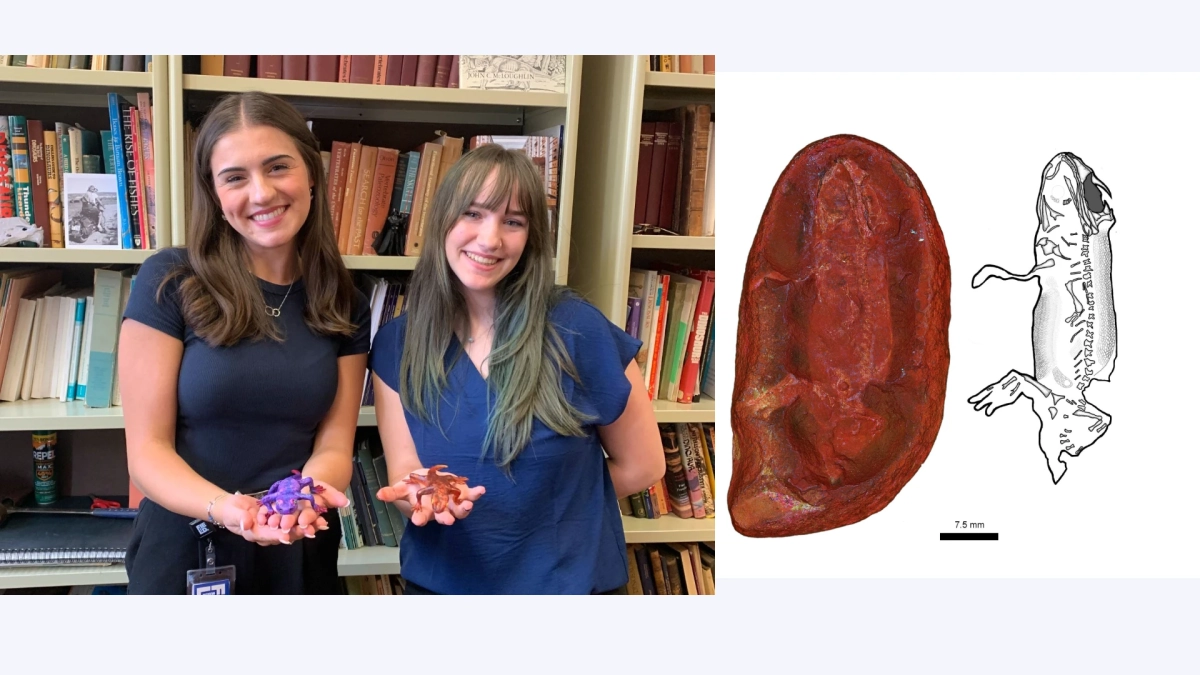
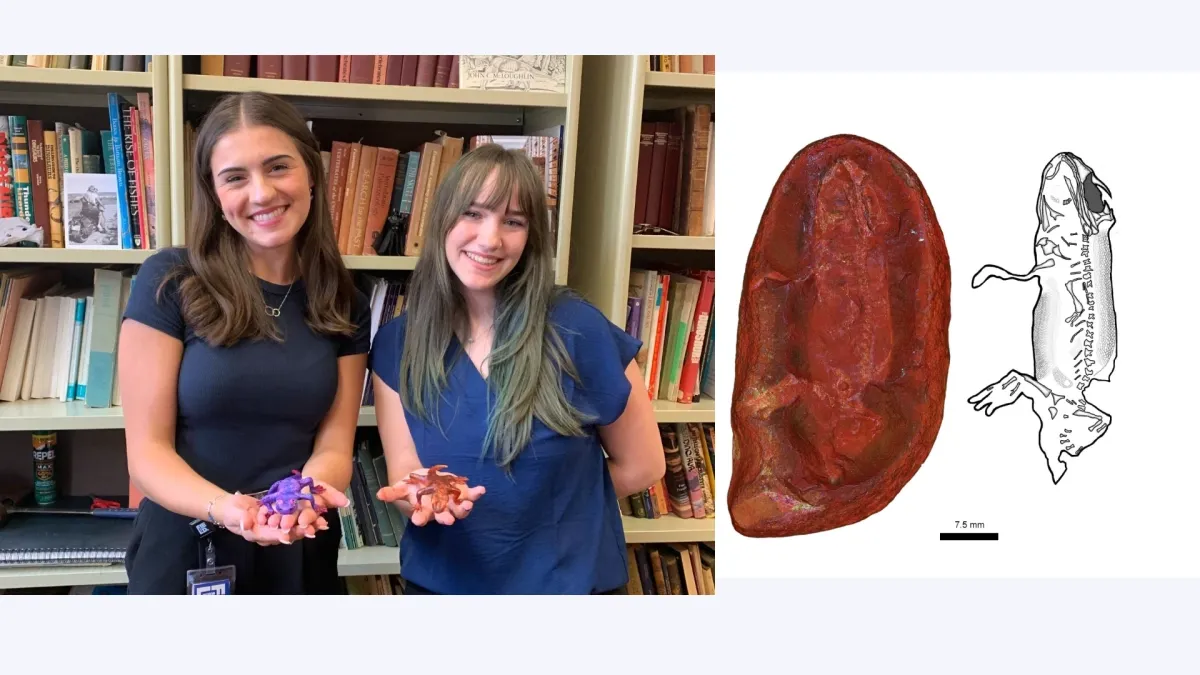
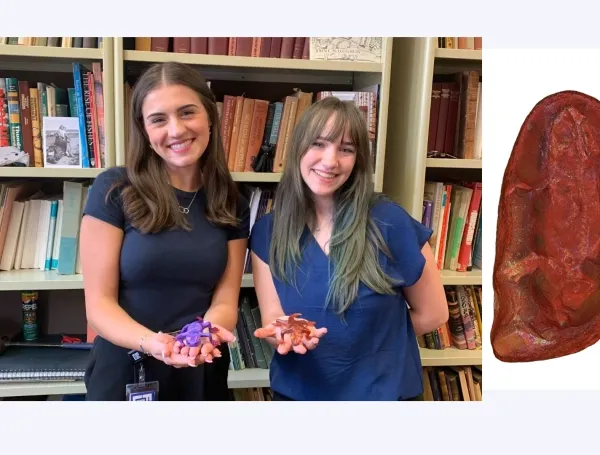
Working under the guidance of Dr. Arjan Mann, assistant curator of fossil fishes and early tetrapods at the Field Museum’s Negaunee Integrative Research Center, co-lead authors Allison Sefcovic and Payton Kohlberg spearheaded the study. Their triumph not only redefines a corner of Paleozoic taxonomy but also highlights the vital role of diversity and mentorship initiatives in modern scientific institutions.
Chronology: From Ancient Swamp to Museum Drawer
To understand the magnitude of the Jeanerpeton mazonensis discovery, paleontologists must look back more than three centuries of millions of years, tracing a timeline from active Carboniferous ecosystems to modern laboratory analysis:

- ~309 Million Years Ago (The Carboniferous Period): The region that is now northern Illinois is a sprawling, tropical delta filled with dense swamp forests, bizarre giant insects, early land-dwelling tetrapods, and diverse aquatic life. Among these organisms scurries a small, stout proto-amphibian, navigating the muddy banks and shallow waters.
- Rapid Fossilization Event: As plants and animals perish in the dynamic delta, swift deposits of river-borne sediments bury the organic matter rapidly. This sudden entombment cuts off oxygen, preventing decay and initiating a rare type of mineral replacement that preserves soft tissues, such as skin outlines and muscle impressions.
- Decades Ago (The Amateur Discovery): An amateur fossil collector uncovers the remarkable specimen in the famed Mazon Creek fossil beds. Recognizing its significance, the finder donates the fossil to the Field Museum.
- The "Waste Basket" Misclassification: Initially, due to overarching similarities with known specimens from the same epoch, museum curators and early handlers catalog the fossil under a broad, catch-all classification: Amphibamus grandiceps. For years, the specimen sits in museum archives alongside other ambiguous tetrapods, awaiting closer inspection.
- 2025 (The Catalyst): University students Allison Sefcovic and Payton Kohlberg join the Field Museum’s competitive Women in Science Interns program. Placed in the Mann Lab, they begin reviewing historical collections to see if any misidentified or overlooked specimens are hiding in plain sight.
- September 2026 (Formal Publication): Following extensive anatomical analysis, micro-CT scans, and comparative studies, Sefcovic, Kohlberg, and postdoctoral researcher Cam So publish their findings. They officially rescue Jeanerpeton mazonensis from the "waste basket taxon," granting the animal its own unique species status.
Supporting Data: The Miracles of Mazon Creek
Mazon Creek is not merely another fossil site; it is a Konservat-Lagerstätte—a paleontological term for a sedimentary deposit exhibiting extraordinary fossils with preserved soft parts or details not normally fossilized.
During the Carboniferous period, ironstone concretions formed rapidly around decaying organisms in the Mazon Creek delta. These hard, mineral nodules sealed the biological remains inside a protective capsule before decomposition could destroy fragile anatomical systems.
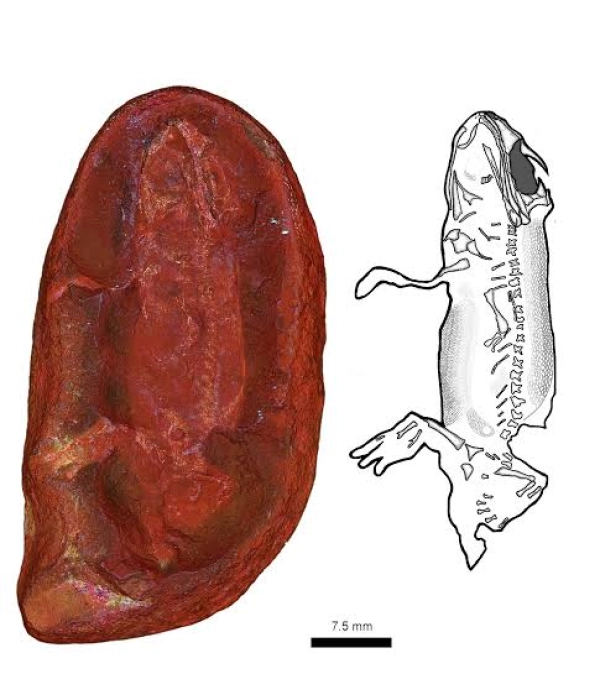
When the researchers examined the fossilized remains that would become Jeanerpeton mazonensis, they encountered a level of preservation rarely seen in vertebrate paleontology from this epoch. Key data points retrieved from the specimen include:
- Dorsal Scales: Traces of specialized scales lining the creature’s back.
- Gastralia ("Belly Ribs"): Intricate, small skeletal structures embedded in the ventral body wall that provided internal support before true ribs fully evolved to protect visceral organs.
- Soft-Tissue Impressions: Clear outlines of the creature’s body contours, eye impressions, and remarkably distinct toe pads.
These features provided the research team with undeniable proof that the specimen was anatomically distinct from Amphibamus grandiceps, proving that the diversity of Carboniferous tetrapods has been severely underestimated due to historical lumping practices.

Official Responses and Perspectives
The discovery of Jeanerpeton mazonensis has generated immense excitement within the scientific community, particularly regarding the collaborative efforts of early-career researchers and museum leadership.
Dr. Cam So, a postdoctoral researcher at the Field Museum and co-author of the study, emphasized how common the "waste basket taxon" problem is in historical museum archives.

"What we’re finding in the Field Museum collection is a bunch of things that historically were lumped into this waste basket taxon known as Amphibamus grandiceps," Dr. So explained. "Jeanerpeton was one of those specimens. The new analysis allowed us to pull together sufficient morphological evidence to establish it as a completely distinct animal."
Allison Sefcovic, co-lead author and a 2025 participant in the Field Museum’s Women in Science Interns program, spoke about the unique advantages of studying Mazon Creek fossils:
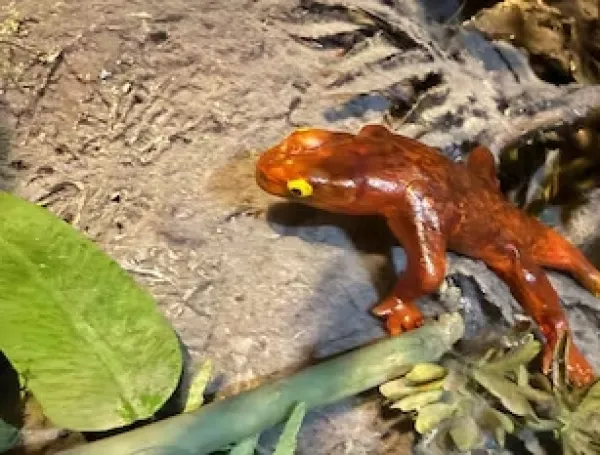
"What’s really cool about Mazon Creek is that it preserves all these unusual details, like toe pads and body outlines," Sefcovic noted.
Reflecting on the psychological hurdles of stepping into high-level academic research as an undergraduate student, Payton Kohlberg shared her personal journey:

"Before working in the Mann Lab, I didn’t know much about paleontology," Kohlberg admitted. "It is scary to take on a project when you feel like you don’t know as much as you should, but I learned through my hands-on experience that you can overcome that fear with hard work."
Implications for Science and Evolution
The formal description of Jeanerpeton mazonensis carries several critical implications for both evolutionary biology and museum science:
1. Rewriting Amphibian Evolution
By pushing the origin of specific anatomical traits back to roughly 309 million years ago, evolutionary biologists gain a sharper picture of how aquatic vertebrates transitioned to terrestrial life. Understanding the proto-amphibian body plan helps bridge the evolutionary gap between ancient fish-like tetrapods and the specialized anatomy of modern lissamphibians (frogs, salamanders, and caecilians).
2. Revitalizing Museum Collections
The study serves as a powerful reminder that natural history museums are active frontiers of discovery. Millions of specimens collected decades or even centuries ago sit in drawers, awaiting modern analytical techniques (such as high-resolution imaging, CT scanning, and cladistic software). By revisiting "waste basket taxa," modern researchers are uncovering hidden biodiversity without ever needing to dig in the field.

3. Fostering the Next Generation of Scientists
By placing young interns—specifically women underrepresented in historical paleontological records—at the helm of a major species discovery, the Field Museum’s Women in Science Interns program has proven its efficacy. Projects like this dismantle barriers to entry in STEM fields, proving that undergraduate researchers can make monumental contributions to global scientific literature when provided with institutional support, mentorship, and access to world-class collections.
As Jeanerpeton mazonensis takes its rightful place in scientific taxonomy, it ensures that the mothers of Sefcovic and Kohlberg—both named Jean—will forever be linked to the prehistoric swamps of ancient Illinois.