By Edwin Caicedo, Environmental and Health Correspondent
Antalya, Turkey – November 17, 2026
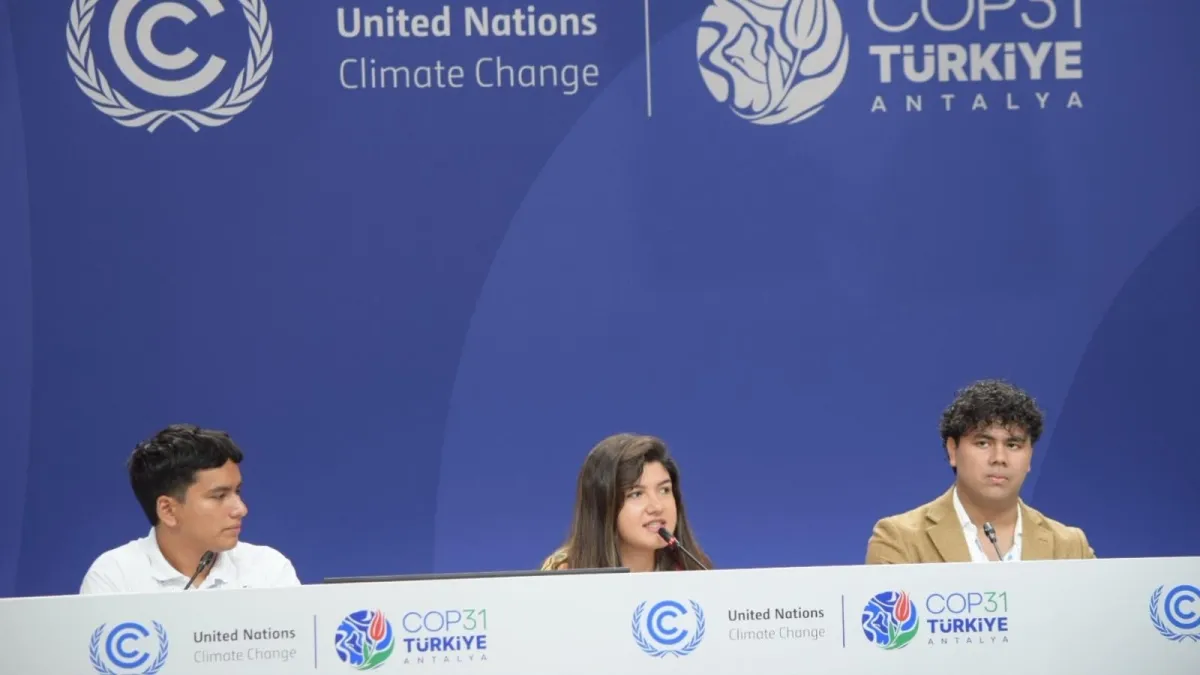
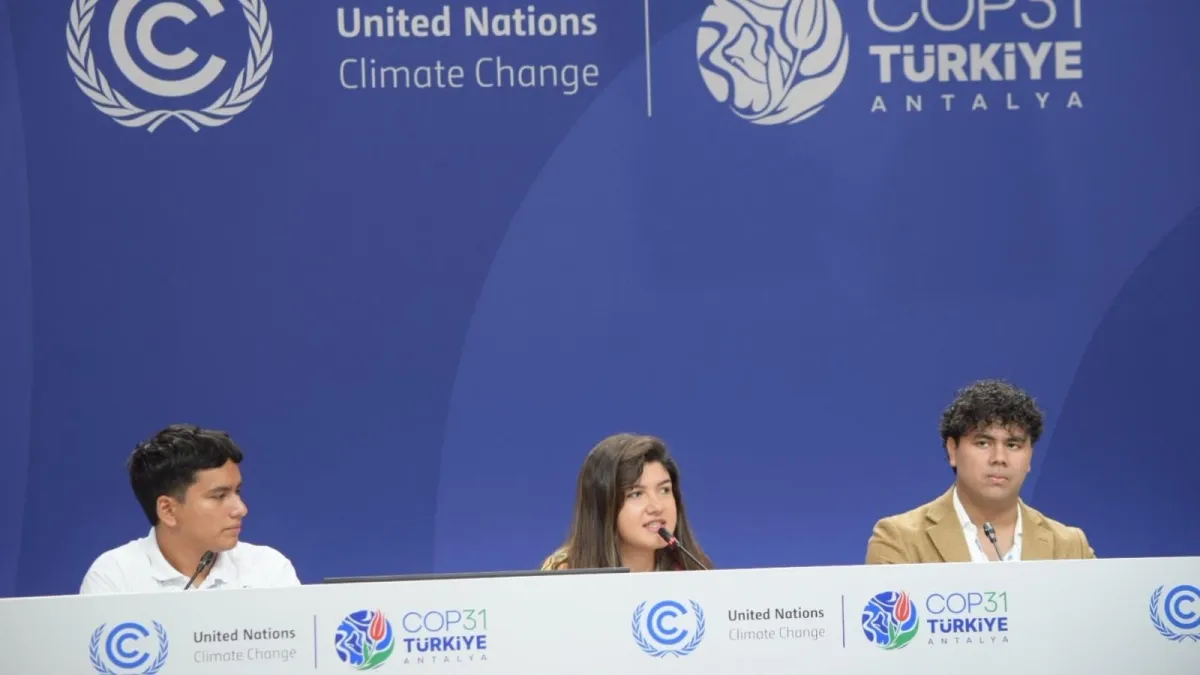
The international climate stage of COP31, currently unfolding in the coastal city of Antalya, Turkey, has become the focal point for an intense geopolitical confrontation regarding the fate of the Colombian Amazon. In a high-stakes demonstration of youth-led activism, a global coalition of indigenous representatives and local community leaders from Latin America, Asia, and Africa has issued a formal, urgent demand to the Colombian government: immediately reinstate and fortify legal protections for the Amazon basin against the encroaching threats of mining and oil extraction.

The mobilization, spearheaded by the "Youth Defending Territories and Demanding Climate Justice" movement—an initiative of the Global Alliance of Territorial Communities (GATC) in partnership with the organization Life of Pachamama—underscores a growing rift between state-led "green transition" policies and the lived realities of those inhabiting the world’s most critical carbon sinks.
The Core Conflict: A Regulatory Vacuum
The current diplomatic friction stems from the Colombian government’s decision to rescind a landmark administrative measure that had previously banned all new oil and mining exploration and exploitation projects across the entire Colombian Amazon. The government justified the rollback by citing the need to finalize mandatory consultation processes with local Afro-Colombian communities—a procedural necessity under national law.
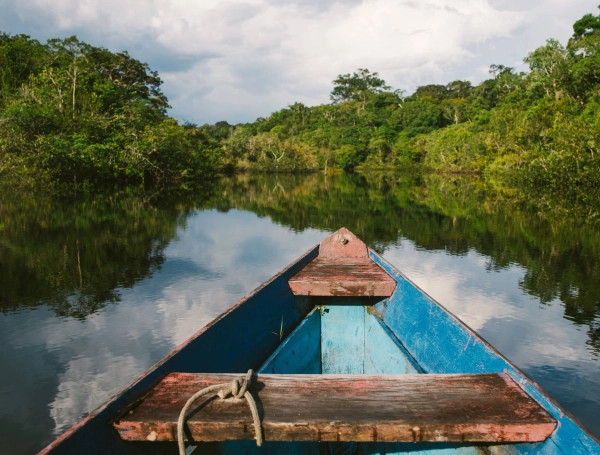
However, environmental advocates and youth leaders argue that the withdrawal of the ban has created a dangerous legal "no man’s land." While the state claims this pause is temporary, activists argue that the lack of an active protective framework leaves the region hyper-vulnerable to corporate exploitation. They contend that the consultation process should not, under any circumstances, be used as a pretext to leave the rainforest undefended against extractive interests.
Chronology of the Crisis
- 2025: The environmental climate reaches a boiling point as 297 formal applications for mining titles are filed within the Colombian Amazon territory, signaling a massive surge in industrial interest.
- Early 2026: The Colombian government initiates a policy shift, adjusting its regulatory stance on mining and oil, ostensibly to align with national energy security and economic goals, leading to the repeal of the blanket moratorium on extraction in the Amazon.
- Mid-2026: Tensions rise as civil society groups demand clarity on the "mineral-critical" agreement signed between the United States and Colombia, which facilitates the extraction of rare earth minerals deemed necessary for the global green energy transition.
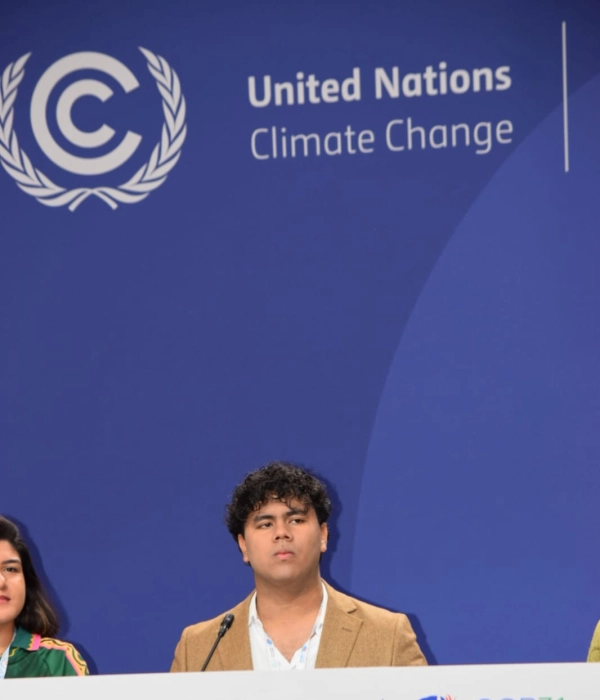
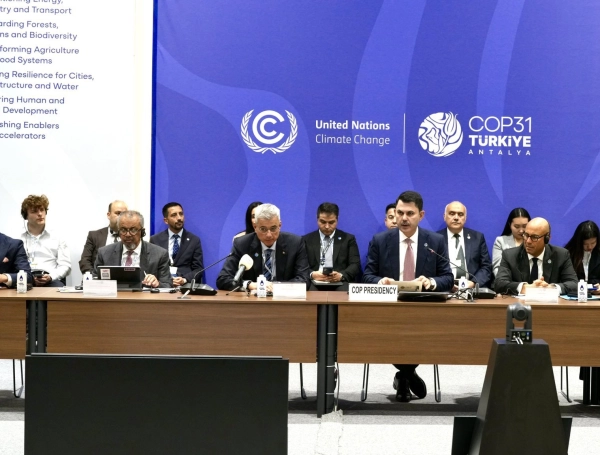
- November 9–20, 2026: COP31 in Antalya serves as the global platform for youth leaders to voice their opposition to the government’s current stance, resulting in a formal legal challenge filed by Life of Pachamama with the Colombian Council of State.
The "Green" Paradox: Minerals and Transnational Interests
A significant portion of the discourse at COP31 has focused on the inherent contradiction in current global climate policies. The demand for "critical minerals"—cobalt, copper, and lithium—has skyrocketed as industrialized nations pivot toward electric vehicles and renewable energy storage.

Juan David Amaya, founder of Life of Pachamama, delivered a stinging critique of this "green extraction" model during the summit. "What happens in the Amazon does not stay in the Amazon," Amaya stated. "This forest regulates the rainfall cycles for all of South America and serves as a global climate stabilizer. By prioritizing the extraction of minerals for the energy transition of the North, we are essentially sacrificing the very ecosystem that sustains life on the continent."

The concern is not limited to Colombia. Representatives from the Democratic Republic of the Congo, such as Merlin Mbula Malonga of the Repaleac network, highlighted how the global rush for cobalt and copper in Africa has resulted in the same cycle of displacement, violence, and environmental degradation that now threatens the Amazon. "We cannot accept a ‘green’ transition that is built on the ruins of our ancestral lands," Malonga told reporters. "Youth should not inherit contaminated landscapes in the name of a climate solution."

Official Demands: A Three-Point Roadmap
The coalition presented the Colombian administration with three non-negotiable requirements to ensure the long-term survival of the biome:

- A Binding Calendar for Consultations: The government must provide a definitive, transparent timeline for the completion of the consultation process with Afro-Colombian and indigenous communities. The indefinite nature of the current process is seen as a tactical delay that favors extractive corporations.
- A New, Strengthened Regulatory Shield: The government is called upon to draft a successor to the rescinded ban—one that is more robust, legally ironclad, and built in collaboration with the inhabitants of the territory. This measure must move beyond temporary executive orders and be grounded in constitutional protections.
- Transparency on Critical Mineral Agreements: The state must clarify which specific zones of the Amazon are protected under the bilateral mineral agreement with the United States. The coalition is demanding an explicit "no-go" map that removes any ambiguity regarding potential mining in protected areas.
Implications for Climate Justice
The legal action taken by Life of Pachamama before the Colombian Council of State is significant. It seeks to establish a judicial precedent where the government is legally obligated to maintain a "precautionary status quo" while dialogue with communities is ongoing. If successful, this could set a global standard for how nations handle territorial disputes during the transition to renewable energy.
The implications for the current administration are profound. President Gustavo Petro, who has historically campaigned on an anti-extractivist platform, now faces the scrutiny of his most loyal constituents: the youth and indigenous movements. The message delivered at COP31 is clear: the administration’s environmental legacy will not be defined by its international rhetoric, but by its willingness to reject the lure of short-term mining revenue in favor of long-term ecological stability.

"In fifty years, nobody will remember how many mining titles were granted," Amaya noted during his closing remarks. "They will remember who had the courage to protect the Amazon. We are here, and the forest cannot wait."

The Role of Global Youth in Policy Making
As the summit continues in Turkey, the collective voice of these young leaders is shifting the narrative. They are no longer content to be mere observers or participants in side-panels; they are effectively acting as policy watchdogs. By utilizing international forums like COP31, these groups are forcing domestic issues into the global spotlight, making it increasingly difficult for national governments to ignore the demands of their own citizens.

The solidarity between the Amazonian youth and their counterparts in the Congo Basin highlights a broader, interconnected struggle. Both regions are the primary victims of a global economic system that treats ecosystems as "resources" rather than "life-support systems." As the climate crisis intensifies, the pressure on the Colombian government to act will only mount. The question remains whether the state will choose to prioritize the short-term economic metrics demanded by international markets, or if it will align itself with the global movement that views the protection of the Amazon as the ultimate act of climate leadership.

For now, the world watches as the Colombian delegation navigates these demands, knowing that the outcome of these negotiations will reverberate far beyond the borders of Antalya. The youth have set the terms: protect the territory, honor the communities, and prioritize the planet over the profits of the energy transition.