By Edwin Caicedo | Environmental and Health Correspondent
September 22, 2026
Colombia’s natural heritage is facing an unprecedented ecological crisis as a series of aggressive wildfires tear through some of the nation’s most vital protected areas. Parques Nacionales Naturales de Colombia (PNN), in conjunction with national and regional disaster relief agencies, is currently engaged in a desperate battle to contain flames across three distinct departments: Boyacá, Tolima, and Valle del Cauca.
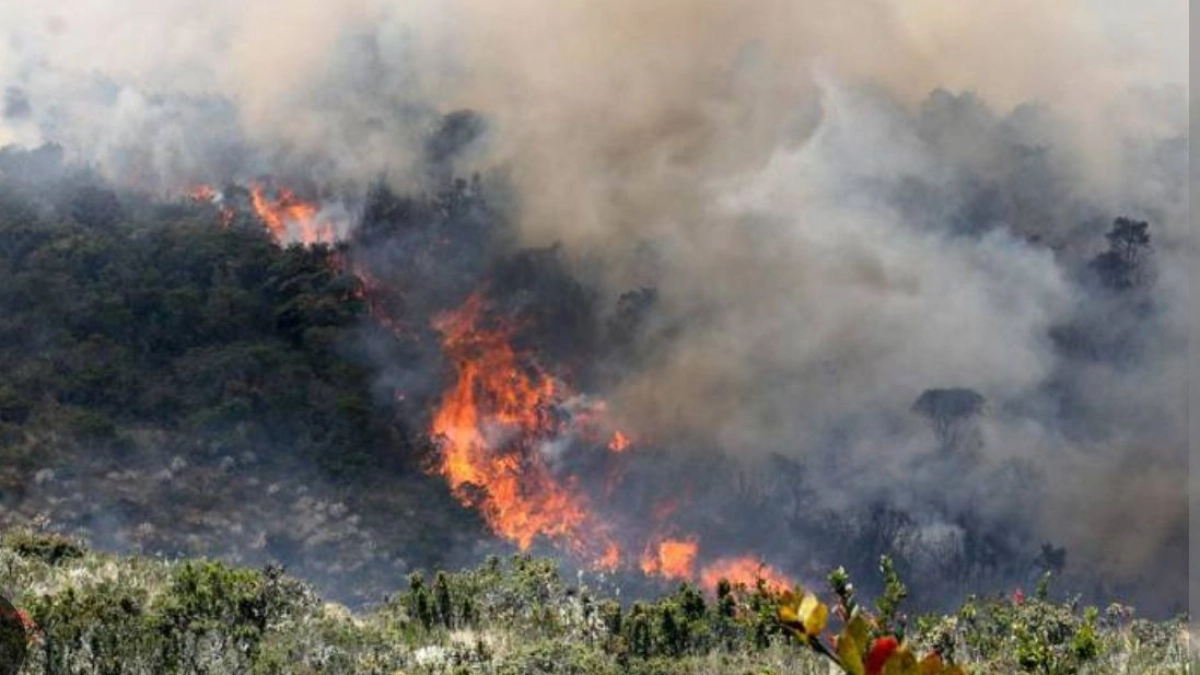
The situation, which has escalated rapidly over the past 72 hours, underscores the extreme vulnerability of high-altitude ecosystems and tropical forests to climate-driven fire threats. While one blaze has been successfully extinguished, two remain active, demanding a massive, multi-agency mobilization of guardaparques, specialized firefighting units, and aerial support.
The Epicenter: The Santuario de Fauna y Flora Iguaque
The most alarming situation currently unfolding is within the Santuario de Fauna y Flora Iguaque, located in the department of Boyacá. This area, revered for its unique Andean biodiversity, has become the focal point of a massive emergency response.

Chronology of the Iguaque Disaster
The fire was first detected on September 19, 2026, at the Cerro San Marcos, a high-altitude peak adjacent to the sanctuary’s boundary. Despite immediate attempts by local authorities to create firebreaks, the arid conditions and strong winds common to the region caused the blaze to jump containment lines. By September 20, the fire had breached the protected borders of the Iguaque sanctuary.
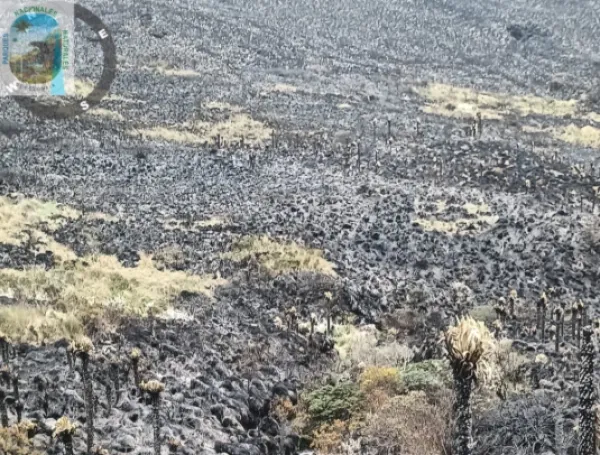
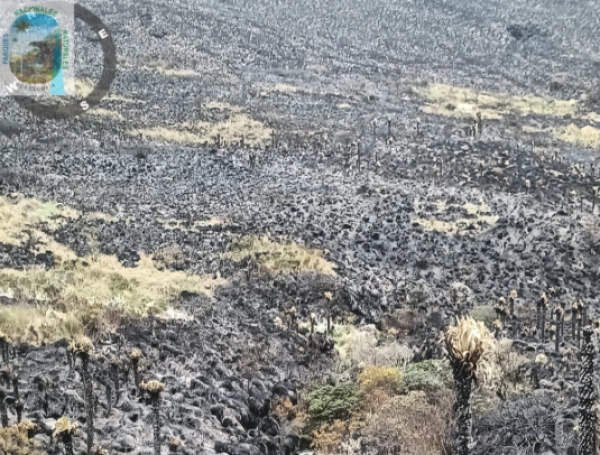
The spread was swift and destructive. Initial satellite and ground assessments suggest that approximately 1,200 hectares of land have been charred. Of this total, it is estimated that 720 hectares lie within the core of the protected area itself, threatening the delicate equilibrium of this high-Andean sanctuary. The vegetation lost is primarily comprised of native herbazals and scrubland, which are critical for water retention in the region.

A Massive Inter-Institutional Response
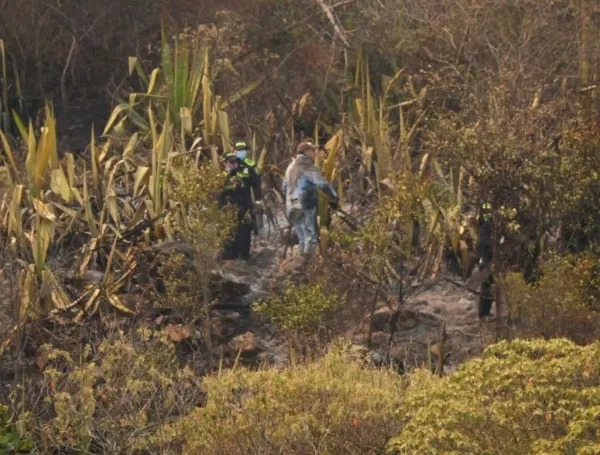
The scale of the threat prompted an immediate escalation of resources. Currently, more than 250 personnel are on the ground, representing a coalition of the Red Cross, 12 distinct municipal fire departments, and the national park’s specialized forest fire brigades.
The operation was bolstered overnight when 15 additional expert guardaparques were deployed from the Tamá, Pisba, Chingaza, and Guanentá Alto Río Fonce parks to reinforce the front lines. Furthermore, the Fuerza Aeroespacial Colombiana (Colombian Aerospace Force) and the National Army have provided vital aerial support, utilizing specialized aircraft to drop water and suppress hot spots that are inaccessible to ground crews.

Controlled Victory: The Case of Los Nevados
While the outlook in Boyacá remains grim, there is a glimmer of hope from the high peaks of the Andes. In the Parque Nacional Natural Los Nevados, located in the department of Tolima, a fire that threatened the fragile paramo ecosystem has been declared fully controlled and liquidated.
The Heroic Effort at 4,200 Meters
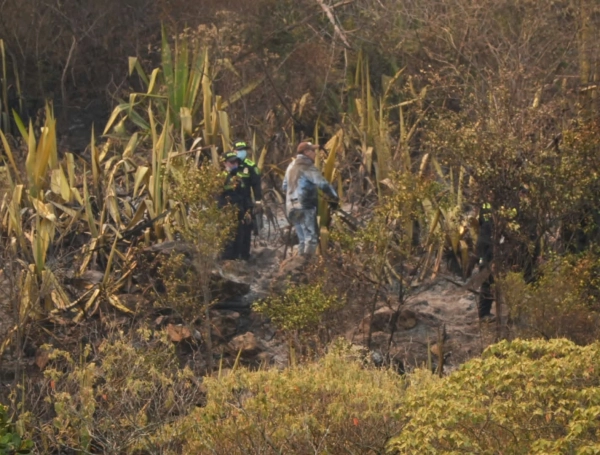
The emergency in Los Nevados, specifically in the "El África" sector, began on September 19. The challenge here was not just the fire, but the geography. To reach the site, located at an elevation of 4,200 meters above sea level, a team of three elite guardaparques had to undertake a grueling logistical feat.
The journey began in the municipality of Santa Isabel, requiring a two-and-a-half-hour drive to the trailhead, followed by an arduous eight-to-ten-hour trek on horseback to reach the remote blaze. Working through the night and into the following morning, the team manually extinguished the flames and cleared smoldering debris. Their success in this high-altitude, low-oxygen environment prevented what could have been a catastrophic loss of paramos, which act as the primary water sources for millions of Colombians.
The Ongoing Threat in Las Hermosas
In the Valle del Cauca department, the battle is far from over. The fire in the vicinity of the Parque Nacional Natural Las Hermosas, near the town of Buga, has been active since September 20. According to the National Directorate of Firefighters, the blaze is currently 70 percent contained, but the remaining 30 percent remains highly volatile.
Strategy and Deployment
To prevent the fire from encroaching further into the protected zone of Las Hermosas, PNN has mobilized nine specialized units, comprising five members from the Farallones de Cali park and four from the Las Hermosas team. Their primary directive is to establish a defensive perimeter that stops the fire’s expansion. The proximity of these flames to the protected area remains a top priority for environmental authorities, who are coordinating closely with the local fire department to ensure that the ecological integrity of the reserve is maintained.
Supporting Data: Assessing the Environmental Toll
The true extent of these disasters will not be known for several weeks. PNN and the regional environmental authority, Corpoboyacá, have initiated a comprehensive damage, loss, and environmental needs assessment.

Key Metrics and Impacts:
- Total Estimated Area Affected (Iguaque): 1,200 hectares.
- Protected Area Impact (Iguaque): 720 hectares (approx. 60%).
- Primary Ecosystems at Risk: High-Andean forests, paramos, and endemic herbazals.
- Species at Risk: The fire threatens iconic and endangered species, including the Frailejón Tunjano, the Venado Soche (Soche deer), and the rare Lepanthes bachue orchid.
- Water Security: These ecosystems serve as essential "water factories." The destruction of the vegetation cover significantly increases the risk of soil erosion and water scarcity for surrounding communities.
Official Responses and Legal Implications
The Colombian government has maintained a high-alert status. The Ministry of Environment has warned that these fires are not merely "accidents" but are often the result of human negligence or intentional illegal activity.
Legal Consequences
Under current Colombian law, individuals found responsible for sparking forest fires—whether through illegal land clearing, agricultural burning, or criminal negligence—face severe judicial consequences. The Attorney General’s Office has been tasked with investigating the origins of the Iguaque and Las Hermosas fires to determine if criminal charges are warranted. The message from the authorities is clear: the destruction of protected public assets will be prosecuted to the fullest extent of the law.
The Human Element
The crisis has once again highlighted the reliance on volunteer firefighters and the small, underfunded teams of park rangers. Experts are calling for an increase in the national budget for wildfire prevention and the modernization of equipment for the National System of Protected Areas. As climate change continues to increase the frequency of extreme weather, the ability to rapidly detect and suppress fires is becoming a matter of national security.
Looking Ahead: A Fragile Future
The events of September 2026 serve as a stark reminder of the volatility of Colombia’s natural landscapes. As of the time of this reporting, efforts to finish the job in Las Hermosas and to conduct final monitoring in Iguaque and Los Nevados remain the priority.
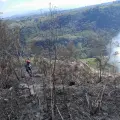
The recovery of these areas will be a long process, potentially requiring reforestation efforts and years of ecological monitoring to ensure that the biodiversity lost to the flames can eventually return. For now, the eyes of the nation remain on the brave men and women who continue to put their lives at risk, battling the elements to safeguard the lungs and water supplies of the country.
Stay tuned for updates as this developing story continues. For real-time information, follow our environmental bulletins via our digital platforms and newsletter.