By Pedro A. Sánchez
International Desk
The global meteorological community is on high alert as the world faces the rapid intensification of a climatic phenomenon that experts are now classifying as a "Super El Niño." Following a period of aggressive development that began in early August 2026, the oceanic and atmospheric event is projected to reach its peak intensity toward the end of the year. Data provided by the United States National Oceanic and Atmospheric Administration (NOAA) suggests that the current cycle is not merely a standard variation of the El Niño-Southern Oscillation (ENSO), but an event of potentially unprecedented proportions.
According to the latest projections released on September 10, 2026, there is a staggering 75% probability that this specific iteration of the phenomenon will reach "historic" status. NOAA analysts have noted that if current trends hold, the period between October and December 2026 could witness an event exceeding the strength of any recorded El Niño since consistent monitoring began in 1950. Just a month prior, the probability of such an extreme outcome was estimated at 69%, indicating a rapid and concerning escalation in the models.
A Natural Force with Unnatural Consequences
El Niño is a periodic, natural climate cycle characterized by the warming of surface waters in the central and eastern equatorial Pacific. Occurring roughly every two to seven years, it functions as the warm phase of the ENSO cycle. When these waters heat up, they fundamentally alter the global exchange of heat between the ocean and the atmosphere, shifting wind patterns, atmospheric pressure, and precipitation cycles across the planet.

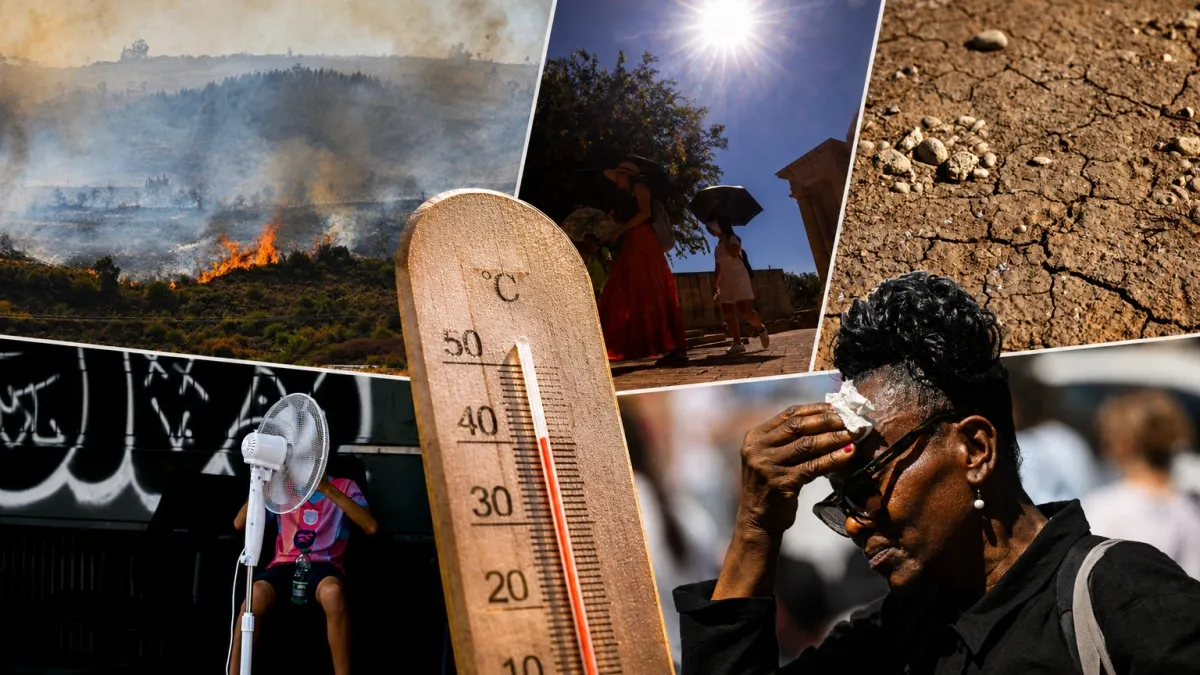
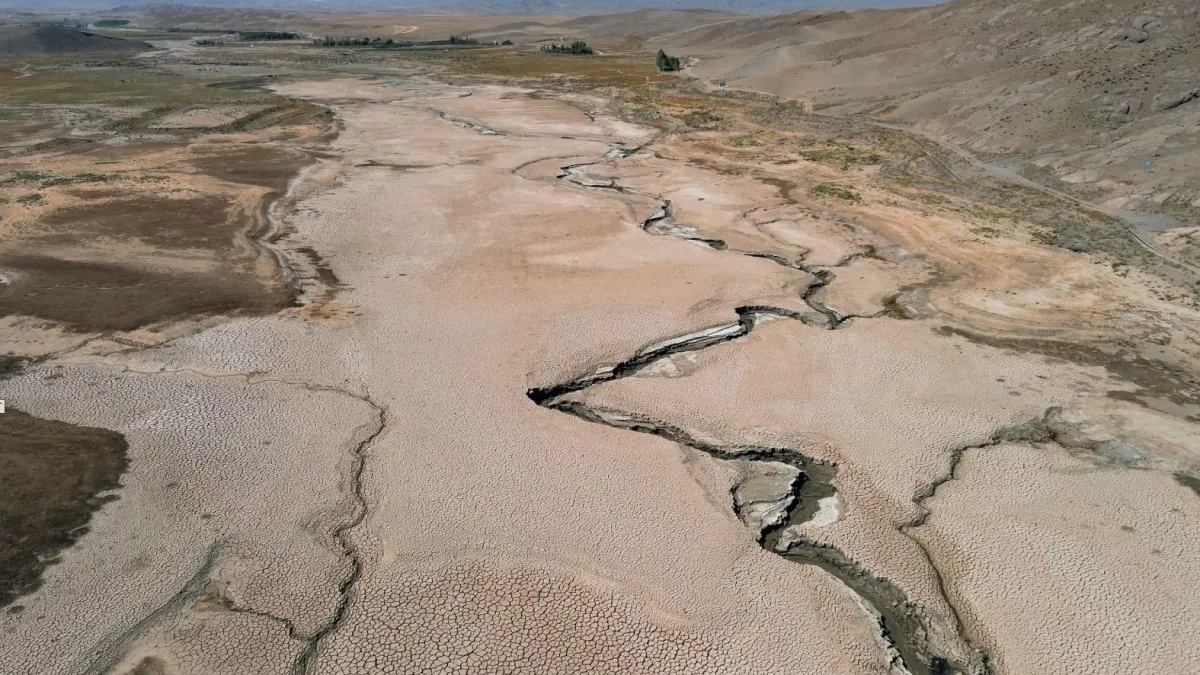
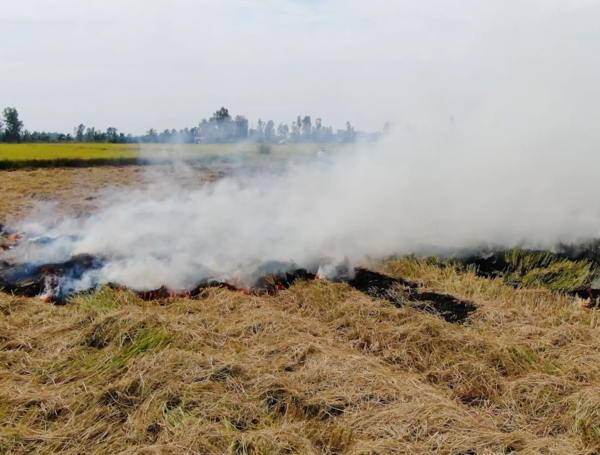
However, the "Super El Niño" represents the extreme end of this spectrum. A phenomenon is typically classified under this informal but scientifically recognized label when sea surface temperatures in the "Niño-3.4" region of the central Pacific exceed 2°C above the long-term average. At this threshold, the sheer volume of thermal energy transferred to the atmosphere is sufficient to disrupt global jet streams, triggering a cascade of simultaneous climate anomalies: droughts in regions that rely on seasonal rains, catastrophic flooding in others, and an uptick in wildfire activity.
Only three such events have been documented in the modern era: 1982-83, 1997-98, and the intense 2015-16 cycle. The current trajectory suggests that the 2026 event could surpass these, with Celeste Saulo, Secretary-General of the World Meteorological Organization (WMO), warning that the current episode "could be more potent than anything observed since our monitoring began." As a consequence, many climatologists are already projecting that 2027 will shatter all existing records to become the hottest year in human history.
The Colombian Context: A Nation at the Precipice
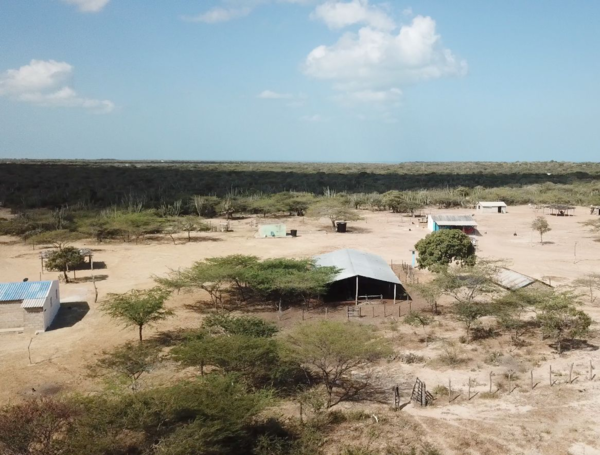
The implications of this climate event are particularly grave for Colombia, a country identified by the Defensoría del Pueblo (Ombudsman’s Office) as having an exceptionally high vulnerability to climate-induced disasters. While the global average of natural disasters linked to climatic factors sits at approximately 49%, in Colombia, that figure climbs to a staggering 85%.
The Defensoría has issued a formal warning, urging the national government, local authorities, and the general public to implement immediate preventative measures. The entity stresses that the country’s geography and socioeconomic structure make it uniquely susceptible to the secondary effects of the Super El Niño, which include prolonged heatwaves, acute water shortages, and a surge in forest fires, particularly across the Pacific, Andean, and Caribbean regions.

Chronology of the 2026 Climate Shift
The path to the current state of alert has been marked by a consistent, if alarming, progression of data:
- Early August 2026: The first clear signals of rapid sea surface temperature anomalies emerge in the central Pacific, prompting initial concern among international meteorological agencies.
- Late August 2026: Climatological models begin to show a divergence from previous, more moderate El Niño cycles, leading to the first widespread use of the term "Super El Niño" in academic circles.
- September 10, 2026: The NOAA upgrades the probability of a "historic" event to 75%, confirming the severity of the warming trend.
- Mid-September 2026: The Defensoría del Pueblo in Colombia formalizes its warning, highlighting the threat to human rights, food security, and energy infrastructure.
- Ongoing (October 2026 – December 2026): The anticipated peak phase of the phenomenon, characterized by the maximum transfer of thermal energy and its expected global atmospheric impacts.
Official Responses and Strategic Challenges
The Colombian government, under pressure from the Defensoría and various environmental agencies, is currently assessing "shock plans" to mitigate the potential fallout. One of the primary areas of concern is water management. Regional authorities, such as the Corporación Autónoma Regional (CAR) in Cundinamarca, have initiated intensive monitoring of groundwater availability and the protection of recharge zones that provide water to the capital, Bogotá.

However, the threat extends beyond environmental management into the realm of public health and economic stability. The Defensoría has pointed to several "rights-based" risks that the government must address:
- Food Security: The combination of drought and high temperatures threatens agricultural and livestock output, which could drive up food prices and create shortages in rural and urban markets.
- Public Health: The warming climate creates favorable conditions for the rapid expansion of disease vectors. Authorities are particularly concerned about the spread of mosquito-borne illnesses and the increased strain on the national healthcare system during periods of extreme heat.
- Energy Crisis: A significant portion of Colombia’s electricity is generated through hydroelectric power. The expected reduction in rainfall and the depletion of reservoir levels pose a direct threat to the stability of the national grid. There is growing concern that this could lead to energy rationing or a sharp increase in utility tariffs for households and businesses.
Deepening Structural Vulnerabilities
The "Super El Niño" is not merely an environmental event; it is a stress test for the nation’s infrastructure and social fabric. Experts argue that the phenomenon will likely exacerbate pre-existing structural issues. For instance, in the agricultural sector, farmers who have already been struggling with volatile market conditions may face total crop failure, leading to potential displacement and economic migration.

The Defensoría’s report emphasizes that the government’s response must be proactive rather than reactive. This includes upgrading irrigation infrastructure, strengthening early-warning systems for forest fires, and securing energy supply chains to prevent a systemic collapse during the peak of the dry season.
Global Implications: A World in Flux
Beyond the borders of Colombia, the global community faces a period of profound uncertainty. The synchronization of extreme weather events across multiple continents poses a challenge to global supply chains and humanitarian aid systems. When drought hits major agricultural regions in both the Northern and Southern Hemispheres simultaneously, the resulting impact on food prices can lead to social unrest and political instability.
Furthermore, the meteorological community is emphasizing that the "Super El Niño" acts as an amplifier for the long-term effects of anthropogenic climate change. While the phenomenon itself is a natural occurrence, the background rise in global average temperatures provides a "higher floor" for these extreme events to build upon. This creates a feedback loop where natural variability and human-induced warming combine to produce effects far more severe than those witnessed in the 20th century.
As the world heads into the final months of 2026, the focus of both the scientific community and policymakers must remain on resilience. The ability to adapt to these shifts—through technological innovation, sustainable resource management, and robust social safety nets—will determine the extent to which a "Super El Niño" becomes a manageable crisis or a humanitarian catastrophe.

The message from the experts is clear: the climate is entering a new phase of volatility. The "Super El Niño" of 2026 is a stark reminder that the environment is a dynamic system, and that humanity’s future prosperity is inextricably linked to our ability to understand, predict, and respond to the forces of the natural world.