BOGOTÁ, Colombia — Environmental authorities across Cundinamarca and the capital district have raised alarm bells as shifting climatic conditions threaten local ecosystems, natural reserves, and vital water sources. Driven by the compounding effects of the El Niño phenomenon—characterized by soaring temperatures and significantly reduced precipitation—the region faces an elevated vulnerability to environmental degradation, severe droughts, and devastating forest fires.
The overarching message from regional institutions is clear: human activity remains the primary catalyst for ecological disasters in Colombia. As authorities brace for months of heightened thermal stress and bone-dry vegetation, both regional governance bodies and environmental agencies are urging immediate citizen cooperation to safeguard natural resources before irreversible damage is done.
Main Facts: The Anatomy of a Developing Environmental Crisis
The current environmental alert is rooted in a dangerous convergence of meteorological forecasts and human behaviors. According to assessments from the Mayor’s Office of Bogotá and the Autonomous Regional Corporation of Cundinamarca (CAR), the anticipated intensity of El Niño could lead to a drastic reduction in rainfall—with precipitation levels potentially dropping by up to 60% in certain regions of the country.
This deficit in water supply places intense pressure on regional water networks, shrinking the flow rates of rivers, streams, and subterranean aquifers that supply municipal aqueducts. Concurrently, high temperatures and powerful winds dry out underbrush and forest canopies, turning regional landscapes into natural tinderboxes.

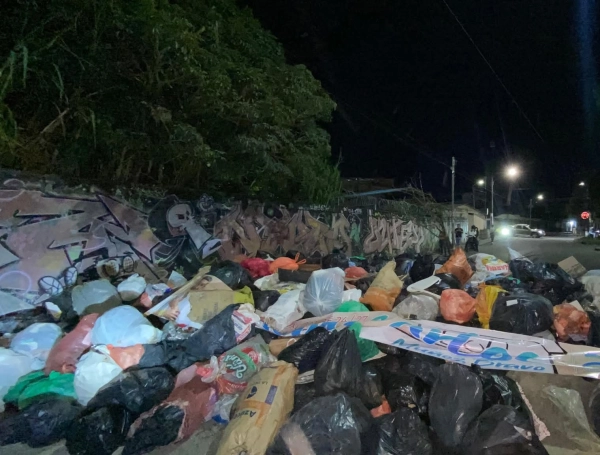
In this delicate context, ordinary practices—such as the poor disposal of solid waste, the careless handling of glass containers, the abandonment of cigarette butts, and unauthorized open-air burning—pose catastrophic risks. When exposed to intense solar radiation, discarded glass acts as a magnifying lens, while smoldering embers can rapidly ignite sweeping wildfires.
The CAR has explicitly warned that minor instances of negligence or a lack of civic mindfulness can quickly escalate into large-scale emergencies, threatening not only biodiversity and air quality, but also the physical safety of rural and semi-urban communities.
Supporting Data: A History of Vulnerability and Human Causality
Statistical evidence underscores the gravity of the situation. Data compiled by the Ministry of Environment and the Institute of Hydrology, Meteorology, and Environmental Studies (Ideam) reveal a sobering reality: 95% of all forest fires recorded in Colombia are directly caused by human activities, rather than natural phenomena such as spontaneous combustion or lightning strikes.
The departmental ledger for Cundinamarca further highlights the scale of the challenge. Figures released by the Administrative Unit for Disaster Risk Management of Cundinamarca (UAEGRD) document that between January 1 and September 30, 920 forest fires swept through 87 municipalities across 13 provinces, scorching an estimated 4,063.5 hectares of native vegetation, protective forest reserves, and agricultural land.
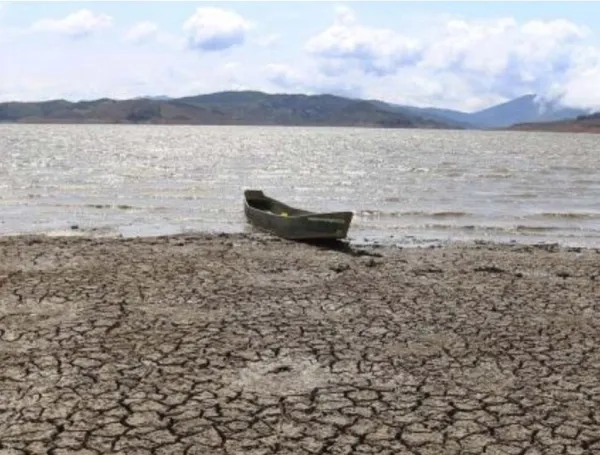
The crisis intensified sharply during the transition into the final quarter of the year. The Government of Cundinamarca reported that during the single month of September, 170 separate wildfire emergencies erupted across 50 municipalities, devastating approximately 1,327 hectares in that timeframe alone. These numbers reflect an alarming trend: as dry spells lengthen, the frequency and destructive capacity of fires multiply exponentially.
Furthermore, broader institutional analyses have drawn attention to the macroeconomic and structural dimensions of environmental defense. Recent findings from the Office of the Comptroller General (Contraloría) noted that national environmental investments saw notable adjustments, pointing to ongoing institutional hurdles in adequately funding large-scale climate change mitigation and disaster prevention frameworks.
Chronology of Events and Escalating Warnings
- Early 2026 (January – September): The UAEGRD tracks a relentless wave of dry-season emergencies, culminating in 920 documented forest fires that damage over 4,000 hectares across Cundinamarca’s provinces.
- September 2026: A severe dry spike hits the department. Fifty municipalities report 170 simultaneous wildfire outbreaks in a single month, burning over 1,300 hectares and severely straining local firefighting units and civil defense corps.
- Late October 2026: Ideam and the Ministry of Environment issue updated long-range forecasts confirming the intensification of El Niño conditions, projecting severe thermal anomalies and rainfall deficits of up to 60% in vulnerable biomes.
- Early November 2026: The Mayor’s Office of Bogotá and the CAR issue coordinated public warnings. Regional directors launch digital awareness campaigns emphasizing individual responsibility in waste management and wildfire prevention.
- November 3, 2026: High-ranking environmental officials reiterate emergency protocols, calling on citizens, industrial actors, and local governments to enforce strict bans on open burning and adopt water-saving measures ahead of peak dry-season months.
Official Responses and Institutional Positions
Faced with mounting ecological pressures, regional leaders have utilized public platforms and institutional channels to demand proactive engagement from the public.
Alfred Ballesteros Alarcón, director of the CAR, took to social media to stress the direct link between everyday habits and environmental catastrophe. "The improper disposal of waste can become a direct threat to our ecosystems," Ballesteros stated. "During the El Niño phenomenon, throwing glass, cigarette butts, or carrying out agricultural burnings can trigger devastating forest fires and severely aggravate water scarcity. From the environmental authority, we issue a call for prevention: properly disposing of waste, avoiding burnings, and protecting our water sources is everyone’s responsibility."
Echoing these sentiments, Nidia Riaño, Subdirector of Environmental Culture and Governance at the CAR, emphasized the profound impact of collective behavioral changes. "During the El Niño phenomenon, small acts of carelessness can generate major impacts on ecosystems and communities," Riaño explained. She added that basic actions—such as separating waste correctly, refraining from open-air burning, and conserving water—are simple yet fundamental steps to prevent wildfires and guarantee long-term water availability.
The administrative apparatus continues to monitor high-risk zones closely, coordinating with local fire departments, municipal risk-management committees, and community leaders to establish rapid-response protocols should new blazes ignite.

Implications: Environmental, Economic, and Social Consequences
The convergence of El Niño, chronic water deficits, and wildfire risks carries profound implications for Cundinamarca and the broader Andean region:
1. Threat to Biodiversity and Ecosystem Services
Forest fires do not merely destroy timber; they decimate fragile native flora and fauna, many of which are endemic to the high-altitude Andean forests and páramo ecosystems. These environments act as natural sponges, regulating the hydrological cycle. When fires strip these landscapes of vegetation, the soil loses its structural integrity, leading to severe erosion, mudslides when the rains eventually return, and permanent habitat loss.

2. Pressure on Water Security
As river flows decline due to diminished rainfall and upstream evaporation, urban centers and rural communities alike face the specter of water rationing. Agriculture and livestock farming—critical pillars of Cundinamarca’s economy—are particularly vulnerable. Reduced irrigation capacity directly threatens food security, driving up local produce prices and straining rural livelihoods.
3. Public Health and Air Quality Hazards
Wildfires release massive quantities of particulate matter, carbon monoxide, and toxic pollutants into the atmosphere. In a region tightly linked to the airshed of Bogotá, widespread burning degrades air quality, triggering respiratory and cardiovascular illnesses among vulnerable populations, including children, the elderly, and individuals with pre-existing medical conditions.

CAR Recommendations: How Citizens Can Help Prevent Emergencies
To mitigate the escalating risks associated with the current climatic phase, the Corporation Autonomous Regional of Cundinamarca (CAR) has issued a comprehensive series of preventive recommendations for all residents, visitors, and business owners in the department:
- Zero Open Burnings: Strictly avoid agricultural or domestic burning of debris, trash, or land-clearing remnants, as dry winds can instantly turn controlled fires into uncontrollable infernos.
- Mindful Waste Disposal: Never leave glass bottles, shards, or reflective containers in open fields, parks, or forested areas, as they act as optical lenses that focus solar rays and ignite dry brush.
- Extinguish Smoking Materials: Refrain from tossing cigarette butts or matches out of vehicle windows or along rural pathways. Ensure all smoking materials are thoroughly extinguished and disposed of in designated waste bins.
- Responsible Water Use: Implement water-saving habits in homes, businesses, and agricultural facilities. Fix leaks immediately, reuse greywater where possible, and avoid non-essential water consumption (such as washing vehicles or sidewalks with hoses) during periods of scarcity.
- Report Emergencies Immediately: Maintain vigilance in wooded and rural zones. If smoke or unauthorized fires are detected, notify local emergency services, the fire department, or CAR authorities without delay to ensure a rapid containment response.
As Cundinamarca navigates the turbulent climatic road ahead, the message from environmental authorities remains unequivocal: technological monitoring and institutional strategies must be matched by profound civic responsibility. Protecting the region’s forests and rivers is a shared imperative upon which the environmental and economic stability of future generations depends.