By Edwin Caicedo | Environmental and Health Correspondent
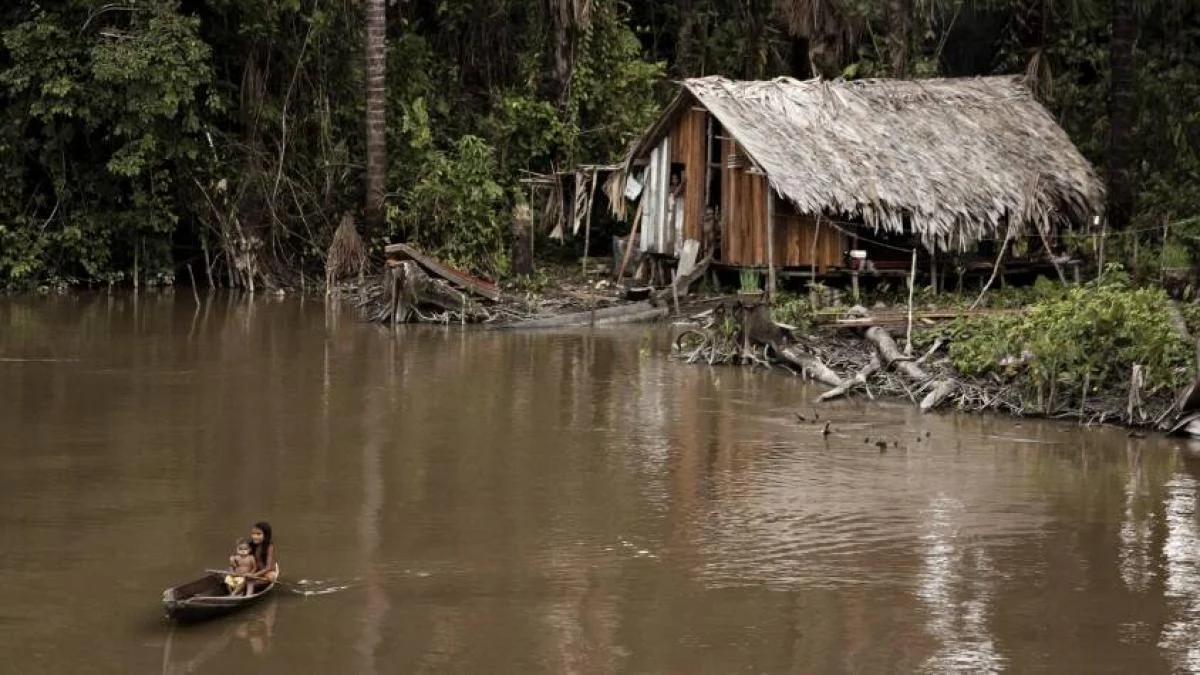
The Amazon rainforest is often described as the "lungs of the planet," a vital carbon sink essential to global climate stability. However, beneath the canopy lies another, equally critical repository of life: a "living library" of ancestral knowledge meticulously curated by Indigenous peoples over millennia. A groundbreaking study published in the journal Nature has now issued a stark warning—the climate crisis is not just shifting the physical landscape of the Amazon; it is on the verge of erasing the cultural, medicinal, and spiritual heritage of its original inhabitants.
The Core Findings: A Looming Cultural Catastrophe
The international research, led by Rodrigo Cámara-Leret of the University of Zurich in collaboration with Conservation International, provides the first quantitative assessment of how climate change threatens the intersection of botany and indigenous wisdom. The data is sobering: by 2080, the Amazon could face the local extinction of between 28% and 34% of the plant species utilized by Indigenous communities.
This loss is not merely biological; it is existential. Indigenous peoples in the Amazon rely on at least 5,796 distinct plant species—over a third of the region’s known flora—for food, traditional medicine, construction, and sacred rituals. The study projects that the intricate web of knowledge linking these plants to human practice could shrink by approximately 26% by the end of the century. As species disappear from their local habitats, the oral traditions, languages, and ceremonies tethered to those plants risk fading into obscurity.

A Chronology of Erosion: From Ancestral Wisdom to Modern Crisis
The relationship between Amazonian peoples and their environment is not static; it is an ongoing dialogue. To understand the gravity of the current threat, one must look at the timeline of human-nature interaction in the basin:
- Pre-Columbian Era to 20th Century: For thousands of years, Indigenous communities acted as stewards and architects of the forest. Scientific evidence increasingly shows that the Amazon is not a "pristine wilderness" but a cultural landscape shaped by selective cultivation and sophisticated agroforestry.
- 1989 (The Baseline): Researchers in La Chorrera, Colombia, documented 51 distinct varieties of cassava (yuca), highlighting the immense agricultural biodiversity maintained by local groups.
- Early 21st Century: Rapid expansion of agricultural frontiers and commercial pressures began to incentivize the cultivation of a few high-demand species, leading to a "homogenization" of the forest floor.
- 2024–2026: Recent investigations by the Instituto Sinchi in the same La Chorrera region revealed that the count of cassava varieties had plummeted to just 18. This 65% decline in a single species over 35 years serves as a microcosm for the broader erosion of biodiversity.
- 2080 (The Projection): If current climate trajectories hold, the "living library" faces a critical threshold where the loss of local species will trigger a cascade of cultural collapse, rendering traditional ecological knowledge unsustainable.
Supporting Data: The Interconnected Web of Life
The study by Cámara-Leret and his team is supported by an exhaustive database containing more than 76,000 records of traditional plant uses. This data illuminates why the loss of a plant is, in effect, the loss of a piece of history.
Many of the plants utilized by Indigenous groups are already rare or have restricted geographical ranges. These species are disproportionately vulnerable to the rising temperatures and altered precipitation patterns currently destabilizing the Amazon.
Furthermore, the implications extend far beyond the rainforest. Many of these plants are wild relatives of global food staples. For instance, the cacao we consume today relies on genetic resistance traits found in wild populations in the Brazilian Amazon. If these wild varieties perish, the world loses a biological insurance policy against future crop diseases and climate-induced agricultural failure. The Amazonian chontaduro (peach palm) is another example of an overlooked strategic resource that could prove vital for global food security in an warming world.
Official Responses and Expert Analysis
The findings have resonated deeply within the scientific community, particularly among those who study the "biocultural" dimension of the Amazon.
Patrick Roehrdanz, a scientist at Conservation International and co-author of the study, emphasizes that biodiversity and Indigenous knowledge are inseparable. "You cannot understand one without the other," Roehrdanz notes. He argues that the research provides a vital roadmap for policymakers to prioritize conservation in areas where both plant rarity and cultural dependency overlap.

In Colombia, the Instituto Amazónico de Investigaciones Científicas (Sinchi) has corroborated these findings through years of field observation. José Guerrero Rolón, a researcher at the Institute, describes plants not as mere commodities, but as the "axis of cultural life."
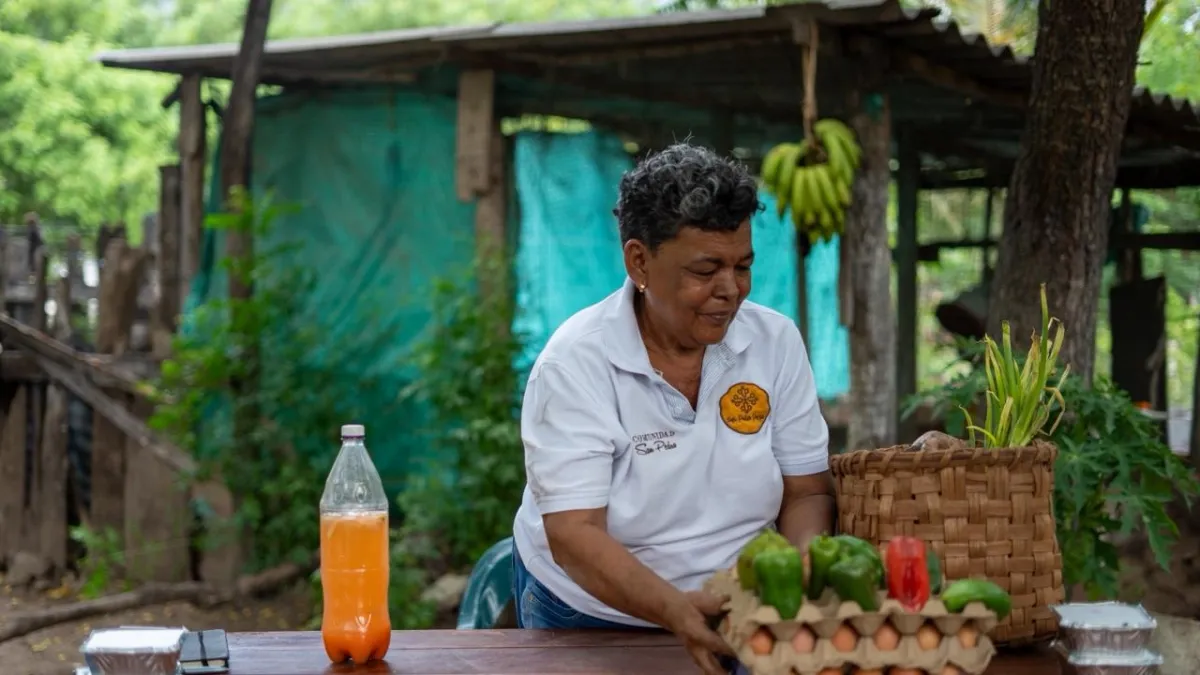
"When we lose a plant, we lose the knowledge of how to use it, the medicine it provides, and the rituals that give it meaning," Guerrero explains. He points out that the current climate stress—droughts, floods, and the influx of new pests—is actively disrupting the traditional cycles of the chagra (the traditional Indigenous garden), which serves as a center for social and economic life.
The Biocultural Perspective: Why Language Matters
Perhaps the most profound insight comes from Delio Mendoza Hernández, an Indigenous Uitoto researcher at the Sinchi Institute. He posits that the loss of a plant is the loss of a word.
"Our knowledge is a web," says Mendoza. "The mambeadero—the sacred space where we share wisdom, coca, and tobacco—is a foundation of our society. If those plants disappear, the very architecture of our communication collapses."
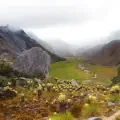
Mendoza stresses that Indigenous languages contain concepts that are untranslatable into Western tongues precisely because they are tied to the specific ecological realities of the Amazon. To protect the forest is to protect the language; to protect the language is to preserve the ability to manage the forest sustainably.
Broader Implications: A Call to Action
The concept of "biocultural diversity" is now central to the discourse on Amazonian conservation. Eduardo Ariza, leader of the Indigenous pillar of the Visión Amazonía program, argues that the global community must shift its focus.
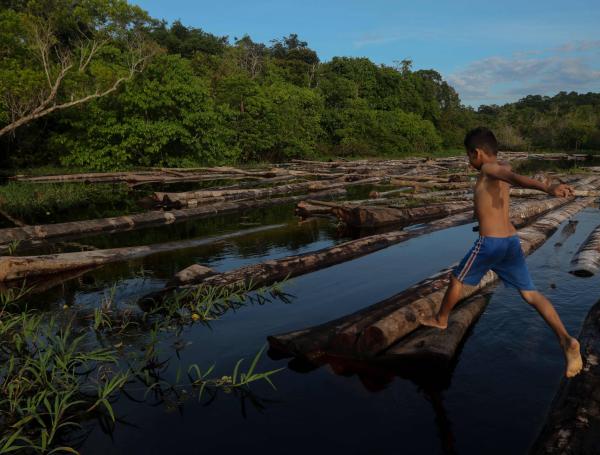
"We are dealing with a double threat," Ariza explains. "Deforestation and climate change are eroding both the physical ecosystem and the accumulated intelligence of the people who know how to manage it."
The path forward, according to these experts, requires more than just carbon credits or forest protection zones. It requires:

- Direct Support for Indigenous Agroforestry: Recognizing that Indigenous management is a tool for climate resilience, not a barrier to it.
- Seed Banking and Knowledge Documentation: Accelerating the rescue of traditional seed varieties and the documentation of oral histories before the elders who hold this knowledge pass away.
- Legal Protections: Strengthening land rights for Indigenous communities, as these lands historically show higher levels of biodiversity and resilience than non-protected areas.
Conclusion: A Heritage at Risk
The climate crisis is a time machine that is stripping away thousands of years of human achievement. As the Amazon heats up, the danger is that we will lose not only trees, but the profound human understanding of how to live within them.
Each plant that vanishes is a chapter torn from a library that can never be rewritten. As we look toward 2080, the message from the scientific and Indigenous communities is clear: saving the Amazon is not just about saving the climate; it is about saving the memory of humanity’s relationship with the Earth. The time to protect this "living library" is now, before the shelves go empty.