By: Editorial Desk | November 16, 2026
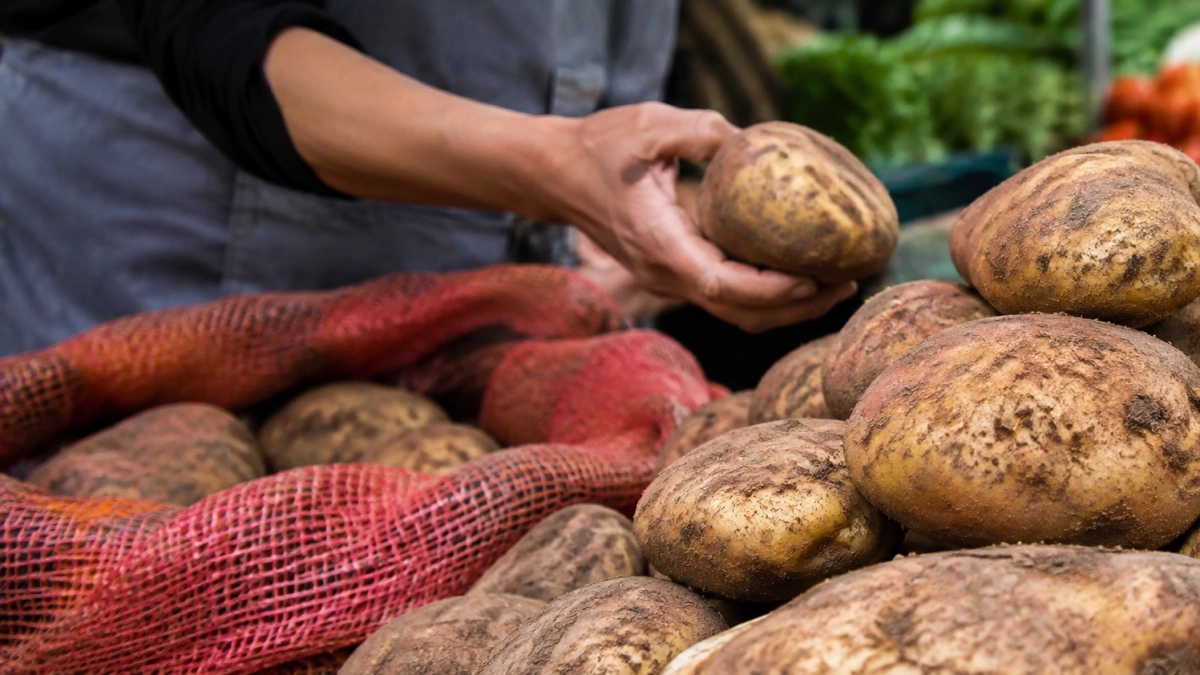
The economic landscape of Colombia is currently navigating a period of significant turbulence, characterized by a persistent inflationary trend that has hit the most vulnerable segments of the population hardest: the dinner table. According to the latest data from the National Administrative Department of Statistics (DANE), the annual inflation rate for October 2026 reached 6.30%. While this figure represents the broader macroeconomic reality, it masks a much more aggressive surge in the prices of essential agricultural commodities. Among these, the potato—a staple of the Colombian diet—has emerged as the protagonist of a concerning inflationary crisis, recording an staggering 98% price increase over the 12-month period ending in October 2026.
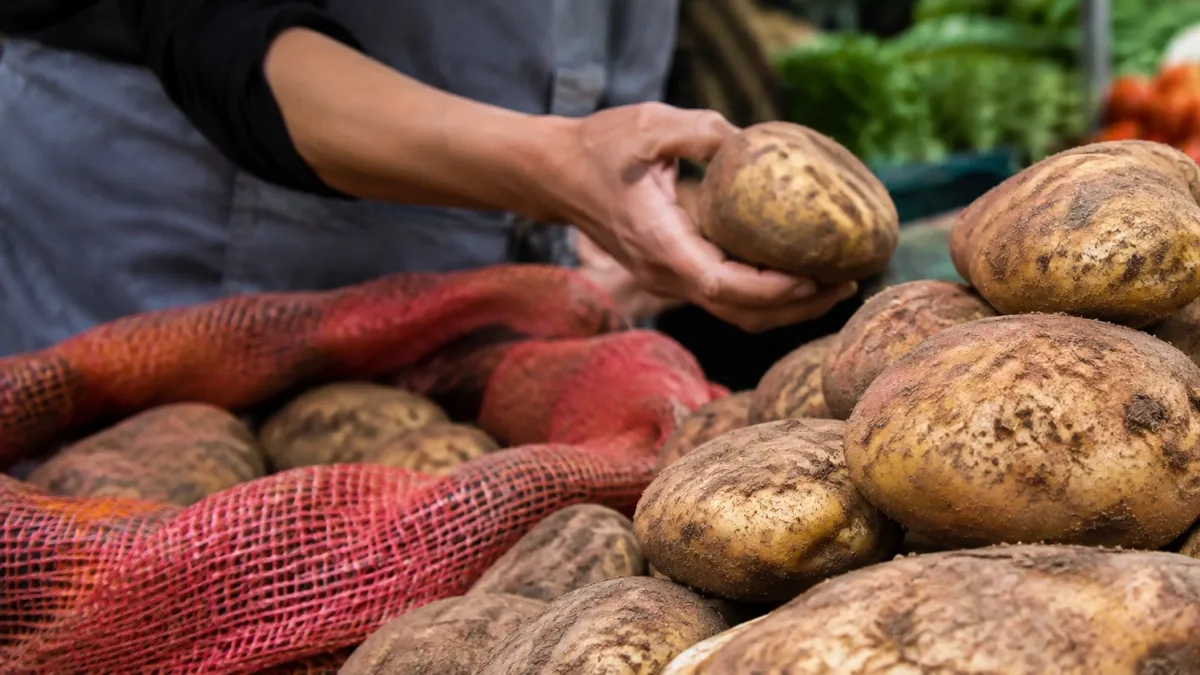
This report explores the intersection of climate volatility and domestic food security, analyzing how the onset of the El Niño phenomenon is exerting unprecedented pressure on the supply chain and household budgets.
1. The Anatomy of the Crisis: A 98% Surge in Potato Prices
The data released by DANE is unequivocal: the cost of living for Colombian families has been significantly altered by the volatility of agricultural prices. In the 12 months leading up to October 2026, the price of potatoes effectively doubled. This, however, is not an isolated anomaly.

When observing the month-to-month variation, the pressure becomes even more evident. Between September and October 2026, the price of potatoes climbed by 8.25%, a rate that dwarfs the general Consumer Price Index (IPC) monthly increase of 0.20%. This sharp rise has transformed the potato from a reliable, affordable caloric base into a luxury item for many low-income households.
Beyond the Potato: A Widespread Agricultural Squeeze
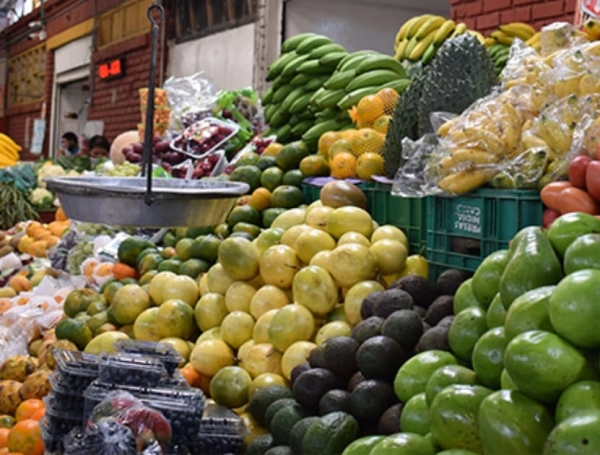
The inflationary pressure is not confined to tubers. Other essential items in the Colombian shopping basket have also seen double-digit increases. Fruits and fresh produce have experienced an annual price variation of 15.90%, while the beef and meat products sector has seen a surge of 13.31%. Furthermore, other staples have joined the upward trend: plantains recorded a monthly increase of 6.09% in October, while eggs, a critical protein source for the working class, saw their price rise by 3.10% in the same period.

The disparity between the 0.20% general inflation and the specific, much higher, inflation in the food sector highlights a structural challenge: the cost of eating is increasing significantly faster than the overall cost of living, creating a "hidden" inflation for the average consumer.
2. Chronology of a Climatic Challenge: 2026–2027
To understand the current economic pain, one must look at the meteorology of the region. The relationship between climate and agriculture in Colombia is direct and sensitive.
- Early 2026: Initial reports from the Institute of Hydrology, Meteorology, and Environmental Studies (IDEAM) signaled shifts in oceanic temperatures, suggesting the onset of El Niño.
- Mid-2026: Agricultural cycles were disrupted by erratic rainfall patterns and periods of intense, unseasonable heat. Crops of "short cycle" duration—those that provide the bulk of fresh market produce—began to fail as soil moisture levels dropped.
- October 2026: The official confirmation of the El Niño phenomenon for the 2026-2027 period was formalized. This announcement, while expected, served as a catalyst for market speculation and hoarding, further driving prices upward.
- Late 2026 to Early 2027 Outlook: International climate agencies have issued warnings regarding the potential intensity of El Niño in the first quarter of 2027, suggesting that the worst of the food price inflation may not yet be over.
3. Supporting Data: The Disconnect Between Indices
The tension between the general IPC (0.20% monthly) and the food and non-alcoholic beverage category (0.19% monthly) requires nuanced analysis. While the aggregate food category shows a modest monthly increase, this is a result of averaging across many products.
Crucially, the items that carry the highest weight in a typical Colombian family’s budget—potatoes, plantains, and proteins—are the ones experiencing the most extreme volatility. When these items rise by 8% to 10% in a single month, the "real" inflation experienced by a household is significantly higher than the 0.20% reported in the official, broad-spectrum index. This divergence is causing a growing frustration among consumer groups and economists who argue that the basket of goods used to calculate inflation needs to be adjusted to reflect the current consumption realities of the population.

4. Official Responses and Institutional Warnings
The government, through its various agricultural and planning agencies, has begun to acknowledge the strain on the supply chain. The Ministry of Agriculture has called for increased support for small-scale farmers to adopt climate-resilient farming techniques. However, the systemic issue remains: the dependency of Colombian agriculture on stable rainfall cycles makes the country highly susceptible to the vagaries of the Pacific Ocean temperatures.
IDEAM has urged farmers to implement water management systems and early harvesting techniques to mitigate the losses associated with the extreme heat expected in early 2027. Meanwhile, trade associations have warned that without state-sponsored subsidies for fertilizers and irrigation, the supply of high-demand items like potatoes will continue to shrink, keeping prices artificially high regardless of the season.
5. Socioeconomic Implications: A New Era of Food Insecurity?
The implications of these price hikes extend far beyond the supermarket checkout counter.
The Erosion of Purchasing Power
As the cost of basic nutrition absorbs a larger percentage of household income, discretionary spending falls. This creates a contractionary effect on the broader economy, as families reduce their consumption of services, clothing, and entertainment to prioritize basic calorie intake.

Nutritional Consequences
The shift in dietary habits is a long-term concern for public health. As fresh produce and quality proteins become less accessible, there is a risk of a shift toward cheaper, ultra-processed, and nutrient-poor food alternatives. This could lead to a secondary crisis of malnutrition or rising rates of obesity and diabetes in the medium term.
The Rural-Urban Disconnect
While consumers in the cities are feeling the squeeze, farmers are not necessarily reaping the benefits. In many cases, the price increases are driven by intermediaries and the high cost of inputs (fertilizers and fuel) rather than a surplus of profit for the producers. This highlights a structural weakness in the Colombian supply chain, where the middleman often captures the value, leaving the farmer vulnerable to climate risk and the consumer vulnerable to price spikes.

Conclusion: Looking Ahead to 2027
As Colombia enters the heart of the 2026-2027 El Niño event, the stability of the food basket remains in a state of high alert. The reliance on short-cycle crops, which are the most vulnerable to climate change, means that the next few months will be a test of both the nation’s infrastructure and its social resilience.
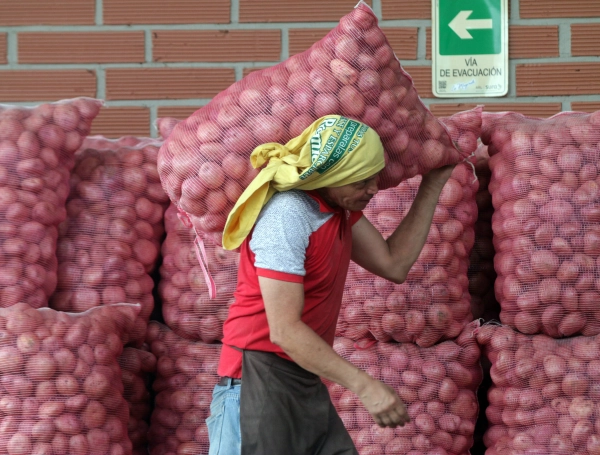
Economic stability in the coming year will depend on two factors: the duration and intensity of the current climate cycle, and the government’s ability to stabilize the supply chain through effective management of food reserves and support for the agricultural sector. For now, the Colombian household must brace for continued volatility, as the "El Niño" phenomenon proves that in an interconnected global economy, the shifting currents of the Pacific Ocean can have immediate and painful consequences on the price of a simple sack of potatoes.

As the nation looks toward the first quarter of 2027, the focus must shift from reactive monitoring to proactive adaptation. Without structural changes in how the country produces, distributes, and consumes its food, the vulnerability to climate-induced inflation will remain a permanent fixture of the Colombian economic reality.