By Edwin Caicedo, Environment and Health Correspondent
Bogotá, Colombia – November 1, 2026
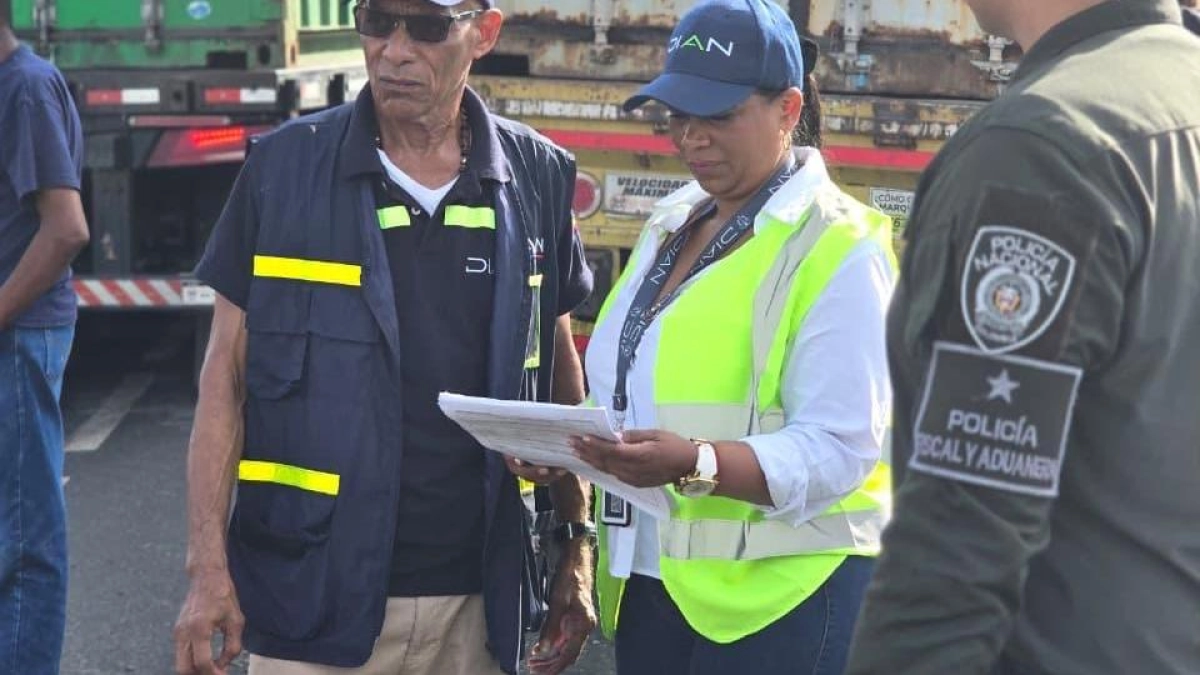
In a major push to stabilize the national economy and curtail illicit trade, the National Directorate of Taxes and Customs (DIAN) has unveiled a staggering assessment of its anti-contraband operations. As of October 11, 2026, the Colombian customs authority has successfully intercepted and apprehended illegal merchandise valued at over $151 billion pesos. This figure, representing a monumental effort by the current administration to combat tax evasion and organized crime, marks an 82.6% increase compared to the same period during the previous government, which saw seizures totaling approximately $83 billion.
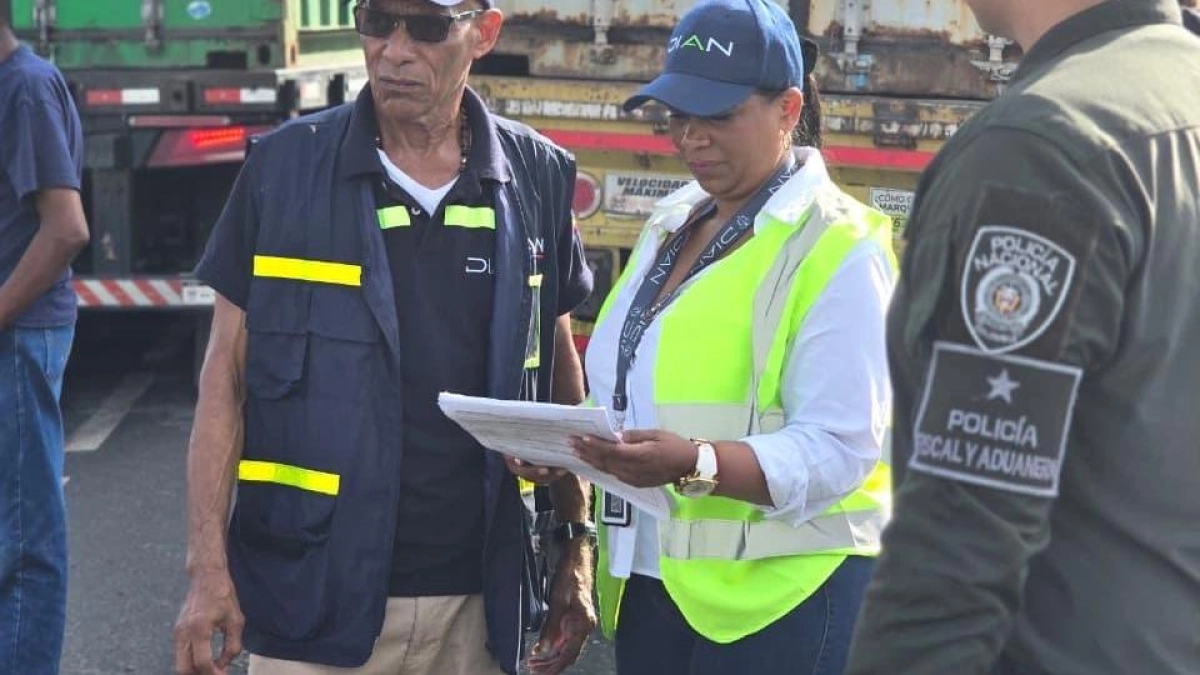
The data, presented on October 30 by DIAN Director General Andrés Felipe Velásquez Reyes, underscores a strategic shift in the agency’s enforcement methodology. By moving beyond simple volume metrics, the authority is now focusing its intelligence and operational capabilities on high-value targets, effectively disrupting the financial lifelines of criminal networks operating within the country.
The Strategic Shift: Precision Over Volume
A critical takeaway from the director’s report is that this increase in value does not necessarily stem from an exponential rise in the number of individual operations. In fact, the frequency of enforcement actions has remained largely consistent with the previous administration’s levels.

"Practically with the same number of operations, we are now hitting cargoes of much higher value," Velásquez Reyes explained. "We are reaching further and with greater precision." This indicates that the DIAN has successfully transitioned from reactive enforcement to an intelligence-led strategy. By utilizing advanced data analytics and inter-agency cooperation, the agency is now able to identify and intercept high-value shipments before they saturate the domestic market.
The impact is most visible in the seizure of goods within highly sensitive sectors, including textiles and apparel, tobacco and cigarette products, and sophisticated electronic machinery. Geographically, the enforcement efforts have yielded the most significant results in major logistical and commercial hubs: Bogotá, Barranquilla, Cartagena, and the strategic border city of Maicao.

Chronology of Enforcement: Three Key Operations
To illustrate the efficacy of the new, intensified control measures, the DIAN highlighted three landmark operations that have occurred in recent weeks, showcasing the logistical scale of current illicit operations in Colombia.
1. The Cali Warehouse Mega-Operation (September 24–27)
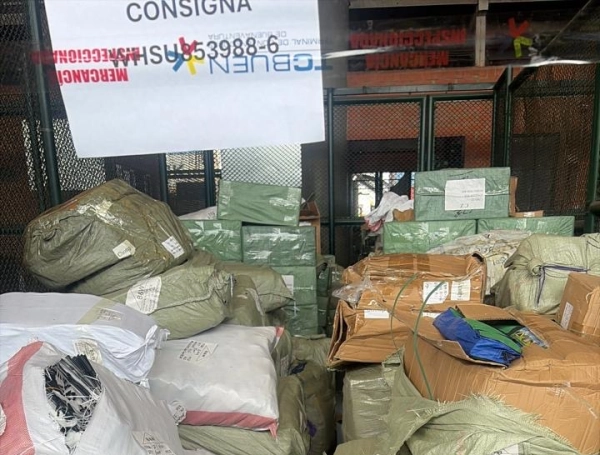
In a joint effort with the Fiscal and Customs Police (POLFA), the DIAN executed a massive raid on a clandestine storage facility in Cali. The operation uncovered a staggering stockpile of over 1.8 million pairs of shoes, along with large quantities of textiles, perfumes, and toys. The total value of the confiscated goods reached $38.52 billion pesos, marking one of the largest single-site seizures in the current government’s tenure.

2. Simultaneous National Audits (September 29–30)
Demonstrating the agency’s ability to coordinate large-scale actions across multiple jurisdictions, the DIAN conducted 992 simultaneous verifications. These inspections targeted public warehouses and designated cargo arrival points in major cities, including Bogotá, Barranquilla, Cartagena, Cali, Ipiales, and Medellín. This sweeping action was designed to put pressure on supply chains and verify the legal status of goods entering the country’s primary logistics corridors.
3. Tactical Interception in Cesar (October 20)
Proving the importance of mobile checkpoints, the DIAN stopped a tractor-trailer traveling between Bosconia and El Paso in the department of Cesar. The vehicle was found to be smuggling over 570,000 packs of cigarettes, a cargo valued at more than $4.13 billion pesos. This interception highlights the vulnerability of regional transit routes used by smuggling rings to move illicit tobacco into the interior of the country.

Collectively, these three specific interventions resulted in 132 precautionary measures—including full seizures, temporary retentions, and operational suspensions—valued at more than $14.67 billion pesos.
A Three-Pronged Strategy for National Revenue
Beyond immediate enforcement, the DIAN is executing a comprehensive, long-term plan to secure national revenue and foster a more robust tax culture. Director Velásquez Reyes outlined a three-pillar strategy aimed at modernizing the agency’s fiscal management.

Pillar 1: Debt Portfolio Recovery
The agency is focusing on the "manageable portfolio"—the collection of outstanding taxes owed by individuals and corporations. By prioritizing institutional efforts and offering incentives for the normalization of pending tax obligations, the DIAN hopes to bring significant liquidity back into the national treasury.
Pillar 2: Combating Evasion through Data Integration
The most innovative aspect of the current administration’s approach is the integration of multiple data sources. The DIAN is now cross-referencing information from:

- International assets and offshore accounts.
- Electronic documentation and billing systems.
- "Exogenous" data (third-party information reports).
Furthermore, the director announced that the agency will begin incorporating cryptocurrency tracking into its analysis tools. As digital assets are increasingly used to obfuscate the origin of funds or facilitate tax evasion, the DIAN is positioning itself to monitor these transactions, ensuring that the digital economy does not become a tax-free haven.
Pillar 3: Simplification and Culture of Compliance
The final pillar addresses the relationship between the citizen and the state. By simplifying tax payment procedures and moving closer to the taxpayer, the DIAN aims to lower the barrier to compliance. The objective is to build a long-term "tax culture" where citizens view contribution as a social contract rather than an administrative burden.
Addressing Criminal Economies and Global Cooperation
The director’s report was not merely a financial statement but a warning regarding the nexus between contraband and organized crime. Velásquez Reyes emphasized that illegal trade in Colombia is rarely a victimless crime; it is almost always linked to larger, often international, criminal structures that fuel violence and instability.
The agency is now scaling its efforts to combat "specialized" forms of smuggling, including:

- Heavy Machinery and Drones: Preventing the illegal transit of yellow machinery used in unlawful mining and surveillance assets used by criminal groups.
- Chemical Precursors: Monitoring the movement of chemicals essential for both legitimate industry and the illegal production of narcotics and synthetic drugs.
- Strategic Mineral Trafficking: Curbing the illegal extraction and export of gold and other strategic minerals that rob the state of royalties and environmental protections.
International Partnerships
Recognizing that modern crime is transnational, the DIAN has solidified partnerships with global allies. The United States remains the primary partner, with extensive cooperation from the U.S. Customs and Border Protection (CBP) and the Homeland Security Investigations (HSI). Additionally, the DIAN is working closely with customs agencies in Sweden, Spain, and the Netherlands.
These collaborations focus on three critical areas: port security and logistics, the dismantling of criminal financial networks (money laundering), and the hardening of international borders against the flow of contraband.

Looking Ahead: Legislative Reform and Future Challenges
The presentation concluded with a promise of legislative change. Director Velásquez Reyes announced that the DIAN, in coordination with the Ministry of Finance and Public Credit, will soon introduce new regulatory initiatives to the Colombian Congress.
These legislative proposals are intended to adapt the legal framework to the realities of the 21st century. As crime becomes increasingly digital and sophisticated, the law must keep pace. The proposed reforms will likely include:

- Enhanced Legal Powers: Better tools to prosecute transnational crimes and cyber-enabled tax evasion.
- Technological Modernization: Funding for advanced digital surveillance and AI-driven risk assessment platforms.
- Organizational Strengthening: Investment in the agency’s human capital, including training for personnel to manage more complex, multi-jurisdictional investigations.
As the administration continues its term, the message from the DIAN is clear: the era of lax enforcement is over. Through a combination of increased operational precision, data-driven intelligence, and international cooperation, Colombia is attempting to reclaim billions in lost revenue, signaling to criminal organizations that the cost of doing business illegally in the country has risen significantly. Whether this momentum can be sustained in the face of increasingly complex, globalized criminal networks remains the central challenge for the remainder of the government’s mandate.