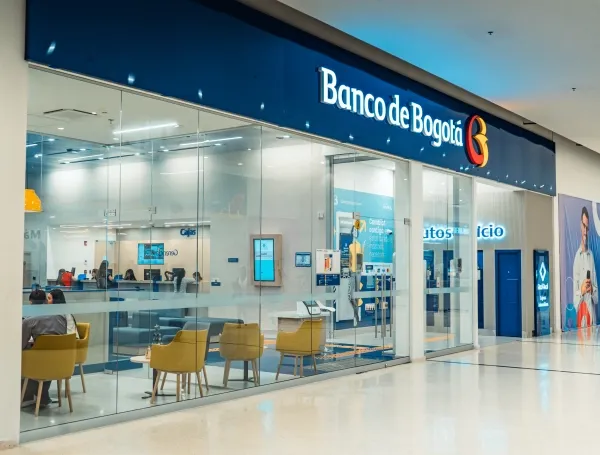
In a historic move that signals a significant shift in Colombia’s financial landscape, the board of directors of Banco de Bogotá has appointed María Fernanda Suárez as the new president of the institution. Her appointment marks the first time in the bank’s 156-year history that a woman has led the organization.
Executive Summary: A Strategic Transition
The appointment of María Fernanda Suárez, confirmed this Friday, concludes a period of anticipation regarding the leadership transition at one of Colombia’s oldest and most influential financial entities. Suárez steps into the role with a clear mandate: to ensure the continuity of the bank’s strategic priorities, solidify its leadership position within the Colombian financial system, foster profitable and sustainable growth, and refine the institution’s value proposition for its diverse client base.

Suárez replaces Juan Carlos Echeverry, who concluded his tenure at the institution. Following the announcement of his resignation, the board of directors expressed its deep appreciation for Echeverry’s leadership, commitment, and dedicated service during his time at the helm of the bank.
The Path to the Top: Professional Trajectory
María Fernanda Suárez is widely regarded as one of the most capable executives in the Colombian corporate sector. With over three decades of high-level experience spanning both the public and private sectors, her resume is a tapestry of complex management roles and strategic oversight.

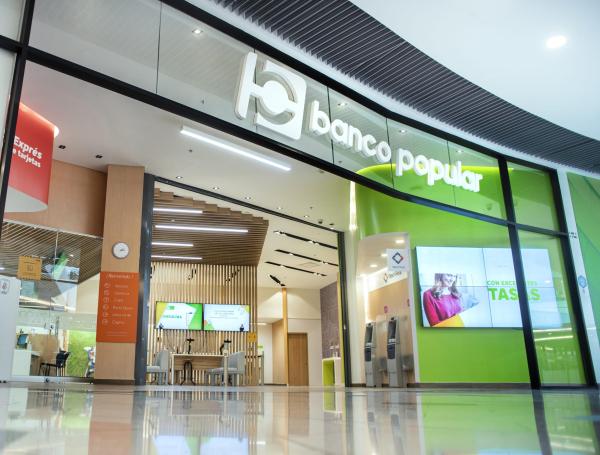
Before this appointment, Suárez served for three years as the president of Banco Popular, where she was credited with modernizing the bank’s digital infrastructure and championing the "silver economy" segment. Her career trajectory includes high-impact positions such as:
- President of Accenture Colombia: Where she honed her expertise in digital transformation and organizational agility.
- Minister of Mines and Energy: A high-pressure public sector role that demanded balancing national economic interests with global energy transitions.
- Vice President of Strategy and Finance at Ecopetrol: Playing a pivotal role in the financial health and strategic planning of the nation’s largest company.
Her foundational education at the Colegio de Estudios Superiores de Administración (CESA) and her Master’s in Public Policy from Georgetown University in Washington D.C. have provided her with the intellectual rigor required to navigate the complexities of the modern banking environment. Furthermore, her presence on the boards of Corficolombiana, Promigás, and Aval Valor Compartido underscores her status as a seasoned veteran of the boardrooms.

Chronology of the Leadership Shift
The transition is not merely an isolated change in personnel but a calculated realignment of the financial group’s human capital.
- 2023–2026: During her three-year tenure at Banco Popular, Suárez spearheaded a transformation that prioritized customer experience and operational efficiency.
- Late October 2026: Juan Carlos Echeverry formalizes his resignation from the presidency of Banco de Bogotá, triggering the search and selection process.
- October 30, 2026: The Board of Directors formally approves the appointment of María Fernanda Suárez. Simultaneously, the bank announces the appointment of Luis Fernando Gómez as the interim president of Banco Popular.
This sequence of events highlights the bank’s internal succession planning, ensuring that both institutions maintain stability during the transition.

Supporting Data: The Interim Leadership at Banco Popular
The departure of Suárez from Banco Popular left a significant vacancy, which the board moved to fill immediately to maintain operational continuity. Luis Fernando Gómez, who has served for 12 years as the Vice President of Retail Banking and Customer Experience, was unanimously appointed as the interim president.
Gómez is a veteran with over 30 years of experience in the financial sector. His background includes significant tenures at Citibank in both Colombia and Guatemala, as well as roles at Banco de Bogotá. His academic credentials—a degree in Finance and Business Administration from Florida International University, an MBA from the Universidad Externado de Colombia, and a General Management Program certification from Harvard Business School—make him a highly qualified steward for the bank’s immediate future.
Strategic Implications for the Colombian Financial Sector
The appointment of Suárez is expected to have several long-term implications for the banking sector:
1. Focus on Digital Transformation
Given her background at Accenture and her successful tenure at Banco Popular, it is highly probable that Suárez will accelerate the digitization of Banco de Bogotá’s services. In an era where fintech competition is fierce, the traditional banking giants must pivot toward more agile, data-driven, and hyper-personalized customer journeys.

2. Sustainability and the Energy Transition
Suárez’s previous experience as Minister of Mines and Energy brings a unique perspective to the bank’s ESG (Environmental, Social, and Governance) commitments. As banks face increasing pressure to divest from carbon-intensive industries and fund green projects, her expertise will likely steer Banco de Bogotá into a more aggressive green financing strategy.
3. Strengthening the "Silver Economy"
Having championed the needs of the aging population at Banco Popular, Suárez is likely to bring this focus to the broader scale of Banco de Bogotá. As Colombia’s demographic shifts, financial products tailored for the silver economy represent a massive growth opportunity that many traditional banks have yet to fully optimize.

4. Navigating Macroeconomic Volatility
The Colombian economy currently faces a mix of inflationary pressures and a government eager to spur growth through tax incentives for megainvestments. Suárez, with her deep experience in the Ministry of Finance and Ecopetrol, is uniquely positioned to interpret government signals and align the bank’s investment portfolio with national policy developments.
Official Responses and Stakeholder Sentiment
The announcement has been met with positive sentiment from the financial community. Analysts highlight that the appointment of a leader with both public and private sector experience is essential for navigating the current regulatory climate.

"The transition is not just about replacing a name; it is about ensuring that Banco de Bogotá remains the cornerstone of the national economy," noted an industry analyst. The board’s confidence in Suárez is reflected in their decision to place her in the most prestigious role within the organization. While the financial sector remains cautious due to global economic uncertainty, the consensus is that Suárez’s strategic vision provides a steady hand for the path ahead.
Conclusion: A New Chapter
As María Fernanda Suárez assumes her new responsibilities, she does so at a time of profound transformation for the global and domestic banking sector. Her record suggests a leader who is as comfortable in the halls of government as she is in the boardroom of a multinational corporation.
The task of leading a 156-year-old institution is a monumental one, yet her track record of managing systemic change, optimizing financial performance, and navigating complex stakeholder relationships suggests that Banco de Bogotá is well-positioned for the challenges of the coming decade. Whether it is through further integrating artificial intelligence into banking, fostering sustainable development, or enhancing financial inclusion, Suárez’s leadership will define the next chapter of the institution’s long and storied history.