By Juan Sebastián Lombo Delgado
Political Desk / International Relations
September 17, 2026
Main Facts
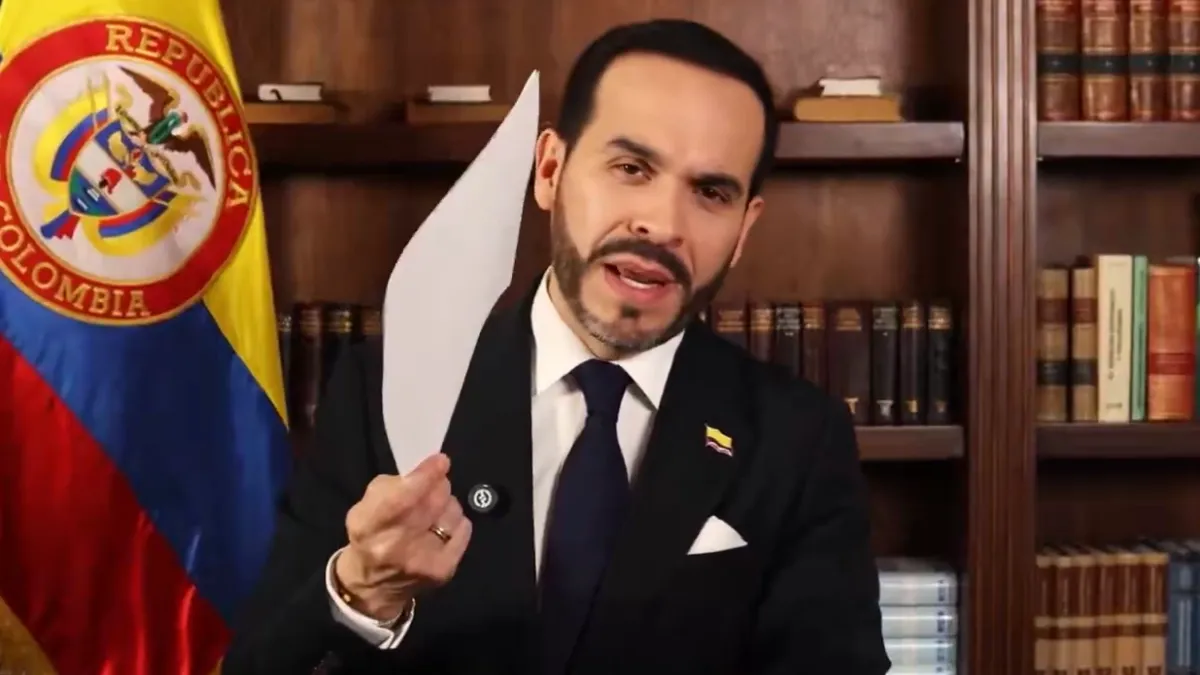
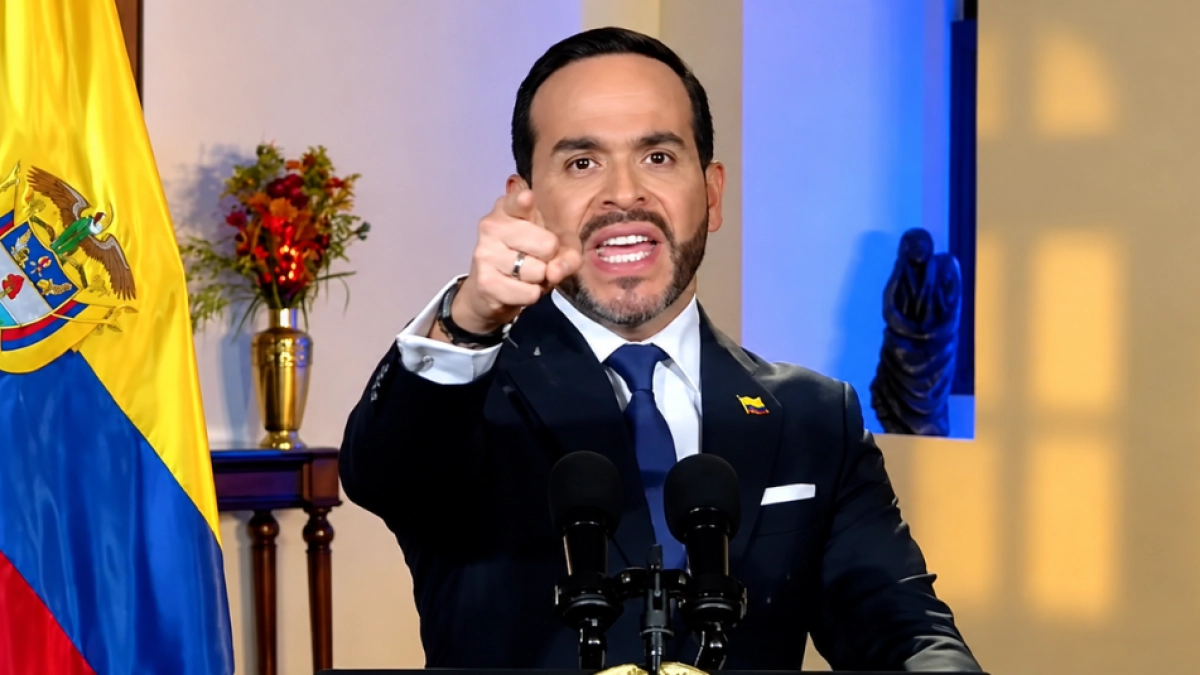
Colombian President Abelardo De La Espriella is set to host his second official bilateral meeting since taking office, welcoming the President of Costa Rica, Laura Fernández Delgado, to the Caribbean port city of Barranquilla next Tuesday. The high-level diplomatic encounter follows a formal phone conversation held on Wednesday between the two heads of state, arranged to solidify ties between their respective administrations.
According to an official communique released by the Casa de Nariño, the core agenda of the summit will center heavily on strengthening bilateral cooperation in national security, intensifying the joint fight against international drug trafficking, and dismantling transnational criminal syndicates operating across the Caribbean and Central American regions.
The upcoming summit holds significant symbolic and strategic weight within Latin American geopolitics. President Fernández Delgado represents the growing wave of conservative leadership establishing a firmer foothold across the continent. Her upcoming visit to Colombia underscores an ideological alignment between her administration and that of President De La Espriella.
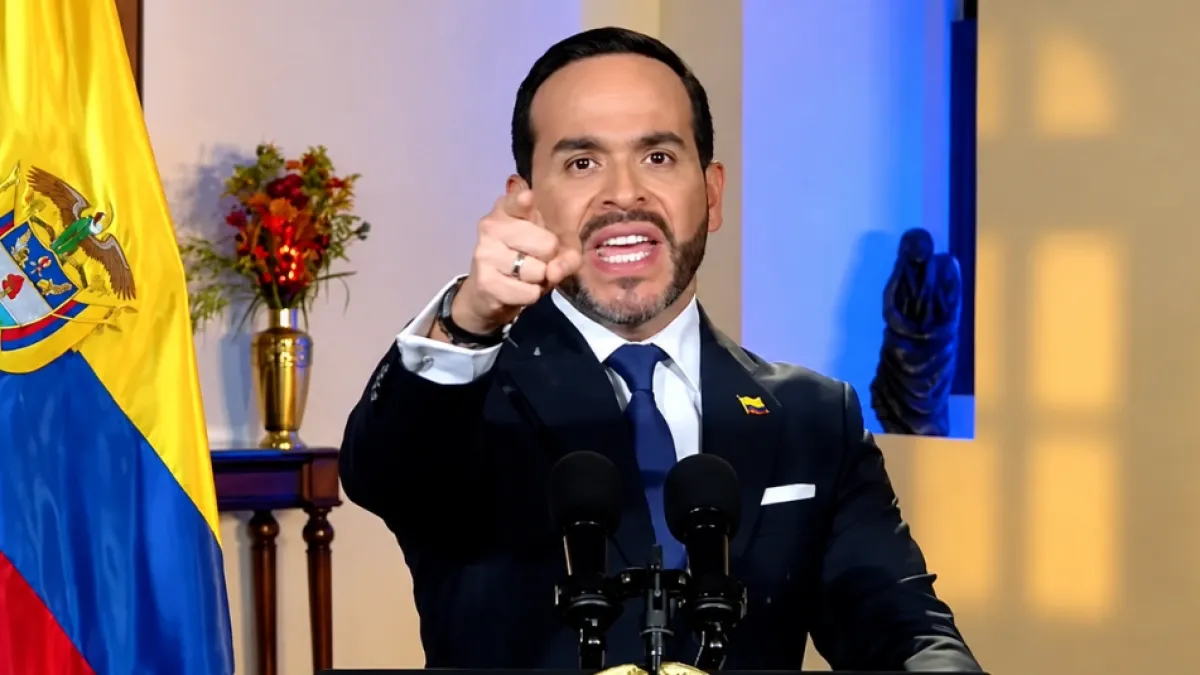
Furthermore, the meeting highlights De La Espriella’s steadfast adherence to his domestic political promises. Despite customary diplomatic protocols that would typically require a visit to the United States for the upcoming United Nations General Assembly, De La Espriella has chosen to maintain his pledge not to leave national territory during this phase of his mandate. Instead of traveling abroad, he will exercise "host diplomacy," welcoming the Costa Rican leader directly to the capital of the Atlántico department.
Chronology of Events
The unfolding of diplomatic preparations and concurrent domestic developments highlights a busy and calculated period for the Colombian executive branch:
- Mid-September 2026: The administration of President Abelardo De La Espriella continues to roll out its foreign policy framework, marked by a strict "stay-at-home" doctrine regarding international travel, prioritizing regional summits on domestic soil over traditional multilateral trips abroad.
- Wednesday, September 16, 2026: Following days of diplomatic channels opening between Bogotá and San José, President De La Espriella holds a direct telephone conversation with Costa Rican President Laura Fernández Delgado. During the call, both leaders reach a formal agreement to hold an in-person bilateral summit the following week.
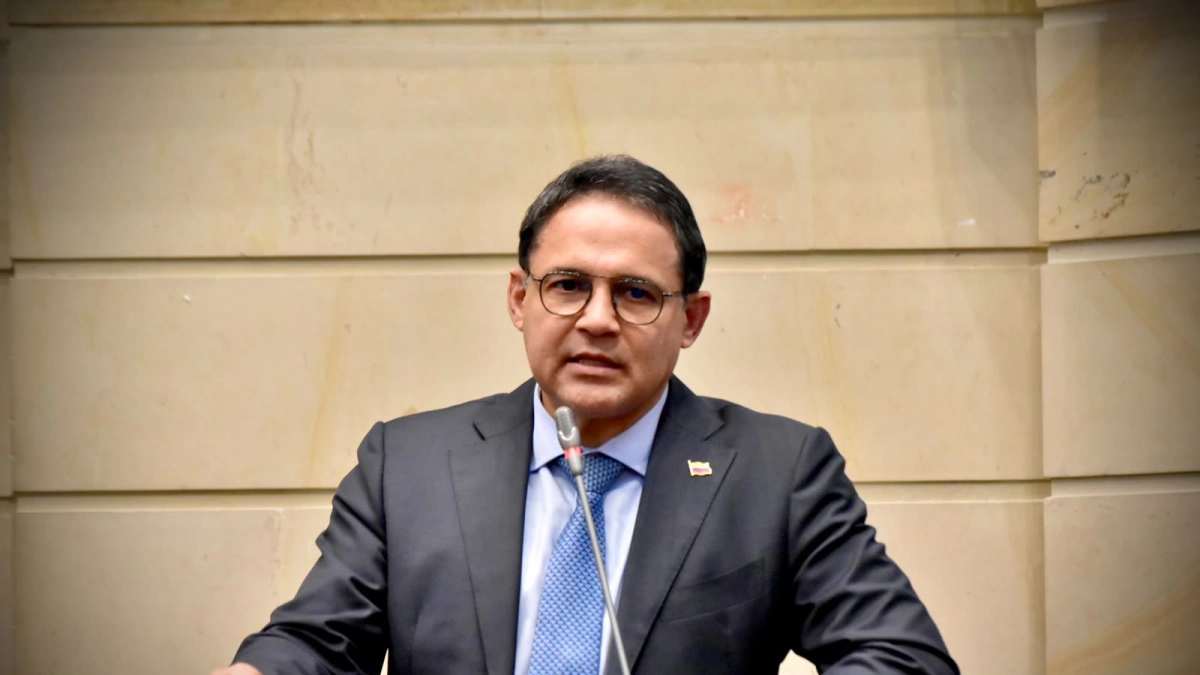
- Wednesday, September 16 (Simultaneous Developments): The Presidency formally announces the upcoming meeting via an official press release, emphasizing regional security and anti-narcotics cooperation. Concurrently, news breaks regarding domestic political shifts, including the appointment of Lucas Eduardo Ariza as the new president of Indumil, marking a strategic civilian appointment for the state-owned military industrial enterprise. Additionally, political friction peaks in the nation’s capital as the Colombian Senate debates and ultimately defeats a motion of censure against Minister of Housing Jaime Andrés Beltrán.
- Tuesday, September 22, 2026 (Scheduled): President Laura Fernández Delgado is slated to arrive in Barranquilla, where she will hold formal closed-door and plenary discussions with President De La Espriella, culminating in joint press statements regarding security agreements between Colombia and Costa Rica.
Supporting Data and Context
To fully understand the weight of this upcoming bilateral encounter, it is necessary to examine the broader regional and domestic landscape within which it occurs:
- Diplomatic Milestones: This encounter marks only the second official bilateral summit for President De La Espriella since assuming office, signaling a highly selective approach to foreign engagements.
- Geographic Focus: Choosing Barranquilla over Bogotá emphasizes the government’s strategy to decentralize high-level international diplomacy, bringing strategic conversations directly to the Caribbean coastal region, which serves as a vital frontier in maritime security and anti-narcotics efforts.
- Ideological Alignment: Laura Fernández Delgado’s governance in Costa Rica aligns closely with the emerging conservative political bloc in Latin America. This ideological convergence provides a fertile ground for mutual agreements on law enforcement, economic policy, and regional security frameworks.
- Domestic Political Backdrop: The De La Espriella administration continues to balance international diplomacy with intense domestic restructuring. Recent moves include avoiding international venues like the UN General Assembly in New York, shifting the focus entirely to internal governance, cabinet management—such as the recent appointment of civilian figures to sensitive defense-industrial posts like Indumil—and defending ministers against congressional oversight mechanisms, as seen in the recent defeat of the motion of censure against Housing Minister Jaime Andrés Beltrán (which failed by a vote of 61 to 27).
Official Responses and Statements
The announcement of the summit has generated significant commentary from government officials and institutional spokespersons, who emphasize the strategic necessity of regional alliances:
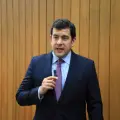
"The meeting forms part of the National Government’s ongoing strategy to consolidate more effective regional cooperation in the face of criminal threats that transcend national borders and demand coordinated responses among sovereign states," stated the official press release issued by the Presidency of the Republic on Wednesday.
The administration has repeatedly framed its foreign policy not as an isolationist retreat, but as a pragmatic pivot toward direct, bilateral enforcement partnerships. By cutting out unnecessary multilateral junkets—such as the decision to bypass the UN General Assembly—the executive branch maintains that it can direct its full focus toward immediate, actionable security agreements with trusted hemispheric allies like Costa Rica.
Strategic Implications
The upcoming summit between Presidents De La Espriella and Fernández Delgado carries profound implications for the geopolitical landscape of Central America and the Andean region:
1. Shift Toward Bilateral Pragmatism
By opting for targeted bilateral agreements over sprawling multilateral forums, the De La Espriella administration is signaling a preference for rapid, unencumbered security pacts. Multilateral organizations have historically faced bureaucratic gridlock; a direct axis between Colombia and Costa Rica could yield faster intelligence-sharing mechanisms, particularly regarding maritime drug interdiction routes in the Caribbean basin.

2. The Consolidation of a Conservative Regional Bloc
The meeting underscores the strengthening ties among right-of-center governments in Latin America. As regional security challenges—ranging from transnational cartels to economic instability—continue to mount, leaders sharing a similar ideological framework are finding it easier to harmonize domestic security policies, extradition frameworks, and border control initiatives.
3. Domestic Political Calculus
Domestically, President De La Espriella’s refusal to travel to international forums like the United Nations plays directly into his populist, nationalist messaging. By remaining on home soil and receiving foreign heads of state in regional hubs like Barranquilla, the administration projects an image of relentless dedication to domestic priorities, security challenges, and local economic development.
As preparations for Tuesday’s summit finalize, all eyes will be on Barranquilla to see what concrete operational protocols emerge from this alliance between two of Latin America’s prominent conservative leaders.