
By Raúl Andrés García Suárez
Last Updated: September 30, 2026
Main Facts
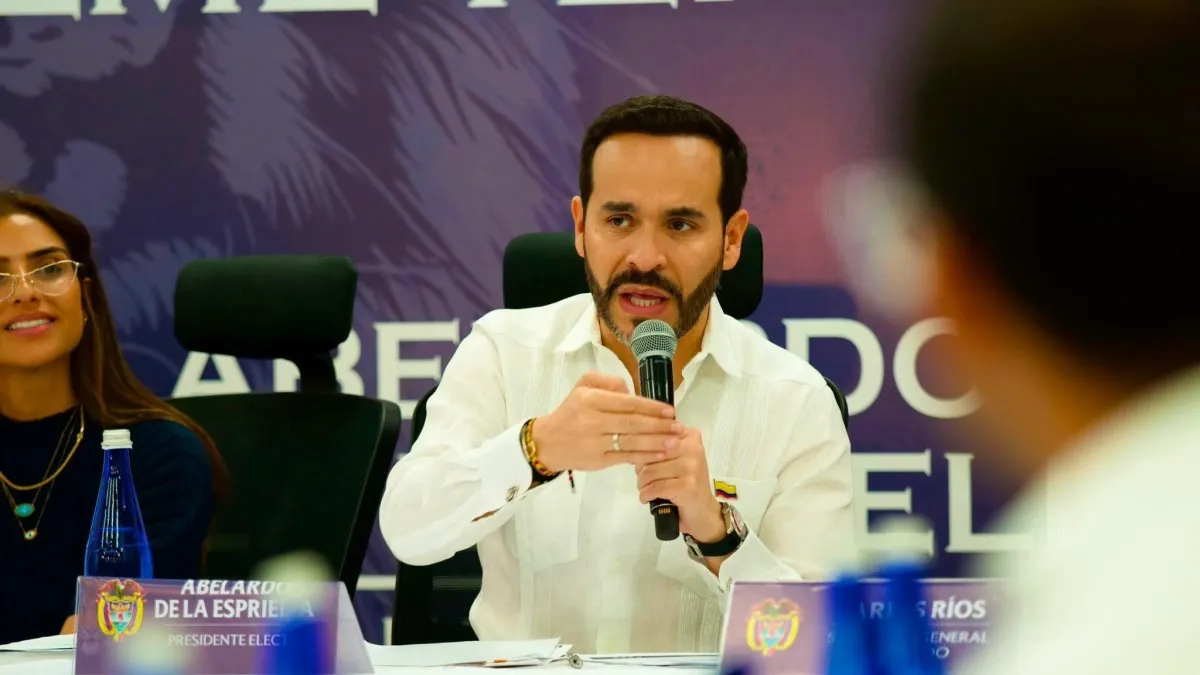
In a decisive move that breaks decades of institutional precedent, Colombian President Abelardo De La Espriella has officially appointed Lucas Eduardo Ariza Buitrago as the new president of the Military Industry (Indumil). The state-owned enterprise is legally tasked with the critical mandate of designing, manufacturing, importing, exporting, and commercializing weapons, ammunition, explosives, and blasting accessories for Colombia’s Public Force.
Formalized through Decree 1456, signed on September 29, 2026, by Minister of Defense Jorge Eduardo Mora López—a retired major general—the appointment marks a radical departure from the long-standing tradition of placing retired high-ranking military officers at the helm of the nation’s defense manufacturing sector.
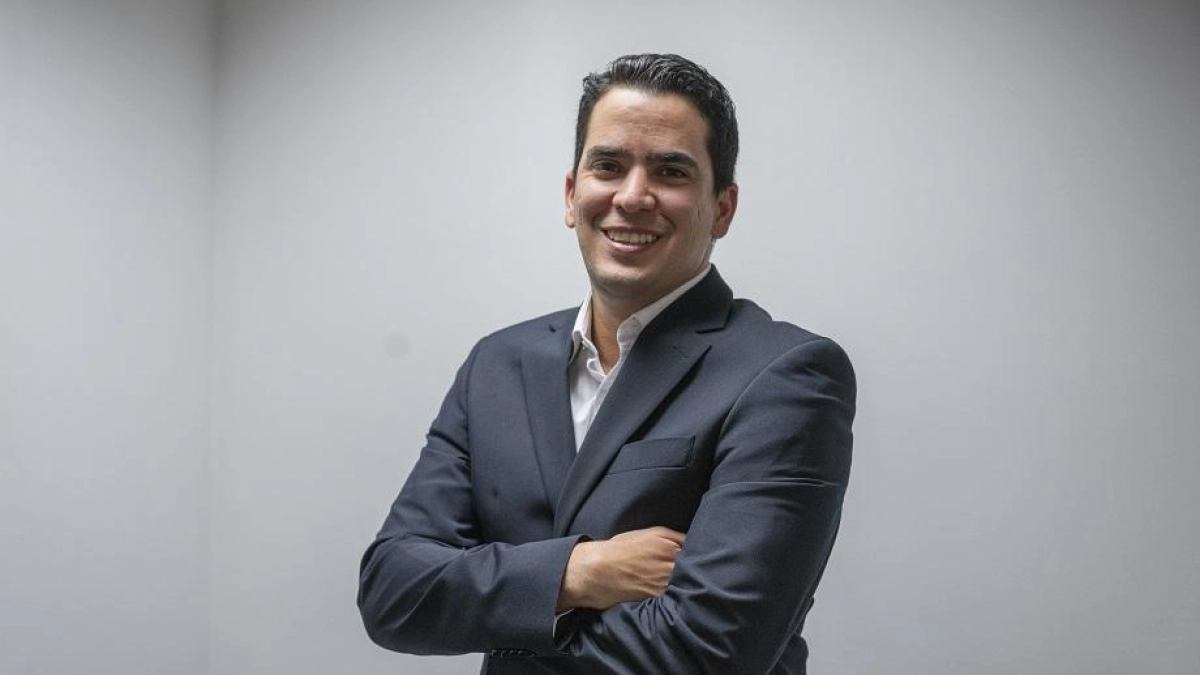
Ariza Buitrago, an experienced business administrator with a robust background in corporate management and port logistics, steps into the role without a military background. This structural appointment arrives during a period of intense transformation within Colombia’s security apparatus, closely following the administration’s controversial policy shifts regarding civilian firearm ownership and ongoing domestic security challenges.

Chronology of Events and Background
The transition at Indumil does not occur in a vacuum; it follows a sequence of policy adjustments, internal trials, and strategic realignments within the Ministry of Defense under President De La Espriella’s administration:
- May 2026: Technical evaluations and stress tests of the domestically developed "Jaguar" rifle—intended to eventually replace the traditional Galil rifles imported from Israel—hit a roadblock after structural test failures, including incidents during evaluations at Tolemaida.
- August 7, 2026: President De La Espriella marks early milestones in his administration’s defense strategy, emphasizing a complete restructuring of the military-industrial complex to maximize efficiency and economic viability.
- August 19, 2026: The government rolls out foundational structural changes across the defense sector, aiming to optimize command lines and modernize procurement processes within the Social and Business Group of the Defense Sector (GSED).
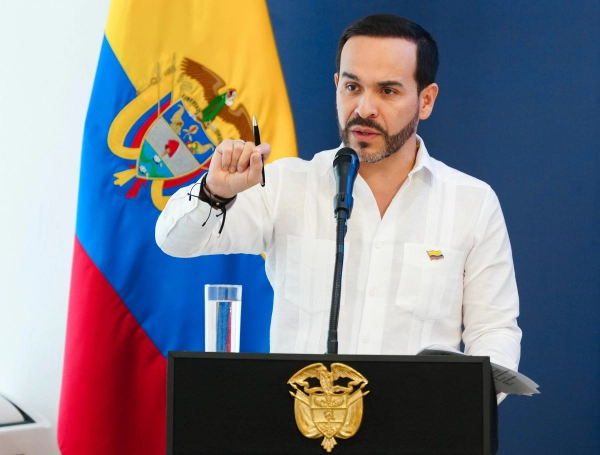
- September 8, 2026: Fulfilling a core campaign promise, President De La Espriella signs a decree lifting the general suspension on civilian firearm carry permits. The administration argues that existing restrictions disproportionately penalized law-abiding citizens while underground criminal networks continued to arm themselves.
- September 9, 2026: Indumil’s official website experiences technical outages and heavy traffic surges immediately following the government’s announcement to ease weapon permit restrictions, signaling a massive spike in public interest.
- September 29, 2026: Decree 1456 is officially issued, naming Lucas Eduardo Ariza Buitrago as the new president of Indumil, succeeding acting president Jorge Iván Gómez Bejarano.
- September 30, 2026: The Ministry of Defense, via the Viceministerio de Veteranos and the GSED, officially communicates the transition to both incoming and outgoing leadership, with the decree taking immediate effect upon signature.
Supporting Data and Profiles
The New Leadership: Lucas Eduardo Ariza Buitrago
Lucas Ariza brings a civilian corporate perspective to a historically insular military institution. A graduate in Business Administration from the Universidad del Norte, Ariza furthered his academic credentials by earning a master’s degree in International Marketing from the Higher School of Marketing and Administration (ESMA).

His professional footprint spans multiple sectors of Colombian industry and commerce:
- Abocol: Initiated his career climbing the ranks to become Sales and Marketing Manager until 2013.
- Geotech: Served as General Manager, steering technical and commercial operations.
- Colinagro: Acted as Key Account Manager, managing strategic agricultural and chemical distribution accounts.
- Cormagdalena: Contributed significantly to public-sector logistics and infrastructure management as Deputy Director of Commercial Management and later as Executive Director.
- Asoportuaria: Prior to his appointment at Indumil, Ariza served as the head of the Port Association (Asoportuaria) since 2019, where he oversaw regional maritime commerce, trade competitiveness, and infrastructure development along the Caribbean coast.
Firearm Seizures and Security Metrics
To justify the loosening of restrictions on civilian firearm permits, the De La Espriella administration released comprehensive data regarding arms trafficking and state seizures registered between January and September 3. According to official government figures:
- Total Weapons Seized: 15,700 firearms.
- Criminal-Linked Weapons: 14,179 firearms were directly tied to active criminal investigations or armed groups.
- Breakdown by Armed Group:
- Dissident Factions (FARC remnants): 980 weapons.
- Clan del Golfo: 551 weapons.
- National Liberation Army (ELN): 339 weapons.
The data underscores the administration’s argument that state security forces must focus their kinetic efforts on dismantling major criminal cartels and insurgent groups, rather than restricting the self-defense rights of verified citizens.
Official Responses and Perspectives
The Executive Branch Rationale
President De La Espriella has staunchly defended his policies, emphasizing accountability and the fulfillment of democratic mandates. Regarding the lifting of the weapon permit suspension, the president stated:
"The word of a man is his honor, and I have honor; therefore, I keep my word. During the campaign, I said I was going to lift the suspension of permits for carrying weapons."
The administration has repeatedly clarified that the decree does not open the floodgates to indiscriminate arming. Applicants must navigate rigorous vetting procedures, which include comprehensive physical, psychological, and emotional evaluations, alongside thorough background checks to ensure no criminal record exists.

Defense Sector Integration
The formal transition at Indumil requires strict adherence to bureaucratic channels. The Ministry of Defense instructed that all communications regarding Ariza Buitrago’s ascension—as well as the departure of acting president Jorge Iván Gómez Bejarano—must be routed through the Vice Ministry for Veterans and the Social and Business Group of the Defense Sector (GSED).
While military traditionalists have privately expressed apprehension regarding the appointment of a civilian without tactical field experience, reformists within the administration view Ariza’s private-sector background as a necessary catalyst to streamline Indumil’s manufacturing lines, improve international export competitiveness, and optimize financial governance.

Implications of the Appointment
The appointment of Lucas Ariza to Indumil, coupled with the recent recalibration of firearm policies, carries profound implications for Colombia’s political, economic, and security landscapes:
1. Commercial Modernization vs. Military Tradition
For decades, Indumil functioned largely as an internal supplier governed by military priorities, doctrine, and retired command structures. By installing an executive with extensive marketing, logistics, and port-management experience, the De La Espriella administration is signaling a shift toward treating Indumil as a competitive international business entity. Ariza’s background in international marketing and supply chain management could open new avenues for exporting Colombian-made military hardware, commercial explosives, and safety equipment to regional and global markets.
2. Adaptation to Internal Market Demands
With civilian firearm permits once again accessible under strict regulatory frameworks, Indumil faces an anticipated surge in domestic demand for legal personal-defense firearms, ammunition, and maintenance accessories. Ariza’s corporate experience in scaling distribution channels, managing key accounts, and handling large-scale commercial logistics will be vital in ensuring that state supply meets civilian demand efficiently without straining the production lines dedicated to the Public Force.
3. Oversight and Institutional Transparency
The defense sector has occasionally faced intense public and judicial scrutiny regarding procurement processes and internal administration. The presence of a civilian executive independent of active military chains of command introduces a novel layer of corporate governance. This could potentially foster greater transparency, cost-efficiency, and modern auditing practices within an institution handling sensitive national security contracts.

As Lucas Ariza assumes command at Indumil, all eyes will be on how effectively a civilian business strategist can navigate the complex intersection of national defense, industrial manufacturing, and shifting public security policy in Colombia.