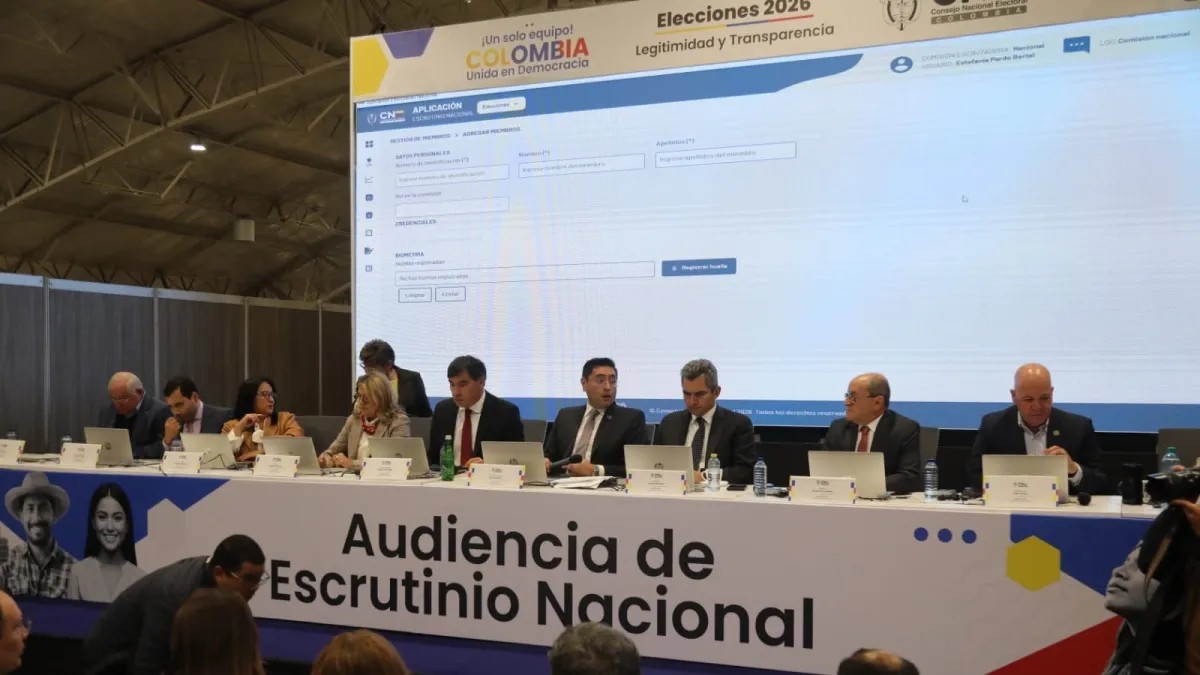
Bogotá, Colombia – July 16, 2026 – After a protracted and often contentious three-month process, Colombia’s National Electoral Council (CNE) has finally concluded the national scrutiny of the legislative elections, definitively allocating the remaining seats for the Chamber of Representatives for the 2026-2030 term. In a decisive plenary session held this Thursday, the electoral tribunal adopted the ponencia presented by Magistrate Alba Lucía Velásquez, confirming that the last disputed seat for the Cundinamarca constituency will be awarded to the Partido Mira (Independent Movement of Absolute Renovation). This pivotal ruling not only resolves a fiercely contested electoral battle but also unblocks the final adjudication of special Afro-descendant and Indigenous seats, marking the definitive end of the scrutiny for the March 8, 2026, legislative elections.
The decision brings a much-anticipated closure to a period fraught with legal challenges, political maneuvering, and public debate over the integrity of the electoral process. The CNE’s resolution underscores the institution’s critical role in upholding electoral transparency and ensuring the accurate reflection of the popular vote, even amidst intense pressure from various political factions.
The Long Road to Resolution: A Three-Month Electoral Saga
The journey to this final decision has been anything but straightforward, stretching over three months since the general legislative elections were held on March 8, 2026. The complexity of the Colombian electoral system, combined with extremely narrow vote margins in several constituencies, particularly Cundinamarca, led to an exhaustive review process by the CNE. The delay in finalizing these crucial seats had cast a shadow of uncertainty over the incoming legislative period, impacting the formation of alliances and the initial planning of the next Congress.
The CNE, as the highest electoral authority in Colombia, is tasked with overseeing, regulating, and guaranteeing the transparency of all electoral processes. Its functions include the scrutiny of votes, the declaration of election results, and the resolution of electoral disputes. In this instance, the CNE’s responsibility was magnified by the close contest for the Cundinamarca seat, which became a focal point of national political attention.
The dispute centered on the allocation of the seventh and final ordinary seat for Cundinamarca, a department surrounding the capital Bogotá and holding significant electoral weight. The battle for this last parliamentary position was primarily waged between the Partido Mira, the Partido Liberal, and Cambio Radical, all of whom presented claims and counterclaims regarding the vote counts. The CNE’s role was to meticulously review these claims, which often involved scrutinizing thousands of ballot papers, electoral records, and procedural reports from polling stations across the department.
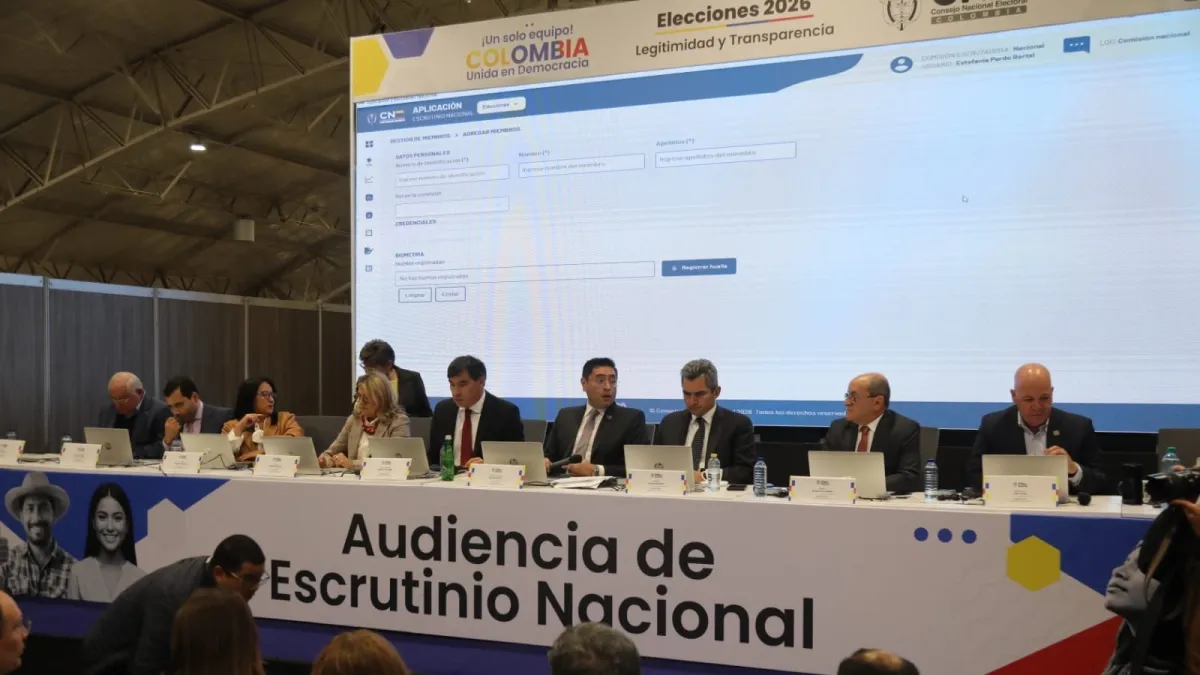
Magistrate Alba Lucía Velásquez’s ponencia, ultimately adopted by the full plenary, concluded that the appeals and objections lodged by the contending parties—specifically the Liberal Party and Cambio Radical—lacked sufficient evidentiary basis to alter the initial vote counts significantly enough to shift the seat. Her detailed analysis affirmed the validity of the results that placed the Partido Mira in a winning position for the final Cundinamarca curul.
With this decision, the composition of the Chamber of Representatives for Cundinamarca for the 2026-2030 term is now definitively established:
- Pacto Histórico: Heiner de Jesús Gaitán, Francy Natalia Moreno, Yeisson Gerardo Suárez
- Centro Democrático y Mira (Coalition): Hilda Gutiérrez and Diana Maritza Álvarez (who secures the seventh disputed seat)
- Partido Conservador: Julio Roberto Salazar
- Partido Demócrata: Daniel Felipe Bernal
This final roster reflects the political diversity of the region and sets the stage for the legislative work ahead, allowing elected representatives to fully prepare for their roles without the cloud of electoral uncertainty.
Chronology of a Contentious Resolution
The path to Thursday’s decision was marked by several critical junctures and intense internal debates within the CNE, highlighting the significant political stakes involved:
March 8, 2026: Legislative Elections Held
Colombians cast their votes for members of the Senate and the Chamber of Representatives. While most results were clear relatively quickly, a handful of seats, particularly in Cundinamarca, remained too close to call, triggering a prolonged scrutiny process.

Post-Election Period (March – June 2026): Initial Scrutiny and Claims
Following the preliminary counts, the CNE embarked on the official scrutiny. This phase involved reviewing all electoral records, resolving inconsistencies, and addressing formal complaints (reclamaciones) filed by political parties. The narrow margins in Cundinamarca meant that every vote and every claim became critical, leading to a meticulous, often slow, examination of the electoral data. Parties like the Liberal Party and Cambio Radical, sensing an opportunity, intensified their efforts to find irregularities that could swing the balance in their favor.
Early July 2026: Álvaro Hernán Prada’s Rejected Ponencia
The dispute reached a fever pitch in the weeks leading up to the final decision. On a Saturday in early July, Magistrate Álvaro Hernán Prada presented a ponencia (a draft resolution) to the CNE plenary proposing that the Cundinamarca seat be awarded to Cambio Radical. This proposal immediately ignited a firestorm of controversy. The ponencia was reportedly leaked to social media, sparking widespread public debate and drawing sharp criticism from the Liberal Party and the Partido Mira. Both parties issued strong communiqués, publicly warning that Prada’s proposal lacked sufficient electoral backing and did not accurately reflect the votes cast on March 8. They argued that the claims made by Cambio Radical were insufficient to overturn the existing vote counts.
The leakage of a confidential draft resolution added another layer of complexity and distrust to an already delicate process. It raised questions about the internal security protocols of the CNE and fueled speculation about external pressures influencing the tribunal’s decisions. The public nature of the debate intensified the scrutiny on the magistrates, placing them under considerable pressure to deliver a decision that was perceived as fair and legally sound.
Mid-July 2026: Rejection of Prada’s Ponencia and Recusation Attempt
In a subsequent plenary session, the CNE collectively rejected Magistrate Prada’s ponencia. The consensus among the magistrates was that Cambio Radical’s claims, despite their intensity, were indeed insufficient to surpass the vote totals of the Liberal Party and the Partido Mira. This rejection cleared the way for the next magistrate in line to present a new proposal.
The responsibility then fell to Magistrate Alba Lucía Velásquez. Her anticipated ponencia was expected to bring a definitive end to the debate. However, just as she was preparing to present her findings, Cambio Radical filed a formal request for her recusation. A recusation is a legal mechanism by which a party requests a judge or magistrate to recuse themselves from a case due to perceived bias or a conflict of interest. Cambio Radical argued that Velásquez might not be impartial, given the prior rejection of the ponencia that favored them.

Wednesday, July 15, 2026: CNE Rejects Recusation
The CNE plenary, after deliberating on the merits of Cambio Radical’s recusation request against Magistrate Velásquez, unanimously rejected it. This decision affirmed Velásquez’s impartiality and cleared the path for her to present her ponencia without further procedural impediments. The rejection of the recusation was a critical step, demonstrating the CNE’s determination to proceed with the legal process and prevent further delays based on unsubstantiated claims of bias.
Thursday, July 16, 2026: Final Decision Adopted
With the recusation dismissed, Magistrate Alba Lucía Velásquez presented her ponencia to the CNE plenary. Her proposal, which advocated for awarding the seventh Cundinamarca seat to the Partido Mira, was ultimately adopted. This final decision formally brought an end to the extended scrutiny process for the legislative elections.
Supporting Data and Legal Framework
The CNE’s decision is rooted in a meticulous application of Colombia’s electoral code and constitutional provisions governing vote counting and dispute resolution. The core of the legal challenge in Cundinamarca lay in what are known as "reclamaciones" or electoral claims. These claims typically involve allegations of numerical errors, miscounting of votes, improper tabulation, or issues with the validity of certain ballots or polling station reports.
In close contests, even minor discrepancies can become decisive. The CNE’s magistrates are required to review these claims systematically, often involving a recount or re-evaluation of specific voting tables. The legal standard for overturning an initial result is high; claimants must provide concrete, verifiable evidence of errors substantial enough to change the outcome. In the case of Cundinamarca, Magistrate Velásquez’s ponencia concluded that the evidence presented by the Liberal Party and Cambio Radical did not meet this threshold. The aggregate of their claims, even if some minor errors were found, was not sufficient to overcome the vote difference in favor of the Partido Mira.
The CNE’s process for resolving such disputes involves several stages:

- Initial Scrutiny: Local and departmental electoral commissions conduct preliminary counts.
- National Scrutiny: The CNE takes over, reviewing all records and addressing initial complaints.
- Presentation of Ponencias: Magistrates assigned to specific cases draft proposals for resolution based on their review of evidence.
- Plenary Deliberation: The full CNE body debates and votes on the proposed ponencias.
- Final Resolution: The adopted ponencia becomes the official decision, which is then formally communicated.
The integrity of this process is paramount for democratic legitimacy. The CNE’s ability to withstand political pressure, as evidenced by the rejection of Prada’s ponencia and the dismissal of Velásquez’s recusation, reinforces its role as an independent arbiter in electoral matters. However, the length of the process itself often raises questions about efficiency and the potential for political interference, issues that are frequently debated in Colombian political circles.
Official Responses and Political Reactions
While the official statements from the involved parties are yet to be fully released, the immediate reactions can be inferred from their prior actions and public postures.
Partido Mira: As the beneficiary of the CNE’s final decision, the Partido Mira is expected to welcome the ruling, emphasizing the validation of their electoral support and the transparency of the process. Sources close to the party expressed relief, stating that the decision "confirms the will of the voters of Cundinamarca and puts an end to an unnecessary delay." The party will now focus on preparing its representative, Diana Maritza Álvarez, for her role in the upcoming legislative term.
Cambio Radical: Having seen their hopes dashed by the rejection of two ponencias (Prada’s original and the one by Velásquez), Cambio Radical is likely to express disappointment, potentially questioning the CNE’s methodology or the interpretation of the electoral code. Their earlier attempt to recuse Magistrate Velásquez indicates their strong belief that the process was not entirely fair or that they had a stronger claim. While the CNE’s decisions are generally final in electoral matters, parties often use public statements to voice their discontent and rally their supporters.
Partido Liberal: Similarly, the Liberal Party, which was also vying for the last seat, will likely express regret at the outcome. Their warnings about the lack of electoral basis for Prada’s earlier ponencia suggest a commitment to the strict application of electoral law. They will now shift their focus to their other elected representatives and their legislative agenda for the 2026-2030 term.

National Electoral Council (CNE): The CNE, through its President or a designated spokesperson, is expected to issue a formal statement emphasizing the meticulous nature of their review, the legal basis of their decision, and the completion of their constitutional duty. This statement will likely highlight the CNE’s commitment to upholding electoral integrity and ensuring the finality of the results, despite the protracted nature of the scrutiny. The successful conclusion of the entire scrutiny process, including the unblocking of special circumscription seats, will be a key point of their communication.
Implications for Colombian Politics and Governance
The CNE’s final decision has several significant implications for Colombia’s political landscape and the functioning of its democratic institutions:
Composition of the Chamber of Representatives
With all ordinary seats for the 2026-2030 term now defined, the Chamber of Representatives can formally constitute itself. The allocation of the Cundinamarca seat to the Partido Mira, as part of the Centro Democrático y Mira coalition, will subtly shift the balance of power within the legislature. While a single seat may not dramatically alter the overall political dynamics, it can be crucial in tight votes or for forming specific legislative blocs and alliances. The final roster of representatives allows political parties to consolidate their strategies and prepare for the legislative agenda that will commence in July/August 2026.
Unblocking Special Circumscription Seats
A critical direct implication of this decision is the immediate unblocking of the special Afro-descendant and Indigenous seats in the Chamber of Representatives. These seats, designed to ensure representation for historically marginalized communities, could not be formally allocated until the overall national scrutiny, including the Cundinamarca dispute, was fully resolved. The CNE has confirmed that the credentials for these representatives will be delivered on Friday, July 17, 2026. This is a crucial step for the legitimate representation of these communities and allows them to take their rightful place in the national legislature. The delay had caused significant frustration within these communities, highlighting how interconnected the various aspects of electoral scrutiny can be.
CNE’s Credibility and Efficiency
The prolonged nature of this scrutiny, lasting over three months, inevitably raises questions about the efficiency and speed of Colombia’s electoral justice system. While the CNE ultimately delivered a decision based on legal merits, the extended uncertainty can erode public trust and create an environment ripe for political speculation and pressure. The CNE’s handling of the leaked ponencia and the recusation attempt demonstrated its resilience in the face of controversy, but the episode also highlighted vulnerabilities in its internal processes and communications. Future electoral reforms might consider mechanisms to expedite scrutiny processes, especially in cases of extremely narrow margins, to prevent such prolonged periods of uncertainty.

Political Stability and Future Alliances
The definitive end to the electoral scrutiny brings a degree of political stability, allowing the incoming government and the newly elected Congress to focus on policy-making. The conclusion of these disputes means that parties can now fully commit to forming coalitions, negotiating legislative agendas, and preparing for the challenges of the next four years. For the involved parties, the outcome will shape their strategies for the remainder of the 2026-2030 term and potentially influence their alliances in future elections. Cambio Radical and the Liberal Party, having lost this specific battle, will need to re-evaluate their positions and strategies within the broader political spectrum.
Precedent for Future Electoral Disputes
This case sets an important precedent for how the CNE will handle future electoral disputes, particularly those involving very close margins and multiple claims. The emphasis on rigorous evidentiary standards for overturning initial vote counts reinforces the principle that electoral results, once established, are robust and require substantial proof to be altered. It also underscores the importance of the CNE’s independence and its commitment to legal due process, even under intense political and public scrutiny.
In conclusion, the CNE’s final decision on the Cundinamarca seat represents a significant milestone in Colombia’s 2026 electoral cycle. While the process was lengthy and controversial, its resolution allows the country to move forward with its newly elected legislative body, ensuring that the will of the voters, as determined through a comprehensive legal review, is ultimately respected. The coming days will see the formal accreditation of all remaining representatives, marking the official commencement of the new parliamentary term.
JUAN SEBASTIÁN LOMBO DELGADO
Political Section Editor
El Tiempo