Bogotá, Colombia – July 21, 2026 – In a significant political development marking the commencement of Colombia’s new legislative quadrennium, Senator Honorio Henríquez of the Centro Democrático party was elected President of the Senate of the Republic for the 2026-2027 legislative period. The election, held this past Sunday, July 20, saw Henríquez secure 56 votes in the plenary session, overcoming Alfredo Deluque of the Partido de la U, who garnered 45 votes. One blank vote was also registered. This victory places a prominent figure from the right-leaning Centro Democrático at the helm of the legislative branch for its crucial inaugural year, tasked with guiding the country’s parliamentary agenda and fostering democratic discourse amidst a new political landscape.
The outcome of this closely watched internal congressional race not only solidifies the Centro Democrático’s influence in the early stages of the incoming government’s term but also sets the tone for the intricate balance of power and alliances that will define the legislative landscape. Henríquez’s election was met with immediate congratulations from former President Álvaro Uribe Vélez, a pivotal figure within the Centro Democrático, who lauded the new president’s character and assured his commitment to democratic principles. Henríquez, in turn, has pledged to uphold unity and ensure guarantees for all political sectors represented in the Senate, irrespective of their alignment with the incoming executive branch.
A New Legislative Chapter Begins: The Election Process
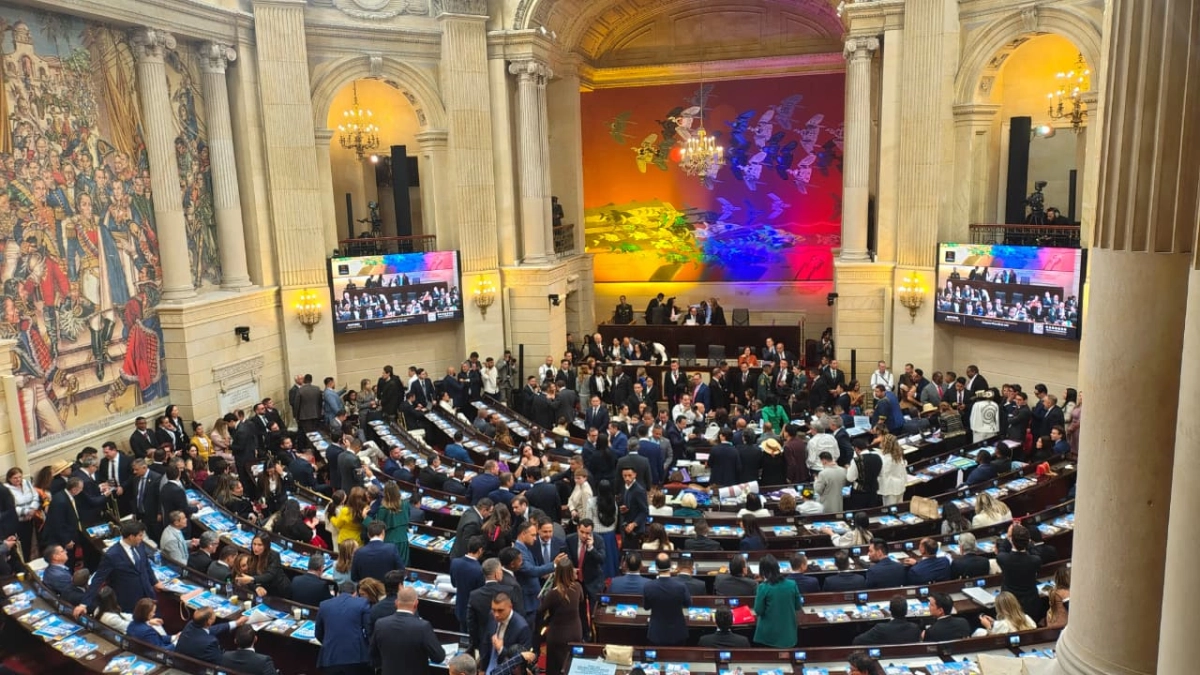
The election of Honorio Henríquez unfolded on Sunday, July 20, following the solemn inauguration of the 103 senators in the historic Salón Elíptico of the Capitolio Nacional. This ceremony traditionally marks the formal opening of the legislative period, setting the stage for the crucial decisions that will shape Colombia’s future for the next four years. With the newly sworn-in senators taking their seats, the immediate order of business was to constitute the new Mesa Directiva (Steering Committee), with the presidency being the most coveted position.
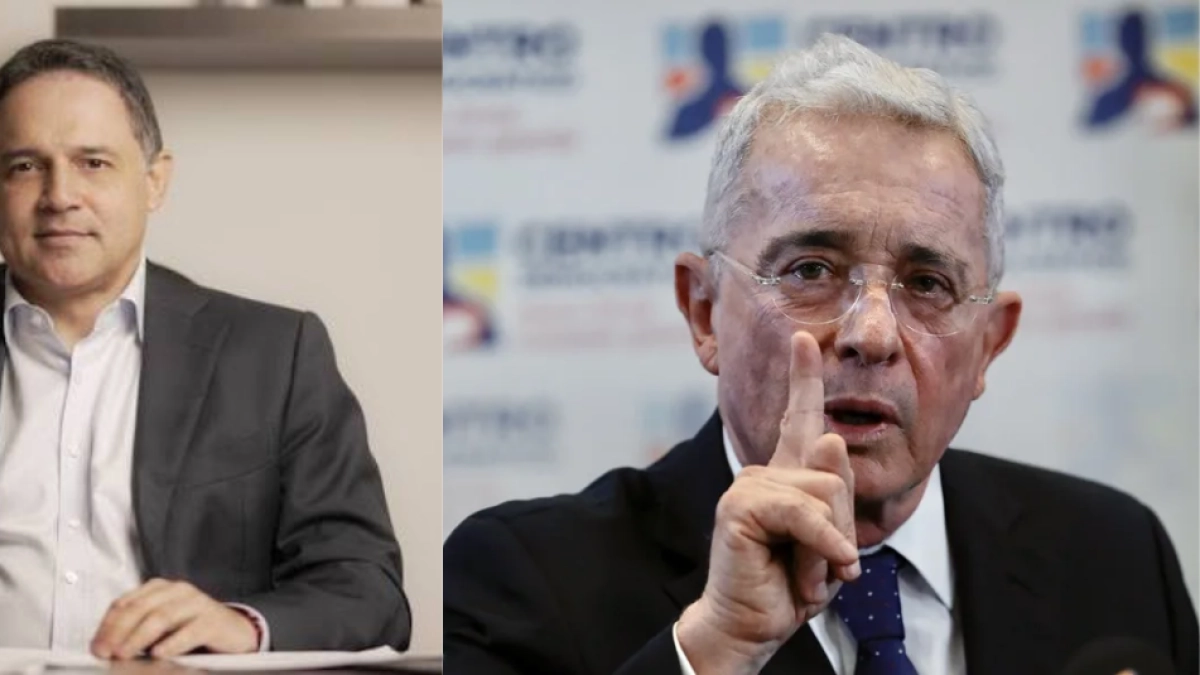
The selection process for the Senate Presidency is governed by the chamber’s internal regulations, which stipulate a secret ballot to ensure fairness and prevent undue influence. This method allows senators to cast their votes discreetly, reflecting their true preferences or the outcome of inter-party negotiations. For this particular period, two candidates emerged as the primary contenders: Alfredo Deluque, representing the Partido de la U, and Honorio Henríquez, put forth by the Centro Democrático. Both parties are significant players in the Colombian political arena, each bringing distinct ideologies and support bases to the legislative body.
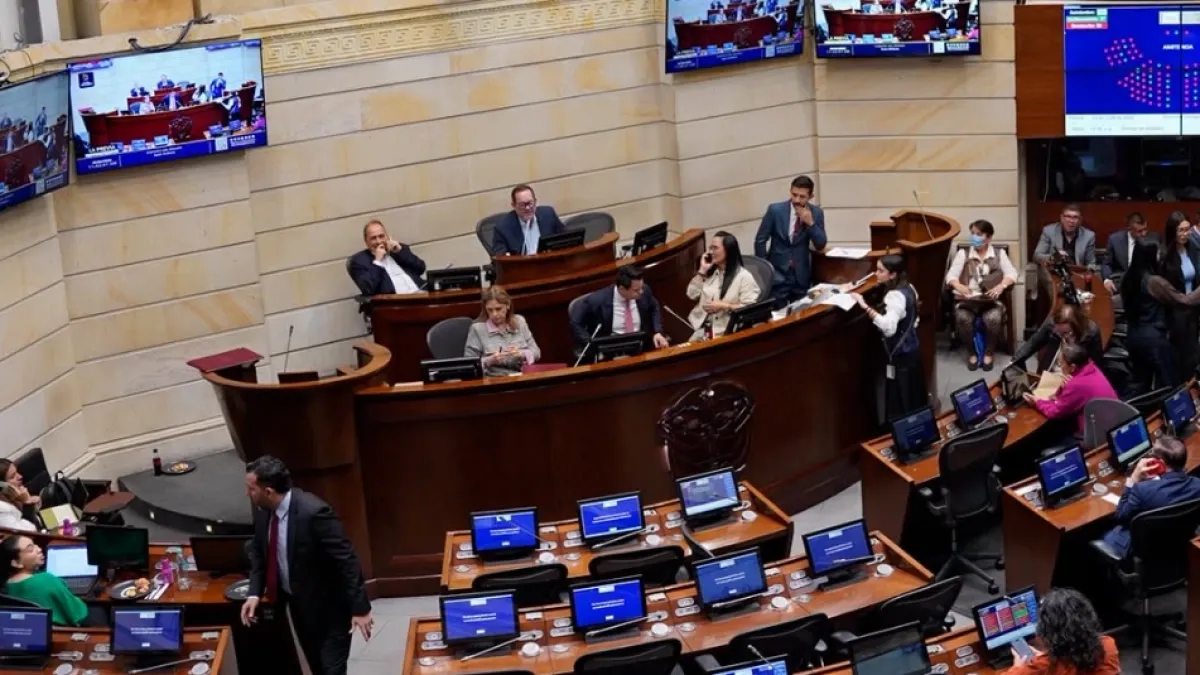
The tension in the Salón Elíptico was palpable as the votes were cast and subsequently counted. The final tally revealed a clear preference for Henríquez, who secured a decisive majority of 56 votes. Deluque, despite a strong showing, fell short with 45 votes. The single blank vote underscored the complexities of parliamentary negotiations, where sometimes a faction may choose not to endorse either candidate as a form of protest or strategic abstention. This outcome formally declared Henríquez as the new President of the Senate for the 2026-2027 term, tasking him with the immense responsibility of leading the upper house of Colombia’s Congress.
A Political Barometer: Understanding the Vote and its Dynamics
The 56-45-1 vote count for the Senate Presidency is more than just a numerical result; it serves as a critical barometer of the early power dynamics and coalition-building efforts within the new Congress. This majority for the Centro Democrático candidate suggests a successful round of negotiations and agreements among various bancadas (parliamentary groups) and political movements. In the intricate world of Colombian politics, securing such a position often requires forging alliances, offering concessions, and demonstrating the capacity to build broad consensus across different ideological spectrums.

The Senate Presidency is not merely a ceremonial role; it is a position of immense strategic importance within the Colombian political system. The President of the Senate is also, by default, the President of the entire Congress of the Republic. This dual role grants the incumbent significant authority over the legislative agenda, the scheduling of debates, and the overall management of parliamentary proceedings. Historically, the party that secures the Senate Presidency often gains a crucial advantage in pushing its legislative priorities, shaping the national debate, and influencing the direction of government policies.
The Centro Democrático, founded by former President Álvaro Uribe Vélez, represents a conservative and often right-wing political force in Colombia. Its consistent presence and influence in Congress make its capture of the Senate Presidency a notable achievement, particularly at the outset of a new governmental term. The Partido de la U, on the other hand, typically positions itself as a more centrist or even center-right party, known for its pragmatic approach and willingness to form alliances across the political spectrum. The competition between these two parties for such a pivotal role highlights the ongoing shifts and realignments within Colombia’s political landscape, as various factions vie for control and influence in shaping the nation’s future.
The "acuerdos entre bancadas y movimientos políticos" mentioned in the original report are the unseen engines of such elections. These agreements often involve commitments regarding the distribution of other key positions in the Mesa Directiva (such as the Vice-Presidencies and Secretariats), support for specific legislative initiatives, or even broader political pacts concerning the relationship with the executive branch. Henríquez’s victory indicates that the Centro Democrático successfully navigated these complex negotiations, assembling a coalition robust enough to secure the top legislative post.
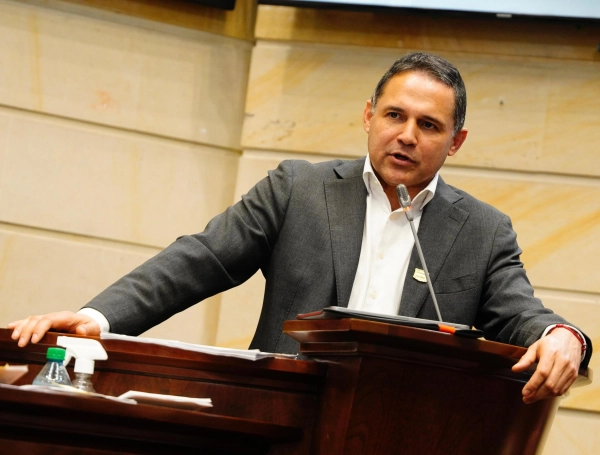
Profiles of the Contenders: Honorio Henríquez and Alfredo Deluque
To fully appreciate the significance of this election, it is important to understand the backgrounds and political trajectories of the two main contenders.
Honorio Henríquez: A seasoned politician and a stalwart of the Centro Democrático, Honorio Henríquez brings a wealth of experience to the Senate Presidency. His political career has been largely intertwined with the rise and sustained influence of the Uribista movement. Known for his measured demeanor and adherence to conservative principles, Henríquez has consistently championed policies aligned with the Centro Democrático’s platform, which typically emphasizes national security, economic freedom, and a strong state presence in certain sectors. His selection by his party as a candidate for the presidency reflects their trust in his leadership abilities and his capacity to represent their ideological stance effectively within the legislative body. His long tenure in the Senate has provided him with an intimate understanding of parliamentary procedures and the art of political negotiation, qualities that will be essential in his new role.
Alfredo Deluque: Representing the Partido de la U, Alfredo Deluque is also a prominent figure in Colombian politics. His party, while having supported various administrations over the years, has often sought to occupy a more centrist ground, advocating for social programs alongside economic development. Deluque himself is known for his legal background and his work on various legislative committees. His candidacy for the Senate Presidency underscored his party’s ambition to play a central role in the legislative agenda and to potentially serve as a bridge between different political factions. Although he did not win, securing 45 votes demonstrates a significant level of support and influence for Deluque and the Partido de la U within the Senate, indicating that they will remain a formidable force in legislative debates.

The ideological leanings and political strategies of these two individuals and their respective parties were key factors in the pre-election maneuvering. Henríquez’s victory can be interpreted as a consolidation of the Centro Democrático’s power base and a testament to its organizational strength and ability to form effective alliances within the Congress.
Reactions from the Political Spectrum: Endorsements and Pledges
The announcement of Honorio Henríquez’s election immediately sparked reactions from across the Colombian political spectrum, most notably from former President Álvaro Uribe Vélez.
Uribe’s Endorsement and its Resonance
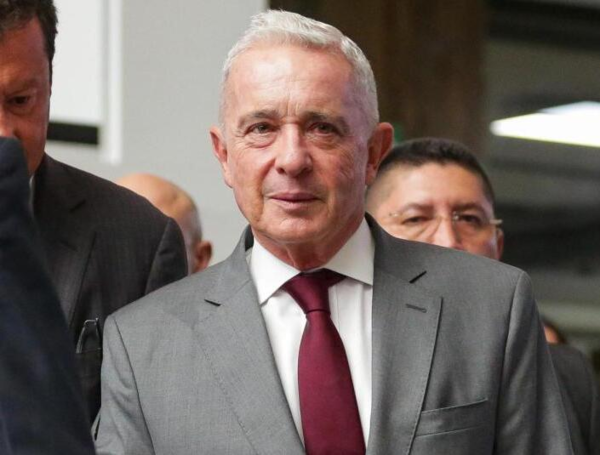
Shortly after the results were confirmed, former President Álvaro Uribe Vélez, the founder and spiritual leader of the Centro Democrático, took to his personal X (formerly Twitter) account to congratulate Henríquez. Uribe’s message was succinct but potent, highlighting attributes that resonate deeply with his political base: "The Senate elected Honorio Henríquez as president, a measured, transparent citizen, a guarantee for the correct democratic flow. Many thanks to all who trusted him, and he will do well for Colombia."
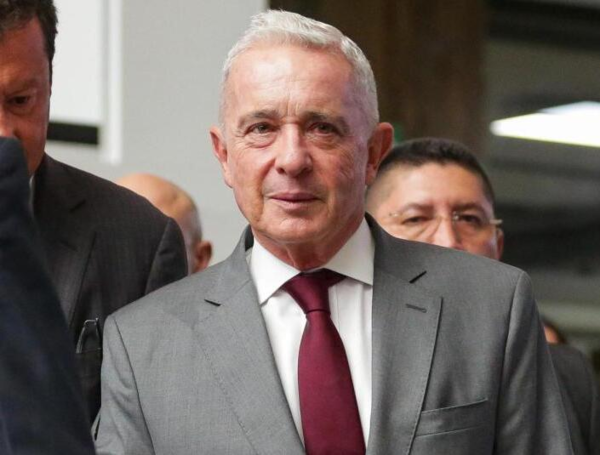
Uribe’s public endorsement carries significant weight. Despite no longer holding presidential office, he remains an immensely influential figure in Colombian politics. His characterization of Henríquez as "mesurado" (measured/temperate) and "transparente" (transparent) speaks to a desire for stability and probity in leadership, particularly in a political climate often fraught with polarization. The phrase "garantía para el correcto discurrir democrático" suggests an expectation that Henríquez will uphold parliamentary norms, protect minority rights, and ensure that legislative processes are conducted fairly and according to the rule of law. This statement not only celebrates Henríquez’s victory but also serves as a subtle directive to his party and allies regarding the conduct expected from the new Senate President. It reinforces the Centro Democrático’s commitment to democratic institutionalism, even as it seeks to advance its own political agenda.
Henríquez’s Pledge of Unity and Guarantees
Upon learning of his victory, Honorio Henríquez delivered an initial message emphasizing unity and inclusivity. He assured that he would extend guarantees to "all sectors with a seat in the Senate," explicitly mentioning both those "allied with and opposed to the incoming government." This pledge is crucial, particularly at the beginning of a new legislative term and with a new executive branch taking office. The President of the Senate plays a vital role in mediating disputes, ensuring that all voices are heard, and facilitating constructive debate.
His commitment to guaranteeing all sectors reflects an understanding of the diverse political landscape within the Colombian Senate. It is an acknowledgment that effective legislative work requires cooperation and respect, even amidst profound ideological differences. For an incoming government, having a Senate President who pledges impartiality and guarantees for all can be a double-edged sword: it ensures democratic process but also means the government’s agenda may face rigorous scrutiny and potential opposition. Henríquez’s ability to live up to this promise will be closely watched, as it will significantly impact the legislative productivity and the overall health of democratic dialogue in Colombia over the next year.

While no immediate public statements from Alfredo Deluque or the Partido de la U were provided in the original article, it is customary for the losing candidate and their party to acknowledge the results and express their commitment to working constructively within the legislative framework, even from a position of less direct power.
The Road Ahead: Legislative Agenda and Governance
Honorio Henríquez’s election as President of the Senate carries profound implications for Colombia’s legislative agenda and the dynamics of governance during the 2026-2027 period.
Steering the Legislative Ship
Beyond presiding over the Senate’s plenary sessions, Henríquez’s most critical function will be to coordinate the legislative agenda for the entire Congress. This involves prioritizing bills, scheduling debates, and ensuring the timely processing of legislative initiatives. At the start of a new quadrennial period, the legislative calendar is typically packed with crucial proposals. These often include:
- Government Reforms: The incoming executive branch will undoubtedly have a set of reform proposals, ranging from economic policies to social programs, and possibly even constitutional amendments. Henríquez’s role will be pivotal in determining the speed and emphasis with which these proposals are considered.
- Budgetary Debates: The national budget is a cornerstone of legislative work. Henríquez will oversee the rigorous scrutiny and approval of the nation’s financial blueprint, a process that involves intense negotiations and compromises among various political forces.
- Peace Process Implementation: Depending on the status of peace agreements and ongoing conflicts, legislation related to peacebuilding, victim reparations, and rural development often remains a priority.
- Social and Economic Policy: Bills addressing issues such as healthcare, education, environmental protection, and employment will demand significant attention, reflecting the diverse needs and concerns of Colombian society.
Henríquez’s leadership will be instrumental in ensuring that these complex issues are addressed efficiently and effectively, balancing the urgency of governmental proposals with the need for thorough deliberation and public participation.
Navigating Executive-Legislative Dynamics
The election of a Centro Democrático senator to the highest legislative post, particularly at the dawn of a new presidential term, has significant ramifications for the relationship between the executive and legislative branches. If the incoming government is ideologically opposed or significantly different from the Centro Democrático, Henríquez’s presidency could present a formidable challenge to its legislative ambitions. A Senate President from a strong opposition party could strategically delay or modify key government initiatives, force compromises, and amplify dissenting voices. Conversely, if the Centro Democrático is part of a broader governing coalition, Henríquez’s election would solidify the government’s legislative control and facilitate the passage of its agenda. The original article’s mention of "gobierno entrante" and "tanto afines como contrarios al gobierno entrante" suggests a context where the relationship is not entirely settled, making Henríquez’s position a critical determinant of early political momentum.
The constitutional framework of Colombia, particularly Law 5 of 1992, outlines the specific powers and responsibilities of the Congress and its president. Henríquez will be tasked with upholding these mandates, ensuring that the legislative branch functions as an independent check on executive power, while also collaborating on matters of national interest. This delicate balance requires shrewd political acumen and a commitment to institutional integrity.

Challenges and Expectations
The year ahead for Honorio Henríquez will be fraught with challenges. He will need to:
- Manage internal divisions: The Senate is a microcosm of Colombia’s diverse political landscape, and internal disagreements are inevitable. Henríquez must foster an environment of respectful debate and consensus-building.
- Maintain public trust: In an era of heightened scrutiny of political institutions, the Senate President’s conduct and commitment to transparency will be vital in bolstering public confidence in the legislative process.
- Respond to national crises: Colombia often faces complex social, economic, and security challenges. Henríquez will play a leading role in guiding the legislative response to these critical issues.
His promise of unity and guarantees for all sectors will be tested early and often. Successfully navigating these complexities will not only define his presidency but also significantly influence the effectiveness and legitimacy of the Colombian Congress during this crucial first year of the new quadrennium.
In conclusion, Honorio Henríquez’s election to the Senate Presidency marks a pivotal moment in Colombia’s political calendar. It reflects the intricate dance of alliances and power within the legislative branch and sets the stage for a year of intense legislative activity and political negotiations. His leadership will be critical in shaping the national agenda, mediating diverse interests, and upholding the democratic principles upon which the Colombian Republic stands.