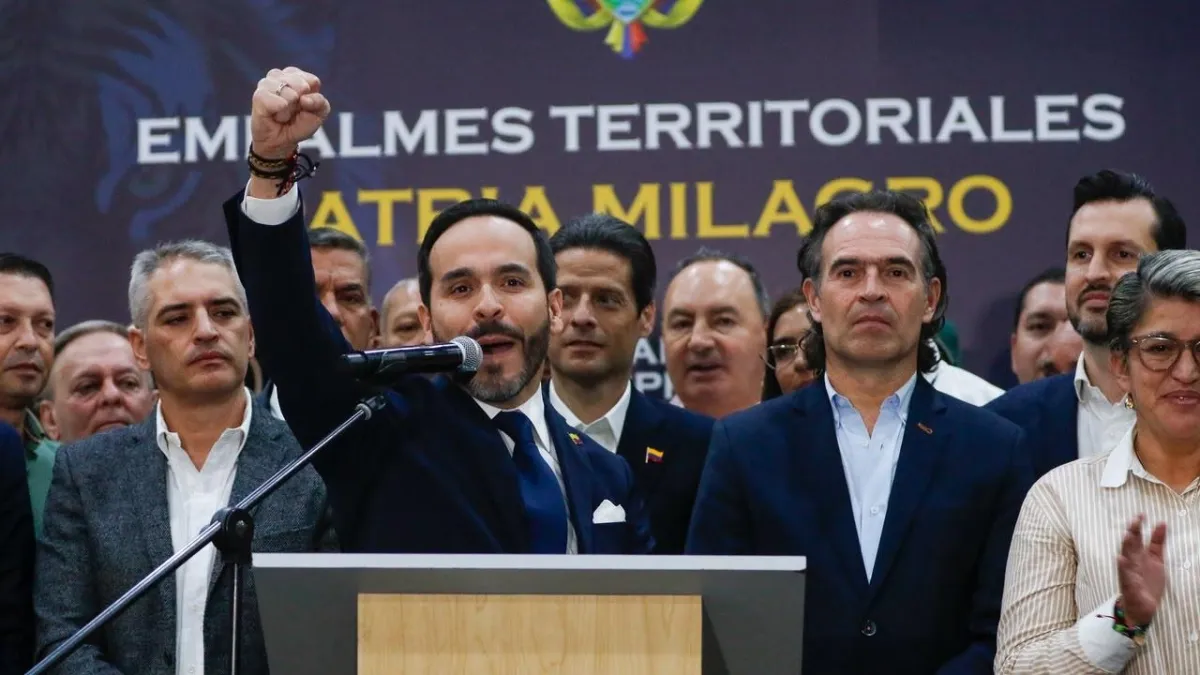
Bogotá, Colombia – July 23, 2026 – A significant political realignment has sent ripples of concern through Colombia’s peace-building community this week, as 11 of the 16 representatives holding the Special Transitory Peace Constituencies (CITREP) in the House of Representatives announced their unequivocal support for President-elect Abelardo De La Espriella. This declaration has ignited a fierce debate, as De La Espriella is a vocal critic of the 2016 Havana Peace Accord, the very agreement that established these seats to ensure political representation for victims of the armed conflict. His proposed agenda includes dismantling key components of the Accord, making the endorsement by those meant to safeguard its legacy a profound paradox.
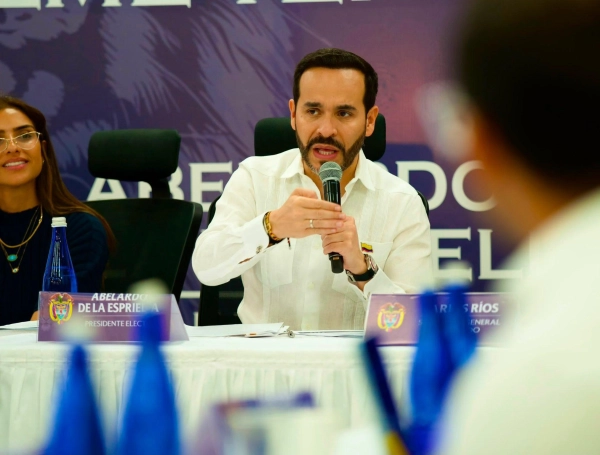
The formal statement, signed by the majority of CITREP members elected for the 2026-2030 constitutional period, pledged "free, autonomous, and independent" support for "the construction of ‘La Patria Milagro’ (The Miracle Homeland) led by President-elect, Dr. Abelardo de la Espriella." This move, perceived by many as a pragmatic gamble for influence or, more cynically, as a capitulation to traditional political forces, underscores the complex and often contradictory dynamics at play in Colombia’s arduous journey towards lasting peace and reconciliation.
Main Facts: A Bold Endorsement and its Contradictions
The core of the controversy lies in the fundamental disconnect between the mandate of the Special Transitory Peace Constituencies (CITREP) and the declared intentions of President-elect Abelardo De La Espriella. These 16 seats in the House of Representatives were a cornerstone of the 2016 Peace Accord between the Colombian government and the FARC guerrillas. Their explicit purpose was to provide a direct voice in Congress for communities and victims in 167 municipalities most severely affected by decades of internal armed conflict, ensuring their unique needs and perspectives were integrated into national policy-making. The representatives were meant to be independent, deeply rooted in their communities, and dedicated to the comprehensive implementation of the Accord, particularly its territorial components focused on rural reform, victim reparations, and political participation.
President-elect De La Espriella, a prominent legal figure and a rising political force, has consistently articulated a critical stance towards the Havana Accord. His campaign rhetoric and subsequent policy proposals have included calls for significant reforms, if not outright elimination, of crucial mechanisms established by the agreement. Specifically, he has suggested dismantling the Special Jurisdiction for Peace (JEP), the transitional justice mechanism designed to investigate, prosecute, and sanction serious human rights violations committed during the conflict. Furthermore, he has announced his intention to dissolve the Unit for the Implementation of the Peace Accord, transferring its functions to a rebranded "High Council for Security," signaling a shift in focus from peace-building to security-centric approaches.
Given this stark ideological divergence, the announcement by 11 of the 16 CITREP representatives to back De La Espriella immediately raised eyebrows. Critics argue that this endorsement constitutes a betrayal of the very principles and communities they were elected to represent. How can those whose political existence is owed to the Peace Accord align themselves with a leader committed to undoing its foundational pillars? This question lies at the heart of the current political tempest.
Among the most prominent signatories of the declaration is Jorge Rodrigo Tovar, elected by Constituency No. 12, representing victims in the Serranía del Perijá region (Cesar and La Guajira). Tovar’s background adds another layer of complexity to the narrative: he is the son of former paramilitary commander Rodrigo Tovar Pupo, alias "Jorge 40," a notorious figure of the United Self-Defense Forces of Colombia (AUC). His presence among the leaders of this endorsement highlights the intricate and often uncomfortable intersections of conflict, victimhood, and political representation in post-Accord Colombia. Tovar’s assertion that he "proudly accompanies a government that will restore security and tranquility to our territories" and his belief that "the miracle homeland will begin its construction in the Colombia most forgotten and affected by violence" reflect a narrative of prioritizing security and development, even if it means aligning with a critic of the peace framework.

The other ten representatives who signed the declaration hail from diverse conflict-affected regions: Karen López (Urabá Antioqueño); Juan Carlos Vargas (southern Bolívar and Antioquia); Luis Ramiro Ricardo (Bolívar and Sucre); Javier López Díaz (Antioquia); Alejandro Castillo (Meta-Guaviare); Janeth Sabogal (southern Tolima); Tatiana Gaona Pinzón (Catatumbo); Jhon Fredy Valencia (Putumayo); Laura Vanessa Díaz (southern Córdoba); and James Hermenegildo Mosquera (Chocó-Antioquia). Their collective statement argues that their decision is not an ideological defense of De La Espriella, but rather a pragmatic move to ensure the interests of their historically neglected territories are prioritized. They expressed confidence that "La Patria Milagro will effectively honor the historical debt that the State maintains with millions of victims of the armed conflict." This suggests a calculated political maneuver, aiming to secure investment and attention for their regions by aligning with the incoming administration, regardless of its stance on the broader peace process.
Chronology of a Controversial Endorsement
The events leading to this contentious announcement unfolded swiftly, underscoring the immediate political ramifications of the recent presidential election results.
Early July 2026: Presidential Election and Victory of Abelardo De La Espriella.
Following a hotly contested election, Abelardo De La Espriella emerged victorious, securing the presidency. His campaign had been marked by a strong critique of the 2016 Peace Accord, particularly the JEP and the implementation mechanisms, signaling a potential shift in the government’s approach to post-conflict management.
Week of July 14-20, 2026: Internal Deliberations Among CITREP Representatives.
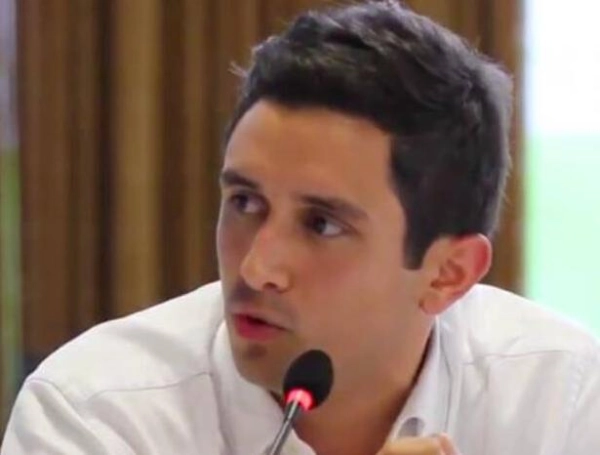
In the wake of De La Espriella’s victory, discussions reportedly began among the 16 CITREP members. The political landscape had fundamentally changed, and representatives from conflict-affected regions faced the challenge of how to engage with an incoming administration that had expressed skepticism about the very framework that gave them their seats. While some likely advocated for staunch defense of the Accord, others began to explore avenues for collaboration, prioritizing the immediate needs of their territories.
Mid-July 2026: Drafting of the Public Declaration.
A core group of representatives, including Jorge Rodrigo Tovar, began drafting a public statement articulating their position. The statement sought to justify their support not as an ideological endorsement of De La Espriella’s anti-Accord stance, but as a strategic move to ensure their regions received vital investment and attention.
This Week (July 21-23, 2026): Public Announcement of Support.
The declaration was formally released, signed by 11 of the 16 CITREP representatives. The timing, just weeks before the new legislative session begins and the presidential inauguration, maximized its political impact, signaling an early alignment with the executive branch. The announcement quickly spread through political circles and media outlets, drawing immediate reactions from both supporters and critics of the Peace Accord.
Immediate Reactions (July 21-23, 2026): Outcry from Peace Accord Defenders.
Almost immediately, prominent figures involved in the negotiation and implementation of the Peace Accord voiced their dismay. Former Interior Minister Juan Fernando Cristo and outgoing director of the Implementation Unit, Gloria Cuartas, were among the first to highlight the perceived contradiction and potential negative implications for the peace process.
Ongoing (July 23, 2026 onwards): Defense of the Decision.
Following the initial wave of criticism, some of the signatory representatives, such as James Hermenegildo Mosquera, publicly defended their decision, reiterating their commitment to the Peace Accord while emphasizing the pragmatic need to engage with the incoming government for the benefit of their communities. Concurrently, analysts like Laura Bonilla from the Pares Foundation offered deeper insights into the structural vulnerabilities of the CITREP seats, suggesting that traditional political co-optation might have played a role in this unexpected alignment.
This swift sequence of events highlights the fluid and often opportunistic nature of Colombian politics, even in the sensitive context of peace-building and victim representation.
Supporting Data: The Fragile Foundations of Peace
The support offered by the CITREP representatives to President-elect De La Espriella cannot be fully understood without delving into the broader context of the Havana Peace Accord and the challenges it has faced since its signing in 2016. The Accord was a monumental effort to end over five decades of conflict with the FARC, predicated on a comprehensive vision of peace that went beyond disarmament. Its six main points included integral rural reform, political participation, an end to the conflict, solutions to the problem of illicit drugs, a robust system of integral truth, justice, reparation, and non-repetition (including the JEP), and mechanisms for implementation and verification.
The Special Transitory Peace Constituencies (CITREP) were a direct outcome of the political participation chapter, designed to address the historical exclusion of conflict-affected regions. These 16 seats represented 167 municipalities, grouped into 16 circumscriptions, which historically suffered the highest levels of violence, state abandonment, and lack of development. The idea was to give these marginalized communities a direct voice, unburdened by traditional political machinery, to advocate for the implementation of the Accord’s territorial development plans (PDETs) and to ensure that the peace dividend reached the grassroots.
However, the implementation of the Accord has been slow, uneven, and plagued by persistent challenges. Many PDET municipalities still grapple with pervasive violence from residual armed groups, illicit economies, and a continued lack of state presence and investment. This context of unfulfilled promises and ongoing insecurity likely contributed to the representatives’ decision to seek alternative avenues for progress.
President-elect De La Espriella’s proposed changes directly target critical components of this already fragile framework. His suggestion to eliminate the JEP is particularly contentious. The JEP is designed to provide justice for victims, offer amnesty to those who lay down arms and confess their crimes, and establish truth about the conflict. Undermining it threatens the delicate balance between justice and peace that underpins the Accord, potentially reigniting old wounds and eroding trust in the transitional justice system. Similarly, the announced dissolution of the Unit for the Implementation of the Peace Accord, and its absorption into a security-focused body, signals a fundamental reorientation. This Unit was specifically tasked with coordinating and monitoring the myriad programs and initiatives outlined in the Accord. Its dismantling could fragment implementation efforts and dilute the civilian, victim-centric focus intended by the agreement.
The historical debt mentioned by the representatives is indeed profound. Generations in these territories have endured displacement, massacres, and systemic neglect. The lack of basic infrastructure, education, healthcare, and economic opportunities remains a stark reality. For many, the promise of the Accord has yet to materialize into tangible improvements in their daily lives. This enduring frustration provides fertile ground for political maneuvers that prioritize immediate gains over long-term fidelity to a complex peace process. The question remains whether De La Espriella’s "Patria Milagro" can deliver on these aspirations without upholding the very foundations laid by the Peace Accord.
Official Responses: A Divided Interpretation
The announcement of support from the CITREP representatives elicited strong and divided reactions from political figures and peace advocates, highlighting the deep fault lines in Colombia’s post-conflict landscape.
Critiques from Defenders of the Peace Accord:
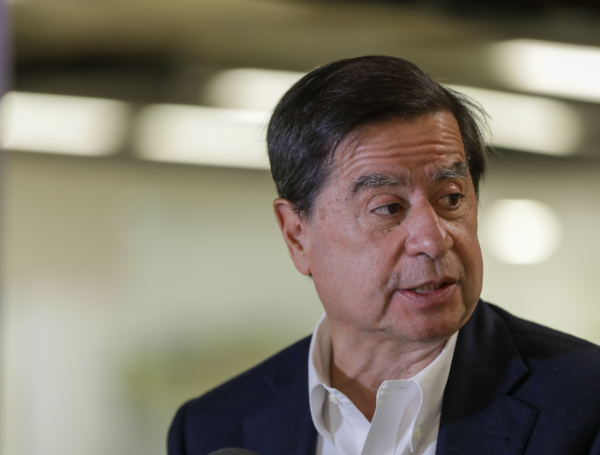
Former Interior Minister Juan Fernando Cristo, a key architect of the Havana Accord, expressed his profound skepticism and concern. "Of course, they can support the incoming government. It’s legitimate to do so," Cristo acknowledged, "What is curious, however, is to support a government that threatens to dismantle the peace agreement that gave representation to victims and territories affected by the conflict." He urged the representatives to use their newfound influence to defend the Accord. "Hopefully, they will meet with the President-elect, defend the agreement, and convince him to implement it. That would indeed be a great achievement that we would immediately applaud." Cristo’s statement encapsulates the sentiment of many who view the endorsement as a dangerous contradiction, potentially undermining the very mechanism that brought these voices to Congress.
Gloria Cuartas, the outgoing director of the Unit for the Implementation of the Peace Accord, emphasized the core responsibilities of the peace constituencies. She stressed that their mandate includes "accompanying and exercising political oversight over the Victims Unit, concerning themselves with the budget for PDET Municipalities, supporting the voluntary substitution of illicit crops, as well as accompanying territorial pacts for transformation." Cuartas’s comments served as a reminder of the practical, ground-level work these representatives are expected to do in advancing the Accord’s objectives, implying that aligning with a government critical of these very objectives could compromise their effectiveness. Her remarks underscored the institutional vision for the CITREP seats, which stands in stark contrast to the political alignment observed.

Defense and Justification from Supporting Representatives:
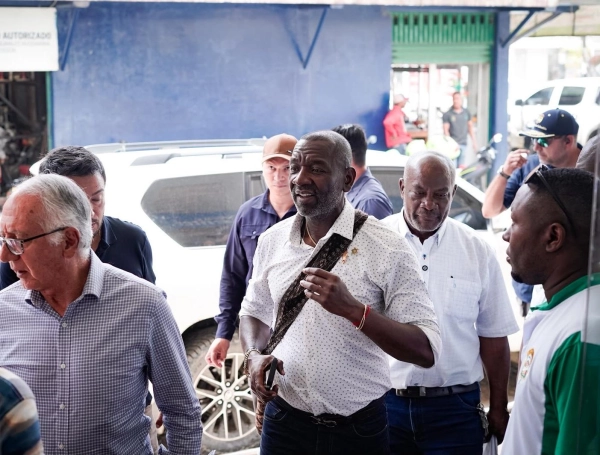
Conversely, James Hermenegildo Mosquera, a CITREP representative for Chocó-Antioquia and a signatory of the declaration, robustly defended the decision. He asserted that their support for President-elect De La Espriella does not imply a renunciation of the Peace Accord’s defense, nor does it ignore the mandate of the communities that elected them. Mosquera articulated a pragmatic rationale: the endorsement is a strategic move to establish a direct channel of communication with the new government, aimed at securing vital investments for the regions most ravaged by conflict.
"We represent 270 municipalities with the hope that social investment can truly reach them," Mosquera affirmed. "What we intend with this manifestation of support is to bring social investment to these territories, for which we must fight." This perspective frames the decision as a necessary political compromise, prioritizing the immediate and pressing needs of their constituents for development and resources over rigid adherence to ideological alignments. For Mosquera and his colleagues, the objective is not to abandon the peace agenda but to find a way to advance it, even if it means negotiating with a skeptical administration. This highlights a tension between the aspirational goals of peace-building and the harsh realities of political maneuvering for scarce resources in a country still deeply scarred by conflict.

Implications: Erosion of Legitimacy and the Future of Peace
The endorsement of President-elect De La Espriella by a majority of the CITREP representatives carries significant implications, not only for the future of the Havana Peace Accord but also for the legitimacy and effectiveness of victim representation in Colombian politics.
One of the most immediate concerns is the potential erosion of the CITREP’s credibility and unique mandate. These seats were designed to be distinct from traditional political parties, offering a truly independent voice for victims. Their alignment with a president who seeks to dismantle parts of the Accord risks blurring this distinction, making them appear as just another bloc susceptible to political horse-trading. This could undermine public trust in these special constituencies and, by extension, in the Accord’s capacity to deliver on its promise of inclusive political participation.
Furthermore, this move could weaken the institutional framework for peace implementation. If the representatives, who are supposed to be watchdogs of the Accord, instead align with a government aiming to reform or reduce its scope, it removes a critical layer of oversight and advocacy within Congress. This could make it easier for the incoming administration to push through changes to the JEP, the Unit for Implementation, or other vital components, potentially setting back years of fragile progress. The voices meant to champion victim rights and territorial transformation might now be perceived as complicit in their dilution.

Laura Bonilla, deputy director of the Peace and Reconciliation Foundation (Pares), offers a crucial analytical perspective that complicates the narrative of a simple "betrayal." According to Bonilla, the decision of the majority of peace constituency representatives cannot be analyzed solely through the lens of the Peace Accord’s ideals. She argues that since their inception, these seats have struggled to consolidate as a truly direct mechanism of representation for conflict victims. In many cases, they have been "co-opted by traditional political structures" that found ways to meet the legal requirements to access these seats through certain local leaders. Bonilla pointedly states that "the relationship of the State with victims’ organizations has been co-opted by clientelist and traditional practices."
This analysis suggests a deeper, systemic issue. The ideal of independent victim representation may have been undermined from the start by Colombia’s entrenched political culture. Bonilla provides concrete examples:
- In Antioquia, Javier Eduardo López, elected for the Movimiento Asociación de Víctimas Constructoras de Paz, reportedly secured his seat with the backing of Julián Bedoya, a controversial regional political "cacique" from the Liberal Party. Bedoya’s influence in Antioquia is well-known, and his association raises questions about the true independence of López.
- In Catatumbo, Tatiana Gaona Pinzón, the elected representative, is said by the Pares Foundation to have the support of the Pinzón clan and her cousin, conservative Congressman Ciro Rodríguez Pinzón. Rodríguez is a historical figure in local politics and closely associated with the political machinery of William Villamizar, the current governor of Norte de Santander. This highlights how familial and established political networks can leverage new electoral opportunities.
- In the Orinoquía region (southern Meta and Guaviare), Alejandro Castillo, from Asoprocacao, who will occupy the peace seat, reportedly enjoys the backing of former Guaviare governor Heydeer Yovanny Palacios (2020-2023). Palacios himself faced charges from the Attorney General’s Office for alleged irregularities in projects financed with General System of Royalties funds, further underscoring the problematic nature of such alliances.
These examples illustrate a troubling pattern where the "new politics" of peace constituencies may have inadvertently become avenues for "old politics" to reassert influence. If these seats are indeed populated by individuals tied to traditional power brokers, their decision to align with the incoming government, even one critical of the Accord, becomes less of a surprising betrayal and more of a predictable maneuver within the established political game. It reflects a survival strategy for individual representatives and their patrons, rather than a principled stand for the Peace Accord’s integrity.

Ultimately, the most profound implications fall upon the communities of the Special Transitory Peace Constituencies themselves. These are the areas that have borne the brunt of the conflict and continue to suffer from pervasive violence, state abandonment, and a dire lack of opportunities. Regardless of the ideological current of the government in power, these communities desperately hope that their territories will finally begin to overcome these persistent problems. Their representatives’ decision, whether driven by genuine pragmatism or by traditional political pressures, will be judged by its ability to deliver tangible improvements to their lives. The true test will be whether "La Patria Milagro" translates into concrete development, security, and justice for these long-suffering regions, or if this political alignment merely serves to further entrench existing power structures at the expense of genuine peace and reconciliation. The stage is set for a contentious new chapter in Colombia’s post-conflict narrative, one where the promise of peace hangs precariously in the balance.