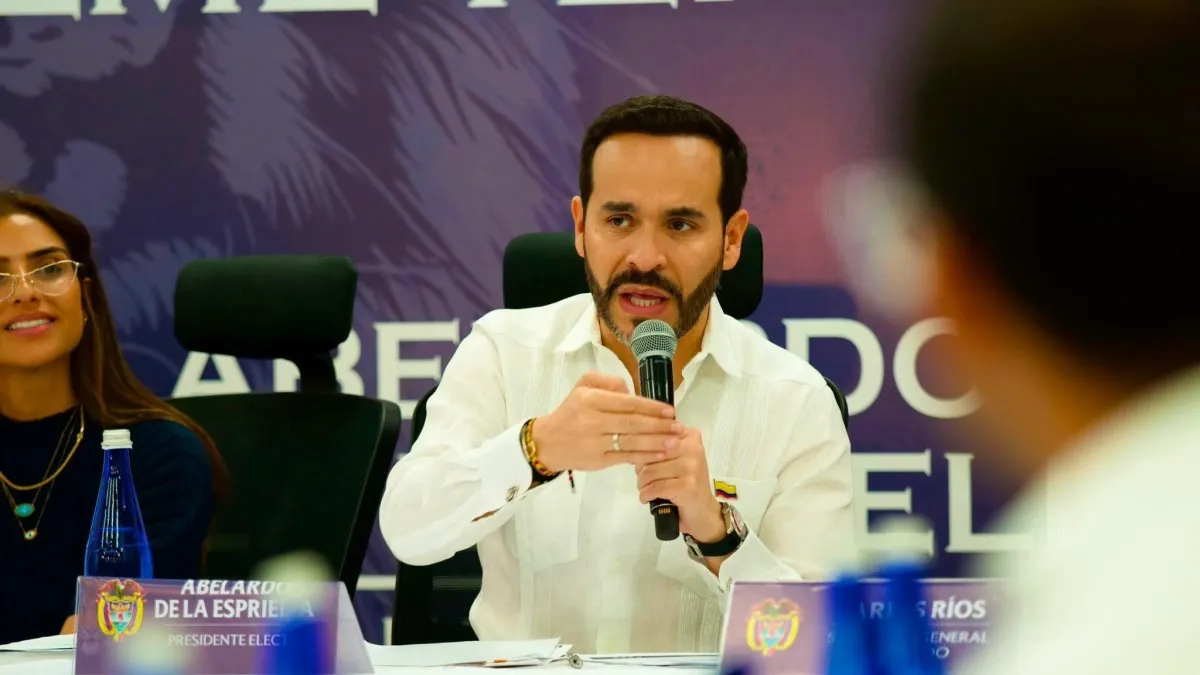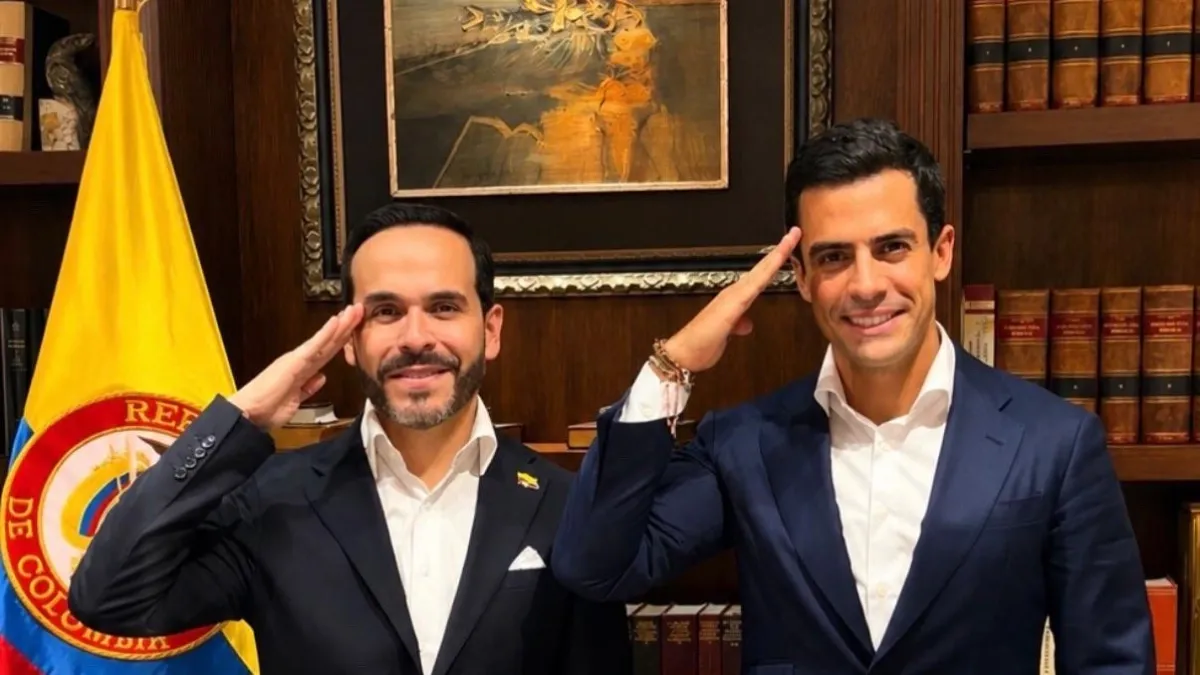
Bogotá, Colombia – July 16, 2026 – In a significant political development just days before the official installation of the new legislative period, Representative Nicolás Barguil, a prominent figure from the Conservative Party, is poised to assume the presidency of the Colombian House of Representatives for its inaugural year. This strategic appointment is the culmination of intricate negotiations and a consolidated agreement among various political factions, solidifying the Conservative Party’s influence in the initial phase of President-elect Abelardo De La Espriella’s administration.
The consensus reached not only positions Barguil at the helm of the lower chamber but also outlines a meticulously structured rotation of the presidency among key political parties for the entirety of the four-year legislative term. This agreement signals a delicate balance of power and a concerted effort to foster a stable governing coalition, crucial for advancing the incoming executive’s agenda.
A Strategic Consensus for the New Legislative Term
The decision to grant the Conservative Party the first year of the House presidency represents a strategic victory for the venerable political force, which successfully navigated complex negotiations to secure the coveted position. This outcome saw the Conservative Party prevail over the aspirations of other significant political players, including the Centro Democrático and Cambio Radical, both of whom had initially sought the leadership role for the House.
The presidency of the House of Representatives is not merely a ceremonial title; it is a powerful position that dictates the legislative agenda, manages debates, and plays a crucial role in the passage of laws. Its occupant holds significant sway over the legislative process, making it a highly contested post in Colombian politics. The agreement reflects a pragmatic approach to coalition-building, ensuring that various segments of the political spectrum aligned with the new government have a stake in the legislative leadership.

The Quadrennial Leadership Rotation Unveiled
The comprehensive agreement forged among the supporting parties of President-elect De La Espriella lays out a clear roadmap for the House presidency over the next four years. Following the Conservative Party’s tenure in the first year with Nicolás Barguil, the leadership will sequentially pass to the Liberal Party in the second year, the Centro Democrático in the third, and finally, Cambio Radical in the fourth.
While this rotational scheme provides a framework for power distribution, the specific individuals who will assume these future presidencies remain fluid. Political negotiations are dynamic, and the precise names could yet evolve based on shifting alliances, internal party dynamics, and the evolving legislative landscape as the new Congress commences its work on July 20th. This inherent flexibility underscores the ongoing nature of political bargaining and the need for continuous consensus-building within the legislative branch.
The Rise of Nicolás Barguil: A Profile in Public Service
Nicolás Barguil’s impending ascension to one of Colombia’s most critical legislative posts is the culmination of a career marked by both private sector expertise and a dedicated commitment to public service. Born on February 2, 1984, in Montería, Córdoba, Barguil hails from a region deeply intertwined with Colombia’s agricultural heartland, an influence that has profoundly shaped his professional and political trajectory.
Early Life and Academic Foundations
Barguil’s academic background reflects a strategic blend of business acumen and public administration. He is a professional in Marketing and International Business from the prestigious Universidad Sergio Arboleda, providing him with a robust understanding of market dynamics and global economic trends. Further enhancing his profile, he specialized in Public Management, equipping him with the theoretical and practical tools necessary to navigate the complexities of public policy and governance. His academic journey culminated with an MBA (Master of Business Administration) from the Universidad Pontificia Bolivariana, a qualification that underscores his comprehensive understanding of strategic leadership and organizational management. This multidisciplinary education has provided Barguil with a unique perspective, allowing him to bridge the gap between economic realities and effective public policy.

Deep Roots in the Agro-Industrial Sector
Before embarking on his congressional career, Barguil dedicated over 14 years to the private sector, primarily within the vital agro-industrial industry. During this extensive period, he served in various capacities, including manager, advisor, and consultant for a diverse portfolio of companies. This hands-on experience afforded him an intimate understanding of the challenges and opportunities facing Colombia’s agricultural sector, from production and logistics to market access and sustainability.
His leadership extended beyond individual enterprises; Barguil also played a crucial representational role for the industry, serving as an advocate before powerful national associations such as the National Federation of Cereal Growers (Fenalce) and the National Confederation of Cotton Growers. This direct engagement with agricultural guilds exposed him to the broader policy needs of the sector, including issues of subsidies, technical assistance, trade agreements, and environmental regulations. His deep immersion in agro-industry has not merely informed his legislative agenda but has become its very cornerstone, marking him as a staunch proponent for rural development and the modernization of Colombian agriculture.
Entering the Political Arena: A Strong Mandate from Córdoba
Barguil’s transition into electoral politics in 2022 was met with considerable success, largely buoyed by the strong political legacy and support of his cousin, David Barguil, a former presidential candidate. Campaigning for the House of Representatives under the banner of the Conservative Party, Nicolás Barguil secured an impressive mandate from his home department of Córdoba, garnering 88,937 votes. This robust electoral performance underscored his regional popularity and the trust placed in him by the constituents of Córdoba, a department that relies heavily on agricultural production and resource extraction. His victory was a clear indicator of his ability to connect with voters and articulate a vision for progress that resonated with their immediate needs and aspirations.
Legislative Focus: Championing Rural Development and Energy Innovation
Since his arrival in Congress, Representative Barguil has strategically positioned himself within committees that align with his professional background and core policy interests. He is a key member of the Fifth Commission, a legislative body with a broad mandate covering critical areas such as the agro-pecuario sector, natural resources, environment, mining, and energy. His work within this commission has been instrumental in advancing initiatives aimed at strengthening agricultural production, promoting sustainable land use, and fostering comprehensive rural development. His proposals often seek to improve the competitiveness of Colombian farmers, enhance food security, and ensure equitable access to resources for rural communities.
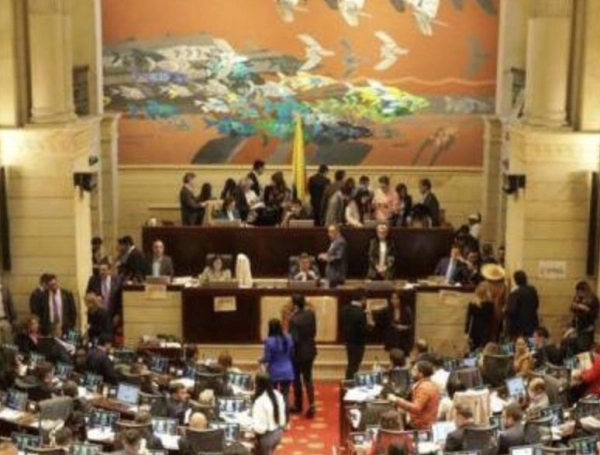
Beyond the Fifth Commission, Barguil also serves on the Legal Accounts Commission, which plays a vital oversight role in scrutinizing public expenditure and ensuring financial accountability. Furthermore, his participation in the Accidental Commission of the Parliamentary Front Against Hunger highlights his commitment to addressing pressing social issues related to food insecurity and poverty, aligning his efforts with broader humanitarian goals.
Among his most notable legislative initiatives is a groundbreaking bill designed to promote the hydrogen economy in Colombia. This forward-thinking project seeks to position the country at the forefront of the global energy transition, advocating for the development of hydrogen as a clean and sustainable alternative energy source. The bill aims to stimulate investment in hydrogen production, establish a regulatory framework, and encourage the diversification of Colombia’s energy matrix, reducing its reliance on fossil fuels and fostering new industries. This initiative not only demonstrates Barguil’s commitment to environmental sustainability but also his vision for long-term economic growth and innovation.
Unpacking the Congressional Power Dynamics
The impending change in the House leadership is not an isolated event but a critical piece of a larger political puzzle, reflecting the intricate power dynamics at play within the Colombian Congress and the broader political landscape under the incoming De La Espriella administration.
The High Stakes of Legislative Leadership
The presidency of both the House of Representatives and the Senate are highly coveted positions, not just for the prestige they confer but for the immense legislative power they wield. The President of the House, for instance, sets the agenda, presides over plenary sessions, guides the legislative process, and represents the institution both nationally and internationally. This role is instrumental in determining which bills are prioritized, debated, and ultimately passed into law. Securing this position for the first year of a new administration is particularly strategic, as it allows the governing coalition to set the tone and momentum for its legislative program from the outset.

The Conservative Triumph in the House
The Conservative Party’s success in securing the House presidency for the initial year underscores its renewed political relevance and its ability to forge effective alliances. This outcome signals a significant win for the party, which has historically been a key player in Colombian politics. Their triumph came at the expense of the Centro Democrático and Cambio Radical, who were also strong contenders for the position. The negotiations involved a complex interplay of party strengths, regional representation, and promises of mutual support on future legislative endeavors. The structured rotation agreement, therefore, serves as a mechanism to satisfy the leadership aspirations of multiple parties while maintaining a unified front in support of the new government.
Senate Presidency: A Separate Battleground
While the House presidency has been largely settled, the battle for the Senate presidency has unfolded with its own set of complexities and shifting allegiances. Initially, the Centro Democrático, upon realizing its House ambitions would not materialize, pivoted its efforts towards securing the Senate presidency for Senator Honorio Henríquez. However, this aspiration also appears to be facing significant headwinds.
Recent developments indicate that the majority of supporting parties, including Cambio Radical and the Conservatives, have thrown their weight behind Senator Alfredo Deluque of the Partido de la U. This alignment suggests a broad consensus coalescing around Deluque, effectively sidelining the Centro Democrático’s bid for the Senate’s top post. The implications of this decision are profound, as it signifies a preference for a different political lineage to lead the upper chamber, potentially altering the balance of power within the governing coalition.
The Influence of President-elect Abelardo De La Espriella’s Coalition
The entire framework of these leadership agreements is inextricably linked to the political agreements reached among the "government parties" – those political forces committed to backing President-elect Abelardo De La Espriella. These coalitions are fundamental to ensuring legislative support for the executive’s agenda, allowing for smoother passage of critical reforms and policies.
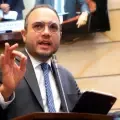
The selection of Nicolás Barguil for the House presidency and the likely choice of Alfredo Deluque for the Senate presidency reflect a carefully constructed political architecture designed to provide De La Espriella with a stable and cooperative legislative environment. This strategy aims to minimize potential legislative gridlock and facilitate the implementation of his campaign promises. The fact that the leadership of both chambers will be held by parties within this broad governing coalition is a strong indicator of the administration’s intent to hit the ground running with significant legislative momentum. The shift away from the Centro Democrático for both top positions also suggests a broadening of the government’s base beyond traditional "uribista" strongholds, embracing a more diverse array of centrist and right-leaning parties.
Chronology of Key Events and Negotiations
The path to Nicolás Barguil’s likely presidency has been paved with months of intense political maneuvering and strategic discussions.
Pre-Election Dynamics and Aspirations
The jockeying for congressional leadership positions often begins long before the new legislative period officially commences. Following the general elections that saw the election of new representatives and senators, as well as President-elect De La Espriella, various parties began to internally identify potential candidates for the House and Senate presidencies. These initial aspirations were often based on a party’s electoral performance, the seniority of its members, and its perceived influence within the broader political landscape. The Conservative Party, having secured a significant bloc of seats, was always a strong contender, as were the Centro Democrático and Cambio Radical, given their historical presence and political weight.
Post-Election Bargaining and Coalition Building
Once the election results were certified, the real work of coalition building began. President-elect De La Espriella’s team, along with the leaders of the supporting parties, engaged in extensive negotiations to establish a governing alliance that would ensure legislative stability. These discussions involved not only policy agreements but also the distribution of key positions, including the presidencies of both legislative chambers. The House presidency became a central point of contention, with multiple parties vying for the first-year slot. The Centro Democrático’s initial push for Daniel Briceño for the House presidency eventually gave way as the Conservative Party, through its robust internal consensus and strategic outreach, consolidated the necessary support for Barguil. This shift was a critical turning point, leading Centro Democrático to redirect its efforts towards the Senate.
The Final Hours Before Installation
As the July 20th installation date for the new Congress drew closer, the negotiations reached their fever pitch. The final agreements for both the House and Senate presidencies were hammered out in the preceding days. The article’s publication on July 16, 2026, reflects the imminent nature of these decisions, with only minor details likely remaining to be finalized. The formal announcement and election will take place on the opening day of Congress, but the political pacts ensuring Barguil’s victory in the House and Deluque’s likely ascendancy in the Senate have already been sealed behind closed doors, demonstrating the efficacy of pre-emptive political consensus-building.
Supporting Data and Contextual Insights
Understanding the context surrounding Nicolás Barguil’s appointment requires looking beyond the immediate political deal to the broader implications of his background and the legislative landscape.
The Significance of Committee Assignments
Barguil’s placement in the Fifth Commission is highly significant. This commission is often at the forefront of debates concerning Colombia’s vast natural resources, its agricultural economy, and its burgeoning energy sector. Given Colombia’s reliance on commodities and its ongoing efforts towards environmental protection and energy transition, the Fifth Commission plays a pivotal role in shaping the nation’s economic and ecological future. Barguil’s extensive background in the agro-industrial sector makes him particularly well-suited to lead discussions on land reform, agricultural subsidies, water management, and sustainable development practices. His presence there ensures that the government’s legislative agenda in these critical areas will have an informed and sympathetic ear.
Furthermore, his involvement in the Legal Accounts Commission underscores his commitment to fiscal responsibility and transparency, while his role in the Parliamentary Front Against Hunger highlights a dedication to social welfare and addressing food insecurity, a persistent challenge in many parts of Colombia. These assignments collectively paint a picture of a legislator deeply engaged with both economic development and social justice.

The Barguil Family’s Political Legacy
The influence of the Barguil family in Colombian politics, particularly in the department of Córdoba, cannot be overstated. Nicolás Barguil’s cousin, David Barguil, is a well-known political figure who previously served in Congress and even launched a presidential bid. This family legacy provides Nicolás with an established political network, name recognition, and a degree of inherent support within his constituency. Such familial ties are common in Colombian politics and often play a crucial role in electoral success and the consolidation of political power. Nicolás’s election with a substantial number of votes from Córdoba is a testament to this enduring influence.
Economic Implications of Barguil’s Legislative Agenda
Barguil’s focus on the agro-industrial sector and the hydrogen economy holds substantial economic implications for Colombia. By championing initiatives to strengthen agriculture, he aims to boost rural economies, create jobs, and enhance national food security. His efforts to modernize agricultural practices and improve market access could lead to increased productivity and competitiveness for Colombian products on international markets.
Moreover, his proposed hydrogen economy bill could unlock new avenues for economic diversification. Investing in hydrogen technology positions Colombia to tap into a growing global market for clean energy, attract foreign investment, and foster innovation in related industries. This aligns with global trends towards decarbonization and could provide a significant long-term economic advantage for the country, reducing its dependence on traditional fossil fuels and promoting a more sustainable development model. The success of such an initiative would not only have environmental benefits but also create new high-skilled jobs and potentially establish Colombia as a regional leader in green energy.
Official Responses and Political Reactions
The announcement of Nicolás Barguil’s likely presidency has elicited a range of responses from across the political spectrum, reflecting the immediate impact of the agreement and the broader implications for the incoming administration.

Statements from the Conservative Party
Leaders within the Conservative Party have expressed profound satisfaction and pride in securing the House presidency for the first year. Party spokespersons are expected to laud Barguil’s qualifications, emphasizing his extensive experience in both the private and public sectors, his academic credentials, and his dedicated legislative work. They will likely highlight his commitment to rural development and innovative energy policies as assets that will benefit the entire nation. The party will undoubtedly frame this achievement as a testament to its unity, strategic acumen, and crucial role within the governing coalition. This victory is seen as a revitalization for the party, positioning it as a central pillar of the new administration.
Reactions from Opposition Parties and Displaced Aspirants
While the parties within the governing coalition have expressed approval, the reaction from those whose aspirations were not met, particularly the Centro Democrático and Cambio Radical, will be more nuanced. While they are part of the broader coalition and have secured future presidency slots, there might be initial disappointment regarding the immediate outcome. Spokespersons from these parties might acknowledge the agreement as a necessary compromise for the sake of legislative stability, but also reiterate their commitment to their own agendas and the scrutiny of government actions.
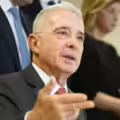
Regarding the Senate presidency, Álvaro Uribe Vélez, a prominent figure and former President, has already voiced concerns about Alfredo Deluque’s potential leadership, citing his alleged "benefits from the Petro government." This criticism highlights underlying political tensions and suggests that even within the broader coalition, there are factions with differing loyalties and political histories that could impact the cohesiveness of the government’s legislative efforts. This specific objection signals a potential point of friction within the alliance supporting De La Espriella, particularly concerning figures associated with past administrations.
President-elect De La Espriella’s Stance
President-elect Abelardo De La Espriella is expected to issue a congratulatory message to Nicolás Barguil, emphasizing the importance of a collaborative relationship between the executive and legislative branches. His statements will likely underscore his commitment to working closely with the new House leadership to advance his national agenda, focusing on shared goals of economic growth, social progress, and national security. De La Espriella will probably frame the agreement as a demonstration of political maturity and a collective effort to ensure the country’s governance. His emphasis will be on unity and the efficient functioning of Congress to address the pressing issues facing Colombia.

Implications for the Incoming Administration and National Agenda
The agreement on the House presidency, and the broader distribution of legislative leadership, carries significant implications for President-elect De La Espriella’s incoming administration and the overall national agenda.
Legislative Efficiency and the Government’s Agenda
Having a supportive president in the House of Representatives, especially in the crucial first year, is a tremendous advantage for any incoming administration. Nicolás Barguil’s leadership is expected to facilitate the efficient passage of key legislation aligned with De La Espriella’s platform. This includes bills related to economic reforms, social programs, security initiatives, and Barguil’s own priorities in agro-industry and energy transition. A cooperative House leadership can help streamline legislative processes, reduce procedural delays, and ensure that the government’s proposals receive timely consideration. This is particularly vital in the initial months when new administrations seek to establish momentum and deliver on campaign promises.
Stability of the Governing Coalition
The structured agreement for the rotation of the House presidency across four parties suggests a deliberate effort to build and maintain a broad and stable governing coalition. By distributing leadership roles, the agreement seeks to give various political forces a vested interest in the success of the administration, thereby minimizing internal dissent and bolstering legislative support. However, the comments from Álvaro Uribe regarding the Senate presidency indicate that even within this coalition, fault lines and historical animosities can surface, potentially testing the unity of the alliance. The long-term stability of the coalition will depend on ongoing dialogue, mutual respect, and the ability to navigate contentious issues without fracturing the alliance.
Future Challenges and Opportunities
While the immediate outlook for legislative cooperation appears promising, the new administration and Congress will face numerous challenges. These include navigating complex economic realities, addressing persistent social inequalities, combating insecurity, and responding to global pressures such as climate change and international market fluctuations. Barguil’s presidency offers an opportunity to bring his specialized knowledge in agro-industry and sustainable energy to the forefront of legislative debates, potentially shaping innovative solutions for these national challenges. His leadership could also foster greater engagement with rural communities and industries, ensuring their voices are heard in national policy-making.

Conclusion: A New Chapter for the Colombian Congress
The imminent installation of Nicolás Barguil as the President of the House of Representatives marks a significant new chapter for the Colombian Congress and the nascent administration of President-elect Abelardo De La Espriella. This carefully brokered political agreement, which outlines a rotational leadership for the House, reflects a strategic effort to build a stable governing coalition and ensure legislative efficiency.
Barguil, with his extensive background in the agro-industrial sector and a forward-thinking agenda that includes promoting a hydrogen economy, brings a unique blend of practical experience and innovative vision to the leadership role. His ascension is not just a personal triumph but a strategic gain for the Conservative Party and a key component of the broader political architecture supporting the new government. As the Colombian Congress prepares to convene on July 20th, all eyes will be on its new leadership to navigate the complex legislative landscape and steer the nation through the challenges and opportunities that lie ahead. The success of this political compact will be crucial in shaping the trajectory of De La Espriella’s presidency and, by extension, the future of Colombia.