Eyes on the Prize: Senate Presidency Battle Heats Up as Alfredo Deluque Emerges as Frontrunner
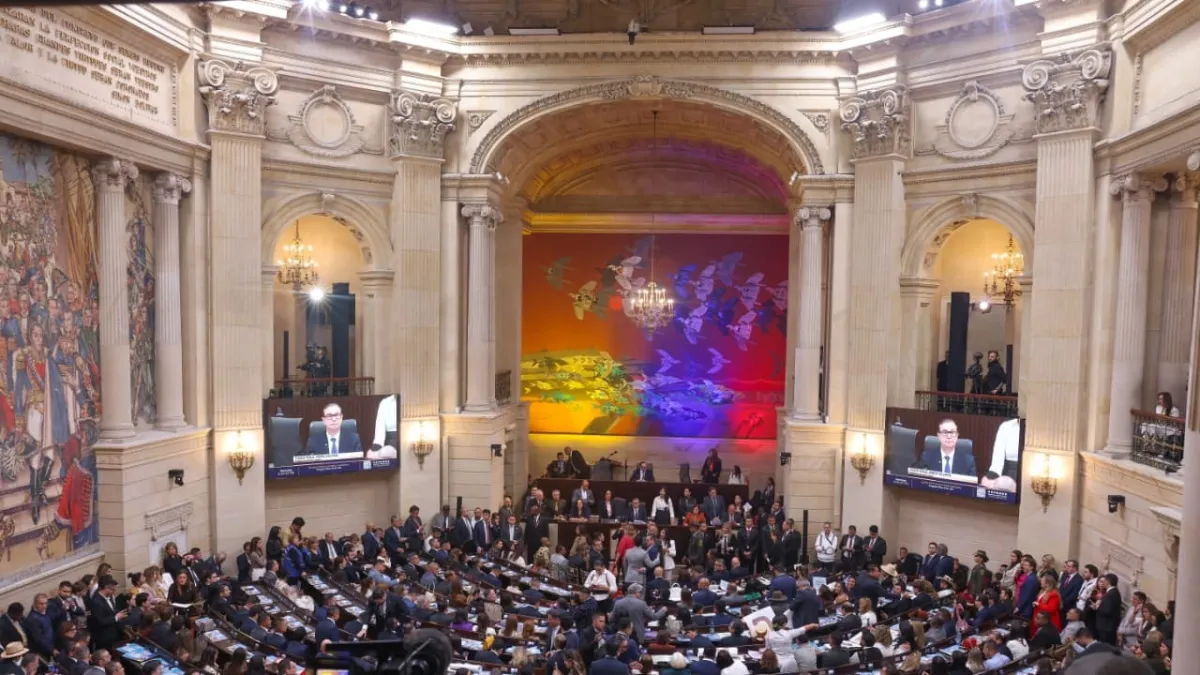
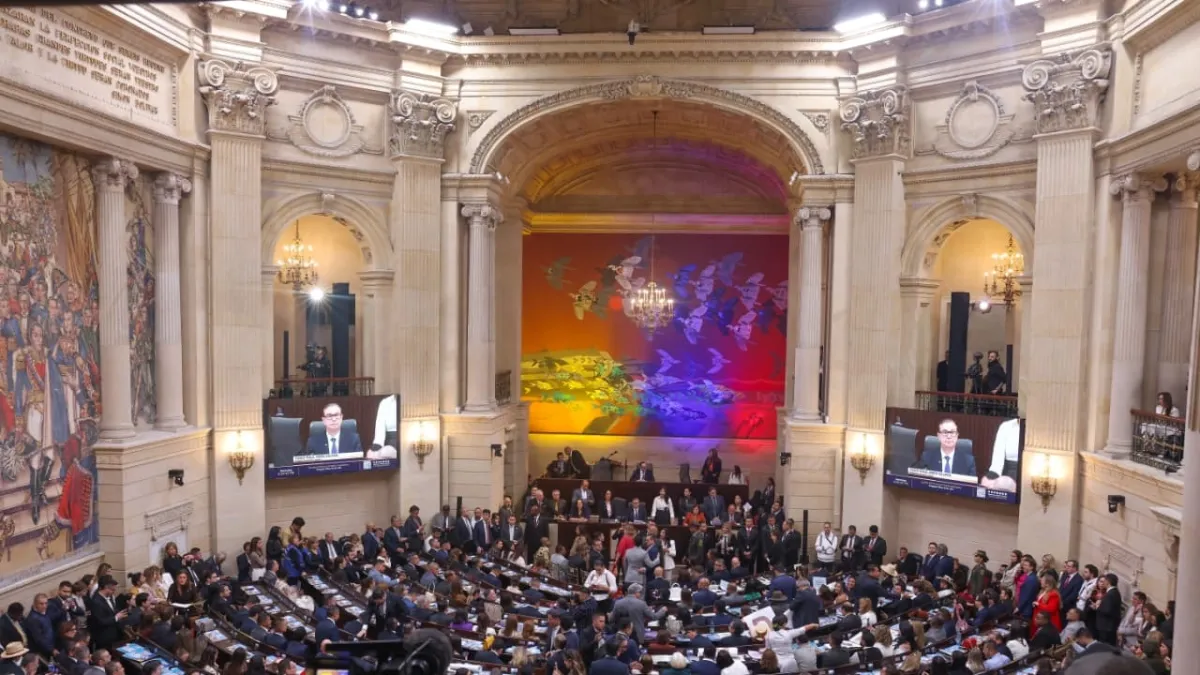
BOGOTÁ, Colombia – July 20, 2026 – The eyes of the nation are fixed on Colombia’s capital this Monday, July 20, as the newly elected Congress of the Republic officially convenes. This pivotal day marks the inauguration of the legislative body that will serve from 2026 to 2030, tasked with shaping the future of Colombia and navigating the ambitious agenda of President-elect Abelardo De La Espriella, who is set to take office on August 7. Beyond the ceremonial pomp of Independence Day, the most anticipated event of the day is the fiercely contested election for the presidency of the Senate, a position that wields immense power in steering the legislative course.
All indications point to Senator Alfredo Deluque of the Partido de la U as the leading candidate to assume this crucial dignity. Deluque has reportedly consolidated a robust coalition, drawing support from a broad spectrum of political forces including the Liberal Party, the Conservative Party, his own Partido de la U, Cambio Radical, the Alianza Verde, and Salvación Nacional. However, the path to the presidency is not uncontested. The opposition Centro Democrático party is actively championing the candidacy of Senator Honorio Henríquez, setting the stage for a significant political showdown on the floor of the Senate.
This election is more than a procedural formality; it is a critical barometer of the political landscape President-elect De La Espriella will face. The incoming Senate President will play a pivotal role in determining the pace and success of his administration’s legislative initiatives, from economic reforms to social programs and security policies. As the new legislative period dawns, all eyes are on the Elíptico Hall, where the future of Colombia’s political direction will begin to unfold.
Main Facts: A New Chapter for Colombian Politics
The installation of the new Congress on July 20, a date coinciding with Colombia’s Independence Day, is steeped in historical significance. This year, the ceremony is particularly charged with anticipation as a fresh cohort of senators and representatives assumes their mandates for the 2026-2030 term. Their immediate and most pressing task, beyond swearing in, is the election of the Senate President, a role that functions as the head of one of the two legislative chambers, presiding over debates, setting the legislative agenda, and acting as a crucial interlocutor between the Executive and Legislative branches.
The political stakes are exceptionally high, given the imminent arrival of President-elect Abelardo De La Espriella. De La Espriella, a figure known for his conservative leanings and a staunch advocate for law and order, secured the presidency with a mandate for significant reforms. His platform emphasizes economic growth, enhanced national security, and a reevaluation of certain social policies. To translate these campaign promises into tangible legislation, he will require strong parliamentary support and, critically, a cooperative leadership within Congress. The Senate Presidency is therefore not merely a ceremonial post but a strategic linchpin for his governance.
Alfredo Deluque, a seasoned politician from the Partido de la U, has emerged as the consensus candidate for a broad, center-right to center-left coalition. His expected victory signals a potentially favorable start for De La Espriella’s administration, indicating a capacity to forge alliances and build consensus. The coalition supporting Deluque is a formidable bloc, comprising the Partido de la U, the Liberal Party, the Conservative Party, Cambio Radical, the Alianza Verde, and Salvación Nacional. This diverse group suggests a willingness to collaborate across traditional ideological divides, at least on the issue of congressional leadership.
However, the political arena in Colombia is rarely without its challenges. The Centro Democrático, a powerful opposition force and the party of former President Álvaro Uribe Vélez, has put forward Senator Honorio Henríquez as its candidate. This move underscores the existing political polarization and ensures that the election will not be a mere coronation but a reflection of underlying tensions and strategic maneuvering. Henríquez’s candidacy, while facing an uphill battle against Deluque’s broad support, serves to articulate an alternative vision for the Senate’s leadership and to rally the conservative base.
The outcome of this election will set the tone for the entire legislative period. It will dictate the initial dynamics between the Executive and Legislative branches, influence the speed and direction of policy debates, and ultimately impact the lives of millions of Colombians as the country navigates a complex socio-economic landscape.
Chronology of a Crucial Day: From Inauguration to Election
The path to today’s crucial Senate presidency vote has been paved with weeks of intense negotiations, strategic alliances, and public pronouncements.

Pre-Installation Period (Post-Elections 2026):
Following the legislative elections earlier this year, the political landscape underwent significant shifts. While no single party secured an outright majority, a nuanced balance of power emerged, forcing parties to engage in intricate coalition-building efforts. President-elect De La Espriella, immediately after his election, embarked on a series of meetings with leaders of various political parties. These consultations were crucial for sounding out potential allies, identifying areas of common ground, and, implicitly, securing support for a favorable congressional leadership. The discussions around the Senate presidency were a central theme, as De La Espriella’s team sought to ensure a friendly face would occupy the powerful chair.
The campaigns for the Senate presidency began unofficially months ago, intensifying after the presidential election. Internal party dynamics played a significant role, with various factions within each party vying for influence and representation. Alfredo Deluque, with his extensive legislative experience and reputation as a consensus-builder, gradually consolidated support within his own Partido de la U and then extended his reach to other parties. The backing from the Liberal and Conservative parties, historically powerful forces, was particularly significant, signaling a major alignment. Cambio Radical, Alianza Verde, and Salvación Nacional’s endorsements further solidified his position, creating a broad, albeit ideologically diverse, coalition.
Meanwhile, the Centro Democrático, positioning itself as the primary opposition, initiated its own efforts to rally support behind Honorio Henríquez. Their campaign focused on asserting an independent voice for the legislative branch and scrutinizing the incoming administration’s agenda. Despite the apparent numerical disadvantage, the Centro Democrático’s move was a clear signal of its intent to remain a significant and vocal opposition force.
Installation Day (July 20, 2026):
The morning of July 20 began with traditional protocols marking Colombia’s Independence Day. Dignitaries, including President-elect De La Espriella, assembled at the Capitolio Nacional. The formal opening of the legislative sessions for both the Senate and the House of Representatives was a moment of national pride and constitutional significance.
As the afternoon progressed, attention shifted squarely to the Elíptico Hall for the Senate’s proceedings. The first order of business, after the formal swearing-in of the newly elected senators, was the nomination process for the Senate Presidency. Names were formally put forward, each accompanied by statements of support from their respective parties or coalitions. While Alfredo Deluque’s nomination was met with a strong show of support from his allied parties, Honorio Henríquez’s nomination from the Centro Democrático underscored the democratic contest.

The voting process, conducted through a secret ballot, typically follows a period of final speeches or appeals from the candidates or their representatives. While Deluque’s victory appeared almost certain given the declared coalition, the suspense lay in the final vote tally and any potential last-minute defections or surprises. Such elections, even when the outcome seems predetermined, can sometimes reveal underlying fissures or unexpected political maneuvers. The final declaration of the Senate President would immediately follow the counting of votes, marking the official start of a new legislative leadership.
Post-Installation (Immediate Aftermath):
The immediate aftermath of the election will be characterized by a flurry of reactions. The winning candidate, Alfredo Deluque, will likely deliver an inaugural speech outlining his vision for the Senate, emphasizing collaboration, legislative efficiency, and a commitment to the nation’s progress. The losing candidate, Honorio Henríquez, and the Centro Democrático will likely issue statements affirming their role as a constructive opposition.
For President-elect De La Espriella, the outcome of this election is critically important. A Deluque presidency is expected to provide a smoother path for his administration’s legislative agenda, particularly during the crucial first 100 days. The new Senate President will play a key role in scheduling debates, prioritizing bills, and fostering a collaborative environment, all of which are essential for De La Espriella to hit the ground running after his inauguration on August 7. The first legislative session, starting today, will immediately test the strength and cohesion of the newly formed alliances.
Supporting Data: The Numbers Behind the Power Play
The anticipated victory of Alfredo Deluque is not merely a matter of political speculation but is firmly rooted in the arithmetic of the Senate’s composition and the strategic formation of alliances. Understanding the breakdown of seats provides critical insight into the power dynamics at play.
Senate Composition (Illustrative for 2026-2030 term):
- Partido de la U: (e.g., 14 seats)
- Liberal Party: (e.g., 15 seats)
- Conservative Party: (e.g., 13 seats)
- Cambio Radical: (e.g., 11 seats)
- Alianza Verde: (e.g., 8 seats)
- Salvación Nacional: (e.g., 5 seats)
- Centro Democrático: (e.g., 18 seats)
- Other parties/Indigenous/Afro-Colombian seats: (e.g., 6 seats)
- Total Senate Seats: 108 (100 elected nationally, 5 ex-FARC, 2 Indigenous, 1 second-place presidential candidate’s VP – assuming standard historical numbers and potential shifts post-2026 elections)
The majority threshold in the Senate is 55 votes. Deluque’s declared coalition, combining the Partido de la U, Liberal, Conservative, Cambio Radical, Alianza Verde, and Salvación Nacional, comfortably surpasses this number. For instance, if the numbers were roughly: 14 + 15 + 13 + 11 + 8 + 5 = 66 seats. This robust bloc provides a significant cushion against any potential internal dissent or last-minute shifts.
Profiles of the Contenders:
-
Alfredo Deluque Zuleta (Partido de la U): A prominent figure from La Guajira, Deluque boasts a long and distinguished career in public service. He has previously served multiple terms as a Representative to the House and later as a Senator. Known for his legal background and his ability to navigate complex legislative processes, Deluque has often been seen as a bridge-builder between different political factions. His past roles in congressional committees, particularly those related to economic affairs and constitutional matters, have equipped him with a deep understanding of state functions. His selection as the coalition candidate speaks to his reputation for pragmatism and his capacity to garner cross-party respect. For the Partido de la U, securing the Senate presidency is a significant power affirmation, positioning them as a key player in the incoming administration’s legislative strategy.
-
Honorio Henríquez Pinedo (Centro Democrático): A senator from Cesar, Honorio Henríquez is a steadfast member of the Centro Democrático, known for his firm adherence to the party’s principles, particularly those related to security, economic freedom, and traditional values. He has been a vocal proponent of strong state institutions and has often served as a critical voice against policies he perceives as detrimental to national interests. While his party holds a significant number of seats, their stance as an opposition force means his candidacy for the presidency is more symbolic, aiming to project the Centro Democrático’s vision and challenge the government’s legislative dominance. His campaign underscores the party’s commitment to holding the executive and its legislative allies accountable.
President-elect Abelardo De La Espriella’s Mandate:
De La Espriella’s electoral victory was built on a platform promising a strong hand in governance. His flagship reforms are expected to include:

- Fiscal Adjustments: Aimed at stimulating economic growth and reducing the national debt.
- Security Overhaul: A comprehensive strategy to combat organized crime, drug trafficking, and rural violence, potentially involving increased military presence and revised peace agreements.
- Social Policy Review: Proposals concerning education, healthcare, and welfare programs, often with an emphasis on efficiency and individual responsibility.
For these ambitious plans to materialize, a cooperative Congress is not just beneficial, but essential. The Senate President, by controlling the legislative calendar and steering debates, can either facilitate or obstruct the passage of these critical bills. A Deluque presidency, therefore, represents a significant step towards legislative predictability for De La Espriella.
Historical Context and Political Analysis:
Political analysts often point to the historical patterns of Colombian legislative leadership. Since the early 2000s, it has become common for the incoming president to secure the support of a broad coalition to ensure a friendly Senate and House leadership. This strategy minimizes legislative gridlock and allows the government to push through its agenda more efficiently. However, these coalitions are often fragile and require constant negotiation and concession.
Dr. Elena Ríos, a political science professor at Universidad de los Andes, notes, "The Senate presidency election is always the first real test of a president-elect’s capacity to build alliances. De La Espriella’s success in consolidating support for Deluque indicates a pragmatic approach, recognizing the need for a broad base. However, the diverse nature of this coalition – from Liberal to Salvación Nacional – means Deluque will have a delicate balancing act to maintain cohesion throughout the legislative term."
Conversely, the Centro Democrático’s decision to field Honorio Henríquez, despite the odds, is a clear strategic move. "It’s about staking out their ground," explains political commentator Juan Pablo Restrepo. "They want to demonstrate that there is a strong, principled opposition, even if they don’t have the numbers for the presidency. It keeps the government’s allies on their toes and ensures that the Centro Democrático’s voice is heard from day one."
Official Responses: Voices from the Political Spectrum
The lead-up to the Senate presidency election has been marked by a series of statements and public endorsements, each reflecting the strategic positioning of the involved parties and candidates.

Alfredo Deluque (Partido de la U): While specific direct quotes on the day of the election might be scarce until the official result, Deluque’s campaign has consistently emphasized themes of national unity, legislative efficiency, and a commitment to constructive dialogue. Sources close to his campaign indicate his vision for the Senate is one of collaboration, aiming to "build bridges, not walls" between the legislative and executive branches. He has stressed the importance of a Congress that is both independent in its oversight and effective in its legislative function, working hand-in-hand with the incoming administration to address Colombia’s most pressing challenges. His platform typically highlights strengthening institutional frameworks, promoting economic stability, and ensuring social equity through well-debated legislation.
Honorio Henríquez (Centro Democrático): Senator Henríquez and his party have framed his candidacy as a stand for a truly independent legislative branch and a robust opposition. In previous statements, Henríquez has asserted the need for Congress to serve as a check on executive power, ensuring that all government initiatives are thoroughly scrutinized. "We are here to represent the voices of those who believe in a different path, one that prioritizes security, economic freedom, and a clear defense of our democratic institutions," Henríquez stated in a pre-election interview. His campaign has called for transparency in legislative processes and a commitment to debating issues based on merit, not political expediency.
Coalition Leaders’ Endorsements:
Leaders from the parties supporting Deluque have publicly articulated their reasons for joining the broad coalition.
- Liberal Party Leader: "Our support for Senator Deluque stems from his proven track record and his commitment to building consensus. We believe he possesses the leadership qualities necessary to guide the Senate through what promises to be a complex legislative period, and to work constructively with the President-elect for the good of all Colombians."
- Conservative Party Spokesperson: "The Conservative Party believes that a stable and effective legislative leadership is paramount. Alfredo Deluque represents a unifying figure who can ensure the legislative agenda progresses responsibly, aligning with the national interests and upholding our constitutional principles."
- Cambio Radical Representative: "We are committed to governance that delivers results. Our decision to back Senator Deluque reflects our confidence in his ability to manage the Senate efficiently and to facilitate a productive relationship with the incoming government, crucial for the reforms Colombia needs."
- Alianza Verde Senator: "While we may have ideological differences on certain policy matters, the Alianza Verde supports Deluque’s candidacy based on his capacity for dialogue and his understanding of the need for a pluralistic Congress. We anticipate a Senate presidency that respects diverse viewpoints and prioritizes the common good."
- Salvación Nacional Delegate: "Our party’s objective is to contribute to a strong and functional democracy. Senator Deluque has demonstrated the qualities of leadership and impartiality that we believe are essential for the Senate presidency, ensuring a stable legislative environment."
President-elect Abelardo De La Espriella’s Stance:
While President-elect De La Espriella has maintained a diplomatic neutrality in public regarding the internal workings of Congress, his administration’s preference for a cooperative leadership is an open secret. His team has subtly, but effectively, lobbied for a Senate President who can facilitate his legislative agenda. In recent remarks, De La Espriella emphasized his desire for "a Congress that is a partner in progress, dedicated to the welfare of the nation, and capable of working hand-in-hand with the Executive to deliver on the mandate given by the Colombian people." His implicit support for Deluque’s coalition signals a pragmatic approach to securing legislative backing.
Implications: Shaping Colombia’s Future
The outcome of the Senate presidency election will reverberate throughout the political landscape for the next four years, profoundly impacting President-elect Abelardo De La Espriella’s administration and the direction of Colombia.

1. Legislative Agenda and Governance:
A Deluque presidency, backed by a broad coalition, promises a more streamlined path for De La Espriella’s legislative agenda. This means that critical bills related to economic reforms, security strategies, and social policies are likely to find a more receptive environment in the Senate. The ability to quickly introduce, debate, and pass key legislation during the crucial initial months of his term will be vital for De La Espriella to establish momentum and demonstrate his administration’s effectiveness. Conversely, a fractured or uncooperative Senate could lead to legislative gridlock, delaying or even derailing significant reforms. Deluque’s role will be to manage the diverse interests within his coalition, ensuring that their collective support translates into concrete legislative action rather than internal squabbles.
2. Government-Congress Relationship:
The election sets the tone for the relationship between the Executive and Legislative branches. A cooperative Senate President fosters an environment of dialogue and negotiation, which is essential for stable governance. This relationship is not merely about passing laws; it’s about building trust, managing expectations, and resolving potential conflicts before they escalate. A harmonious relationship can lead to more effective policy implementation and greater national stability. However, even with a friendly leadership, the Senate will still exercise its oversight functions, and the government will need to be prepared for scrutiny and robust debate.
3. Party Dynamics and Alliances:
The formation of the pro-Deluque coalition itself is a significant political development. It highlights the fluidity of alliances in Colombian politics and the capacity for diverse parties to converge on common interests, at least temporarily. This coalition, if it holds, could form the basis of a broader governing alliance for De La Espriella, providing him with a stable majority in both chambers of Congress. However, maintaining this coalition will require continuous political negotiation, concessions, and shared benefits. Internal tensions within these diverse parties, and between them, could still emerge on specific legislative issues, testing the strength of the alliance. For the Centro Democrático, remaining in opposition, it reinforces their identity as the principal counter-force, potentially allowing them to consolidate their base and attract voters disillusioned with the governing coalition.
4. Political Stability and Public Confidence:
In a country often grappling with complex socio-political challenges, a stable legislative environment is crucial for public confidence. A smooth transition of power and an effective Congress can project an image of institutional strength and predictability, which is vital for attracting investment, fostering economic growth, and addressing social inequalities. The ability of the new Congress to tackle pressing issues such as insecurity, unemployment, and social justice will be a key determinant of its success and the public’s trust in democratic institutions.
5. Future Political Landscape:
The alliances forged today could have long-term implications for Colombia’s political landscape. The strength and durability of the Deluque coalition will influence future electoral cycles, potentially shaping the composition of future presidential and legislative tickets. It could lead to the consolidation of certain political blocs or, conversely, to the emergence of new political movements if existing alliances prove to be unsustainable or ineffective. The performance of this Congress, under its new leadership, will undoubtedly be a major factor in how voters perceive the political establishment in the run-up to the 2030 general elections.

As the votes are cast and counted in the Elíptico Hall, Colombia holds its breath. The election of the Senate President is not just about a single individual assuming a prestigious office; it is about setting the stage for the next chapter of the nation’s political journey, influencing the lives of millions, and defining the trajectory of President-elect Abelardo De La Espriella’s administration. The decisions made today will echo for years to come.