By Juan Pablo Penagos Ramírez(Adapted and Expanded) Political Desk / Special Report Published: October 31, 2026
Main Facts
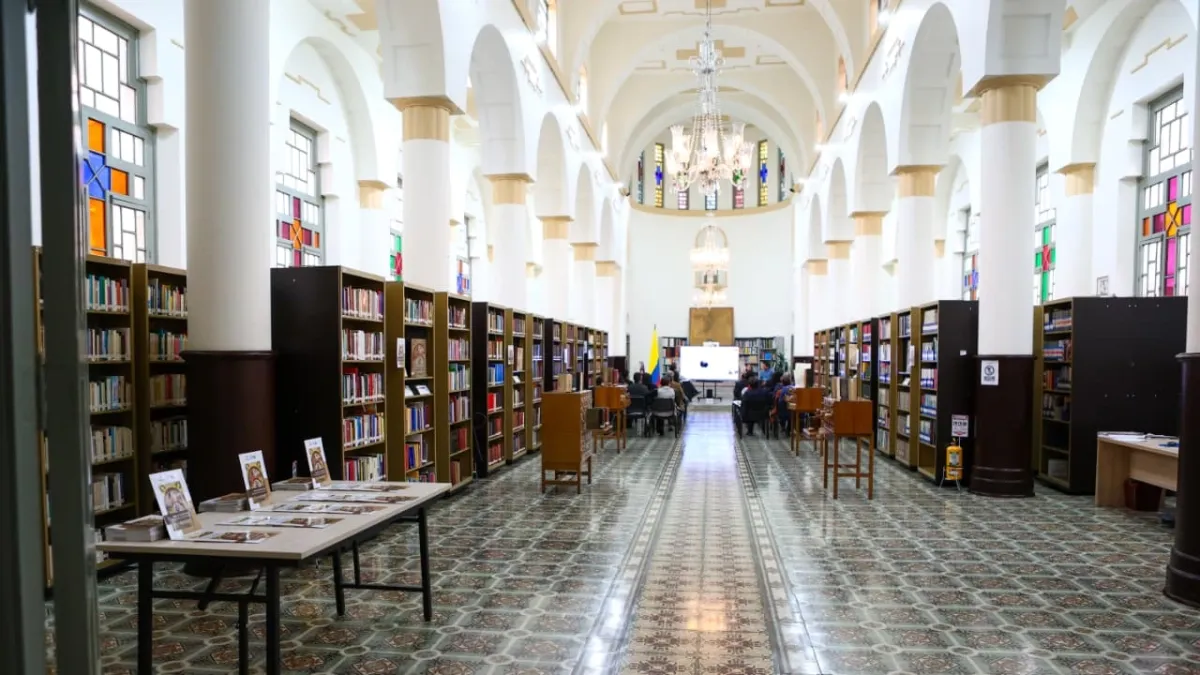
The Colombian Ministry of Foreign Affairs, widely known as the Cancillería, has found itself at the center of a brewing cultural and institutional controversy. The core of the dispute involves the dismantling and relocation of the historic Marco Fidel Suárez Library—an invaluable repository housing decades of the nation’s diplomatic memory, specialized international relations texts, and rare volumes carrying distinct patrimonial value.
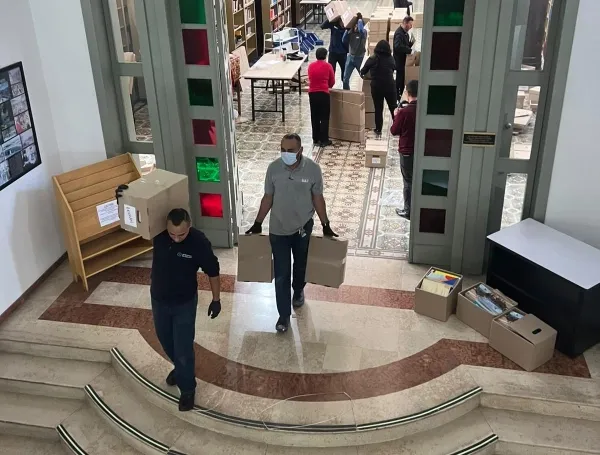
The emergency of the public debate occurred after leaked videos circulated widely across digital platforms and internal communication channels. The footage showed general services personnel hurriedly packing books, historical documents, and delicate collections into cardboard moving boxes inside the Palacio de San Carlos, the historic seat of the Ministry in Bogotá.
The jarring imagery immediately triggered alarm bells among diplomats, archivists, historians, and internal stakeholders within the Cancillería. Critics questioned whether the entity possessed the necessary technical protocols, expert oversight, and institutional permits required to handle rare historical artifacts. Fears mounted that a rushed or unspecialized moving process could cause irreversible damage to documents foundational to Colombia’s foreign policy legacy.
In response to the public outcry and internal pressure, the Ministry of Foreign Affairs issued an official statement asserting that the library has not been abandoned or dismantled haphazardly. Instead, the entity insists that the collection is being strategically integrated into the newly modernized headquarters of the Augusto Ramírez Ocampo Diplomatic Academy. According to the government, this move is designed to centralize research, elevate the academic rigor of future diplomats, and consolidate a specialized knowledge ecosystem dedicated to steering Colombia’s international affairs.
However, the official narrative has done little to fully quell the underlying tension. Sources within the Palacio de San Carlos point to a dual motivation behind the sudden operation: while the official line emphasizes academic optimization, internal whispers suggest that the move was heavily driven by an administrative order to vacate the library’s physical space—which historically functioned as a consecrated chapel—to restore it for religious services.
Chronology of Events
To understand how a routine administrative relocation escalated into a high-profile national debate, it is necessary to trace the timeline of events leading up to the public disclosure of the move:
Mid-October 2026 (Technical Assessments Begin): Recognizing the complexities of moving a heritage-class library, the Cancillería formally requests technical accompaniment from the National Library of Colombia (Biblioteca Nacional de Colombia).
October 16, 2026: Experts from the National Library conduct initial on-site evaluations of the Marco Fidel Suárez collection. They issue a series of strict technical recommendations regarding packaging, handling, climate control, and transit to guarantee the physical preservation of fragile and ancient volumes.
Late October 2026 (The Leaked Footage): Internal recordings filmed by staff members capture auxiliary personnel packing books into boxes within the Palacio de San Carlos without immediately visible specialized archival gear. These videos leak to the press, igniting widespread public skepticism and internal anxiety regarding the preservation of the nation’s documentary heritage.
October 29, 2026: The official, supervised physical integration process commences. Cross-functional teams comprising personnel from the Library, the Diplomatic Academy, the Ministry’s Archive, and the Office of Advisory Planning are deployed to oversee the packing, transport, and reception of the bibliographic material.
October 31, 2026: Facing mounting media scrutiny and queries from journalists, the Cancillería releases a comprehensive public statement detailing the technical safeguards employed during the move, assuring citizens that the chain of custody was never broken.
Supporting Data and Technical Protocols
The controversy highlights a sensitive administrative challenge: balancing modernization and space optimization with the stringent preservation standards required for archival collections.
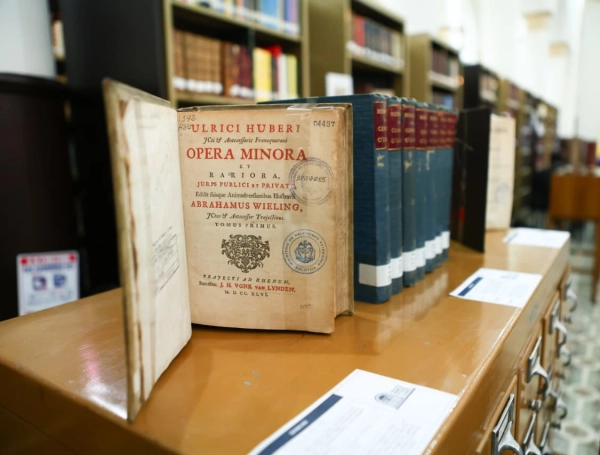
The Marco Fidel Suárez Library is no ordinary reading room. Named after the former Colombian president, writer, and intellectual, the library has long served as the intellectual backbone of the Ministry of Foreign Affairs. It contains thousands of volumes dedicated to international public law, bilateral treaties, diplomatic histories, and geopolitical strategy, alongside rare first editions and manuscripts that trace the evolution of Colombia’s sovereignty and international treaties from the 19th century onward.
Faced with criticism over the handling of these assets, the Cancillería defended its operational framework by highlighting the multi-departmental oversight committee established to monitor the relocation. According to the Ministry’s reports, the following measures were implemented during the transfer:
Inter-Institutional Oversight: The operation was not left solely to general logistics staff. Officials from the Ministry’s internal Archive, the Office of Advisory Planning, and the Diplomatic Academy maintained a permanent physical presence during the boxing, loading, transit, and unpacking phases.
Compliance with National Standards: By involving the National Library of Colombia early in the process (following the October 16 advisory sessions), the Ministry sought to align its handling procedures with national heritage guidelines. This included protocols regarding the orientation of books in transit boxes, the avoidance of excessive weight per container to prevent spine damage, and the maintenance of stable humidity and temperature conditions.
Unbroken Chain of Custody: The Ministry explicitly stated that throughout the entire operation—which began on October 29—the chain of custody for the bibliographic collections remained unbroken. No books were reported lost, misplaced, or damaged during the transfer from the Palacio de San Carlos to the new facilities of the Augusto Ramírez Ocampo Diplomatic Academy.
Official Responses and Administrative Silence
The official stance of the Ministry of Foreign Affairs centers on institutional growth and academic synergy. In its communication, the entity stated:
"The Cancillería is advancing the consolidation of the new headquarters of the Augusto Ramírez Ocampo Diplomatic Academy through a strategic decision aimed at strengthening diplomatic training, research, and knowledge management, integrating the Marco Fidel Suárez Library into this vital academic space."
The Ministry further explained that technical analyses conducted earlier in the year identified critical opportunities to optimize spatial usage within the new Academy. By physically merging the historical library with the training institution, the government aims to create a centralized powerhouse for future diplomats—a hub where theoretical international relations and historical precedent live under the same roof.
However, a significant narrative gap persists regarding the architectural and cultural context of the library’s former home.
Prior to the relocation, the Marco Fidel Suárez Library was housed within a unique architectural space inside the Palacio de San Carlos: a former colonial chapel that the Ministry had acquired and repurposed decades prior. According to confidential administrative sources within the Cancillería, the Secretary-General of the Ministry, Gina Paola González Grau, reportedly issued the direct directive to vacate the library space specifically to reclaim the historic venue for its original religious purpose: the celebration of Catholic masses.
Despite intense media inquiries and internal rumors, the Ministry’s official statements have remained completely silent on the restoration of the chapel. By omitting this detail from their public communications, the administration has left room for ongoing speculation regarding whether religious revivalism or bureaucratic space-planning served as the true catalyst for uprooting the library.
Institutional and Cultural Implications
The relocation of the Marco Fidel Suárez Library touches upon deeper questions regarding how the Colombian state values, manages, and protects its institutional memory.
1. The Intersection of Statecraft and Heritage
Diplomacy is inherently rooted in precedent. Treaties signed a century ago, historical territorial disputes, and the intellectual doctrines formulated by past Colombian diplomats live on inside the pages of specialized libraries. When a state repository undergoes physical restructuring, it sends a powerful message to the public about its priorities. Critics argue that moving a historic library out of the Palacio de San Carlos—the epicenter of Colombian political history—risks physical disconnection from the heart of government power. Conversely, proponents argue that lodging the books directly inside the Diplomatic Academy ensures they are actively used by the generation of officials currently learning the trade, rather than remaining static museum pieces.
2. Transparency and Bureaucratic Communication
The panic caused by the leaked smartphone videos underscores a chronic vulnerability within public institutions: a lack of proactive communication. Had the Cancillería publicly announced the relocation plan, detailing the involvement of the National Library and the protective protocols days before boxes began appearing in hallways, the public relations crisis likely could have been avoided. The reliance on reactive statements after damaging footage circulates erodes public trust, leaving citizens to question whether institutions are hiding administrative overreach or organizational incompetence.
3. The Secular vs. Religious Debate in Public Buildings
The unspoken subplot involving the restoration of the chapel within a secular state entity like the Ministry of Foreign Affairs opens a separate legal and cultural debate. While historical preservation of colonial architecture is widely supported, repurposing government infrastructure for religious functions without transparent public justification raises questions about the secular nature of public administration in Colombia. Whether the chapel will host regular services under active management remains to be seen, but the tension between the building’s spiritual past and its bureaucratic present is now firmly out in the open.
Conclusion
As the dust settles on the physical move to the Augusto Ramírez Ocampo Diplomatic Academy, the Marco Fidel Suárez Library enters a new chapter of its institutional life. While the Cancillería has successfully defended the technical execution of the transfer under the watchful eye of heritage experts, the lingering questions regarding the true motivations behind the eviction from the Palacio de San Carlos demonstrate that the memory of Colombian diplomacy remains a fiercely protected public asset—one that citizens and civil servants are unwilling to see marginalized.
BOGOTÁ — Time is running out for the administration of President Abelardo de la Espriella. As the legislative clock ticks down toward the mandatory year-end recess on December 16, 2026, the Executive branch faces an…
Analysis — Based on factual events, incorporating journalistic context, interpretation, and strategic evaluation. Main Facts As the clock ticks down on the state of economic, social, and ecological emergency declared in the wake of the…
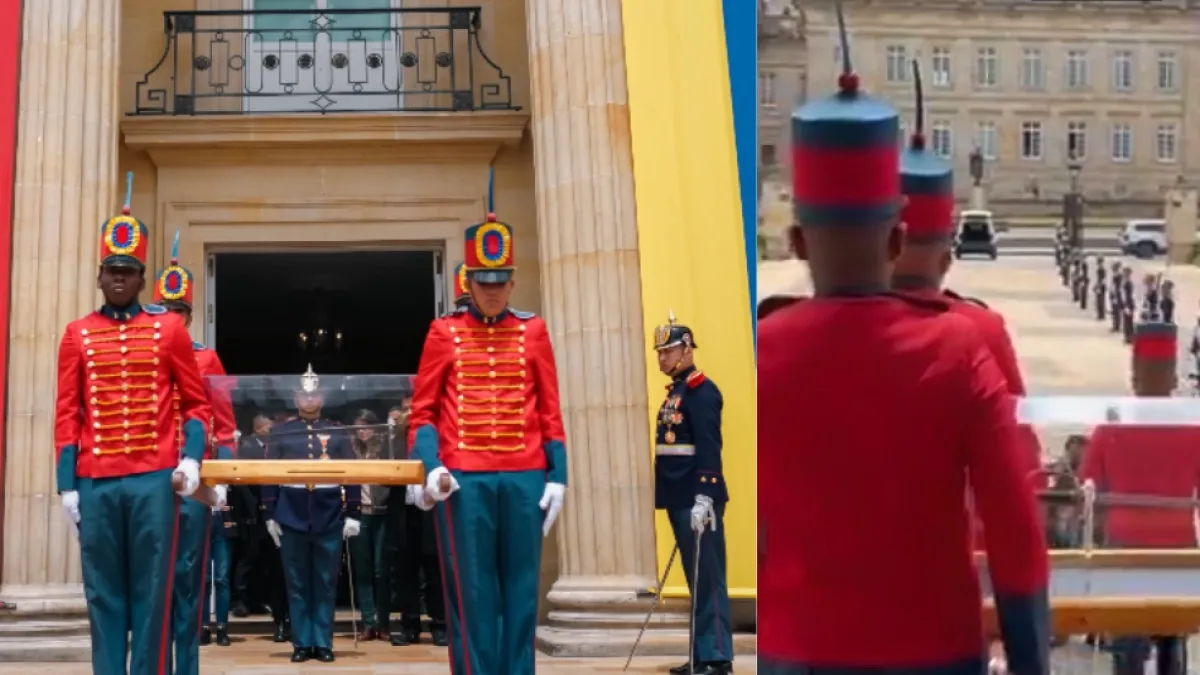
Bogotá, Colombia – July 24, 2026 – In a ceremony steeped in historical and political symbolism, the iconic sword of Simón Bolívar, the revered liberator of much of South America, was ceremoniously transferred this Friday,…