By Tech Editorial Desk | July 14, 2026
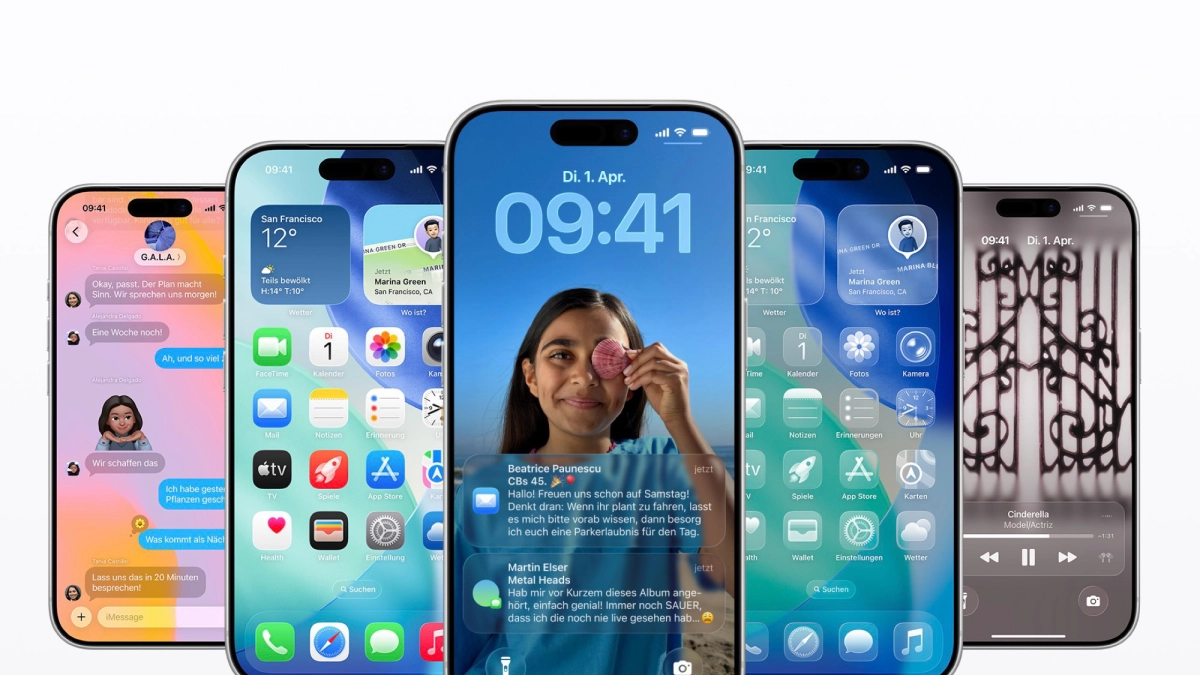
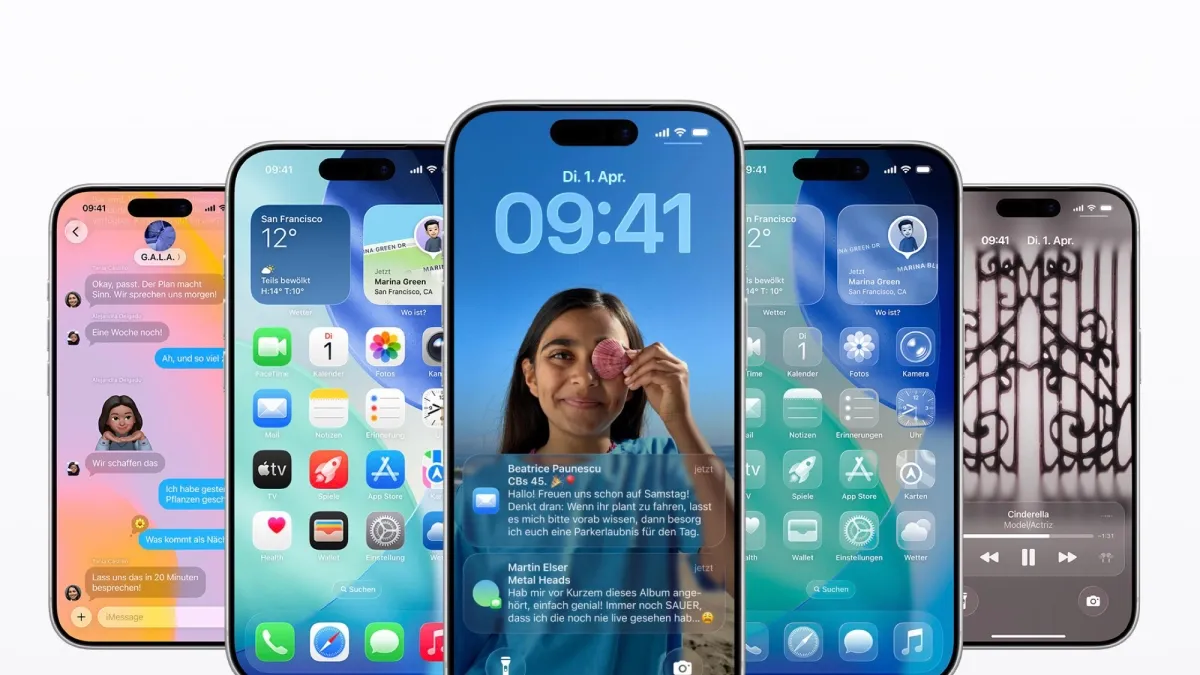
Apple has officially opened the gates for the first public beta of iOS 27, marking a pivotal moment in the company’s software roadmap for the 2026 cycle. This release provides a window into the future of the iPhone experience, offering enthusiasts and early adopters a chance to explore the refined capabilities of the ecosystem before the global rollout scheduled for September. As the precursor to the software that will ship natively with the highly anticipated iPhone 18 series, iOS 27 represents a significant leap forward in how hardware and machine learning integrate to redefine the user experience.
The Core Transformation: Siri AI and Proactive Computing
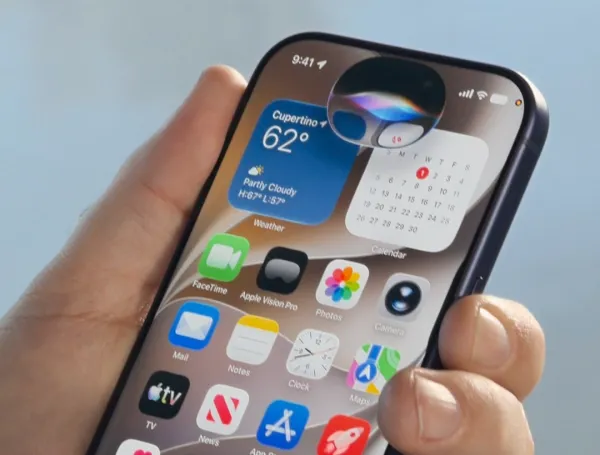
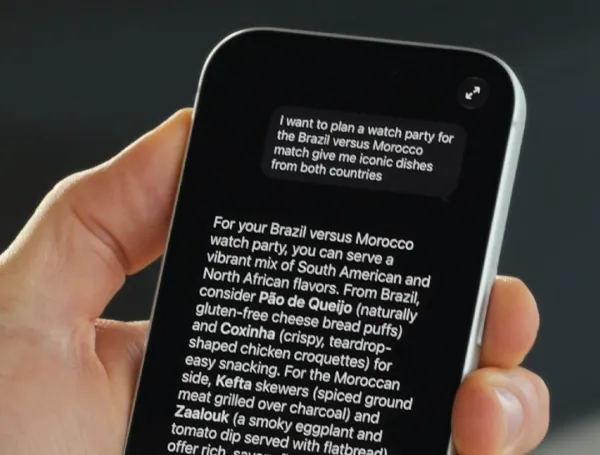
At the heart of the iOS 27 update lies the most ambitious iteration of Apple’s digital assistant to date: Siri AI. Moving beyond traditional voice commands, this new model introduces a conversational engine built on advanced large language models (LLMs) that prioritize context, personalization, and cross-application intelligence.
Siri AI is designed to act as an orchestrator of the user’s digital life. By analyzing the user’s interaction patterns, most-frequented applications, and content consumption habits, the assistant is becoming increasingly anticipatory. It no longer waits for a trigger; it offers suggestions and executes complex multi-step workflows based on the user’s immediate context.

Contextual Awareness and On-Screen Interaction
One of the standout features of this version is the system’s ability to "see" and interpret the content displayed on the screen. Whether a user is reading a document, browsing a social media feed, or viewing a photograph, Siri AI can provide immediate insights, summarize data, or extract actionable information without the need for manual copy-pasting or switching between applications.
Performance Metrics: Speed and Stability
While the artificial intelligence features capture the headlines, Apple has quietly introduced significant under-the-hood optimizations. Internal testing conducted at Apple’s Cupertino laboratories suggests that iOS 27 is the most efficient operating system the company has released in years.

The Numbers Behind the Speed
According to preliminary metrics provided by Apple, users can expect substantial improvements in system responsiveness:
- App Launch Times: Applications are now optimized to open 30% faster than on iOS 26, thanks to a complete overhaul of the background process management system.
- AirDrop Throughput: The wireless transfer protocol has seen a massive 80% boost in speed, allowing for near-instantaneous sharing of high-resolution video files and large datasets.
- Liquid Glass Interface: The update introduces granular controls for the new "Liquid Glass" interface, allowing users to customize transparency levels and blur depth, balancing aesthetic appeal with legibility and system power consumption.
Chronology of Development: From Concept to Public Beta
The journey toward iOS 27 has been characterized by a rigorous development timeline focused on stability and privacy.
- June 2026: Initial unveiling at the Worldwide Developers Conference (WWDC), where Apple first teased the integration of Siri AI and the Liquid Glass UI.
- Late June 2026: Release of the Developer Preview (Beta 1), which allowed partners to begin testing application compatibility and API integration.
- July 14, 2026: The official launch of the Public Beta program. This version, while more stable than the developer-only iterations, serves as a stress test for Apple’s infrastructure.
- August 2026 (Projected): Final refinement phases, focusing on squashing bugs identified by the public beta community.
- September 2026 (Projected): Official public release to coincide with the retail launch of the iPhone 18 lineup.
Implications: A Shift in User Behavior
The transition to an AI-first operating system carries profound implications for how consumers interact with their devices. The shift from "reactive" to "proactive" technology means that the phone is no longer just a tool, but an extension of the user’s cognitive flow.
Privacy by Design
One of the primary concerns regarding AI-driven operating systems is the handling of personal data. Apple has reiterated its stance on "Private Cloud Compute," ensuring that the majority of AI processing happens locally on the device’s Neural Engine. For complex tasks requiring cloud power, Apple maintains that user data is encrypted, anonymized, and never stored or used to train public models.
Developer Ecosystem
For app developers, iOS 27 presents both a challenge and an opportunity. By opening up new APIs for Siri AI integration, Apple is inviting third-party applications to participate in the "intelligent loop." Developers who optimize their apps to communicate with the system’s new contextual engine will likely see higher user engagement, as their content becomes more "discoverable" by the OS itself.
How to Install the Public Beta
For those eager to dive into the new features, Apple has streamlined the installation process. However, the company advises caution: as this is a beta version, it is susceptible to software glitches and battery drainage.

Installation Steps:
- Back Up Your Device: Before proceeding, ensure a full backup is saved to iCloud or a local computer. This is a non-negotiable step to prevent data loss.
- Navigate to Settings: Go to Settings > General > Software Update.
- Beta Enrollment: Tap on the ‘Beta Updates’ option and select ‘iOS 27 Public Beta’.
- Install: Acknowledge the terms and conditions. The download size will vary, but ensure you have at least 10–15 minutes of dedicated time, a stable Wi-Fi connection, and the device connected to a power source.
Note: It is highly recommended to install the beta on a secondary device rather than your primary iPhone to ensure that your daily connectivity remains uninterrupted.
Expert Commentary: The Competitive Landscape
Industry analysts have noted that the release of iOS 27 is a calculated move to maintain market dominance in the face of increasing competition from AI-integrated Android handsets. By focusing on deep system integration—where the OS, the hardware, and the AI act as a single, cohesive unit—Apple is playing to its greatest strength: the "Walled Garden" ecosystem.
"The 80% increase in AirDrop speeds and the 30% jump in app launch times aren’t just incremental updates," says one industry analyst. "They are demonstrations of Apple’s ability to squeeze every ounce of performance out of their proprietary Silicon. When you combine that hardware efficiency with an AI that actually knows what you want before you ask for it, you move beyond the concept of a smartphone into something that feels much more personal."

Looking Ahead: The iPhone 18 Connection
The anticipation surrounding iOS 27 is inseparable from the rumors regarding the iPhone 18. Market reports suggest that the new hardware will feature specialized coprocessors specifically designed to handle the heavy computational load of the new AI features.
As we approach September, the focus will shift from the software itself to how well it performs on the next generation of hardware. With the public beta now in the hands of millions, Apple is leveraging the collective feedback of its global user base to ensure that when the iPhone 18 hits the shelves, it represents the most polished, intelligent, and efficient product launch in the company’s history.

For now, the invitation is open: the future of mobile computing is available for download, and for those willing to brave the occasional bug, it offers a compelling glimpse into the next decade of digital interaction.
Stay updated on all technology news by following El Tiempo on Facebook, Twitter, or by subscribing to our weekly technology newsletter.