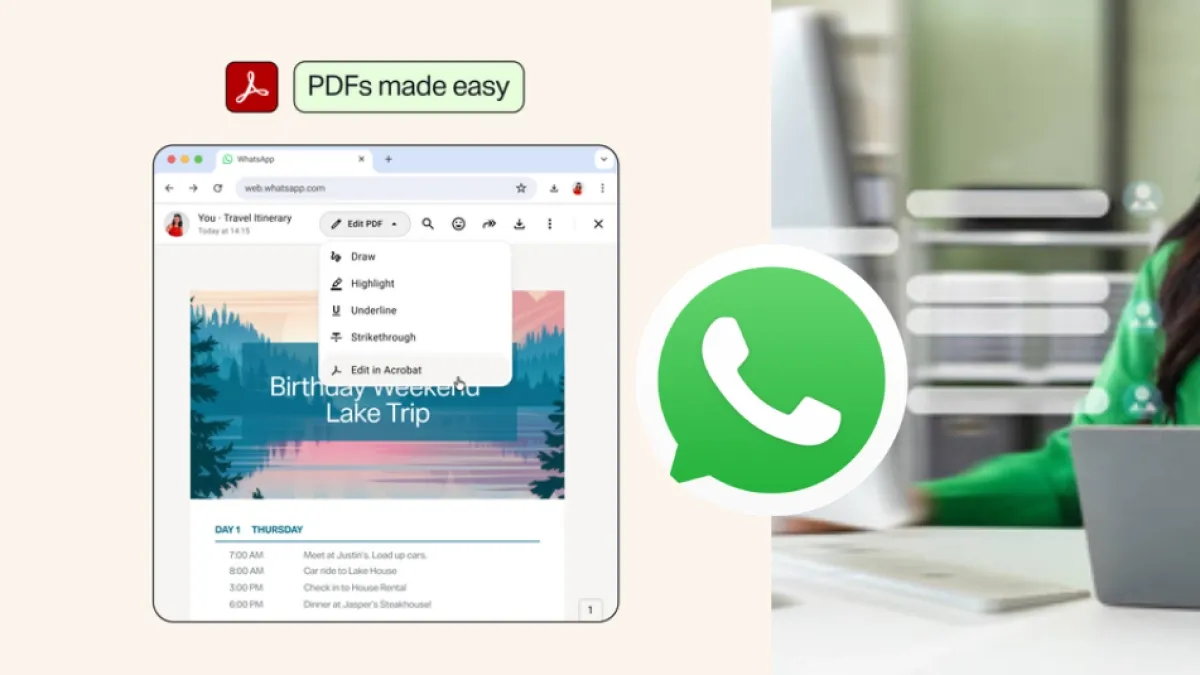
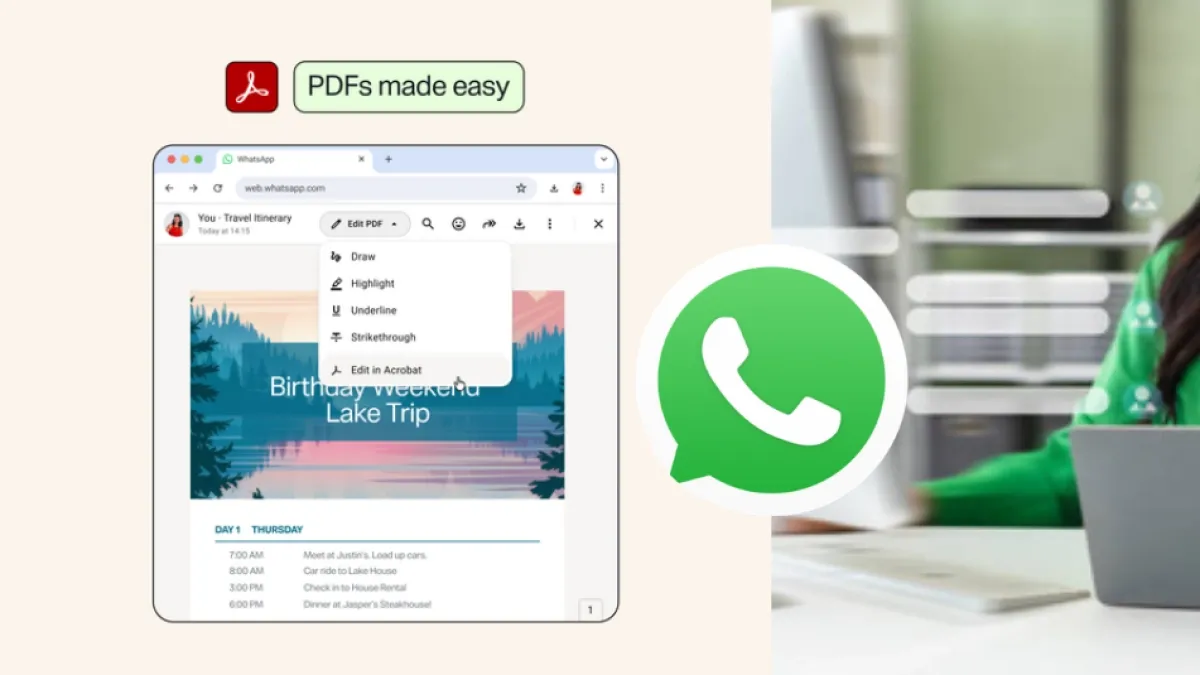
In a strategic move to solidify its dominance in the global messaging landscape, Meta has announced a significant update to WhatsApp, introducing a suite of four core enhancements designed to streamline communication across an increasingly fragmented ecosystem of personal and professional devices. This update, which will be rolled out gradually over the coming weeks, represents a pivotal shift in how the platform intends to integrate into the daily workflows of its billions of users.
From the seamless synchronization between mobile devices and tablets to the deeper integration with automotive systems, Meta is clearly pivoting toward a "device-agnostic" future. This evolution addresses the long-standing demands of a workforce and a social demographic that increasingly oscillates between smartphones, laptops, tablets, and smart-vehicle interfaces.
The Core Pillars of the Update: Breaking Device Barriers
Meta’s latest announcement is not merely a collection of minor tweaks; it is a fundamental architectural adjustment to how WhatsApp handles identity and connectivity. According to the official communication from the tech giant, the update focuses on four key areas that directly impact user autonomy and productivity.
1. Cross-Device Account Creation and Synchronization
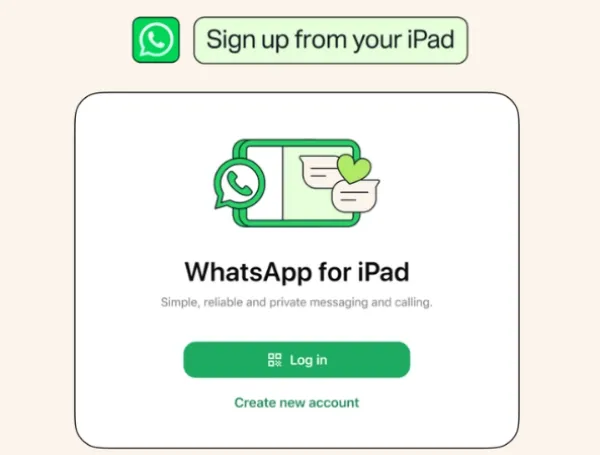
Perhaps the most notable change is the ability to initiate and manage a WhatsApp account directly from secondary devices, such as iPads and tablets. Previously, WhatsApp was tethered strictly to the primary smartphone, which acted as a mandatory bridge for all communication. This update decouples the account from the primary phone’s constant connection, allowing users to register and engage in conversations natively on tablets and other mobile devices without needing their phones to be powered on or connected to the internet.
2. Enhanced Integration with CarPlay and Android Auto
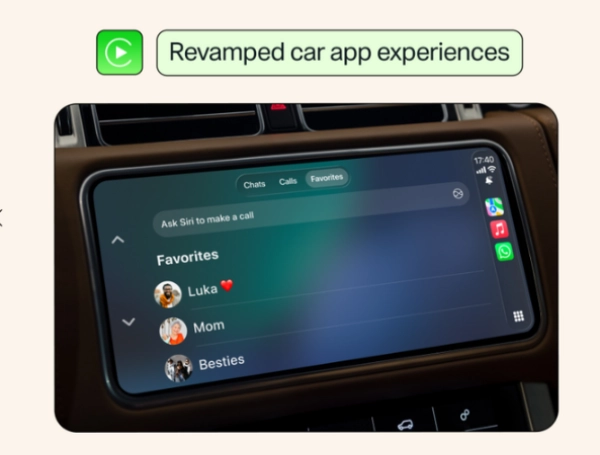
Recognizing that the modern user is rarely stationary, Meta has significantly upgraded the platform’s integration with automotive systems. By refining the user interface for both Apple’s CarPlay and Google’s Android Auto, WhatsApp is minimizing the cognitive load on drivers. These improvements include more intuitive voice commands, smarter message summarization, and a simplified menu structure that allows for faster interaction while maintaining safety standards on the road.
3. Streamlined Interaction and Interface Fluidity
Meta is also pushing for a more uniform user experience. By standardizing the interface across different screen sizes—from the compact displays of smartwatches to the expansive screens of desktop monitors—the company is aiming to reduce the "learning curve" users face when switching between hardware. This includes more robust cloud-based history synchronization and faster loading times for media-heavy chats.
4. Advanced Privacy and Connectivity Protocols
While not explicitly detailed as a standalone feature, the update includes back-end optimizations to the E2EE (End-to-End Encryption) protocols that govern multi-device communication. This ensures that even when a user switches between four different devices, the integrity of their message history remains protected and synchronized in real-time.
Chronology of the Shift: From Messaging App to Ecosystem
To understand why this update is so critical, one must look at the evolution of Meta’s strategy over the last two years.
Early 2025: Meta begins testing "Companion Mode," allowing users to link up to four devices to one account. This was the first major step in moving away from the phone-as-a-hub architecture.
Late 2025: Following the surge in usage during the 2026 World Cup period, WhatsApp hits a historic peak in daily active users. The strain on the system during high-traffic events highlighted the need for more efficient server-side data management.
July 2026: Meta officially announces the four-part update, signaling that the "Companion Mode" has reached a level of maturity that allows for full account independence on secondary devices.
This timeline demonstrates a methodical approach to scaling. Meta is not rushing features; rather, it is layering them onto an infrastructure that has already proven capable of handling massive spikes in global traffic.
Supporting Data: The Economic and Behavioral Context
The decision to expand WhatsApp’s capabilities is backed by clear behavioral shifts. According to recent market analysis, the average digital user now utilizes at least three different devices throughout their workday. By 2026, the reliance on single-device platforms has become a bottleneck for professional productivity.
Meta’s recent earnings reports have shown that while Facebook and Instagram remain the company’s primary advertising engines, WhatsApp has become the "glue" of the digital economy in emerging markets. In regions like Latin America, Southeast Asia, and India, WhatsApp is not just a messaging app; it is a tool for e-commerce, banking, and customer service. By allowing seamless transitions between a tablet (used for work) and a smartphone (used for communication on the go), Meta is ensuring that it remains the default platform for both social and commercial interactions.
Furthermore, the integration with smart vehicles is not just a luxury—it is a response to the "always-on" culture. With the rise of autonomous and semi-autonomous driving features, users are increasingly treating their vehicles as an extension of their home office. Meta is capturing this "in-transit" real estate, ensuring that WhatsApp notifications and voice-controlled responses are as fluid as those on a desktop computer.
Official Responses and Strategic Vision
In a statement released via the Meta Newsroom, a company spokesperson emphasized the philosophy behind the update:
"We are introducing new updates on WhatsApp that help you work wherever you do. Whether it’s creating a WhatsApp account directly from your iPad or managing your communications through upgraded CarPlay and Android Auto integrations, our goal is to ensure that the platform adapts to the user, not the other way around."
Industry experts suggest that this move is a defensive and offensive play. Defensively, it protects WhatsApp from competitors like Telegram or Signal, which have long boasted more flexible multi-device support. Offensively, it positions WhatsApp as an indispensable infrastructure layer for the "Metaverse" vision, where identity and communication must persist across virtual reality headsets, smart glasses, and traditional mobile hardware.
Implications: What This Means for the User
For the average user, these changes imply a significantly more reliable experience. No longer will a dying smartphone battery mean a total loss of access to urgent business communications on a tablet or a work PC.
However, there are implications regarding privacy and data management. As Meta continues to expand the synchronization capabilities, the amount of data stored in the cloud (or cached across multiple devices) increases. While Meta asserts that E2EE remains intact, privacy advocates continue to watch closely to ensure that the convenience of "multi-device freedom" does not come at the cost of metadata security.
Furthermore, for small businesses, this update is a game-changer. The ability to manage customer inquiries from a dedicated tablet without constantly switching to a smartphone allows for a more professional and efficient workflow. This effectively lowers the barrier for entrepreneurs in developing economies to scale their businesses using only WhatsApp and a tablet.
The Road Ahead: What to Expect in the Coming Weeks
Meta has cautioned that the update is being rolled out in stages. Users should not be alarmed if their device does not show these features immediately. The update is server-side, meaning it does not always require a manual download from the App Store or Google Play.
Check for Updates: While many features are server-side, ensuring that your WhatsApp application is on the latest version is the best way to prepare.
Verify Device Compatibility: Users should check if their specific tablet or car model supports the new version of WhatsApp integration.
Monitor Settings: Users are encouraged to review their "Linked Devices" section in the app settings, where they will soon see new options for managing account synchronization and device-specific permissions.
As we look toward the remainder of 2026, it is clear that Meta is doubling down on its most successful product. By transforming WhatsApp into a truly multi-platform communication suite, Meta is ensuring that even as hardware evolves, their platform remains the central nervous system of human interaction. The digital landscape is shifting, and with this update, WhatsApp has signaled that it intends to lead that charge, ensuring that connectivity remains as fluid and persistent as the modern lifestyle demands.
BOGOTÁ — Apple has officially shaken up the Latin American technology landscape with the announcement and immediate rollout of its most ambitious hardware generation to date in Colombia. Spearheaded by the flagship iPhone 18 Pro…
By Global Technology Desk Published: September 11, 2026 Main Facts In a stark disclosure that underscores the rapidly evolving risks of generative artificial intelligence, AI safety and research firm Anthropic announced on Thursday, September 10,…
In an era defined by hyper-connectivity, the digital landscape has become increasingly cluttered with unwanted noise. For millions of mobile users, the daily routine is frequently interrupted by the jarring ring of "spam" calls—solicitations, automated…