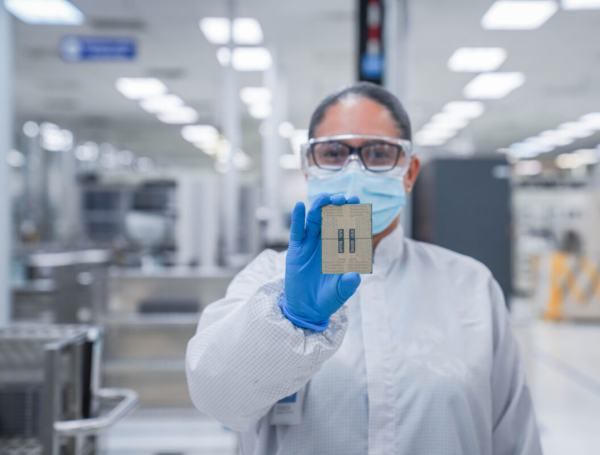
Global Dispatch — The global personal computer industry is navigating one of the most tumultuous periods in its modern history. Driven by an insatiable, exponential appetite for artificial intelligence infrastructure, a severe semiconductor and component shortage has sent shockwaves through technology markets.
Data from prominent market intelligence firms reveals a steep decline in worldwide hardware shipments throughout late 2026, accompanied by skyrocketing component costs. Far from being a localized glitch, this structural upheaval is redefining consumer pricing, reshaping manufacturing priorities, and calling into question when—or if—supply chains will stabilize before the decade’s end.
Main Facts: The Anatomy of a Hardware Drought
At the core of the crisis is a profound reallocation of manufacturing priorities. Semiconductor foundries and chipmakers have pivoted aggressively away from producing essential consumer-grade PC components—such as RAM (Random Access Memory) and SSDs (Solid-State Drives)—to fulfill massive, high-margin orders for advanced processors and high-performance hardware demanded by AI giants like OpenAI, Alphabet, and major cloud providers.
This strategic pivot has triggered an immediate supply shock:

- Shipment Contraction: Global PC shipments plummeted by 21 percent year-over-year in the third quarter of 2026, dropping from roughly 70 million units in Q3 2025 to 57 million units. Industry forecasts suggest this downward trajectory will deepen, with shipment declines potentially reaching 27 percent by the close of the year.
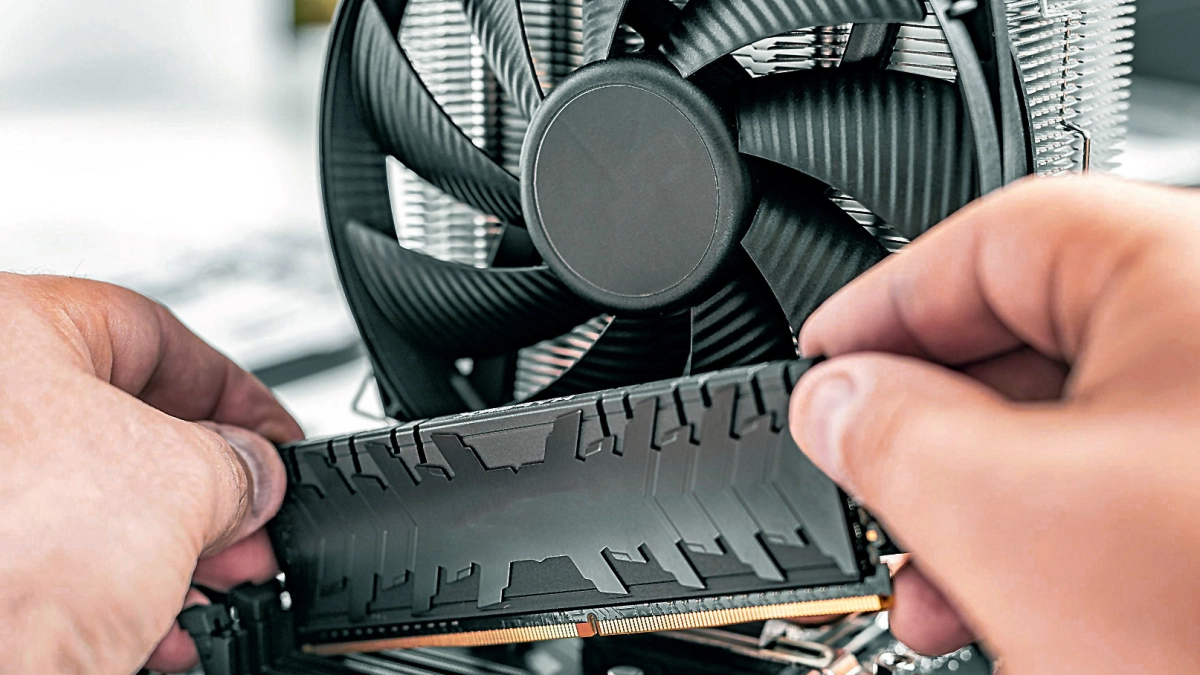
- Component Inflation: Prices for standard RAM modules (such as DDR4 and DDR5) have surged between 150 and 180 percent over the past several months. Certain specialized DDR5 modules have even experienced staggering price spikes of up to 300 percent.
- Inventory Depletion: Major manufacturers have run completely dry of key entry-level components. For instance, Intel recently depleted its entire stock of "Wildcat Lake" (Intel Core Series 3) budget chips, which power affordable Windows laptops designed to compete with entry-level Apple MacBooks (such as models from Dell and HP).
Chronology of the Crisis: From Warning Signs to Structural Collapse
The timeline of the current hardware crunch highlights how quickly a booming market can transition into a severe supply bottleneck:
- Late 2025: Initial ripples of the chip shortage begin to surface. While public attention remains fixated on generative AI breakthroughs, semiconductor fabrication plants quietly shift cleanroom capacity toward enterprise-grade AI accelerators.
- Early 2026: Industry leaders sound the alarm. In February, Tim Archer, CEO of chip equipment provider Lam Research Corp., warns that future demand projections are "greater than anything seen in the past" and will eclipse all other historical market drivers. Meanwhile, the crisis quietly broadens, impacting consumer electronics, automotive manufacturing, and video game consoles.
- Mid-2026 (August): Industry insiders confirm a grim milestone: global manufacturing capacity for RAM and core semiconductor components has been fully booked and committed through the entirety of 2027.
- Third Quarter 2026: The crisis hits consumers and enterprise buyers alike. Counterpoint Research documents a dramatic 13.8 percent sequential drop in PC deliveries between Q2 and Q3 2026. Major PC vendors scale back production runs, delay product roadmaps, and adjust retail pricing upward.
- Late 2026 (November): Financial disclosures from major chipmakers confirm that relief is nowhere in sight, casting serious doubt on market recovery prospects even for 2028.
Supporting Data and Market Dynamics
To fully understand the depth of the 2026 contraction, analysts emphasize the unique baseline set the previous year. The third quarter of 2025 was exceptionally robust, buoyed by commercial refresh cycles, corporate migrations away from Windows 10 ahead of official support deadlines, and pre-emptive purchasing strategies designed to beat impending international trade tariffs.

However, Minsoo Kang, an analyst at Counterpoint Research, notes that these traditional market drivers have lost their potency: "Commercial renewal cycles and Windows migrations continue to provide some underlying support, but they are simply no longer sufficient to offset the debilitated demand caused by rampant component inflation."
The Cost of Computing: Building and Buying Today
The ripple effects of soaring RAM and SSD prices have fundamentally altered what it costs consumers to acquire functional computing hardware.
According to Alejandro Muñoz, a technology infrastructure expert at Atecsa, custom desktop builds vary significantly based on user requirements. A standard baseline desktop historically required at least 8 GB of RAM to perform basic computing tasks. However, modern operating systems and AI-integrated software features now demand a minimum of 16 GB of RAM for a smooth user experience.
- RAM Pricing: A basic 8 GB RAM stick, once widely accessible, now commands a steep baseline price starting around 180,000 local currency units, while standard 16 GB configurations begin near 310,000 units.
- Desktop Cost Shifts: Pre-crisis, standard desktop towers ranged from budget builds starting around 1.8 million units up to specialized professional workstaions exceeding 60 million units. Today, assembling even a modest system incurs severe cost premiums.
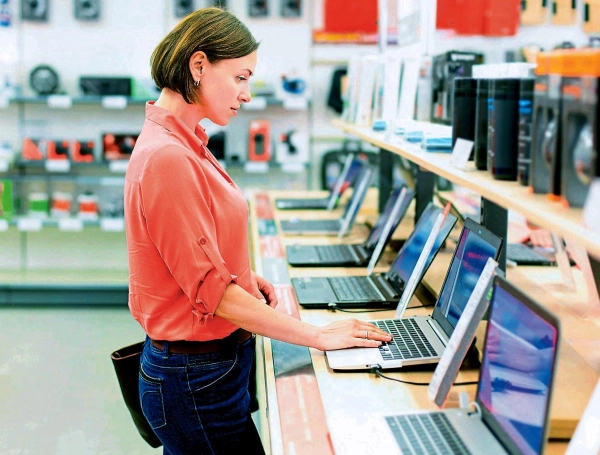
- Laptop Market Re-alignment: In 2024, entry-level student laptops featuring 8 GB of RAM held a baseline price of approximately $400 USD. Today, industry experts strongly advise purchasing machines with a minimum of 16 GB of RAM, pushing baseline entry-level laptop prices dangerously close to $600 USD.
Official Responses and Industry Outlook
Corporate leadership across the technology sector has offered sobering assessments of the road ahead, acknowledging that the industry has entered uncharted waters.

David Zinsner, Chief Financial Officer of Intel, pulled no punches during a recent financial briefing: "We are not optimistic about next year with respect to memory. We cannot guarantee that 2028 will be the year we overcome the global shortage of RAM and chips." Zinsner explicitly laid the blame at the feet of the artificial intelligence boom, characterizing the current predicament as "one of the most significant supply shortages in history." Despite the gloom, Zinsner maintained a long-term optimistic view, predicting that personal computers will eventually undergo a major market "renaissance" once the supply chain turbulence subsides.
David Naranjo, Associate Director at Counterpoint Research, echoed these sentiments, describing the current landscape as a period of profound structural adjustment. "The PC industry is entering a structural adjustment period where higher component costs, inflated system prices, and longer replacement cycles are radically transforming market dynamics," Naranjo stated. He emphasized that manufacturers are currently trapped in a high-stakes balancing act: attempting to keep devices affordable enough to reach mass-market consumers while simultaneously protecting corporate profit margins against runaway component expenses.

Implications: A New Era for Consumers and Enterprises
The convergence of AI dominance and hardware scarcity carries far-reaching implications for the digital economy:
- Prolonged Replacement Cycles: With hardware prices climbing and entry-level options disappearing, everyday consumers and cash-strapped educational institutions are holding onto their existing computers much longer. The traditional three-to-four-year upgrade cycle is stretching significantly.
- The Cloud vs. Local Hardware Debate: The crisis has reignited fierce ideological debates among tech titans. Figures like OpenAI leadership have floated concepts focusing computational memory within cloud infrastructure, drawing sharp rebukes from industry competitors. Critics, including Elon Musk, have publicly argued that everyday users retain a fundamental right to robust local hardware: "People also deserve to have their own RAM."
- The Rise of Sustainable, Energy-Efficient Processing: As silicon becomes scarcer and more expensive, chip designers are under intense pressure to maximize performance per watt. Newer processors are increasingly engineered around sustainable power consumption and advanced AI thermal management to squeeze maximum utility out of scarce physical silicon.
As the industry looks toward 2027 and beyond, the message from market analysts and semiconductor executives is uniform: the old rules of supply and demand no longer apply. Until manufacturing capacity catches up to the insatiable demands of the artificial intelligence revolution, the global personal computer market will continue to feel the squeeze of history’s most severe hardware drought.