By Felipe Santanilla Ayala Redacción Últimas Noticias Enriched and Translated Edition
Main Facts
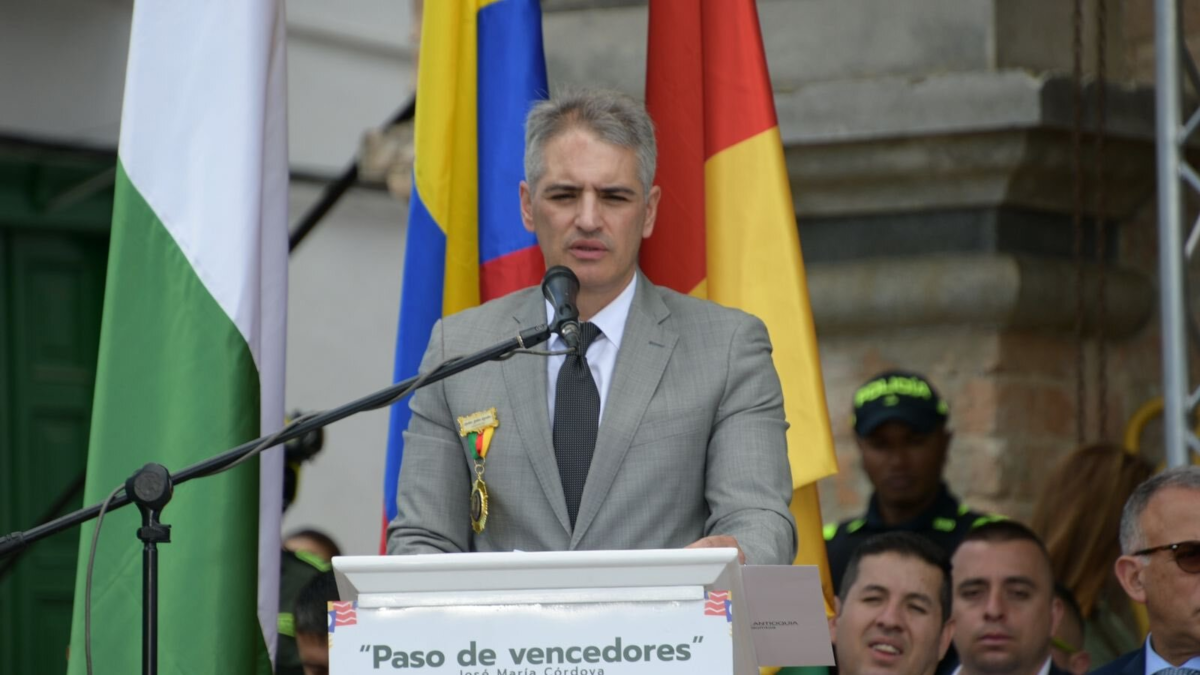
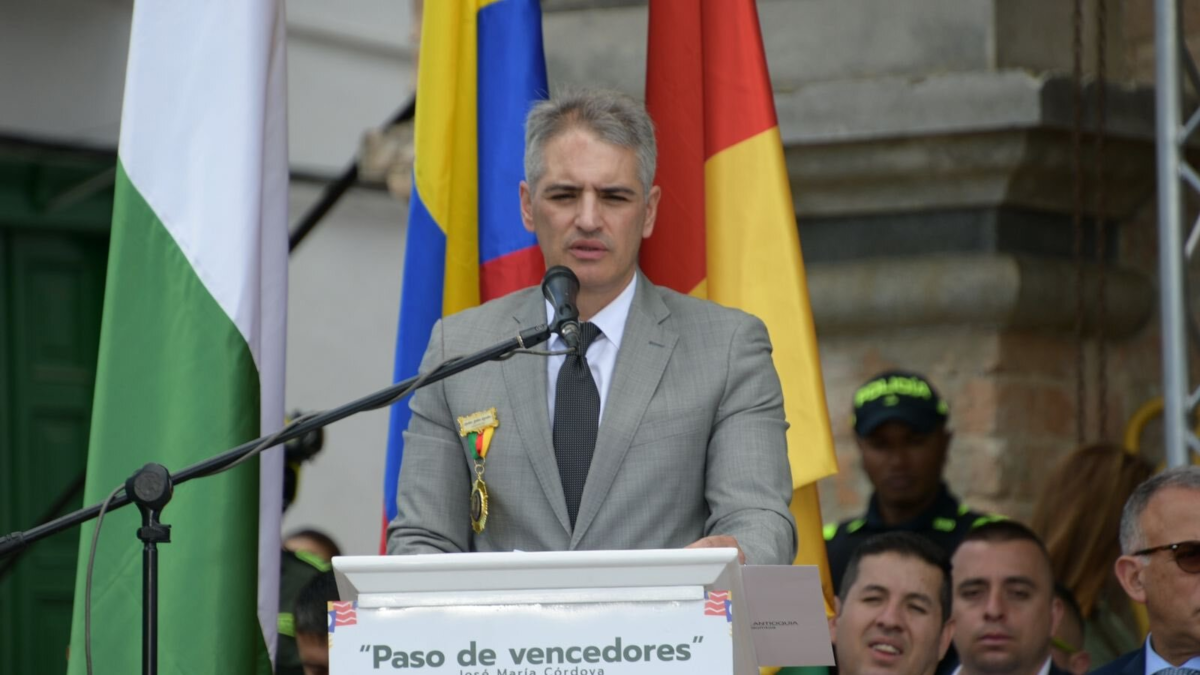
In a high-stakes escalation of political and legal friction between regional authorities and the central government, the Governor of Antioquia, Andrés Julián Rendón, has officially announced a robust judicial offensive targeting recent decisions made by the administration of President Gustavo Petro and the Office of the Attorney General of the Nation (Fiscalía General de la Nación).
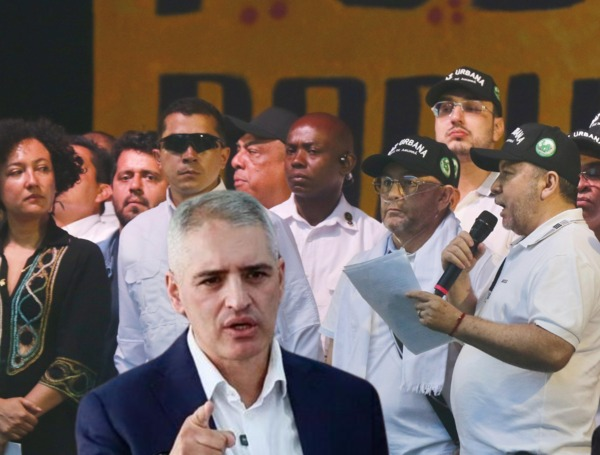
The crux of the controversy centers on a controversial official resolution that suspends the arrest warrants of 23 high-ranking leaders and kingpins belonging to major criminal structures operating within Medellín and its surrounding metropolitan area, the Valle de Aburrá. These individuals are designated as representatives or spokespersons in peace and dialogue initiatives promoted by the national government.
For Governor Rendón, however, this policy is not a viable pathway to peace, but rather a direct assault on institutional integrity, public security, and the rule of law. During a security council meeting held alongside local mayors from the Valle de Aburrá, Rendón confirmed that his administration will file a formal nullification lawsuit (demanda de nulidad) accompanied by an urgent request for precautionary measures before the Council of State (Consejo de Estado). The objective of this legal recourse is to immediately halt the effects of the executive and prosecutorial resolutions, preventing what the regional government describes as the institutionalization of impunity.
The legal challenge represents one of the most aggressive judicial pushbacks by a regional leader against national peace policies, setting up a fierce legal and political showdown regarding the limits of executive power in granting judicial benefits to organized crime syndicates.
Chronology of Events
The tensions leading up to this legal battle have unfolded over several months, marked by increasing friction over security protocols in Antioquia:
Early Peace Initiatives and Dialogues: Over the past year, the National Government advanced exploratory dialogues with urban criminal structures in Medellín—historically known as combos or local factions tied to larger drug-trafficking and extortion networks—as part of its "Total Peace" (Paz Total) framework.
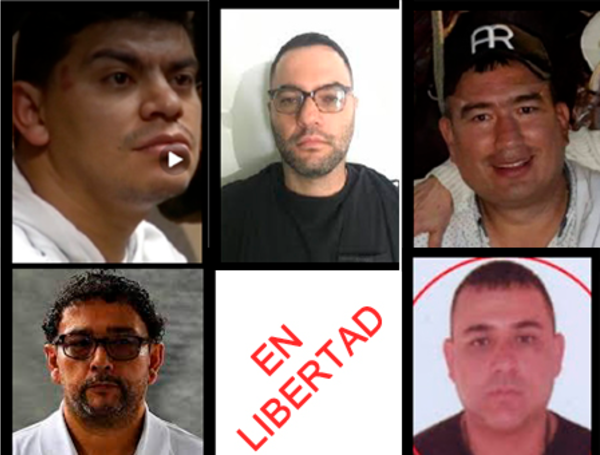
April 1, 2026: Public awareness and institutional unease peaked when details and identities of the 23 criminal kingpins benefiting from the suspension of arrest warrants were widely circulated. Reports confirmed that at least seven of these individuals had already been released or granted operational mobility to participate in peace talks.
April 5, 2026: Governor Andrés Julián Rendón took to social media and public forums to forcefully denounce the measure, branding the policy as an "autopista de impunidad" (highway of impunity) and announcing his imminent legal actions.
April 6, 2026: During a formal security council with municipal leaders of the Valle de Aburrá, Rendón formalized his announcements. He detailed the filing of the nullification lawsuit and requested an emergency injunction from the Council of State. Later that same day, momentum for the legal challenge grew as local legislative leaders announced parallel actions, signaling an impending wave of judicial challenges from Antioquia’s leadership.
Supporting Data and Context
To understand the weight of Governor Rendón’s challenge, it is essential to examine the operational and statistical realities of security in Antioquia and Medellín:
The Beneficiaries: The executive and prosecutorial resolutions directly impact 23 high-value targets within urban criminal organizations. These groups have historically driven homicide rates, micro-trafficking, extortion, and forced displacement in the Valle de Aburrá. Out of these 23 individuals, at least 7 have already walked free or had their capture orders frozen, allowing them to move openly under the protection of the peace talks framework.
Parallel Controversies: The governor’s legal action also references broader national controversies surrounding the Office of the Attorney General, pointing to recent statements by high-ranking judicial officials—including discussions regarding requests to lift arrest warrants for figures like alias "Calarcá"—which have fueled local perceptions of leniency toward armed actors.
Expanding Legal Fronts: The Gobernación de Antioquia is not acting in isolation. Legal analysts anticipate a cascading wave of similar lawsuits. Most notably, the President of the Medellín City Council, Alejandro De Bedout, announced plans to file a parallel legal challenge under the same legal parameters to block the implementation of the national decrees locally.
Official Responses and Public Declarations
The confrontation has sparked fierce public rhetoric from both regional and national stakeholders, underscoring a deep ideological and institutional divide over how to handle criminal organizations.
Governor Andrés Julián Rendón did not mince words when explaining the motivations behind the lawsuit. In a public statement shared via digital platforms and amplified during his regional security council, he argued that the national administration’s concessions undermine the foundational pillars of Colombian society:
"I am filing a nullification lawsuit with a precautionary measure before the Council of State: Gustavo Petro and the Attorney General are releasing criminals, violating justice, and turning their backs on the victims, judges, prosecutors, police officers, and soldiers who have risked their lives to capture them. They are building a highway of impunity…"
Rendón further underscored the insult he believes this policy represents to the public security forces, emphasizing the psychological and operational toll placed on law enforcement personnel who see individuals they captured through intense investigative work released under administrative decrees.
Furthermore, the governor drew a direct line between national security policies and regional autonomy, warning that the release of these figures is being weaponized to exert territorial and electoral pressure:
"Now they use this to intimidate the people of Antioquia and constrain their decisions. This is an affront against the victims and against our public force."
On the national side, the administration and the Office of the Attorney General have consistently defended the suspensions as a necessary, constitutional tool authorized under special legislation to pursue negotiated surrenders or peace agreements with high-impact criminal networks. Proponents argue that dismantling powerful urban mafias requires innovative, albeit legally complex, channels of communication that go strictly beyond military confrontation.
Implications and Future Outlook
The legal battle initiated by the Gobernación de Antioquia carries profound national implications for Colombia’s governance, security strategy, and judicial architecture:
Constitutional Precedent: The Council of State’s decision on whether to grant the emergency precautionary measure requested by Rendón will set a critical legal precedent. If the court pauses the resolution, it could temporarily halt ongoing peace dialogues with urban structures in Medellín, forcing the executive branch to recalibrate its legal mechanisms for negotiations.
Federal-Regional Tensions: This conflict highlights the growing friction between centralized peace policies and the autonomy of regional executives. Governors and mayors who bear the brunt of local security management are increasingly pushing back against national directives that they perceive as undercutting regional stability.
Impact on the Public Force and Victims: Morale within the Military Forces and the National Police remains a central talking point. Institutional allies of Rendón argue that releasing captured kingpins disincentivizes officers who risk their lives daily. Conversely, peace advocates maintain that temporary suspensions are a calculated risk necessary to achieve long-term conflict de-escalation and save lives.
As the legal documents are officially reviewed by the Council of State, Antioquia stands at the epicenter of a defining debate over the boundary separating state-led peace negotiations from the unyielding enforcement of criminal justice.
By Edwin Caicedo, Environment and Health Correspondent Updated: April 26, 2026 The environmental governance of Colombia is facing an unprecedented crisis. Following a devastating terrorist attack on April 25, 2026, in the department of Cauca—an…
Main Facts As the holiday season approaches, households around the globe are once again filled with the comforting aromas of traditional baking. Among the most cherished treats of the season are festive cookies, a staple…
By: Editorial Desk (Reporting from Medellín, Colombia) Date: April 6, 2026 In an escalating confrontation that pits regional autonomy against national policy, the Governor of Antioquia, Andrés Julián Rendón, has officially declared a "judicial war"…