Main Facts
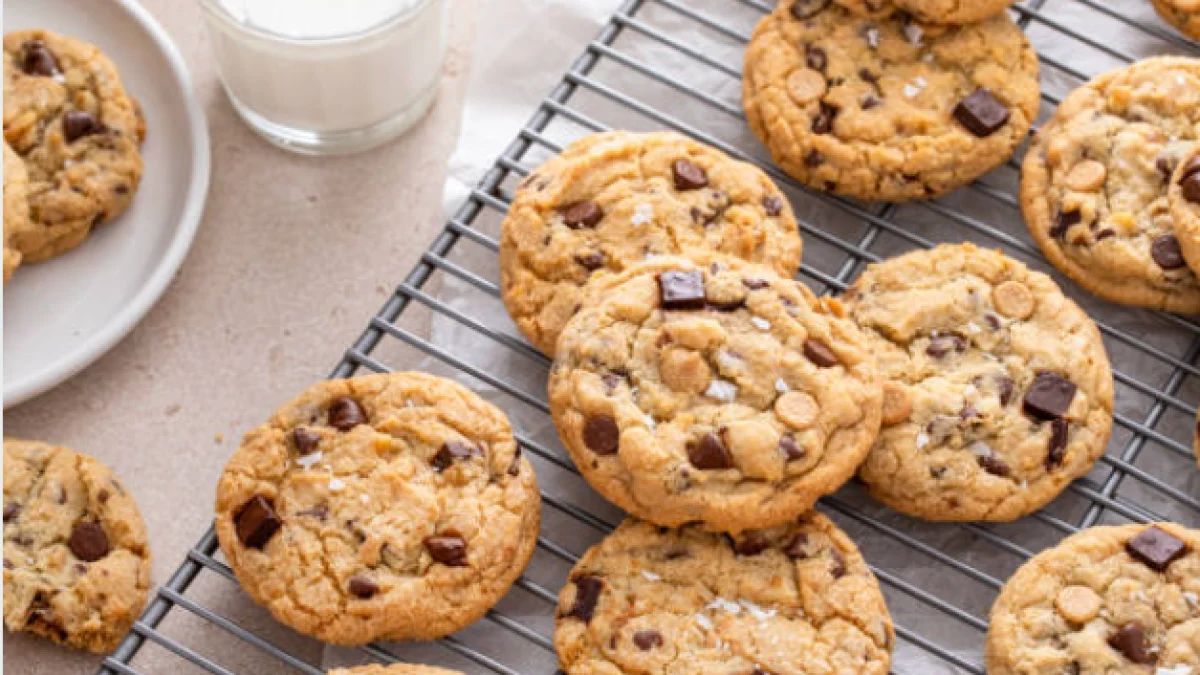
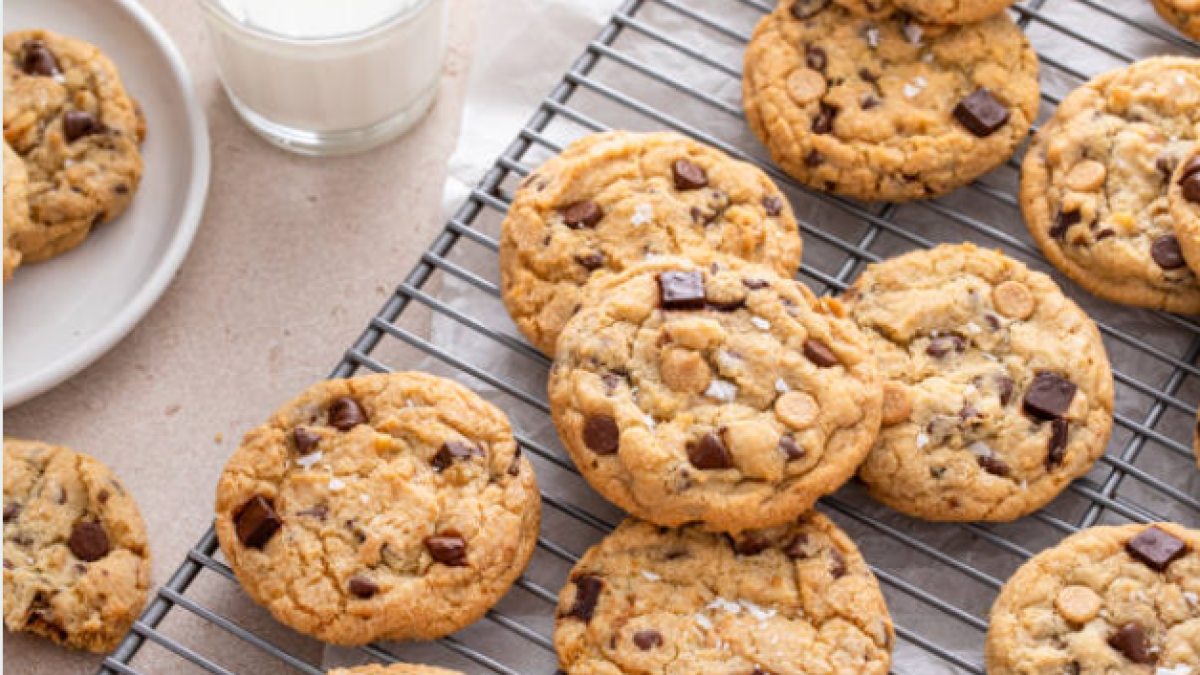
As the holiday season approaches, households around the globe are once again filled with the comforting aromas of traditional baking. Among the most cherished treats of the season are festive cookies, a staple of family gatherings, office parties, and cozy nights by the fire. However, the traditional recipes passed down through generations—often laden with refined sugars, white flours, and processed saturated fats—can take a toll on health during a time of year when overindulgence is already common.
Fortunately, a growing culinary movement encourages home bakers to reimagine these classic sweets. By swapping out standard ingredients for whole-wheat flours, nutrient-dense nuts, plant-based oils, and natural sweeteners like honey or maple syrup, it is entirely possible to craft holiday cookies that are both delicious and nutritionally balanced. These wholesome alternatives provide significantly more dietary fiber, healthy fats, and essential micronutrients than their ultra-processed, store-bought counterparts, which are frequently packed with chemical additives and hidden sugars.
According to culinary and nutritional experts, embracing home-baked goods is not merely about managing caloric intake; it is about reclaiming control over the food we put into our bodies. By making informed choices in the kitchen, families can honor their holiday traditions while supporting their long-term health and well-being.
Chronology: The Evolution of Holiday Baking and Health Consciousness
To understand the current shift toward healthier holiday baking, it helps to examine how culinary habits and nutritional awareness have evolved over time.
- Pre-Industrial Era: Baking was inherently wholesome out of necessity. Sweeteners were scarce and expensive, meaning honey, molasses, and unrefined sugars were used sparingly. Flours were predominantly whole-grain because stone-milling technology did not strip away the nutrient-rich bran and germ.
- The Mid-20th Century (The Rise of Convenience): The post-war boom introduced mass-produced, commercially packaged foods. Convenience took precedence over nutrition. Ultra-processed flours, hydrogenated vegetable oils, and artificial flavorings became standard in commercial cookie manufacturing, setting a new, highly sweet baseline for consumer palates.
- The 2015 Watershed Study: A pivotal moment for home-cooking advocacy occurred with the publication of a landmark study by researchers at the Johns Hopkins Bloomberg School of Public Health. Published in the journal Public Health Nutrition, the study provided hard data proving the direct physiological benefits of preparing meals and treats at home rather than relying on commercial or restaurant alternatives.
- The Modern Wellness Movement (Present Day): Today, consumers are increasingly turning away from industrial additives. Armed with accessible nutritional science, modern home bakers actively seek out functional ingredients—such as oats, seeds, and ancient grains—transforming holiday baking from a source of dietary guilt into an opportunity for nourishment.
Supporting Data: The Science of Home Cooking and Nutritional Control
The benefits of baking at home extend far beyond the psychological comfort of family traditions. A growing body of scientific research underscores the advantages of controlling one’s own ingredients, particularly during high-stress, high-sugar periods like the winter holidays.
The Johns Hopkins Findings
The 2015 study highlighted by the Spanish health publication Saber Vivir remains one of the most comprehensive investigations into home cooking habits. Researchers at Johns Hopkins University analyzed data from thousands of participants and discovered that individuals who frequently cooked meals and baked goods at home consumed significantly fewer daily calories, less sugar, and lower amounts of unhealthy fats than those who relied on pre-made or commercially processed foods.

Crucially, the study noted that home cooks did not necessarily adhere to strict, professional diets; rather, the simple act of handling raw ingredients naturally curtailed the unconscious consumption of the chemical preservatives and hidden syrups common in industrial products.
Nutritional Profiles: Industrial vs. Homemade
| Nutritional Component | Store-Bought Industrial Cookies | Homemade Wholesome Alternatives |
|---|---|---|
| Primary Flour | Refined white flour (low fiber, stripped nutrients) | Whole-wheat, oat, or almond flour (high fiber, sustained energy) |
| Sweeteners | High-fructose corn syrup, refined white sugar | Honey, maple syrup, unrefined coconut sugar |
| Fats | Trans fats, hydrogenated oils, palm oil | Cold-pressed olive oil, coconut oil, nut butters |
| Additives | Artificial colors, chemical preservatives, stabilizers | None (natural ingredients only) |
By substituting refined white flour with whole grains, bakers drastically alter how the body processes the treat. Whole grains slow down digestion, preventing the sharp insulin spikes associated with processed sugar crashes. Furthermore, incorporating healthy fats—such as the omega-3 fatty acids found in walnuts—supports cardiovascular health, turning a holiday indulgence into a functional food.
Official Responses and Expert Insights
Nutritional experts, dietitians, and culinary specialists are increasingly vocal about the need to redefine holiday eating habits. Rather than advocating for deprivation during festivities, professionals suggest a strategy of smart substitution and mindful consumption.
"The holidays should be a time of joy, connection, and celebration, not anxiety over food," notes Dr. Elena Vance, a clinical nutritionist specializing in metabolic health. "When we tell people they can never have a cookie, we set them up for binge eating. Instead, we should focus on upgrading the quality of the ingredients. A cookie made from oats, real fruit purees, and heart-healthy nuts offers genuine nutritional value while satisfying the psychological craving for sweets."
Public health organizations also emphasize the psychological benefits of baking. Engaging in hands-on food preparation with family members fosters mindfulness and a deeper appreciation for ingredients. Culinary therapy has been shown to reduce stress levels—a common concern during the hectic holiday season—by grounding individuals in a creative, sensory-rich activity.
Furthermore, food safety and consumer advocacy groups point out that commercial holiday treats often sit on shelves for months, requiring chemical stabilizers to maintain texture. Baking at home eliminates the need for these chemical additives, ensuring that every bite is as fresh as it is wholesome.

Implications: Transforming Holiday Traditions for Future Generations
The shift toward health-conscious holiday baking carries profound implications for public health, family culture, and the broader food industry.
1. Public Health and Chronic Disease Prevention
With rates of obesity, type 2 diabetes, and cardiovascular disease remaining major global health concerns, finding ways to moderate sugar intake during peak holiday seasons is critical. By modifying traditional recipes to feature lower glycemic indexes and higher fiber contents, families can enjoy seasonal festivities without triggering adverse metabolic effects. Small adjustments—such as reducing total sugar by 25 percent and replacing white flour with nutrient-dense alternatives—accumulate into significant health benefits over time.
2. Cultural and Familial Bonding
Food is deeply tied to memory and identity. When parents and grandparents teach children how to bake using wholesome, natural ingredients, they pass down a dual legacy: the joy of shared culinary traditions and the importance of self-care through nutrition. This hands-on education helps children develop a positive, intuitive relationship with food, viewing it as a source of nourishment and pleasure rather than a source of stress or guilt.

3. Market Pressures on the Food Industry
As consumer demand for clean-label, low-sugar, and nutrient-dense products grows, commercial food manufacturers are being forced to adapt. The rising popularity of homemade, whole-food recipes sends a clear message to the marketplace: consumers are no longer willing to sacrifice their health for convenience. This trend encourages industrial bakers to clean up their ingredient lists, offering healthier alternatives for those moments when time runs short.
Three Wholesome Holiday Cookie Recipes to Try at Home
To help kickstart your healthier holiday baking journey, consider these three delicious, nutritionally balanced recipes designed to satisfy your sweet tooth while keeping your wellness goals on track.
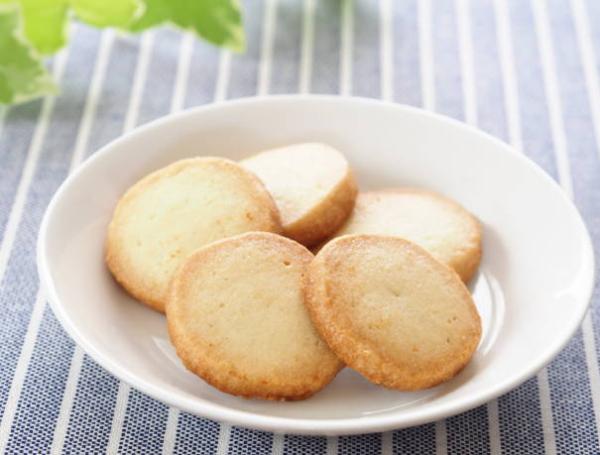
1. Oات, Almond, and Orange Cookies
The ingredients in this recipe provide a robust combination of dietary fiber, vitamin E, and powerful antioxidants, making them an ideal companion for a warm cup of herbal tea on a chilly winter afternoon.

- Key Ingredients: Rolled oats, finely ground almond flour, fresh orange zest, freshly squeezed orange juice, a touch of honey or maple syrup, and a splash of coconut oil.
- Preparation: Preheat your oven to 180°C (350°F). Mix the dry ingredients with the wet ingredients until a manageable dough forms. Shape into small rounds and place on a lined baking sheet. Bake for 10 to 12 minutes, or until the edges begin to turn a golden brown. Allow to cool completely before serving.
2. Whole-Wheat Oat Cookies with Walnuts and Cinnamon
Walnuts are celebrated for their high concentration of plant-based omega-3 fatty acids, which promote heart health. Combined with cinnamon—known for its ability to help stabilize blood sugar levels—these cookies are as functional as they are flavorful.
- Key Ingredients: Whole-wheat flour, rolled oats, chopped walnuts, ground cinnamon, unrefined coconut sugar, and a flaxseed "egg" or organic egg binder.
- Preparation: Preheat your oven to 175°C (345°F). Combine the dry ingredients in a large bowl, fold in the chopped walnuts and wet binding agents, and drop spoonfuls onto a baking sheet. Bake for 12 to 14 minutes until firm and aromatic.
3. Apple, Oat, and Ginger Cookies
The natural puree of fresh apples provides deep moisture and natural sweetness to this recipe, reducing the need for added refined sugars. Meanwhile, ginger and cinnamon offer wonderful aromatic warmth alongside potent anti-inflammatory properties.
- Key Ingredients: Rolled oats, unsweetened applesauce (apple puree), freshly grated ginger, ground cinnamon, a pinch of sea salt, and maple syrup.
- Preparation: Preheat your oven to 175°C (345°F). In a mixing bowl, combine the oat base with the apple puree, grated ginger, and spices. Drop uniform portions onto a baking tray and bake for 12 to 15 minutes until set.
By integrating these wholesome recipes into your holiday routine, you can celebrate the season with flavor, joy, and vitality.