By Jhoan Sebastian Cote Lozano | Justice Desk
Updated: September 21, 2026
Three decades ago, thousands of Colombian families, mostly from vulnerable economic backgrounds, invested their life savings and sweat into a dream: the dream of a home. Today, that dream has transformed into a protracted nightmare of legal exhaustion, broken promises, and the quiet passing of hundreds of elderly citizens who died without seeing a cent of their investment returned.

The case of the Asociación Nazarena de Vivienda (ASONAVI) is more than a mere administrative dispute; it is a human tragedy of epic proportions. With the majority of the original claimants now over the age of 71, a new generation of legal representatives is calling upon the current government to open a technical dialogue and pursue a friendly settlement before the Inter-American Commission on Human Rights (CIDH).
The Origin of a Dream Interrupted
In the mid-1990s, ASONAVI emerged as a beacon of hope for thousands of families seeking a path to homeownership. The model was based on collective self-construction, where members contributed their meager savings and manual labor to build their own future. The project’s growth was meteoric: in just four years, nearly 15,000 families had joined, and the organization successfully delivered approximately 3,000 homes.

However, the rapid expansion caught the attention of local authorities. In 1997, the Mayor’s Office of Bogotá intervened in the association, seizing its assets and assuming total administrative control. From that moment on, the dream for the remaining families began to fracture. For nearly thirty years, these families have demanded a transparent accounting of their contributions and the destination of the assets seized by the state. They have yet to receive a satisfactory explanation, and the human cost has been devastating: as of April 2025, 568 claimants had passed away while waiting for a resolution that never came.
A Chronology of Legal Limbo
The legal battle involving ASONAVI is a labyrinthine journey through the Colombian judicial system, marked by conflicting rulings and systemic inertia.

- 2005: Over 5,000 affected families filed a massive civil lawsuit, seeking restitution for their lost savings.
- 2006: The Superior Court of Bogotá ruled that civil judges were the competent authority to hear the case. For the next decade, the proceedings moved forward under this jurisdiction.
- 2015: In a rare moment of optimism, a civil court ordered the payment of the claimed amounts, totaling approximately 67.886 billion Colombian pesos. The victims believed their long ordeal had concluded.
- 2017: The hope was short-lived. The Constitutional Court of Colombia issued a ruling declaring that the case did not belong in civil jurisdiction. Consequently, it nullified the entire decade-long process, including the court-ordered payments.
- 2020: Having exhausted all internal domestic remedies, the victims turned to the international stage, filing a petition with the Inter-American Commission on Human Rights (CIDH) alleging violations of their rights to judicial guarantees, private property, and decent housing.
- 2024: The CIDH formally transmitted the petition to the Colombian State.
- 2025: The Commission declared the case procedurally ready for an admissibility report, proposing a path toward a friendly settlement.
The Human Cost: A Census of Aging Victims
The data behind the ASONAVI tragedy is as staggering as it is heartbreaking. According to a recent census verified by representatives of the victims, the case currently involves 6,313 individuals. Of this total, 5,951—nearly 95%—are over the age of 71.
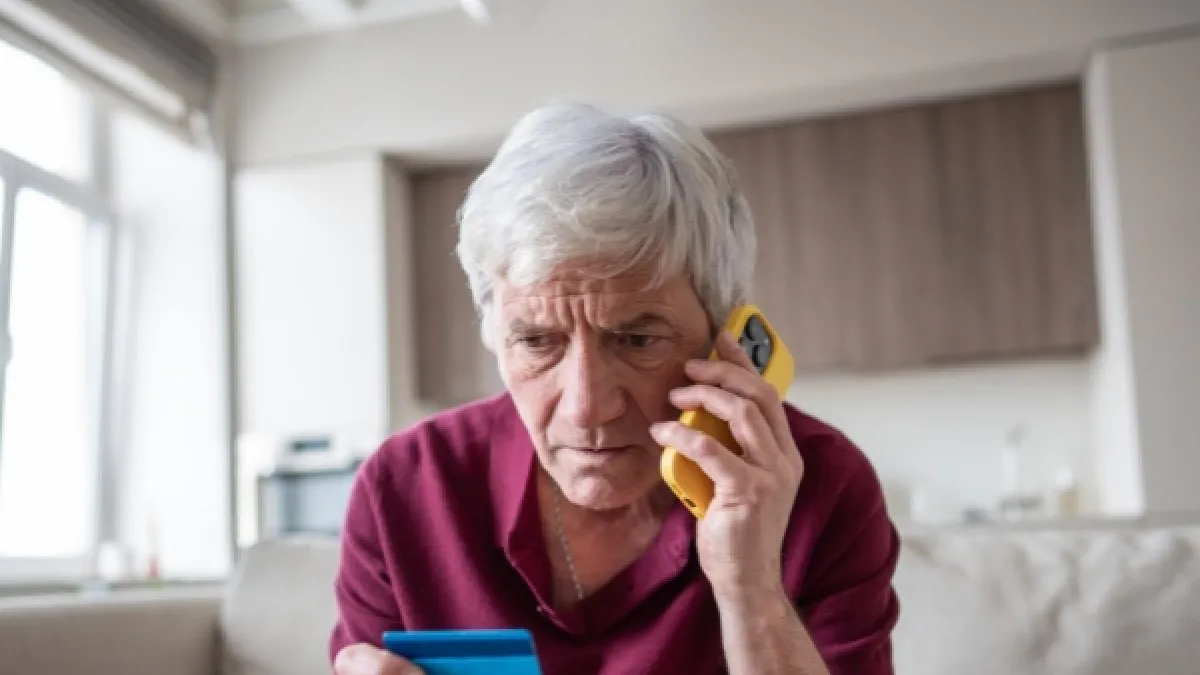
These individuals are not merely statistics; they are the elderly who invested their youth and labor in a social project sanctioned by the state, only to spend their final years in poverty, denied the housing they helped build. The figure of 568 deaths recorded in April 2025 is now widely considered to be an undercount, as the clock continues to run against an aging population.

"We did not simply lose a lawsuit," says Sergio Jinás, the lead attorney for the claimants. "We spent more than ten years litigating before the very judges the State itself deemed competent. We obtained favorable decisions, and then, with one stroke of the pen, the entire path we had walked simply vanished. It is a profound failure of the judicial system."
The Stagnation of the State’s Defense
The path toward a friendly settlement has not been without its hurdles. Critics, including the legal representatives for the victims, point to the previous administration of the Agencia de Defensa Jurídica del Estado (ADJE).
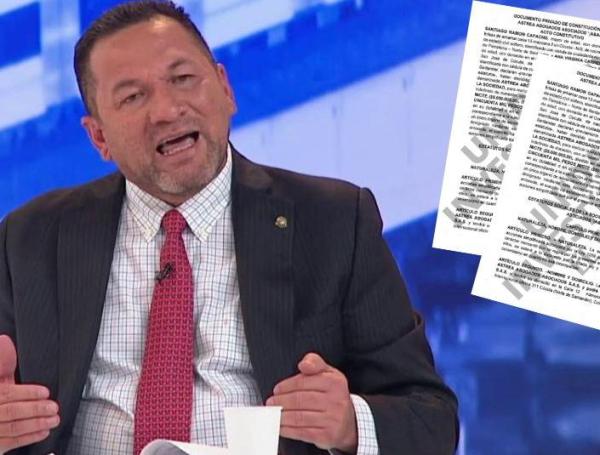
Under the direction of César Palomino Cortés, the victims claim that the state adopted a policy of indifference and administrative delay. Despite the CIDH opening the door for dialogue, the Agency allegedly failed to engage in the necessary discussions to reach an amicable resolution, preferring instead to continue a strategy of legal attrition that favored the passage of time over the delivery of justice.
A New Opportunity for Dialogue
With the arrival of Germán Calderón España to the helm of the Agencia de Defensa Jurídica del Estado, there is a glimmer of cautious optimism among the survivors. The claimants hope that the change in leadership will signal a shift in policy, moving away from confrontation and toward a restorative approach.

The victims are formally proposing that the Agency and the relevant government entities embrace the CIDH’s mechanism for a friendly settlement. This process would allow for a structured negotiation, aiming for a consensus that recognizes the economic losses suffered by the families while acknowledging the decades of psychological and social damage caused by the state’s intervention.
Implications and the Need for Urgency
The ASONAVI case carries profound implications for the Colombian legal system and the government’s commitment to social justice. It serves as a cautionary tale of how procedural formalism can be weaponized to effectively strip vulnerable populations of their rights.

The core of the claimants’ argument is simple: they are not asking for a favor; they are asking for the restitution of their property and the recognition of a debt the state assumed when it intervened in their organization.
"We do not want the solution to arrive when there is no one left to receive it," a spokesperson for the group stated in a recent assembly. "After nearly thirty years, what we need is a serious solution, one that is reached through consensus and, above all, one that happens in time."

For the 5,951 seniors waiting for a resolution, time is the one resource they no longer possess. The decision by the current government to either continue the cycle of litigation or to sit down at a technical table for a friendly settlement will determine whether the legacy of ASONAVI ends in a final, systemic injustice or a rare, belated act of state responsibility.
As the CIDH waits for the Colombian State’s formal response to the invitation for dialogue, the eyes of the thousands of families remain fixed on the government offices in Bogotá. They are, as they have been for three decades, waiting to be heard.