By Edwin Caicedo
Environment and Health Journalist
Updated: September 14, 2026
Main Facts
Medellín, the vibrant capital of Colombia’s Antioquia department, has clinched a prestigious spot on the international stage, ranking as the 12th best city in the world for bicycle mobility. Published by the renowned global culture and lifestyle magazine Time Out, the index evaluates urban environments based on how easy, safe, and enjoyable it is to commute on two wheels.
Notably, Medellín stands out not only as the sole Latin American metropolis to crack the top 20, but it also managed to outpace several deeply entrenched, highly celebrated European cycling hubs—including Rotterdam (Netherlands), Helsinki (Finland), and Frankfurt (Germany).
To compile this comprehensive global index, Time Out surveyed over 24,000 urban residents worldwide regarding their day-to-day commuting experiences. The final ranking spotlights the top 20 cities where the highest percentages of respondents enthusiastically described their local cycling conditions as either "good" or "fantastic." Furthermore, the methodology enforced a strict one-city-per-country limit to ensure global diversity and representation.
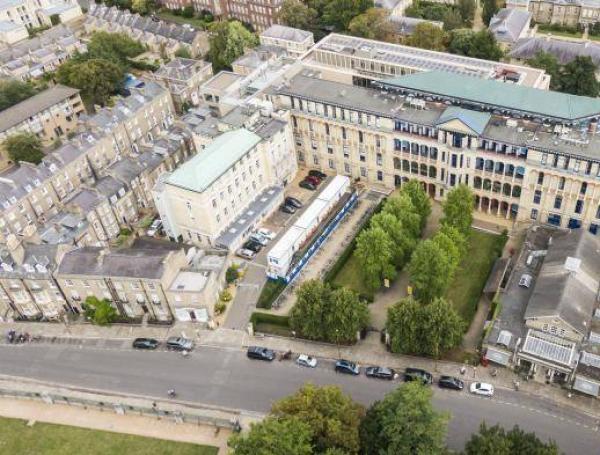
At the summit of the global index sat Cambridge, United Kingdom—a historic university town celebrated for its exceptionally flat terrain, compact layout, dry climate, and progressive infrastructure. Meanwhile, Medellín’s impressive 12th-place finish underscores the remarkable transformation of the "City of Eternal Spring" into a beacon of sustainable urban mobility within the Global South.
Chronology of Urban Cycling in Medellín
The journey that propelled Medellín into the upper echelons of global cycling cities was neither accidental nor instantaneous. It is the result of decades of civic planning, political will, and grassroots environmental activism aimed at reclaiming public space from vehicular congestion.

1. The Foundation: Early Initiatives and the Master Plan
The transformation began in the late 1990s and early 2000s, when local authorities and urban planners recognized that rapid population growth and mountainous geography were choking the Aburrá Valley with traffic and smog. Initial efforts focused on creating recreational paths, most notably the Ciclovía program, which closed major arteries to cars on Sundays and holidays, encouraging citizens to embrace non-motorized transport.
2. Expansion of Infrastructure (2010–2020)
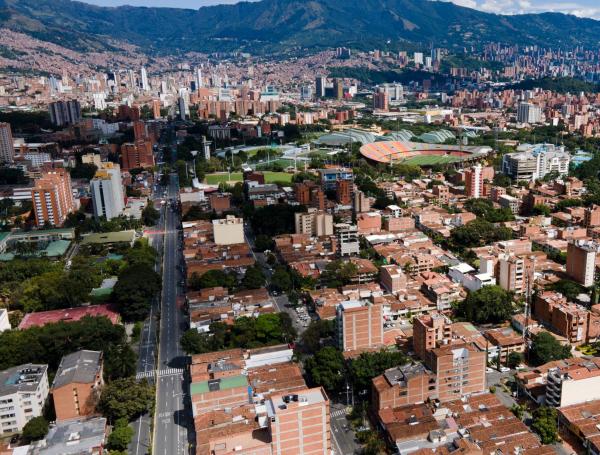
During the 2010s, Medellín accelerated its physical transformation. The city administration committed to constructing a dedicated, interconnected network of bike lanes (ciclorrutas). Arterial routes were built along the Medellín River (Avenida Regional), connecting northern and southern sectors, while neighborhood-scale paths were integrated into residential areas like Laureles and La América.
3. Integration with Mass Transit (2015–Present)
A critical milestone in Medellín’s cycling evolution was its physical and digital integration with the city’s integrated mass transit system, the Metro. The introduction of public bicycle-sharing schemes—such as Encicla—allowed commuters to seamlessly combine cycling with metro, cable car (Metrocable), and bus rides. Bike parking facilities sprouted across major transit stations, drastically lowering the barriers to multimodal commuting.
4. International Recognition (2026)
By 2026, these cumulative investments bore fruit on the global stage. The Time Out ranking cemented Medellín’s status not merely as a regional leader in sustainable development, but as a world-class model for urban cycling infrastructure in developing nations.
Supporting Data and Metrics
Data from local open-data portals and international urban mobility studies paint a vivid picture of the infrastructure and public sentiment driving Medellín’s success:
- 100+ Kilometers of Ciclorrutas: Medellín boasts a dedicated network exceeding 100 kilometers of urban bike lanes, strategically linking industrial corridors, commercial districts, and residential zones.
- Key Corridors: Vital arteries such as the Avenida Regional, alongside traditional, tree-lined neighborhoods like Laureles-Estadio and La América, feature robust cycling integration.
- Global Benchmark Comparison: To put Medellín’s 12th-place ranking in perspective, it outperformed heavyweights of European cycling culture. Rotterdam, despite its Dutch heritage of cycling supremacy; Helsinki, lauded for Nordic urban planning; and Frankfurt, a major German financial center, all trailed behind the Colombian capital in the Time Out index.
- The Global Standard (Cambridge): By comparison, the top-ranked city, Cambridge, achieved its status because approximately one-third of all daily commutes are conducted on bicycles, with over 83% of its surveyed residents expressing high satisfaction with local cycling conditions. Cambridge’s success is bolstered by multi-story bicycle parking garages at its transport hubs and specialized "cycle streets." While Medellín has yet to reach a one-third modal split, its inclusion in the top tier proves that its trajectory is closely tracking global best practices.
Official Responses and Expert Perspectives
The recognition from Time Out elicited widespread celebration among local authorities, urban planners, and environmental advocates, who view the ranking as validation of long-term public policies.
Local government officials highlighted that the achievement reflects a collective effort between municipal administration and civil society. Representatives from the Medellín Mayor’s Office noted that investments in sustainable transport are directly tied to broader goals of reducing greenhouse gas emissions, improving public health, and democratizing public space.
"Being recognized globally alongside cities historically famous for their cycling infrastructure demonstrates that Medellín is moving in the exact right direction," stated an urban mobility spokesperson. "Our geography presents challenges, but through smart planning, electric micro-mobility integration, and the expansion of protected bike lanes, we are proving that Latin American cities can lead the green transition."
Environmental and health specialists have also emphasized the profound public health implications of this ranking. Urban health advocates point out that increased physical activity via cycling directly combats sedentary lifestyles, lowers the incidence of cardiovascular diseases, and mitigates the respiratory issues traditionally exacerbated by vehicular air pollution in the densely populated Aburrá Valley.
Furthermore, community cycling collectives—groups that have spent years organizing nocturnal mass rides (critico rides) and advocating for cyclist safety—hailed the news. They stressed, however, that the ranking must serve as a springboard for further improvements rather than a point of complacency.
Implications for the Future
Medellín’s inclusion in the top 12 of Time Out’s global cycling index carries profound implications for the city’s future trajectory, spanning urban development, tourism, economics, and social equity.
1. Urban Planning and Infrastructure Expansion
While 100 kilometers of ciclorrutas is an impressive foundation, urban planners emphasize that the city must continue expanding and hardening its infrastructure. Future phases of development will likely focus on closing gaps in the network, creating grade-separated intersections for enhanced cyclist safety, and expanding secure bike-parking facilities in commercial and high-density residential areas.

2. Tourism and Economic Development
As Medellín increasingly positions itself as a premier destination for international tourism and digital nomads, its reputation as a green, progressive city becomes a powerful economic magnet. Visitors are increasingly seeking sustainable travel options, and a robust cycling infrastructure enhances the city’s appeal as an active, eco-friendly destination. This recognition aligns with a series of other accolades the city has accumulated throughout 2026 in tourism and smart-city innovation.
3. Social Equity and Mobility Justice
Perhaps the most critical implication touches upon social equity. In many Latin American cities, transportation infrastructure often favors private automobile owners over lower-income populations. By prioritizing non-motorized transport, public bike-sharing systems, and multimodal integration with the Metro, Medellín is actively democratizing mobility. Affordable access to bicycles ensures that citizens from all socioeconomic strata can navigate the city efficiently without bearing the high financial costs of private vehicle ownership or traditional public transit fares.
4. Climate Action and Resilience
As global urban centers face the escalating crisis of climate change, cities like Medellín are proving that aggressive investments in active mobility are non-negotiable pillars of urban resilience. By reducing its reliance on fossil-fuel-powered vehicles, Medellín is cutting its carbon footprint and serving as a visionary template for other developing metropolitan areas across the globe.

Stay informed on all aspects of sustainable living, environmental policy, and urban health by subscribing to EL TIEMPO’s weekly newsletters, following our updates on Facebook and X (formerly Twitter), or downloading the official EL TIEMPO mobile application.