By Edwin Caicedo | Environment and Health Journalist Published: September 17, 2026
Main Facts: A Groundbreaking Discovery in the Yungas
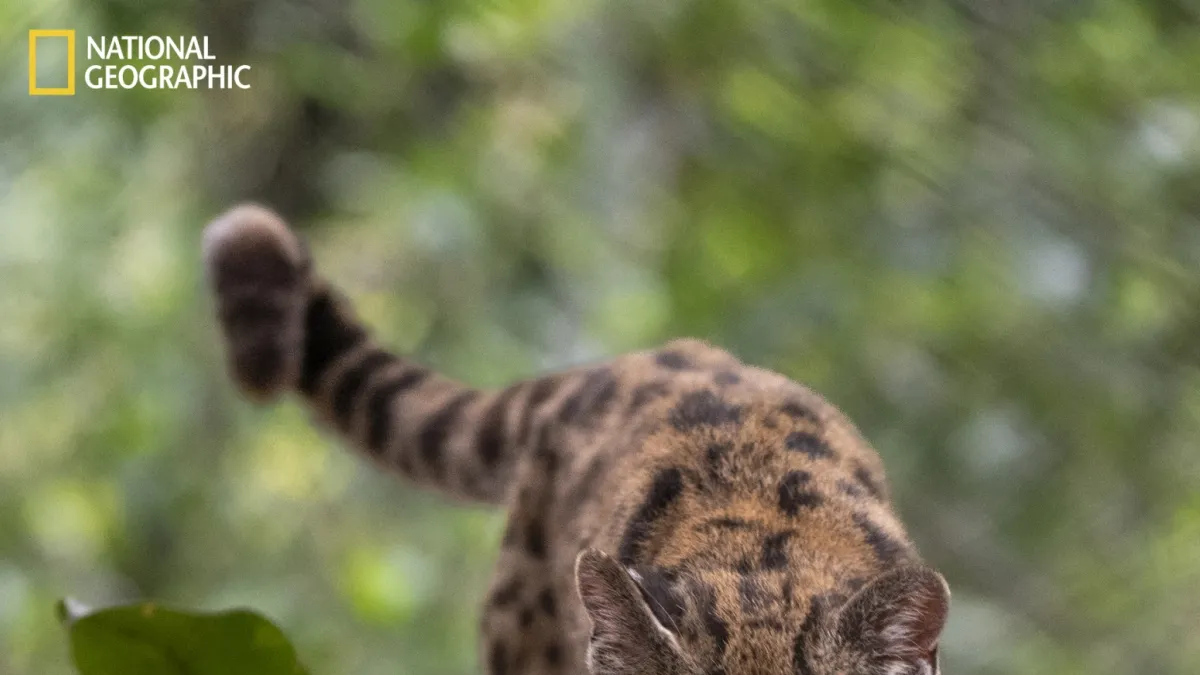
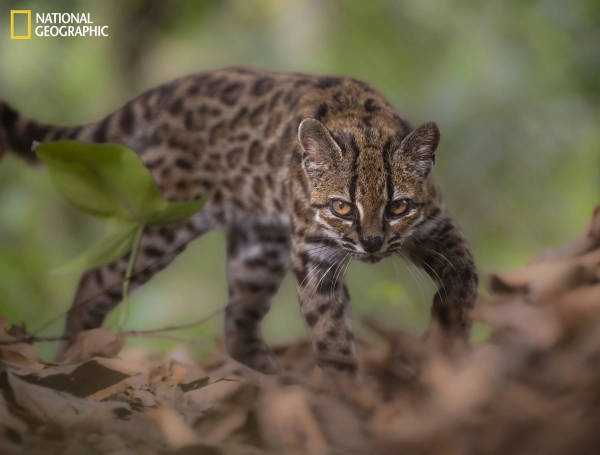
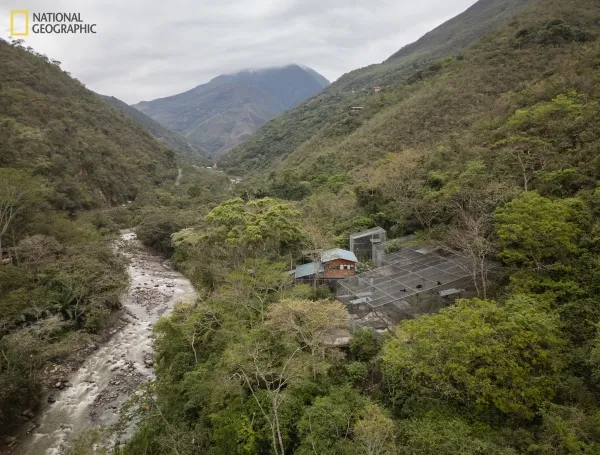
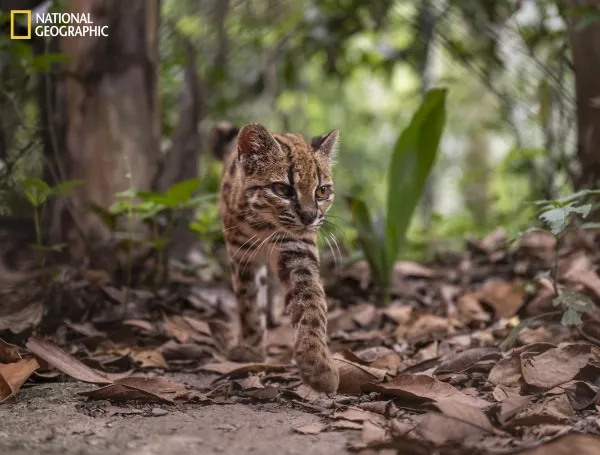
In a milestone for modern mammalogy, an international team of scientists has officially described a brand-new species of wild cat: the tilcayo (Leopardus tilcayo). Weighing a mere 1.3 kilograms (about 2.8 pounds) and measuring roughly 46 centimeters from head to body, this diminutive predator is significantly smaller than the average domestic house cat.
Discovered hidden within the misty, biodiverse cloud forests of Las Yungas in Bolivia, the tilcayo represents the first entirely new wild felid species formally described by the scientific community in over a century. The last time a member of the Felidae family was registered as a completely new species was back in 1923.
The breakthrough was achieved not through serendipitous field spotting alone, but via an advanced genomic approach known as "museomics." Researchers combined contemporary genetic samples with DNA extracted from historical museum specimens, sequencing entire genomes to untangle the evolutionary history of South America’s small spotted cats.
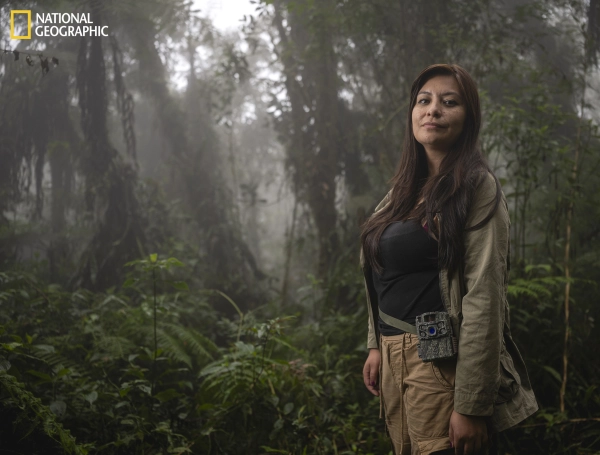
Among the core researchers behind the discovery is Bolivian scientist Paola Nogales Ascarrunz, a National Geographic Explorer and co-lead author of the study. According to Nogales Ascarrunz, the genetic divergence data revealed that a group of feline species previously lumped together as a single category actually encompasses at least five distinct species. Within this revised taxonomy, the tilcayo stands out as an isolated evolutionary lineage that split from its closest relatives roughly 1.4 million years ago—well past the threshold required to designate a distinct species.
Chronology: Unraveling a Century-Old Mystery
The journey to officially recognizing the tilcayo spans decades of hidden biodiversity, modern genetic wizardry, and local community knowledge.
Early 19th and 20th Centuries: Naturalists cataloged various South American small cats, but many regional variations were either overlooked, misclassified, or completely missed by formal science. The last formal description of a completely new wild cat species occurred in 1923.
Around 2017: A local family in Bolivia took in an orphaned male feline found in the wild, keeping it as a pet before surrendering it to the Senda Verde Wildlife Sanctuary for specialized care. Years later, Paola Nogales Ascarrunz—then a volunteer at the sanctuary—would encounter this individual, unaware of its historical taxonomic significance.
The Rescue of the Female: Senda Verde later received a second individual—a female rescued after being stoned by residents in a local community. Sanctuary veterinarian Rodrigo Cantuta collected hair samples from this cat, providing crucial genetic material for upcoming scientific evaluations.
Genomic Sequencing Phase: Researchers initiated a massive comparative genomic project, utilizing "museomics" to sequence the complete genomes of living cats and historical museum skins.
September 2026: The international research team formally publishes their findings, naming the new species Leopardus tilcayo after honoring the ancestral nomenclature used by the people of the Yungas.
Supporting Data and Morphology: What Sets the Tilcayo Apart?
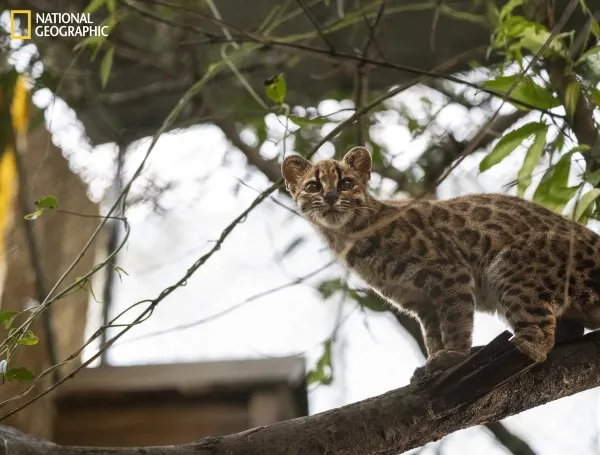
Morphologically, the tilcayo easily misleads even seasoned naturalists. At first glance, it shares superficial resemblances with other small neotropical wild cats, such as the oncilla (Leopardus tigrinus) or the clouded tigrinus (Leopardus pardinoides). However, deep comparative analyses highlight distinct physical traits:
Size and Build: Weighing just 1.3 kg and measuring 46 cm in body length, it is exceptionally sleek and slender, distinguishing it from the bulkier southern tiger cat (Leopardus guttulus) found in southern Brazil.
Coat and Tail: Unlike Leopardus pardinoides—which features a denser, longer coat adapted to freezing, high-altitude mountain environments—the tilcayo boasts a sleeker coat with larger, more chaotic, cloud-like rosettes. Its tail is also more slender and sparsely furred.
Genetic Divergence: Whole-genome sequencing confirmed that the tilcayo diverged from other lineages approximately 1.4 million years ago. In taxonomy, any divergence exceeding one million years strongly supports full species status.
Furthermore, the study formally validated four additional species: Leopardus guttulus, L. emiliae, L. pardinoides, and L. tigrinus, alongside a new Peruvian subspecies, L. tigrinus antisuyo. Unlike species like the clouded tigrinus, which were originally noted in the 1800s and later downgraded to subspecies, the tilcayo had no prior scientific description or historical museum skin recorded in European or North American archives.
Official Responses and Indigenous Heritage
The naming of the Leopardus tilcayo is a deliberate nod to biocultural conservation and the preservation of indigenous knowledge. When the research team consulted local populations in the Yungas regarding the animal, they discovered the name was already deeply rooted in community memory.
"We chose to name the species ‘Tilcayo,’ the name that local communities use to refer to this cat," explained Paola Nogales Ascarrunz in an interview with EL TIEMPO. "It is our way of honoring their ancestral knowledge and their bond with this animal. When we ask community members about it, they always tell us: ‘My grandfather called it that.’ It is knowledge passed down through generations."
Eduardo Eizirik, co-lead author of the research, emphasized the revolutionary utility of museomics in modern conservation. By extracting DNA from fragile museum archives, scientists can reconstruct the genetic blueprints of populations that have vanished or remain severely under-sampled in the wild.
Implications for Conservation and Biodiversity
While the formal description of Leopardus tilcayo is a triumph for taxonomy, it introduces critical challenges for conservation biology.
1. Population Uncertainty and Status Under Human Care
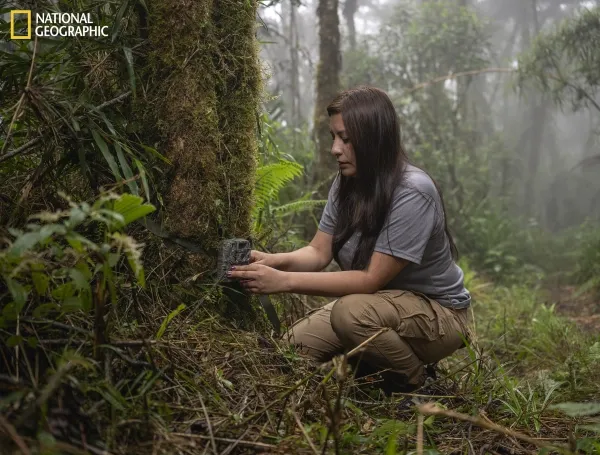
Currently, the primary living representatives of the species studied are the 10-year-old male residing at the Senda Verde Wildlife Sanctuary (who spent his first year and three months as an illegal household pet) and the rescued female. Although camera traps in the Yungas have captured additional elusive glimpses of wild individuals, the exact population density and geographic distribution remain largely unknown.
2. Rewriting Regional Conservation Frameworks
Historically, small spotted cats were assessed as widespread single complexes. Splitting them into distinct species drastically shrinks the recognized geographic range of each individual taxon.
"It is necessary to re-evaluate the true conservation status of this cat and thus understand its regional threats," noted Nogales Ascarrunz.
Currently, Bolivia lacks a specific national action plan dedicated to small wild felids.
3. Anthropogenic Threats in the Yungas
The cloud forests of Las Yungas are facing mounting pressures from agricultural expansion, illegal mining, and deforestation. Furthermore, preliminary genomic findings across several newly validated feline species indicate concerning levels of low genetic diversity. This vulnerability could severely limit their ability to adapt to rapid anthropogenic climate change and habitat fragmentation.
The Road Ahead
The discovery of the tilcayo serves as a humbling reminder of how much of South America’s rich biodiversity remains scientifically undocumented. For the researchers, naming the cat is not the conclusion of a journey, but the opening bell for an intensive campaign: to locate wild populations, map their true ecological niches, and secure the cloud forests they call home before they disappear into extinction before our eyes.
By Global Climate & Policy Desk Published: September 18, 2026 Main Facts: A New Leadership Role for Global Sustainability Former Colombian President Iván Duque Márquez has been officially appointed to preside over the newly established…
In the rapidly evolving landscape of the global automotive industry, the transition toward sustainable mobility is no longer just a trend for the environmentally conscious; it has become a pragmatic financial strategy. In Colombia, a…
In an automotive industry increasingly fixated on a singular transition toward 100% battery-electric vehicles (BEVs), Automotores Toyota Colombia is challenging the status quo. The company has officially unveiled its "Technological Diversification Strategy," a robust roadmap…