By Igor Galo
Special to El Tiempo
Main Facts
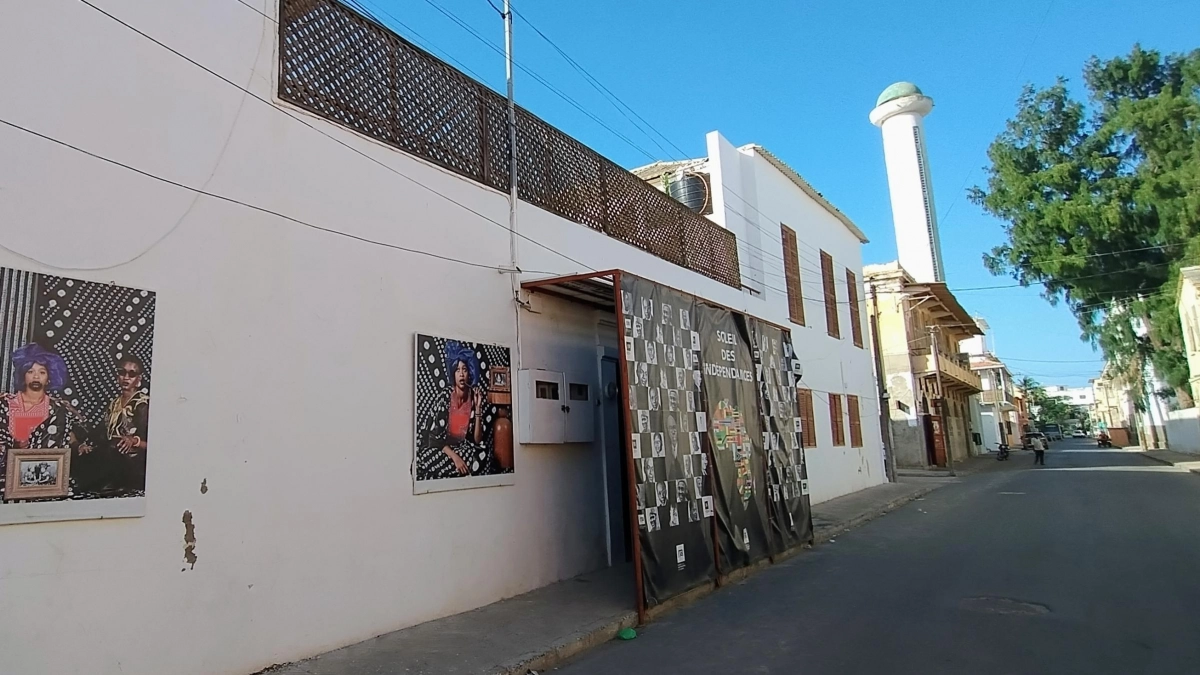
To travel to Saint-Louis, Senegal, is to step across an invisible threshold where the relentless pulse of the modern world slows to a meditative crawl. Situated on the westernmost edge of Africa, hugging the border with Mauritania, this historic city spans a series of low-lying islands and mainland territory at the mouth of the Senegal River. Declared a UNESCO World Heritage site in 2000, Saint-Louis—known historically to locals as Ndar—operates as a profound cultural bridge. Here, the Arab influences of North Africa merge fluidly with the vibrant heritage of Black Africa, creating an atmospheric crucible of colonial architecture, maritime resilience, and timeless traditions.
However, reaching this remote sanctuary is not for the faint of heart. The journey demands patience: there are no international flight connections directly into the city, the socioeconomic landscape is complex, and the neighboring Atlantic Ocean boasts treacherous currents that render casual seaside swimming perilous. Yet, those who venture past these logistical hurdles are rewarded with an authentic, unvarnished encounter with West Africa’s history.
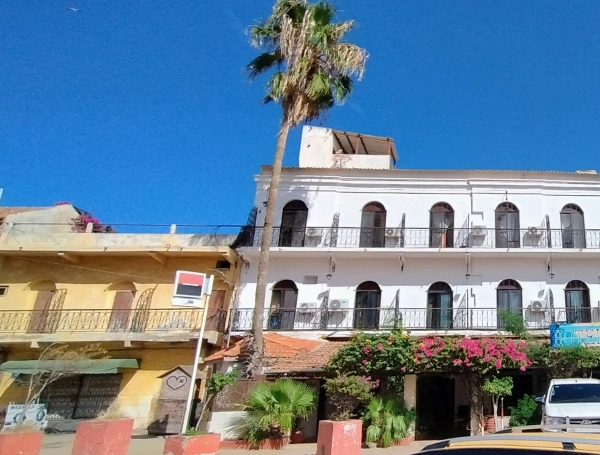
Saint-Louis is far from a sanitized tourist resort. It is an active, breathing organism where pastel-toned, sun-bleached colonial facades, wrought-iron balconies, and bustling fishing markets coexist in a delicate balance with the encroaching forces of environmental change.
Chronology
The rich tapestry of Saint-Louis is best understood through the milestones that transformed a modest trading post into a beacon of African aviation, culture, and governance:
- 1659: French merchants establish a permanent trading post on the island of Ndar, laying the groundwork for what would become the capital of France’s West African colonial empire.
- 1863: Only a few years after its global introduction in Paris, the first photographic camera arrives in Saint-Louis. Pioneer photographer Benoît-Adrien Huard begins documenting the city, capturing some of the earliest portraits of colonial Africa, including the iconic imagery of the signares—influential women of mixed-race heritage who held significant economic and social power.
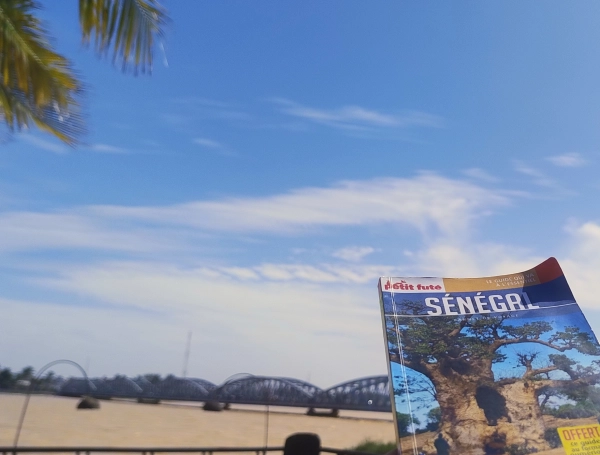
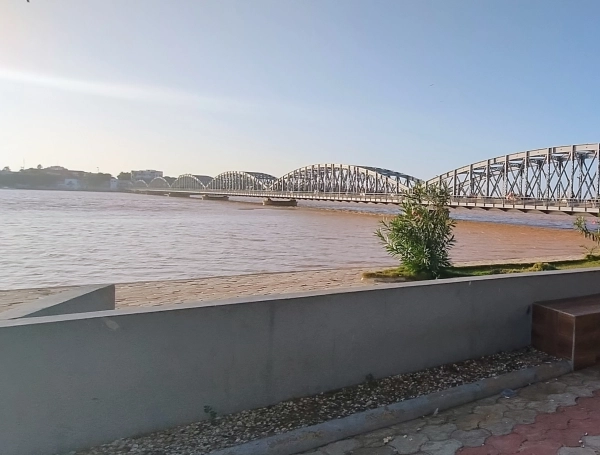
- 1897: The iconic Faidherbe Bridge opens. Designed by industrial structures firm Eiffel, this metallic masterpiece links the historic island directly to the mainland, forever altering the city’s urban geography and serving as a lasting monument to French engineering.
- Early 20th Century: Saint-Louis serves as the primary strategic base for Aéropostale, the legendary French aerial postal service connecting Europe and South America. Famed aviators and visionaries, including Jean Mermoz and Antoine de Saint-Exupéry (author of The Little Prince), live and work out of the historic Hotel La Poste.
- 2000: Recognizing its unique architectural blend, historical gravity, and cultural fusion, UNESCO officially designates the island of Saint-Louis as a World Heritage site, cementing its status as an architectural and historical treasure of humanity.
- Present Day: Saint-Louis stands as a living museum of West African heritage while actively grappling with modern challenges, including economic shifts and severe coastal erosion driven by rising sea levels along the Langue de Barbarie.
Supporting Data
The geographic, demographic, and historical metrics of Saint-Louis reveal a city shaped entirely by its proximity to water and its storied past:
- Dimensions of the Island: The historic colonial core situated on the island measures approximately 2 kilometers in length and a mere 300 meters in width, making it easily navigable on foot or by traditional horse-drawn calash.
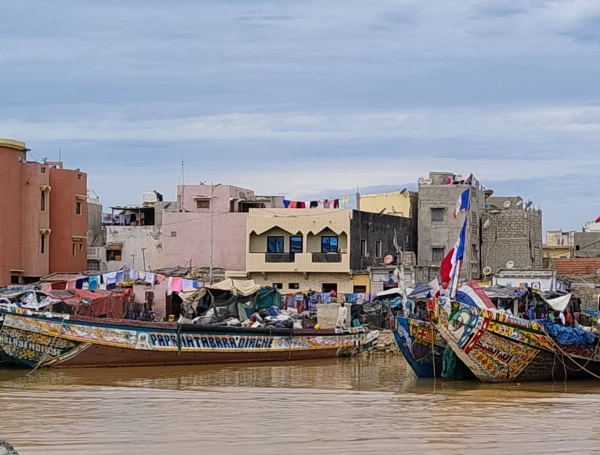
- Fishing Industry Output: The vibrant Guet-Ndar fishing district, located on the narrow sandy spit of the Langue de Barbarie, relies on an estimated fleet of over 5,000 traditional wooden motorized lanchas that unload daily catches to supply markets throughout the interior of Senegal.
- Biodiversity & Conservation: Just across the nearby borders and waterways lie ecological sanctuaries such as the Diawling National Park in Mauritania—home to over 220 species of birds—and Senegal’s own Langue de Barbarie National Park, a critical nesting and migratory hub currently threatened by environmental degradation.
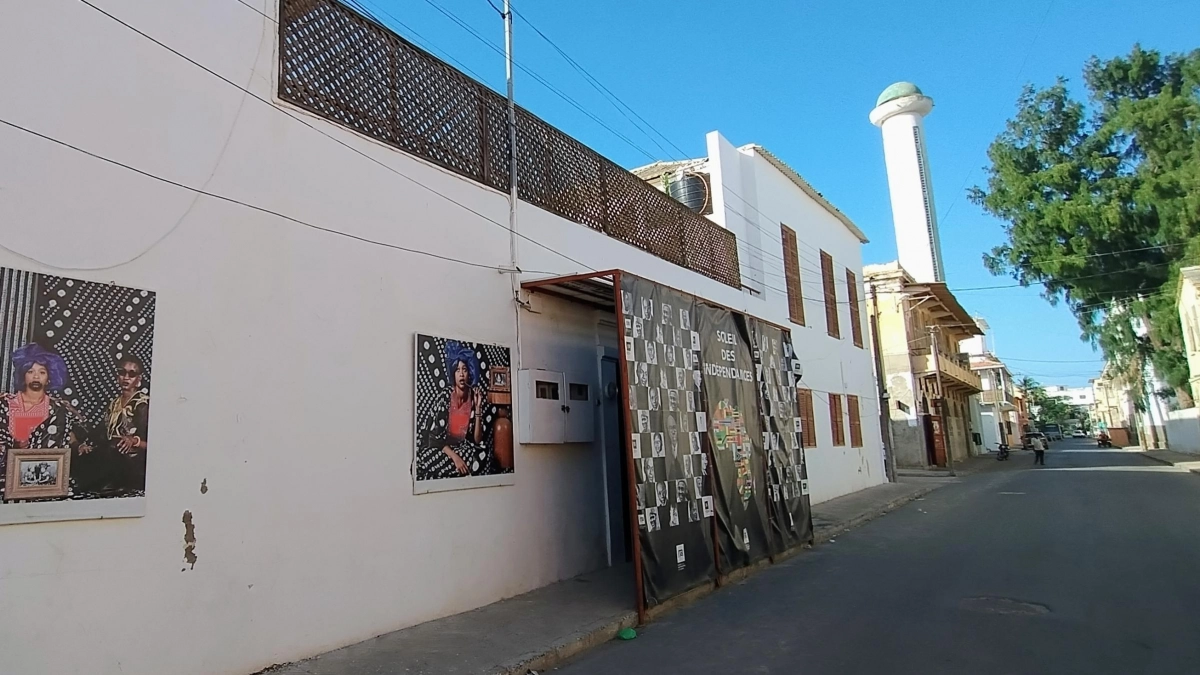
- Photographic Heritage: The city’s deep ties to visual arts are preserved through institutions like MUPHO (the Museum of Photography), which houses an extensive "archipelago of images" documenting colonial archives, early 19th-century portraits, and cutting-edge contemporary African photography.
Official Responses and Local Insights
Navigating a destination as off-the-beaten-path as Saint-Louis requires a departure from modern digital convenience. Major online travel booking platforms offer sparse itineraries or activities for the city and its surrounding regions. Consequently, travelers must rely on traditional methods of engagement: consulting hotel receptions, speaking directly with local restaurateurs, or visiting the handful of independent travel agencies operating out of the historic colonial quarter.
Local authorities, cultural preservationists, and community leaders emphasize that human connection remains the ultimate currency in Saint-Louis.
"In Saint-Louis, technology takes a back seat to genuine dialogue," notes a local tourism stakeholder in the historic center. "If you want to experience the true heartbeat of the river and the sea, you must ask the elders, listen to the fishermen, and walk the streets at your own pace."
Cultural administrators at MUPHO further stress the importance of reclaiming the historical narrative through indigenous lenses. By showcasing works from both historic pioneers and vanguard contemporary artists, the museum functions not merely as a repository of the past, but as an active platform for modern African artistic expression. Furthermore, environmental managers monitoring the fragile Langue de Barbarie continue to call for international awareness and sustainable coastal management strategies to protect vulnerable fishing communities from the compounding threats of climate change and marine erosion.
Implications
The dual identity of Saint-Louis—oscillating gracefully between a preserved colonial monument and a rugged, indomitable fishing hub—carries profound implications for the future of sustainable cultural tourism in West Africa.
Preserving Heritage vs. Economic Realities
While the UNESCO designation has helped safeguard the architectural integrity of the island’s pastel façades and wrought-iron balconies, the city faces acute socioeconomic hurdles. Balancing the preservation of fragile 19th-century infrastructure with the daily survival needs of a dense, growing population requires delicate governance. Tourism, when approached respectfully, offers a viable economic lifeline, yet it must be managed carefully to avoid commodifying the local way of life.
The Human Cost of Climate Change
Perhaps the most pressing implication facing Saint-Louis is environmental. The Guet-Ndar neighborhood and the adjacent Langue de Barbarie sandspit sit on the front lines of global climate change. Rising sea levels and aggressive Atlantic erosion threaten not only historical landmarks and local homes, but also the very livelihood of thousands of families who depend on the daily harvest of the sea. The survival of Saint-Louis is intrinsically tied to how regional and international bodies address coastal resilience.
A Gateway to Authentic Discovery
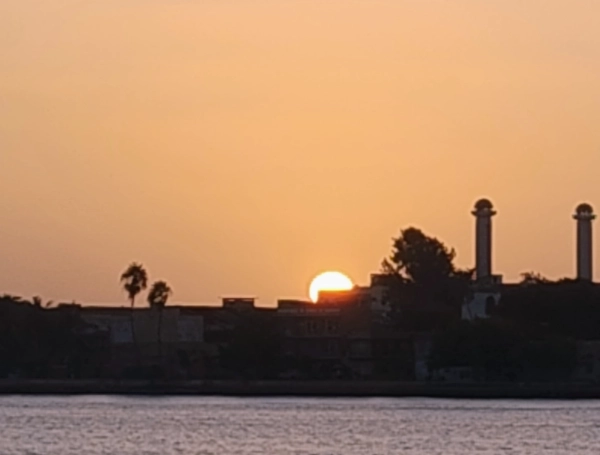
Ultimately, Saint-Louis serves as a vital antidote to mass tourism. For travelers willing to trade modern luxuries for deep cultural immersion, the city offers a rare portal into the complexities of shared human history. Whether crossing the historic Faidherbe Bridge at sunset as the sky turns a brilliant rust-red, savoring a traditional plate of Thieboudienne (Senegal’s national fish and rice dish, which locals proudly trace back to this very city), or boarding the legendary Bou el Mogdad riverboat toward the edge of the Sahara, Saint-Louis challenges visitors to expand their worldview.

It stands resiliently at the crossroads of eras—honoring the echoes of Aéropostale pioneers and colonial-era signares while fiercely marching forward into an uncertain yet fiercely proud modern African future.