By Global News Desk
Published: September 9, 2026
Updated: September 9, 2026
Main Facts
Following the powerful earthquake that struck western Colombia on August 10, heavily impacting the departments of Chocó, Risaralda, Quindío, and Valle del Cauca, a secondary crisis has quietly unfolded hundreds of kilometers away. Major tourism associations, local business owners, and regional leaders have issued an urgent plea to travelers: do not cancel travel plans to regions that emerged unscathed from the natural disaster.
While the primary focus rightly remains on recovery and humanitarian aid in the earthquake-stricken zones, the psychological ripple effect of the tragedy has crippled the tourism-dependent economies of northern Tolima. Municipalities such as El Líbano, Murillo, and Falan—renowned for their rich coffee heritage, stunning landscapes, and centuries-old architecture—did not sustain structural damage or safety hazards from the seismic event. Yet, they are suffering staggering cancellation rates that threaten to wipe out years of collaborative economic development.
National trade organizations, including the National Association of Travel Agencies (Anato), the Colombian Hotel and Tourism Association (Cotelco), and the Colombian Association of Responsible Tourism (Acotur), have launched a joint initiative dubbed "Turismo Solidario" (Solidarity Tourism). This campaign aims to educate the public that visiting unaffected regions is not insensitive, but rather a vital economic lifeline. By keeping reservations intact, travelers can protect thousands of jobs and ensure that small businesses survive the slump.
Compounding the problem is a secondary wave of misinformation regarding active forest fires in the southern part of Tolima and near Ibagué. Although localized blazes have affected small areas, authorities confirm that the northern tourism corridors remain completely safe, pristine, and fully operational.
Chronology of Events
To understand how a localized natural disaster translated into an economic emergency for northern Tolima, it is necessary to trace the timeline of events since mid-August:
- August 10, 2026: A major earthquake strikes western Colombia, heavily impacting departments across the Coffee Triangle and the Pacific coast. News networks broadcast images of destruction, prompting a nationwide wave of shock and mourning.
- August 11–20, 2026: Out of an abundance of caution and emotional distress, travelers across Colombia begin canceling upcoming holiday and weekend trips en masse. The cancellation wave extends indiscriminately beyond the disaster zones to regions like northern Tolima, which felt the tremor minimally or not at all.
- August 25, 2026: Local business owners in El Líbano and Murillo report an unprecedented drop in hotel occupancy, noting that reservations have plummeted from healthy averages of 60% down to a meager 10%.
- Early September 2026: Separate reports of forest fires in southern Tolima and rural Ibagué spark further panic among potential visitors, who mistakenly believe the entire department is engulfed in flames.
- September 7, 2026: Environmental authorities issue official containment reports confirming that scattered fires near Lérida and El Líbano have been brought under control and pose no threat to tourist routes or natural reserves.
- September 9, 2026: Anato, Cotelco, and Acotur formally launch the "Turismo Solidario" campaign. Simultaneously, regional leaders from El Líbano, Murillo, and Falan hold a press conference urging the public to resume travel to the north of Tolima to prevent economic collapse.
Supporting Data and Regional Realities
The numbers behind the crisis in northern Tolima reveal a stark disconnect between perception and reality. While the region’s natural and architectural treasures remain completely intact, the financial hemorrhage is severe.
El Líbano: The Coffee Heritage Under Threat
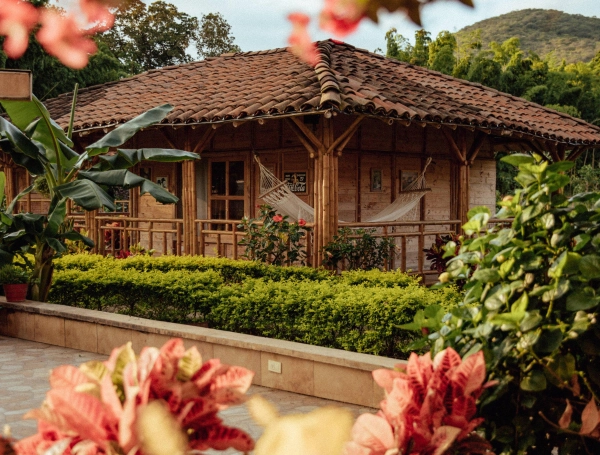
In El Líbano, a town celebrated for preserving the architectural legacy left by Antioquian colonizers, entrepreneurs are fighting to keep their doors open. José Alberto Mojica Patiño, journalist, writer, and manager of La Ranchita del Líbano—a landmark cultural heritage casona—notes the dramatic shift.
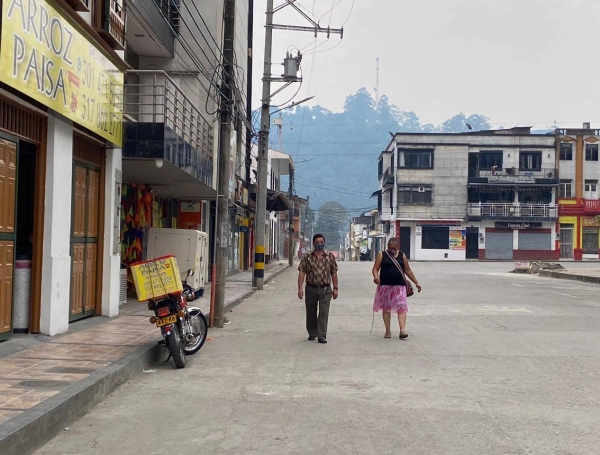
"Of course, we understand that the earthquake is a national tragedy and that many people do not feel like traveling right now. But in northern Tolima, where entrepreneurs have turned our region into one of the most innovative and visited destinations in Colombia, and where there was no earthquake damage, we are deeply hurt," Mojica stated.
Before August 10, La Ranchita and surrounding boutique properties enjoyed a steady monthly occupancy rate of 60%. In the weeks following the disaster, that figure crashed to 10%.
John Peña, director of the Mineima Recreational Center and founder of Mineima Travel, echoes this despair: "Tourism in El Líbano is crying out for help. We have spent six years of grueling effort to strengthen tourism in the region. The earthquake has dealt us a harsh blow."
Mineima offers a diversified portfolio designed to show that El Líbano is more than just a stopover: horseback riding, specialized coffee routes, honey trails, and high-altitude excursions toward the Nevado del Ruiz volcano and the La Campanita thermal springs in neighboring Murillo. However, as Peña points out, fixed operational expenses do not pause for economic downturns: "Employee salaries, utilities, facility maintenance, and other obligations keep arriving whether we have operations or not."
Murillo: The World’s Best Tourism Village
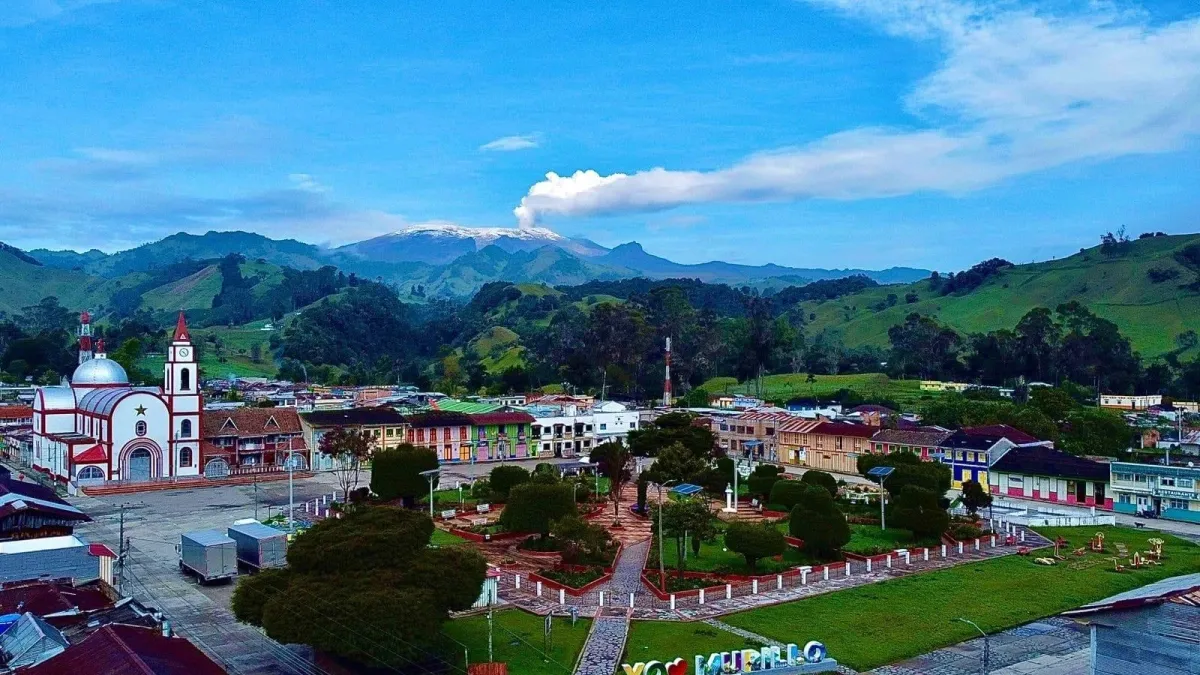
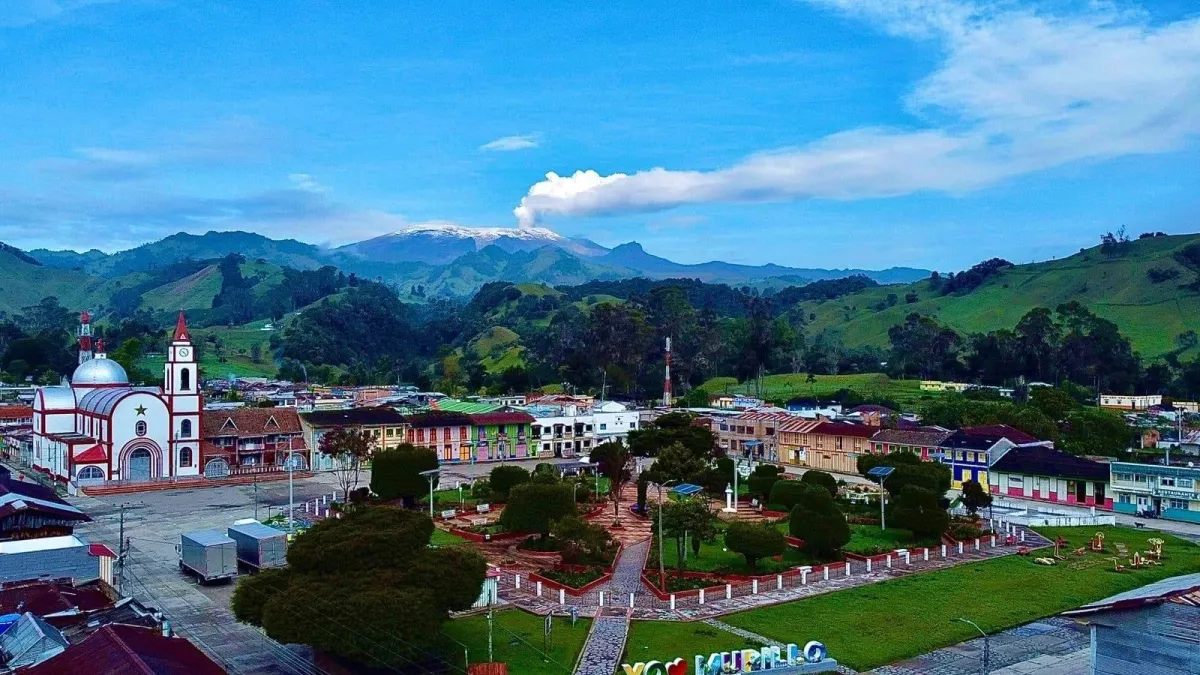
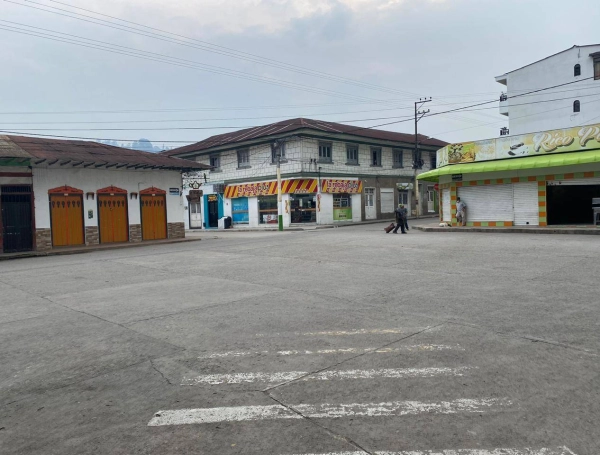
Just half an hour away lies Murillo, a destination that achieved international acclaim in 2025 when it was named by UN Tourism as one of the best rural tourism villages in the world. Famous for its colorful, centuries-old "tabla parada" wooden homes framed against the snowy peak of the Nevado del Ruiz, Murillo boasts what many travel critics call the most scenic road in Colombia—a route winding past dense forests of frailejones toward Manizales and Los Nevados National Natural Park.
Carlos Alberto Piraquive, founder of Villa Lore—a premier destination featuring glamping accommodations, local gastronomy, and panoramic volcano views—explains how the regional highway system has become a double-edged sword.
"We are extremely worried. Tourism in Murillo and its surroundings has dropped significantly, especially because the new highway opened up seamless travel routes for residents and visitors from Manizales, Pereira, and Cali. The drop in travelers directly impacts hotels, restaurants, tour operators, and small startups," Piraquive explained, extending an open invitation to travelers to return.
Falan: The Hidden Ruins of Santa Ana
Further down the northern corridor, the jungle-shrouded ruins of Santa Ana—an ancient colonial mining enclave in Falan—face a similar plight. Known as the "Lost City of Falan," this open-air museum of archaeology, nature, and adventure has grown increasingly popular among domestic and international eco-tourists.

Fernando Aguirre, director of the Ciudad Perdida de Falan Natural Reserve, reassures prospective visitors: "Thank God, the earthquake did not cause damage here in Falan. But visitor arrivals have dropped considerably, and we have received multiple cancellations for September. I want to tell tourists that here, just like in El Líbano and Murillo, everything is normal, everything is fine. Do not stop visiting us."
Official Responses and Fire Safety Clarifications
A major catalyst for the tourism slowdown has been the conflation of different geographical zones within Tolima. While southern Tolima and rural areas near Ibagué battled severe forest conflagrations that scorched thousands of hectares and caused localized agricultural losses, northern tourist circuits remained entirely untouched.
According to official civil defense and environmental reports released on September 7, isolated incidents—such as fires in the Padilla district of Lérida and near the town of Convenio in El Líbano—totaled roughly 50 hectares. Quick action by local firefighters successfully extinguished these blazes, and authorities have confirmed that no tourist infrastructure, national park trails, or hospitality centers were ever compromised.
In response to this misinformation, tourism umbrella organizations have stepped up communication efforts. The launch of Turismo Solidario serves as a coordinated public relations push to assure citizens that traveling to northern Tolima is safe, responsible, and economically crucial.

Paula Cortés, president of Anato, emphasized that supporting unharmed regions is a direct strategy to protect vulnerable employment chains. "We ask Colombians and foreign visitors not to stop visiting tourist sites that are fully fit for tourism. Keeping these local economies alive is essential to safeguarding thousands of jobs that depend entirely on the hospitality sector," Cortés noted.
Implications for the National Economy
The current crisis in northern Tolima highlights a fragile vulnerability in Colombia’s post-pandemic economic recovery: the psychological contagion of localized disasters. When a high-profile calamity like the August 10 earthquake strikes, the instinctive human reaction is emotional withdrawal from travel altogether.
However, economists and tourism boards warn that over-cautious avoidance creates a cascading secondary economic depression. For regions like El Líbano, Murillo, and Falan, which spent the last half-decade successfully transitioning away from traditional, extractive economies toward sustainable, community-based tourism, a prolonged slump threatens deep structural damage.
Small-scale farmers who supply local boutique hotels, artisans who craft traditional souvenirs, young tour guides, and family-run restaurants rely on a continuous flow of weekenders and vacationers. If these enterprises fold due to months of empty rooms, the long-term setback to rural development could take years to reverse.

As the Turismo Solidario campaign gains traction across digital channels and major news outlets, the message from northern Tolima is clear and resolute: the best way to honor the resilience of a nation recovering from tragedy is to sustain its living communities. The coffee hills are green, the thermal waters are warm, the historic colonial doors are open, and northern Tolima is waiting to welcome the world back.