By Justice Desk, El Tiempo
Updated: September 19, 2026, 17:03
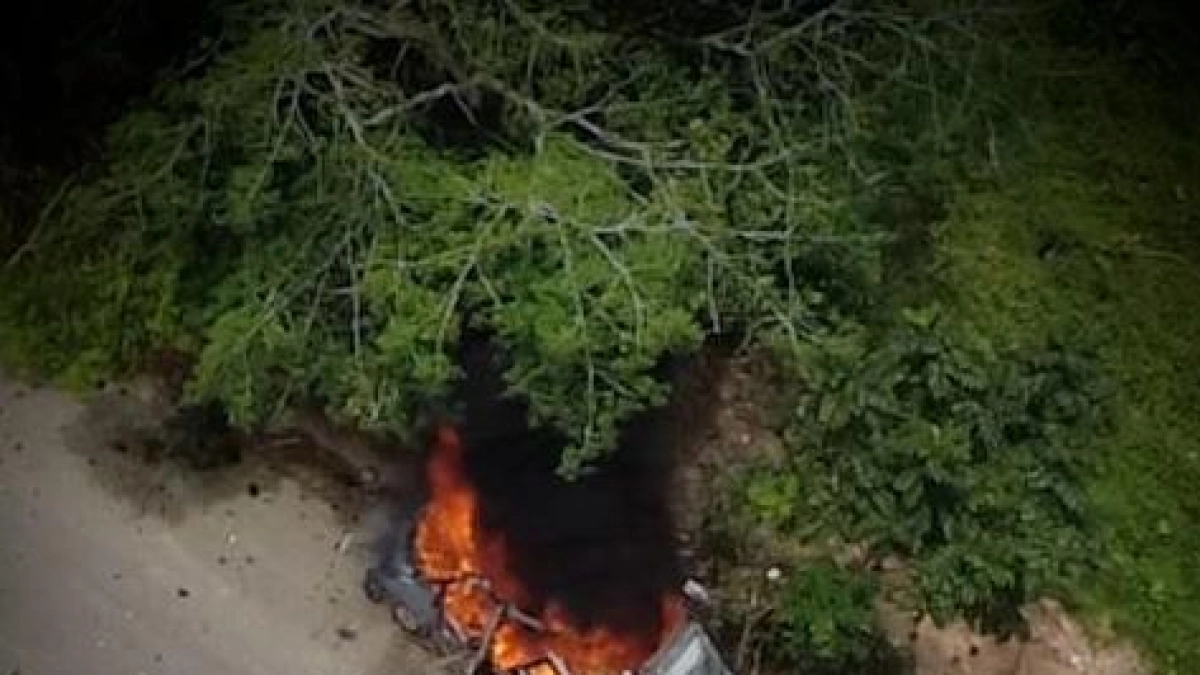
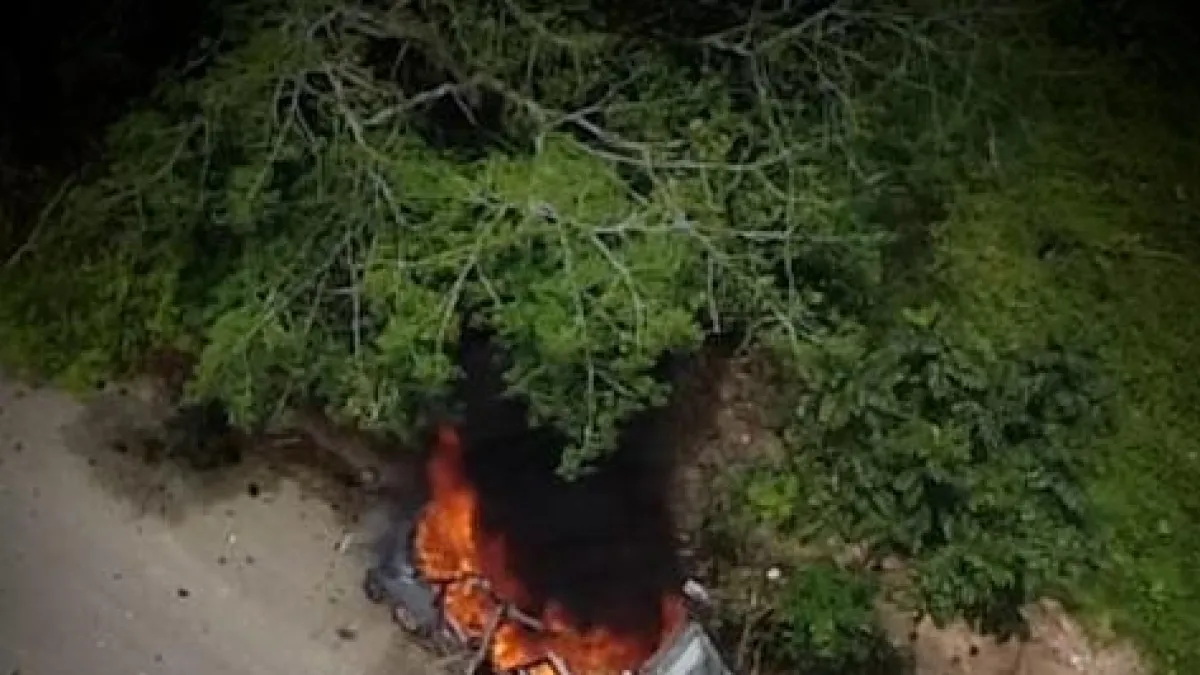
In a chilling display of tactical aggression, a hazardous standoff unfolded on the critical transit corridor connecting the municipalities of El Paujil and Cartagena del Chairá, in the department of Caquetá. A routine operation to neutralize an explosive device escalated into a targeted ambush, narrowly avoiding a catastrophic loss of life. Authorities confirmed that a vehicle rigged with explosives was detonated remotely while a specialist technician from the National Police was actively working to disarm it.
The incident, which occurred in the sector known as "La Y de la Gallineta," serves as a grim reminder of the persistent security challenges facing rural Colombian infrastructure. While the incident resulted in significant material damage, including the total destruction of a hearse used as a transport for the explosives, miraculously, no police officers or civilians were injured during the operation.
The Chronology of the Ambush
Initial Discovery and Deployment
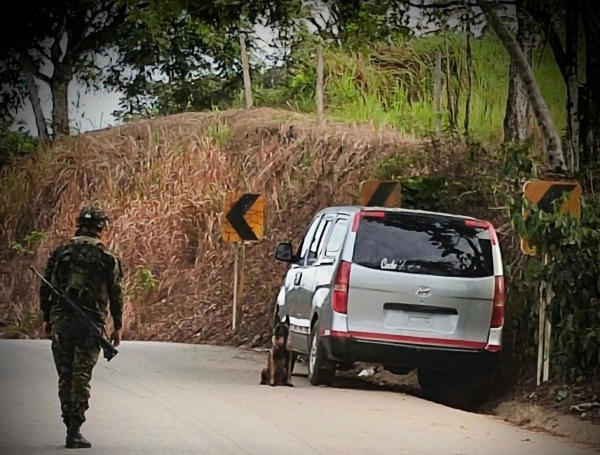
The emergency began when intelligence and patrolling units—comprising elements of the Twelfth Brigade of the Army’s Sixth Division and the National Police—identified a suspicious vehicle abandoned on the highway. Initial reconnaissance confirmed that the vehicle, a hearse, had been repurposed as a platform for an Improvised Explosive Device (IED).
The area was immediately cordoned off to protect the local population, and specialized bomb disposal units (técnicos antiexplosivos) were dispatched to the scene. The objective was to neutralize the threat and clear the road for civilian traffic.
The Triggering of the Device
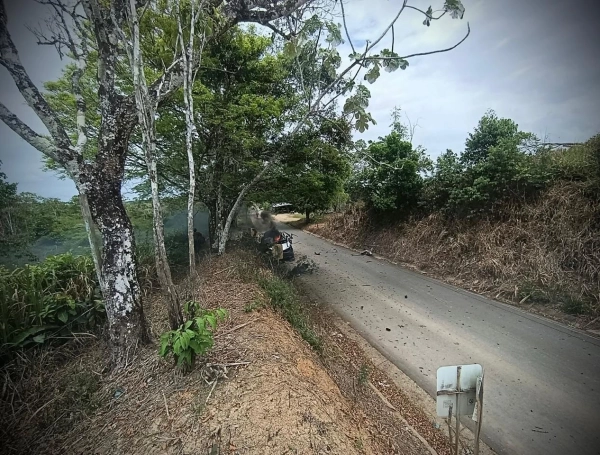
The situation reached a critical point of tension as the lead technician approached the vehicle to begin the defusing process. According to reports from the Twelfth Brigade, the perpetrators, who had been monitoring the site from a distance, activated the device remotely while the officer was directly engaged with the explosive.

The resulting blast was powerful enough to vaporize the hearse and create a significant crater in the road. However, due to the rigorous safety protocols followed by the specialized units, the technician was positioned in a manner that mitigated the impact of the blast, allowing him to escape unscathed.
The "Decoy" and Secondary Threat
In a strategic maneuver that highlights the level of planning by the perpetrators, the initial explosion was not the only danger. Following the primary detonation, a secondary inspection of the immediate perimeter led to the discovery of a second IED. Military officials later confirmed that this second device had been deliberately placed as a "decoy" or a secondary strike weapon, specifically designed to target the response teams as they converged on the site of the first blast.
The discovery of the second device underscored the calculated nature of the attack, which was designed to inflict maximum casualties among security personnel through the use of "daisy-chain" explosive tactics.
Tactical Implications and Security Analysis
The Use of "Civilian" Infrastructure
The choice of a hearse to transport the explosives is a disturbing development in the region’s security landscape. By utilizing a vehicle that typically commands a level of solemnity and respect, the perpetrators attempted to bypass standard checkpoints and avoid initial scrutiny. This tactic represents a significant evolution in the methodology of illegal armed groups operating in Caquetá, as it forces security forces to treat even the most innocuous vehicles with extreme caution, thereby slowing the flow of legitimate commerce and travel.
Evolution of Remote-Detonation Tactics
The successful remote activation of the device while a technician was present suggests that the perpetrators had clear lines of sight or sophisticated communication networks in the vicinity. This indicates that the attack was not merely an act of sabotage but a coordinated, proactive strike against state security apparatuses. Military experts suggest that the rise of remote-detonation capabilities in these rural corridors requires a total overhaul of standard operating procedures for explosive ordnance disposal (EOD) teams.
Official Responses and Military Strategy
Commitment from the Twelfth Brigade
Following the incident, the command of the Twelfth Brigade issued a firm statement, characterizing the attack as an act of cowardice that aimed to destabilize the region. "Our troops will remain on the ground," the statement read, confirming that operations in the Caquetá department will be intensified to root out the networks responsible for the deployment of these weapons.
The military emphasized that while no specific group has been officially named as the perpetrator, the modus operandi bears the hallmarks of organized illegal armed groups that have historically sought to exert control over these specific rural corridors.
Call to Action for the Public
The government and security forces have issued a joint appeal to the residents of Caquetá. Given the increased prevalence of IEDs, the public is urged to:
- Maintain Distance: If a suspicious vehicle or object is spotted, do not approach, photograph, or attempt to move it.
- Immediate Reporting: Use the dedicated emergency lines to report unusual activity, particularly abandoned vehicles on secondary or tertiary roads.
- Patience with Restrictions: The authorities acknowledge the inconvenience caused by road closures, but emphasize that these measures are essential to ensuring that no further "decoy" devices remain undetected.
A Region Under Pressure: The Human Cost
The road between El Paujil and Cartagena del Chairá is more than just asphalt; it is a lifeline for thousands of farmers, students, and merchants. The disruption of this route, even for a few hours, sends a shockwave through the local economy.

When groups utilize these roads to conduct acts of terror, they are not only attacking the police; they are attacking the social fabric of the community. The residents of this region have lived through decades of conflict, and the recent resurgence of explosive-based threats is a source of profound anxiety.
The fact that the hearse was used—a vehicle associated with the grief of families—has been particularly noted by local leaders as a "new low" in the psychological warfare being waged in the area. It is a cynical appropriation of symbols of mourning to sow fear and chaos.
Future Outlook: Ensuring Public Safety
As of the writing of this report, the transit corridor has been declared safe and reopened for public use. However, the shadow of the incident remains. The military’s presence is expected to be increased in the coming weeks, with a focus on electronic warfare capabilities to jam remote signals and improved aerial surveillance to detect the placement of devices before they can be armed.

The failure of the perpetrators to inflict casualties is a testament to the professionalism and high level of training of the Colombian police and military bomb squads. Yet, the incident serves as a stark warning: the conflict in Caquetá has not vanished. It has shifted, becoming more sophisticated, more deceptive, and increasingly reliant on the element of surprise.
For the inhabitants of El Paujil and Cartagena del Chairá, the coming months will be defined by a heightened state of vigilance. The government’s ability to protect these roads will be the primary metric by which their effectiveness is measured by the local populace.
For further updates on this developing situation, continue to follow El Tiempo’s Justice desk. We provide comprehensive coverage of national security developments and the ongoing efforts to maintain the rule of law across the Colombian territory.

If you have information regarding illegal activities or suspicious vehicles, please contact the nearest military or police station. Your anonymity is guaranteed.