
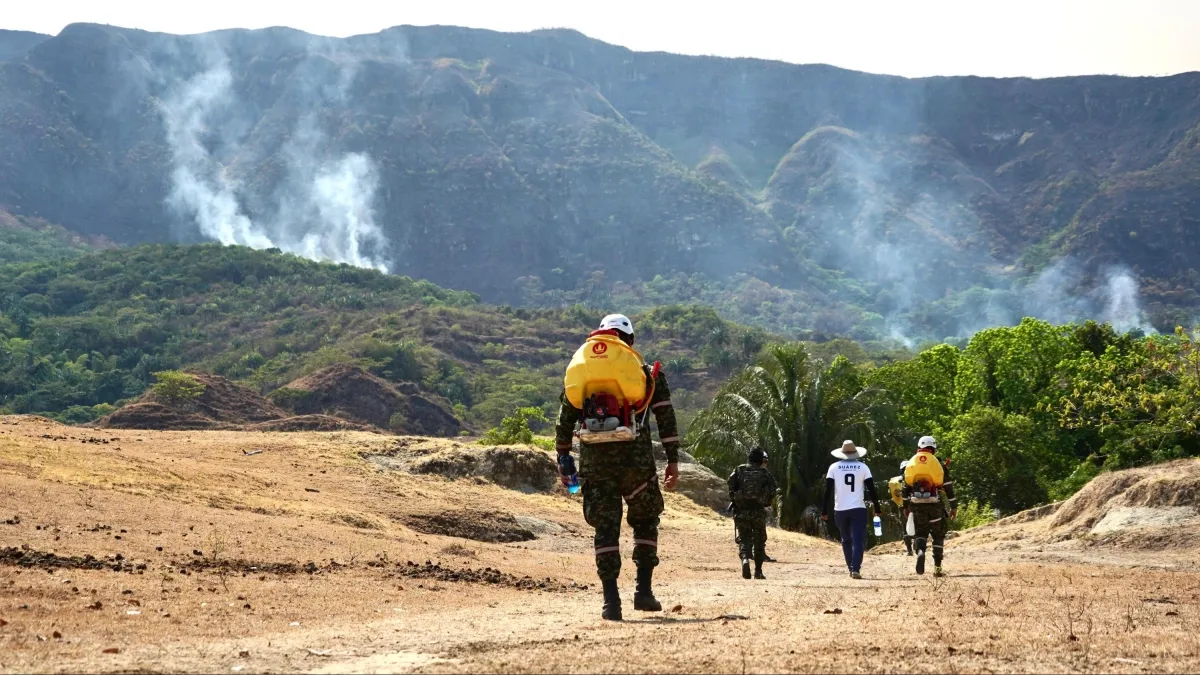
As the dry season intensifies, Colombia faces a critical environmental crisis. With nearly 1,000 hectares scorched in a matter of weeks, the nation’s security forces and disaster management teams are engaged in an exhausting, multi-front battle to protect biodiversity and human settlements.
The Escalating Crisis: A Snapshot of Destruction
As of September 15, 2026, the atmospheric conditions across Colombia have created a "tinderbox" scenario. A severe dry season has triggered a wave of wildfires that are currently stretching the country’s emergency response capabilities to their limit. According to the latest official reports, 24 active forest fires are currently ravaging diverse ecosystems, while an additional four are under containment.
The scale of the destruction is significant: combined, these active and controlled fires have consumed approximately 959 hectares of forest and agricultural land. The crisis is not localized; it is a nationwide emergency affecting ten departments, forcing a high-stakes coordination between local fire brigades, the Civil Defense, and the Colombian Military.
Chronology of a Growing Threat
The current emergency is the culmination of weeks of rising temperatures and environmental stress. Between July 26 and September 15, 2026, the country has faced a relentless series of blazes. In this short timeframe, 198 wildfires have been successfully extinguished, but the frequency of new outbreaks suggests that the country is not yet out of the danger zone.
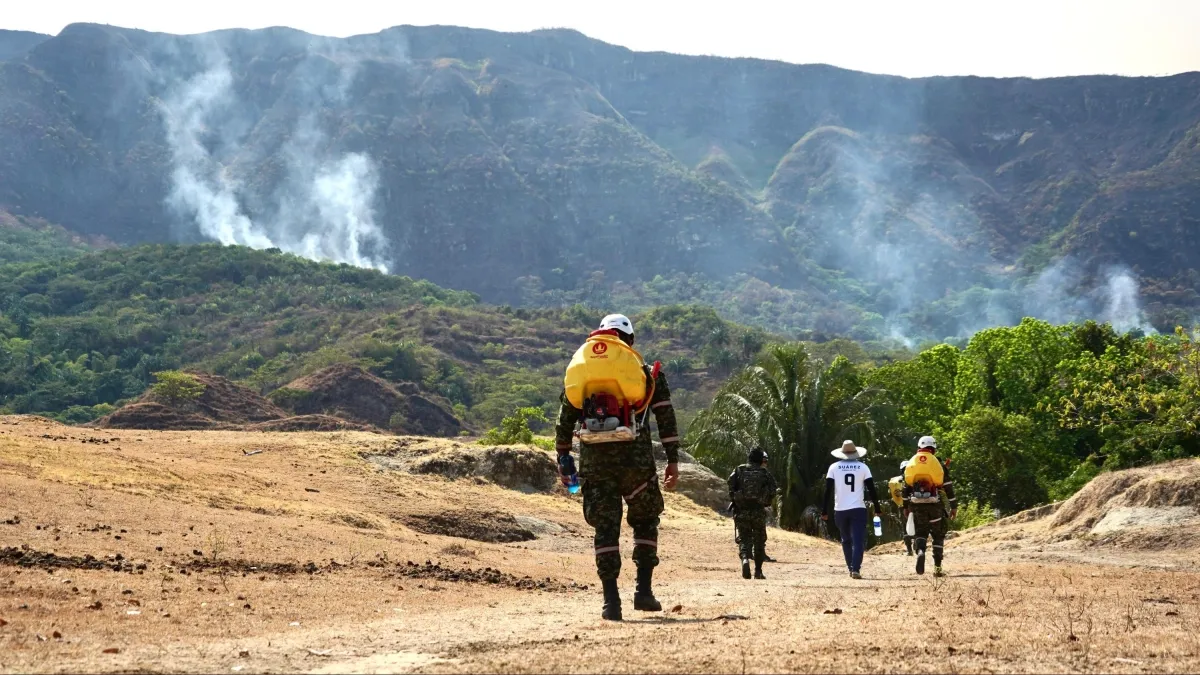
The intensity of these events has forced a constant state of mobilization. The Military, acting as the primary pillar of support for local authorities, has been involved in the suppression of 45 major fires across the affected departments. Tolima, currently the epicenter of the crisis, leads the statistics with 17 significant interventions, followed closely by Cundinamarca with 15, and Antioquia with four.
Tolima: The Eye of the Storm
The department of Tolima has emerged as the most critical theater of operations. Out of the 24 fires currently active in the country, exactly half—12—are located within its borders. The geographic distribution of these fires, including blazes in Cunday, San Luis, Ibagué, Chaparral, Rovira, Ortega, Coyaima, Prado, Ataco, and Alvarado, has overwhelmed local municipal resources.

In Cunday, specifically in the rural areas of Párao and California, the situation reached a critical point this week, necessitating the deployment of 29 specialized Army soldiers. The terrain in these regions is notoriously difficult, characterized by rugged slopes that make traditional firefighting methods ineffective. Consequently, the Colombian Aerospace Force has been called in to utilize the "Bambi Bucket" system—large, aerial water-carrying devices—to douse the flames from above.
Beyond Tolima: A Widespread National Challenge
While Tolima is currently the hardest hit, the wildfire map of Colombia shows that the flames have spread across a vast swathe of the national territory. Reports indicate active fires in the following regions:
- Antioquia and Caldas: Facing persistent threats to mountain vegetation.
- Boyacá and Santander: Areas where high altitudes and strong winds have fueled the rapid spread of fire. In Tona (Santander), crews are struggling to contain an active blaze.
- Huila: Emergency services are working around the clock in Agrado, Campoalegre, Neiva, and Aipe.
- Magdalena: A particularly sensitive operation is underway in the Isla Salamanca National Park, where 12 military personnel are providing critical support to prevent the destruction of this vital wetland ecosystem.
- Nariño: Fires in Funes and Tangua continue to demand attention as they threaten rural infrastructure.
Official Response: The Military’s Massive Logistics Effort
The scope of the response by the Colombian Armed Forces highlights the gravity of the situation. Between late July and mid-September, the state has mobilized 1,369 soldiers, including specialized units from the Brigade for Disaster Attention and Prevention (BRIAD).
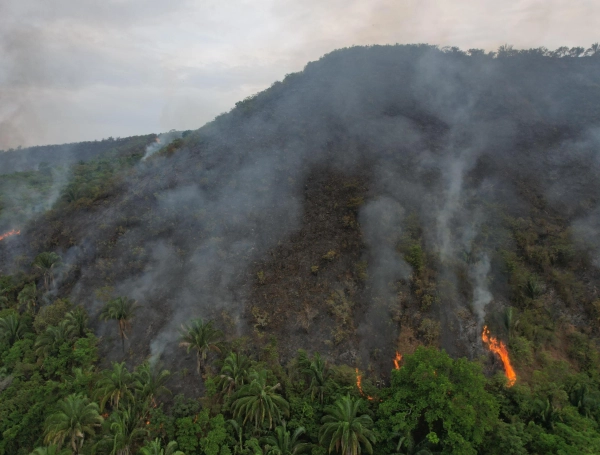
The logistical footprint of this operation is unprecedented for this time of year. The Colombian Aerospace Force has logged more than 403 flight hours dedicated solely to extinguishing fires, transporting humanitarian aid, and performing reconnaissance. Using a combination of helicopters and high-tech drones, the military has turned the tide in several regions.
Key metrics of the aerial response include:
- Total aerial water drops: 1,929.
- Water volume delivered: 736,375 gallons.
- Chemical suppressants used: 584 gallons of fire retardant.
These operations are not merely about dropping water; they represent a sophisticated integration of air-ground tactics. Drones are used to identify "hot spots" that are invisible to the naked eye, allowing the military to direct ground troops into areas where they can cut firebreaks to stop the blaze from advancing toward populated areas.
Environmental and Social Implications
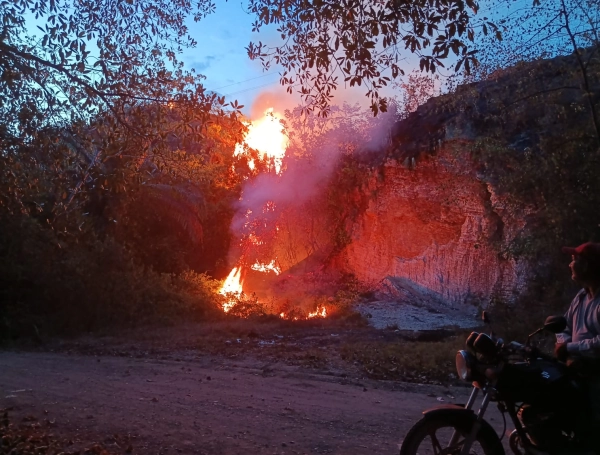
The implications of these fires extend far beyond the immediate loss of 959 hectares. The environmental damage to Colombia’s biodiversity is severe. Many of these fires are occurring in protected corridors where local flora and fauna are already struggling with the effects of the prolonged dry season.
Furthermore, there is a social dimension to this crisis. Many of the affected areas rely on agriculture for their economic survival. The destruction of crops and the contamination of water sources in affected departments threaten the food security of rural communities.
"The fires are not just an environmental issue; they are an economic and social emergency," noted a representative from the disaster management office. "When a forest burns in a rural municipality, the impact is felt by every family that depends on that land for their livelihood."

Addressing the Human Factor
An alarming trend reported by local authorities and observers is the suspicion that a significant number of these fires are not merely the result of natural conditions, but are, in fact, human-induced. Whether through reckless agricultural practices—such as illegal "slash and burn" techniques—or intentional arson, the human hand remains a constant variable in the wildfire equation.
Authorities have urged citizens to exercise extreme caution and to report any suspicious activity in rural areas. As the investigation into the origins of the Tolima fires continues, the government is emphasizing that those found responsible for starting wildfires will face the full weight of the law.
Looking Ahead: Preparedness and Prevention
As the dry season continues, the national government is shifting its focus toward strengthening preventive measures. The reliance on military intervention, while effective, is a reactive strategy. Long-term solutions involve a greater investment in municipal-level fire brigades, early-warning satellite systems, and more stringent enforcement of land-use regulations.

The resilience of the Colombian people is once again being tested. As the soldiers, firefighters, and volunteers continue their work in the heat and smoke, the nation watches with bated breath, hoping for a change in weather patterns that might bring the relief required to finally quench the remaining fires.
The 2026 wildfire season serves as a stark reminder of the vulnerability of Colombia’s ecosystems in the face of climatic variability. The coordination seen between the military and local authorities provides a blueprint for disaster response, but the recurring nature of these fires highlights the urgent need for a more sustainable approach to environmental management and climate adaptation in the years to come.