
By Editorial Staff, Justice Desk
Updated: July 20, 2026
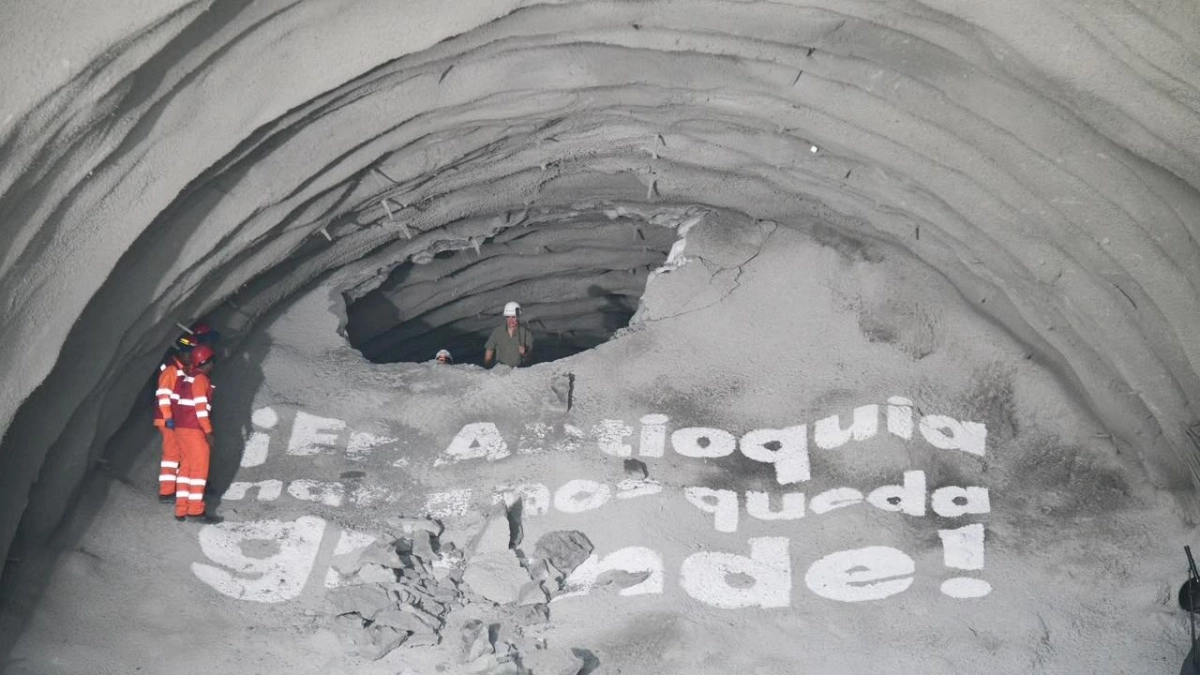
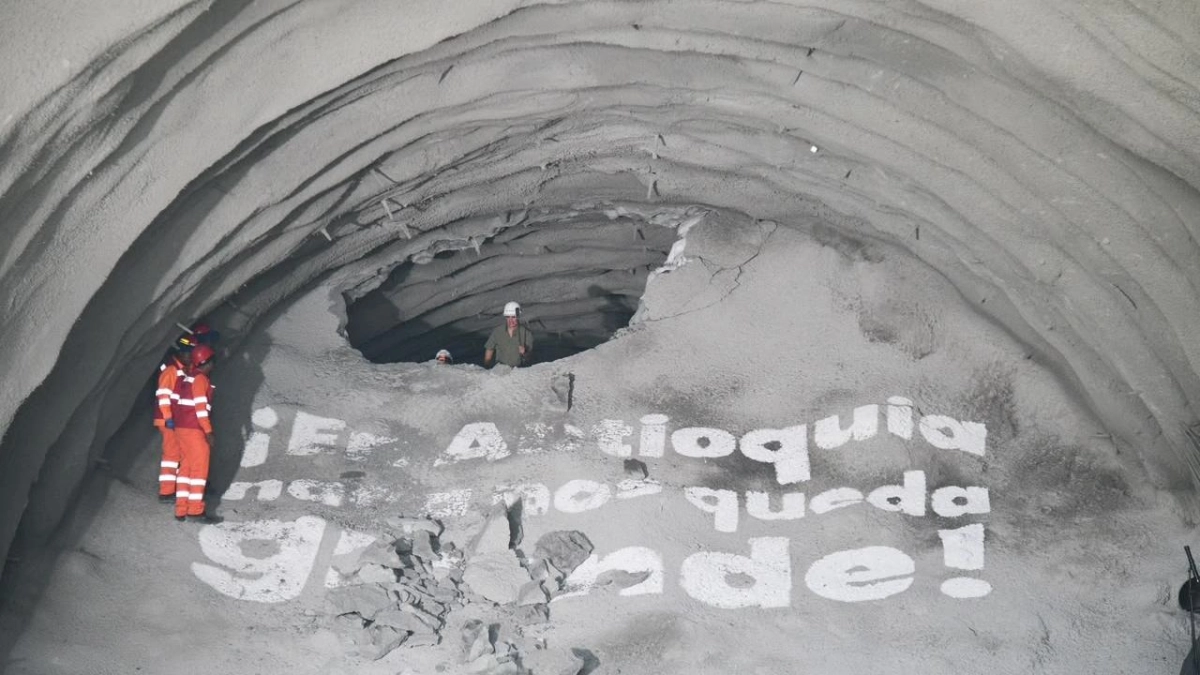
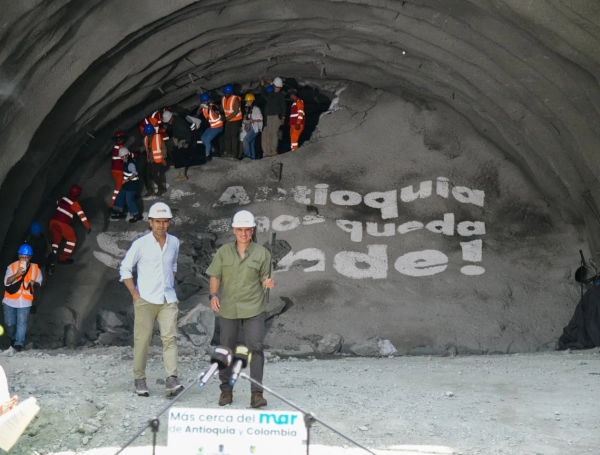
The vision of a seamless, high-speed corridor connecting Colombia’s industrial heartland to the Caribbean Sea faces a looming administrative and technical catastrophe. The Toyo Tunnel, a flagship engineering marvel designed to be the longest road tunnel in South America at 9.73 kilometers, is now the subject of a severe warning from the Office of the Comptroller General (Contraloría General de la República).
Following an exhaustive technical inspection conducted on July 16, 2026, the oversight body has confirmed what it feared since early 2024: the project is suffering from a massive synchronization failure. While the civil engineering works are racing toward a completion date of April 2027, the vital electromechanical systems—the “nervous system” that allows a tunnel to function safely—will not be operational until September 2028. This eighteen-month "operational gap" threatens to leave a 5.3-trillion-peso investment as a dormant, multi-billion-dollar concrete shell.
The Core Conflict: Infrastructure vs. Electromechanics
At the heart of the controversy is a fundamental lack of coordination between the completion of physical structures and the installation of the technological suite required for modern tunnel operations.

During the July site visit, inspectors confirmed that the "Tramo 1" (Segment 1), stretching between the municipalities of Cañasgordas and Giraldo, is effectively finished and certified. Under normal project management standards, this should have been the signal to begin the complex installation of lighting, ventilation, and emergency signaling systems. However, these works remain stagnant.
The Comptroller’s report highlights that there are no technical impediments preventing the commencement of these installations in at least seven of the project’s 18 tunnels, which represent over 73% of the total tunnel length. Instead, the project remains paralyzed, with massive quantities of critical equipment—including 2,500 luminaires, 68 high-capacity industrial ventilators, 50 kilometers of specialized cabling, and 136 SOS stations—awaiting deployment.

A Chronology of Warnings: Ignoring the Writing on the Wall
The current crisis is not a sudden occurrence but the culmination of a long-standing pattern of administrative inertia.
- April 2024: The Contraloría issues its first formal warning, highlighting potential delays in the procurement and assembly of electromechanical components.
- Late 2024 – 2025: Despite multiple calls for acceleration, the procurement and logistical planning for these systems remained stuck in bureaucratic limbo, with the National Roads Institute (Invías) and regional partners failing to align their timelines.
- July 2026: A formal technical audit reveals that the "risk" identified two years prior has now fully materialized. The gap between the end of civil works (April 2027) and the activation of systems (September 2028) is officially recognized as an "inevitable" reality unless an emergency mitigation plan is deployed immediately.
Technical Complexity: The Price of Neglect
The Toyo Tunnel is not merely a hole through a mountain; it is a complex, digitized infrastructure project. The electromechanical systems are the primary safeguard for human life and traffic flow. The list of pending installations is extensive and technically demanding:
- Safety Systems: 136 SOS communication posts, 145 fire hydrants, and advanced fire suppression systems designed to handle potential vehicle accidents.
- Traffic Management: 42 smart traffic signals and sophisticated monitoring systems.
- Atmospheric Control: 68 industrial-grade ventilation fans required to dissipate vehicle emissions.
- Communication: 280 megaphony and alarm systems to guide commuters during emergencies.
The Comptroller points out that while the Tramo 1 is ready, the "Tramo 2" and the auxiliary escape gallery remain under construction. These sections, currently plagued by geological challenges and water infiltration, cannot accommodate these systems yet. However, the failure to start in the finished sections indicates a systemic failure in the project’s management logic.
Implications for Public Finance and National Connectivity
The financial implications are staggering. The project represents a total investment of 5.3 trillion pesos, with the National Government and Invías contributing approximately 26% of the capital.

The Economic Cost of Inaction
The primary goal of the Toyo Tunnel is to significantly reduce travel times between Medellín and the Gulf of Urabá, thereby slashing logistics costs for the country’s export sector. Every month of delay represents:
- Lost Economic Productivity: Freight costs remain artificially high as transport continues to rely on legacy routes.
- Asset Degradation: A completed, unmaintained tunnel is susceptible to structural decay, moisture accumulation, and security risks, potentially necessitating costly repairs before it ever opens.
- Fiscal Accountability: The Comptroller has announced a "Special Oversight Action" (Actuación Especial de Fiscalización) to occur within six months of the civil works’ conclusion. This audit will specifically target the fiscal managers responsible for the project to determine if there was a dereliction of duty in the planning and execution phases.
Official Responses and the Path Forward
The Ministry of Transport and Invías have been placed on notice. The Contraloría has demanded that the national authorities prioritize the electromechanical phase with "extreme urgency."

"The project cannot sit idle," a spokesperson for the oversight body stated. "We need a contingency plan that bridges this one-year-plus gap. We are talking about the most significant infrastructure investment in the region’s history, and it is being held hostage by administrative delays."
Local authorities in Antioquia have been vocal in their concern, as the regional economy relies heavily on the opening of the "Mar 1" and "Mar 2" highways, which are intended to connect to the Toyo Tunnel. Without the tunnel, the highways are essentially "roads to nowhere," failing to provide the promised competitive edge for the Port of Urabá.

Future Outlook: Accountability and Oversight
The upcoming "Special Oversight Action" will be a pivotal moment for public administration in Colombia. It will serve as an inquest into why, despite warnings issued in 2024, the procurement process for the electromechanical systems was not fast-tracked.
For the citizens of Antioquia and the nation at large, the Toyo Tunnel remains a symbol of both the ambition of Colombian engineering and the frailty of its management. As the clock ticks toward April 2027, the focus shifts from building the tunnel to saving the project from itself.

The Contraloría’s intervention serves as a stark reminder: in the world of mega-infrastructure, the most complex component is not the concrete or the steel—it is the governance required to ensure that the lights turn on the moment the tunnel opens.
Summary of Key Data Points
- Project Length: 9.73 kilometers.
- Total Investment: 5.3 Trillion Colombian Pesos.
- Current Status: Civil works 80% complete on Tramo 2; Tramo 1 fully finished.
- Projected Finish (Civil): April 2027.
- Projected Finish (Systems): September 2028.
- Primary Issue: Lack of installation of 50km of cabling, 2,500 lights, and ventilation systems.
- Oversight Body: Contraloría General de la República.
For ongoing coverage of this developing story, follow our Justice Desk reports or sign up for our weekly infrastructure newsletter.