By Editorial Staff
September 20, 2026
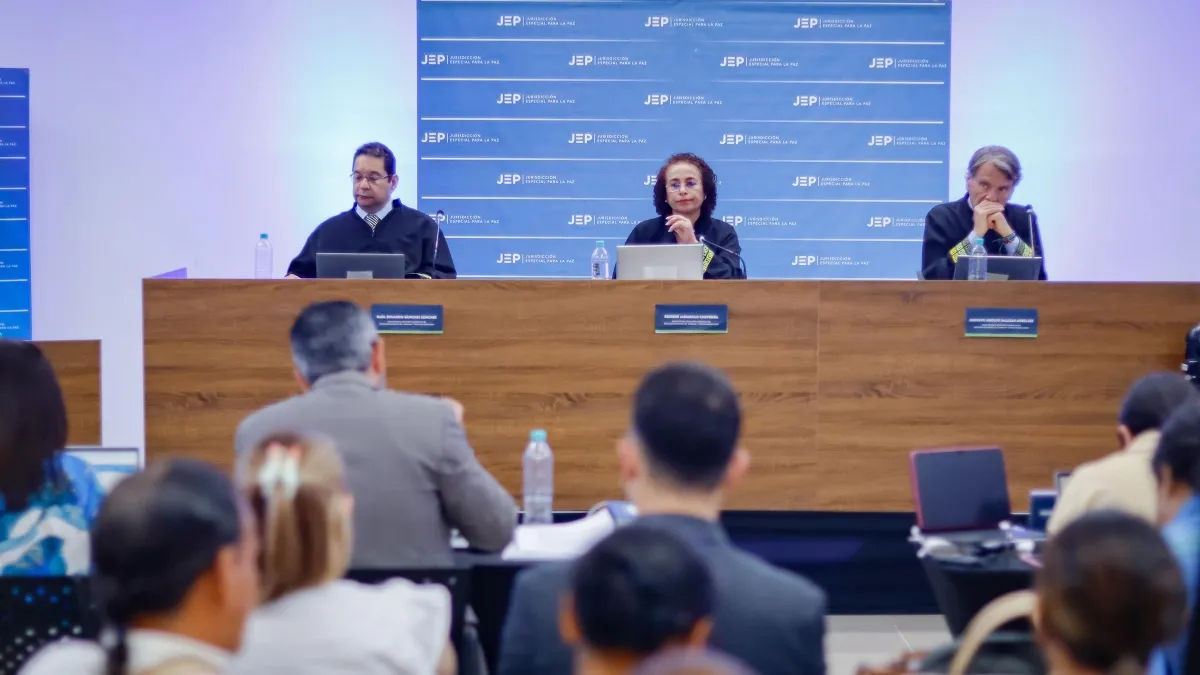
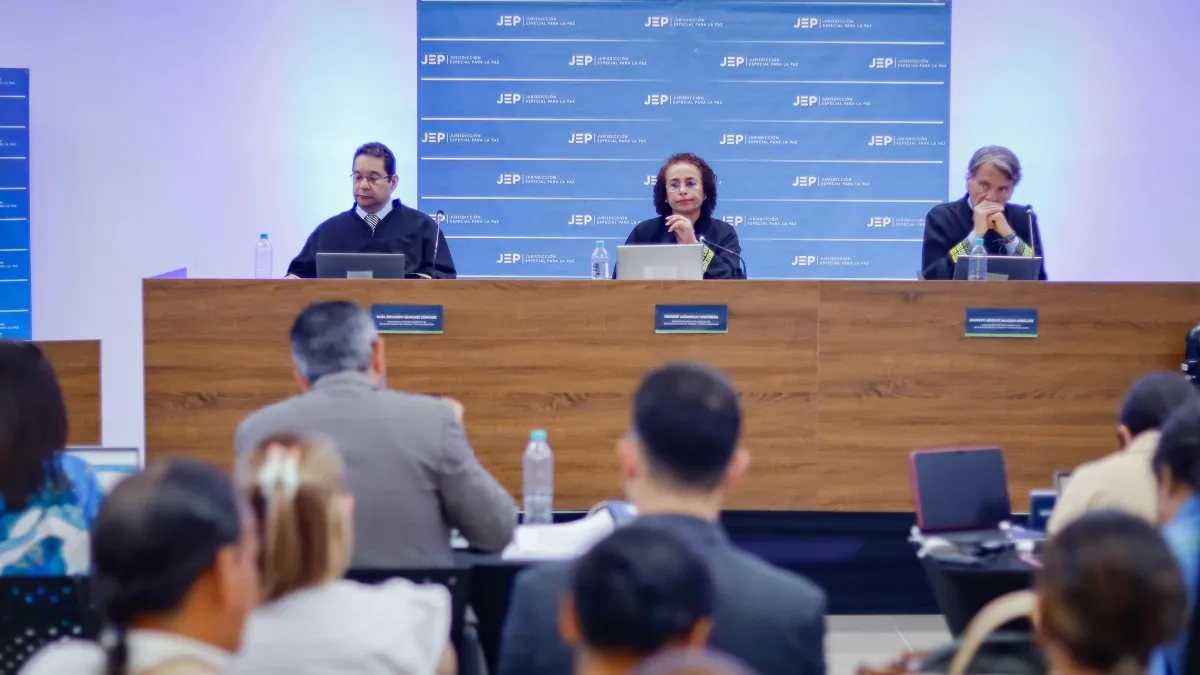
The Special Jurisdiction for Peace (JEP), the cornerstone of Colombia’s 2016 peace process, is facing its most significant existential threat since its inception. A legislative initiative currently gaining momentum in the Congress of the Republic seeks to drastically curtail the tribunal’s operational capacity by reallocating 100,000 million Colombian pesos from its budget to the country’s ordinary justice system. This move has ignited a fierce national debate regarding the efficacy of restorative justice, the fulfillment of victims’ rights, and the future of judicial accountability in a post-conflict society.
The Core Conflict: Budgetary Reallocation
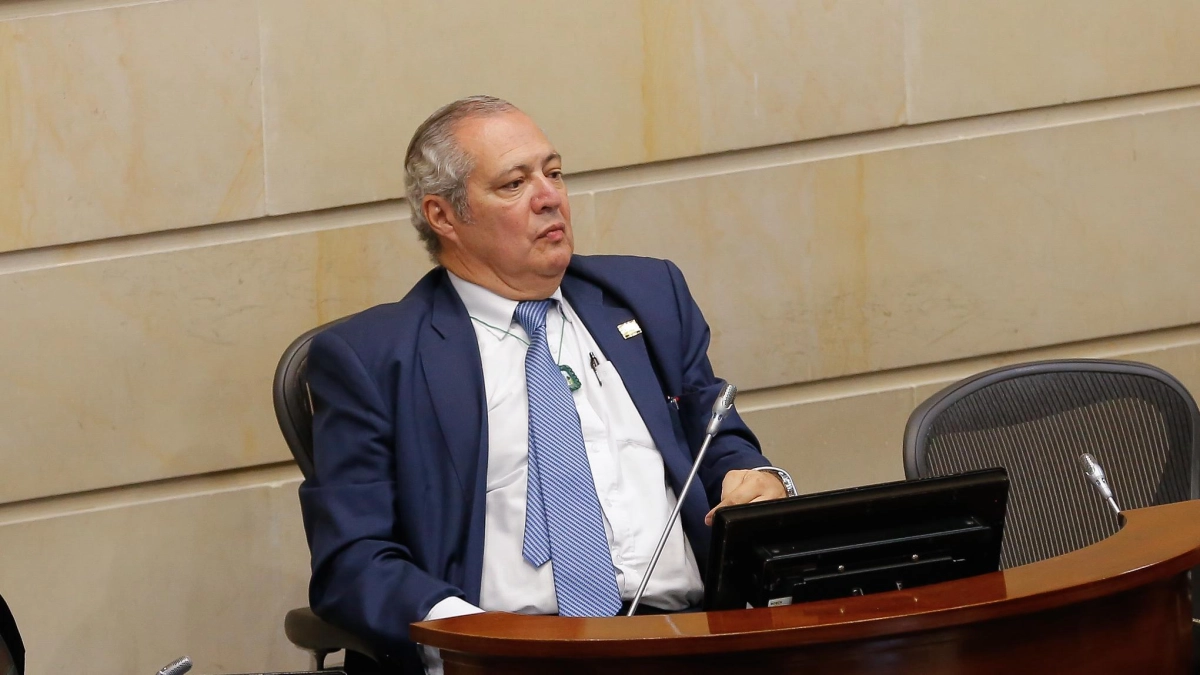
The initiative, spearheaded by Senator Enrique Gómez Martínez of the Salvación Nacional party, has moved beyond a mere fiscal proposal; it has become a symbolic referendum on the perceived shortcomings of the JEP. Supported by the current administration, led by President Abelardo De La Espriella, the bill proposes that a substantial portion of the JEP’s funding be diverted to strengthen the ordinary courts, which proponents argue have been neglected in favor of the specialized peace tribunal.
For the bill’s supporters, the JEP has failed to deliver the "justice" promised in the peace accords. They argue that after nearly a decade of operation, the tribunal has produced a negligible number of formal convictions, creating a sense of impunity among those who suffered the most during the decades-long internal armed conflict.

Chronology of a Controversial Institution
To understand the current tension, one must look back at the trajectory of the JEP:
- 2016: The Final Agreement to End the Armed Conflict is signed between the Colombian government and the FARC-EP. The JEP is established as the judicial component of the Comprehensive System for Truth, Justice, Reparation, and Non-Repetition.
- 2018: The JEP officially begins its operations, tasked with investigating and sanctioning the most serious crimes committed during the conflict.
- 2020-2022: The tribunal begins issuing its first macro-cases (Case 01: Hostage-taking and other grave deprivations of liberty). While the JEP achieves significant breakthroughs in uncovering the truth, criticism mounts regarding the length of proceedings and the nature of the "restorative" sanctions, which do not always include prison time.
- 2024: Institutional friction increases as critics argue that the JEP is becoming a "parallel state" that consumes vast resources while failing to provide punitive justice for victims of kidnapping and violence.
- September 2026: The formal introduction of the bill to cut 100,000 million pesos from the JEP’s budget, marking a potential turning point in the institutional design of Colombian peace.
Supporting Data and The "Restorative" Critique
The central argument for the budget cut centers on the disparity between the JEP’s high operational costs and its low output in terms of traditional, custodial sentences.

The Argument for Punitive Justice
Critics of the JEP, including various victims’ rights organizations, contend that the current restorative model—which allows perpetrators to serve sanctions in community-based settings rather than traditional prisons—is a betrayal of those who were kidnapped, tortured, or displaced.
During the recent congressional debates, opponents of the current model frequently cited the "lack of severity." One prominent leader representing victims of kidnapping stated: "After ten years since the agreement was conceived and eight years of operation, the tribunal lacks sufficient convictions. Crimes of this magnitude cannot be punished by ‘planting lettuce’ while the perpetrators maintain their political rights."
Fiscal Efficiency
The government’s position, championed by President De La Espriella, emphasizes that the state must prioritize the ordinary judicial system. The argument posits that ordinary courts handle the bulk of criminal activity affecting the average citizen and are currently suffering from chronic underfunding and case backlogs. By shifting 100,000 million pesos, the government argues it can provide faster trials and more efficient infrastructure for non-conflict-related crimes, which they claim is a more pressing need for the current social climate.
Official Responses and Institutional Tension
The JEP has yet to issue a formal rebuttal to the specific legislative text, but internal sources within the tribunal have expressed concern that a budget cut of this magnitude would effectively paralyze their ongoing investigations.
The JEP’s Perspective
Supporters of the JEP—including international human rights bodies and the architects of the 2016 peace deal—argue that the tribunal was never designed to be a traditional criminal court. Its mandate is restorative: to uncover the truth, provide reparations to victims, and prevent the recurrence of violence. They warn that cutting funding is a political maneuver aimed at dismantling the truth-telling process, particularly as the tribunal delves deeper into the responsibilities of high-ranking political and military figures.
The Legislative Push
Senator Enrique Gómez Martínez has remained steadfast in his defense of the bill. He argues that the fiscal reality of the country demands austerity, and that "peace dividends" must be redirected toward tangible improvements in the public’s quality of life. "The era of the JEP as an untouchable institution with infinite resources is over," Gómez remarked during a press conference. "We are returning the justice system to the hands of the state and the people, ensuring that those who committed atrocities face real consequences in a court that actually functions for the average citizen."

Implications for Colombia’s Future
The potential passage of this bill holds profound implications for the stability of Colombia’s post-conflict transition.
1. Erosion of the 2016 Peace Agreement
If the JEP’s budget is gutted, it may be interpreted as a de facto violation of the peace accords. This could lead to a loss of legitimacy for the state in the eyes of international observers and potentially destabilize the legal security of former combatants who are currently complying with the JEP’s requirements.

2. The Future of Truth-Seeking
The JEP is currently in the midst of several sensitive investigations. A significant reduction in funding would inevitably lead to a slowing of these proceedings. For many, this is the desired outcome, as it would effectively bury the truth regarding the involvement of various sectors in the conflict. For others, it is a catastrophic loss of institutional memory that will leave future generations without a clear record of the violence.
3. Re-centralization of the Justice System
The shift of resources to the ordinary justice system represents a broader political shift toward a more traditional, punitive approach to law and order. This transition suggests that the current government is moving away from the "negotiated peace" framework of the previous decade toward a "law and order" platform that prioritizes traditional punishment over restorative reconciliation.

Conclusion: A Nation at a Crossroads
As the Congress moves forward with the debate, the country remains deeply polarized. The proposed budget cut is not just a financial decision; it is a fundamental challenge to the post-conflict social contract.
On one side, a segment of the population, backed by political leaders, demands a return to traditional justice as a means of achieving moral and legal closure. On the other side, defenders of the peace process warn that weakening the JEP will lead to a resurgence of impunity and the permanent loss of the truth that was meant to heal the nation.

With the vote expected in the coming weeks, the outcome will determine whether Colombia continues to walk the path of restorative justice or whether it will revert to a more conventional, albeit more punitive, judicial model. The decision will echo far beyond the halls of Congress, shaping the moral and legal landscape of Colombia for years to come.