Gastronomy — Cooking is a fundamental daily activity carried out in millions of households worldwide, yet mastering culinary techniques remains far more complex than it appears at first glance. Following a recipe to the letter and manipulating ingredients correctly requires rigorous practice, deep understanding, and an appreciation for food science—especially when preparing proteins.
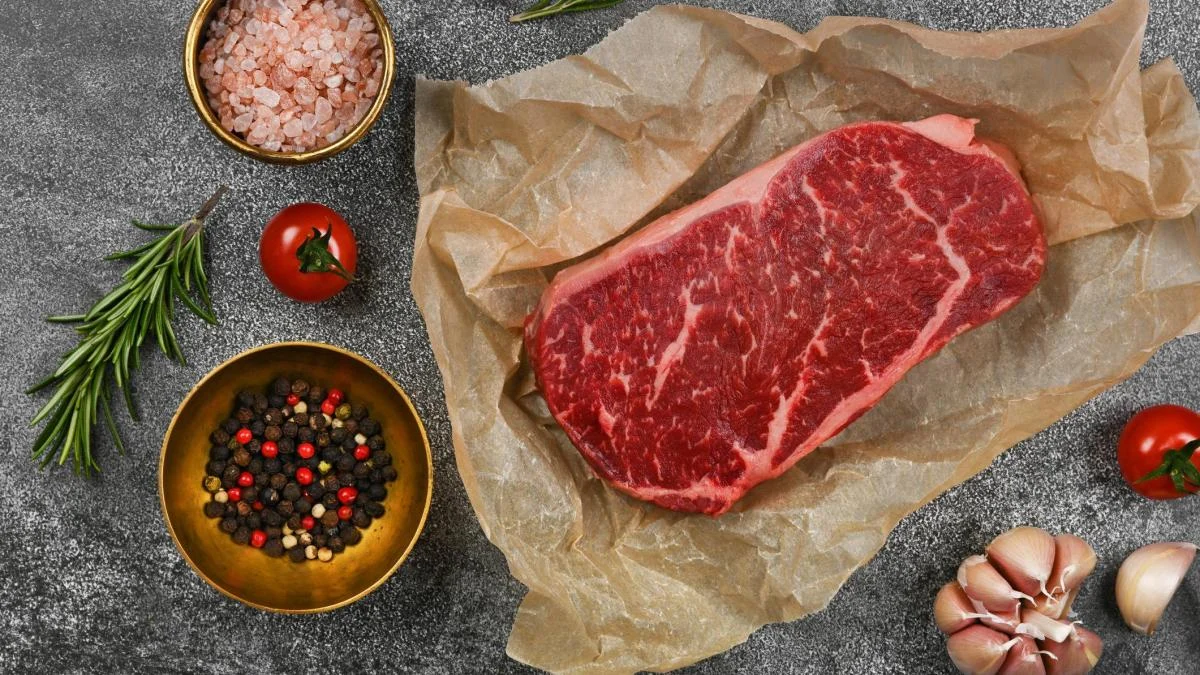
Meat stands as a cornerstone of the human diet across almost every culture. However, far beyond selecting the ideal cut of beef or regulating the temperature of the fire, a persistent debate continues to divide both amateur home cooks and seasoned culinary professionals: the exact moment to add the most basic and essential seasoning of all—salt.
Main Facts: The Great Salting Dilemma
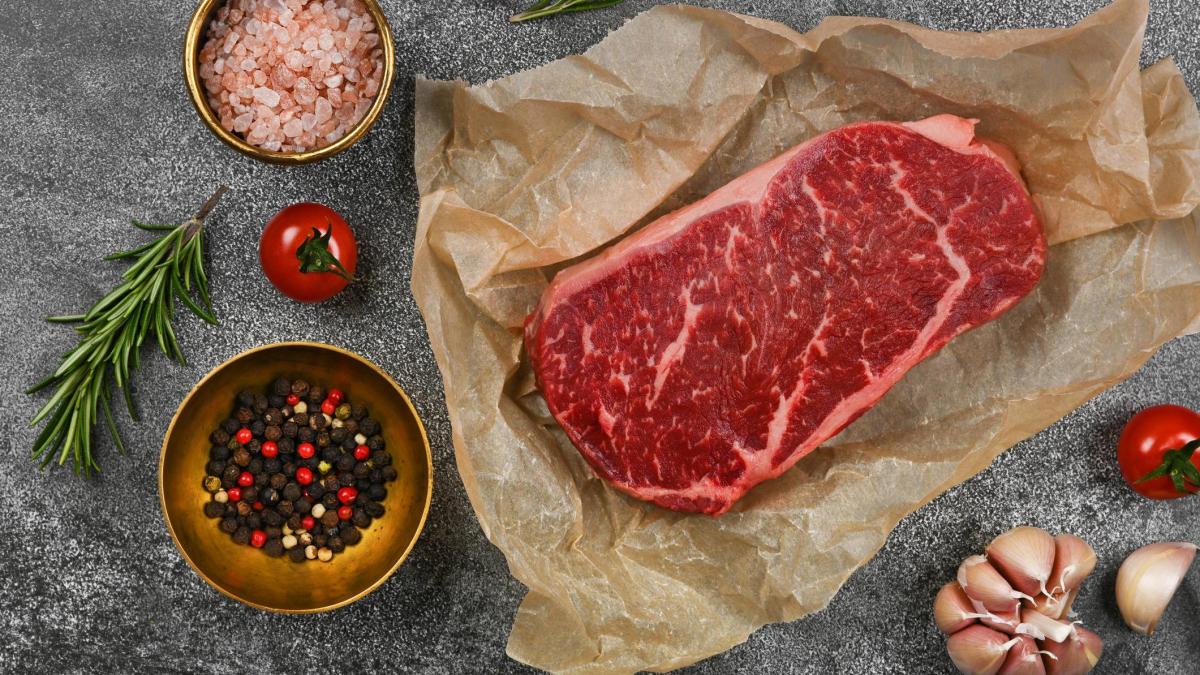
The Real Academia Española (RAE) defines the act of salting simply as applying salt to food, yet in practice, it is a critical chemical and physical step required to elevate a product’s natural flavor profile and optimize its texture. For generations, home cooks have wrestled with a recurring dilemma: should salt be applied to the meat well before it hits the pan, or should it be reserved until the cooking process has already begun?
To shed light on this enduring culinary mystery, a professional butcher from the renowned restaurant El Abeto took to TikTok to break down the science behind the practice. Addressing the common pitfalls and misconceptions surrounding meat preparation, the expert offered a definitive verdict that challenges long-held kitchen superstitions: both methods are entirely valid, provided they are executed with technical precision.

According to the professional, the secret to a perfect piece of meat does not rely on when you salt, but how you do it.
Chronology and Evolution of Meat Preparation Techniques
For centuries, methods of preserving and enhancing meat have evolved significantly. Before modern refrigeration, salt was primarily used as a powerful preservative to inhibit bacterial growth and extend the shelf life of proteins.

The Historical Shift from Preservation to Enhancement
- Pre-Industrial Era: Salt was applied heavily and left on meats for extended periods to draw out moisture completely, creating cured products like jerkies, salted pork, and hams.
- The Rise of Modern Gastronomy: With the advent of refrigeration, the primary function of salt shifted from preservation to flavor enhancement and moisture retention.
- The Rise of Social Media Gastronomy: In recent years, professional chefs and butchers have utilized digital platforms like TikTok and Instagram to demystify complex culinary arts. The modern era allows kitchen professionals to instantly share food science—such as osmosis and protein denaturation—directly with millions of home cooks.
Supporting Data and the Science of Osmosis
The core of the debate centers around two opposing schools of thought: those who fear that salt will aggressively dry out the meat through dehydration, and those who argue that unsalted raw meat tastes bland and uninspired.
"Some people say that salt dries out the meat, while others claim that without salt at the beginning, it tastes like nothing," the butcher explained in his viral video.
The Physics of Pre-Salting (Dry Brining)
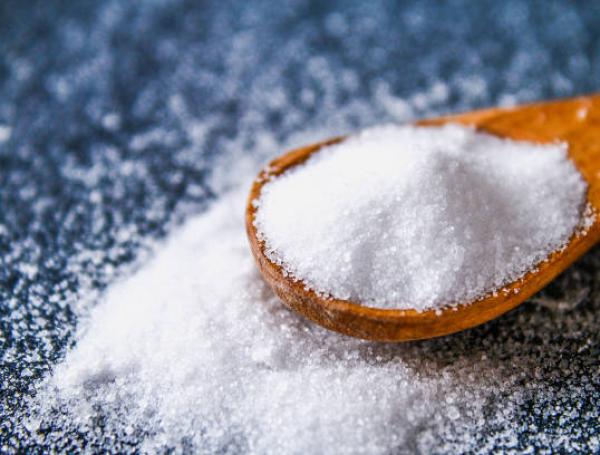
To understand why pre-salting is not only safe but often superior, one must examine the biological process of osmosis.
- Initial Moisture Draw: When salt is applied to raw meat well in advance, it draws moisture out of the muscle fibers to the surface through osmotic pressure, creating a concentrated brine.
- Reabsorption: If given enough time (ranging from 40 minutes to overnight in a refrigerator), the meat reabsorbs this seasoned liquid back into its core. This process deeply seasons the protein rather than just flavoring the exterior.
- Enhanced Crust Formation: The surface moisture evaporates more efficiently during cooking, allowing the Maillard reaction—the chemical reaction between amino acids and reducing sugars that gives browned meat its rich flavor—to occur much faster and more intensely.
Salting During the Cooking Process
Conversely, adding salt during the cooking process is also an effective and widely practiced method. However, the butcher established a strict rule of thumb for this approach to succeed: the formation of the exterior crust.
"If you salt during the cooking, it doesn’t matter either, as long as you do it once we already have the crust," the specialist noted.
By waiting until a solid sear has formed on the outer layer of the meat, the juices are effectively locked inside the muscle fibers, preventing the salt from drawing out precious moisture while the interior finishes cooking.
Professional Insights and Expert Perspectives
Culinary scientists and master butchers largely agree that rigid rules in the kitchen often limit creativity and yield inconsistent results. The consensus from the professional community emphasizes that understanding the behavior of proteins under heat allows for flexible approaches.
- Chef Recommendations: High-end steakhouses frequently employ dry-brining (pre-salting hours in advance) to ensure uniform seasoning throughout thick cuts of beef like ribeyes and New York strips.
- The Danger of Interim Salting: One of the worst possible moments to salt meat is just one or two minutes before cooking. At this stage, the salt draws moisture to the surface, but there is not enough time for the meat to reabsorb it. When this wet meat hits the hot pan, the moisture turns to steam, causing the protein to boil rather than sear, ruining the desired crust.
"In the end, it’s not about whether you do it before or after; it’s about doing it right," the butcher concluded.
Implications for Home Cooks and the Food Industry
The democratization of culinary knowledge via digital platforms has profound implications for everyday cooking habits and the broader food industry.
1. Elevating Home Cooking Standards
By debunking myths such as "salt instantly ruins meat," home cooks are empowered to experiment with techniques like dry brining. This leads to juicier, better-seasoned meals without requiring expensive equipment or professional training.
2. Impact on the Meat Supply Chain and Consumer Behavior
As consumers become better educated on cuts, preparation, and seasoning, the demand for quality cuts increases. In regions experiencing booming meat export markets—such as the recent expansion of Colombian beef distribution to over 20 countries—consumer sophistication drives higher standards for how meat is handled from the butcher counter to the dinner table.
3. Mindful Consumption Trends
The ongoing conversation surrounding meat preparation also intersects with modern wellness trends. As global populations increasingly focus on mindful consumption—balancing health, longevity, and culinary pleasure—knowing how to maximize flavor through proper seasoning ensures that when meat is consumed, it is prepared to absolute perfection.
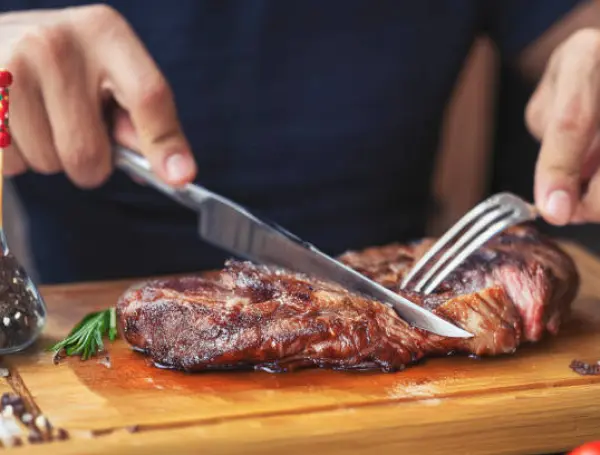
Ultimately, whether a home cook chooses to season their steak 24 hours in advance or right after securing that golden-brown crust, the golden rule remains clear: master the science, respect the ingredient, and technique will always triumph over rigid dogma.