By Global Gastronomy Desk
Published: December 7, 2025
Main Facts
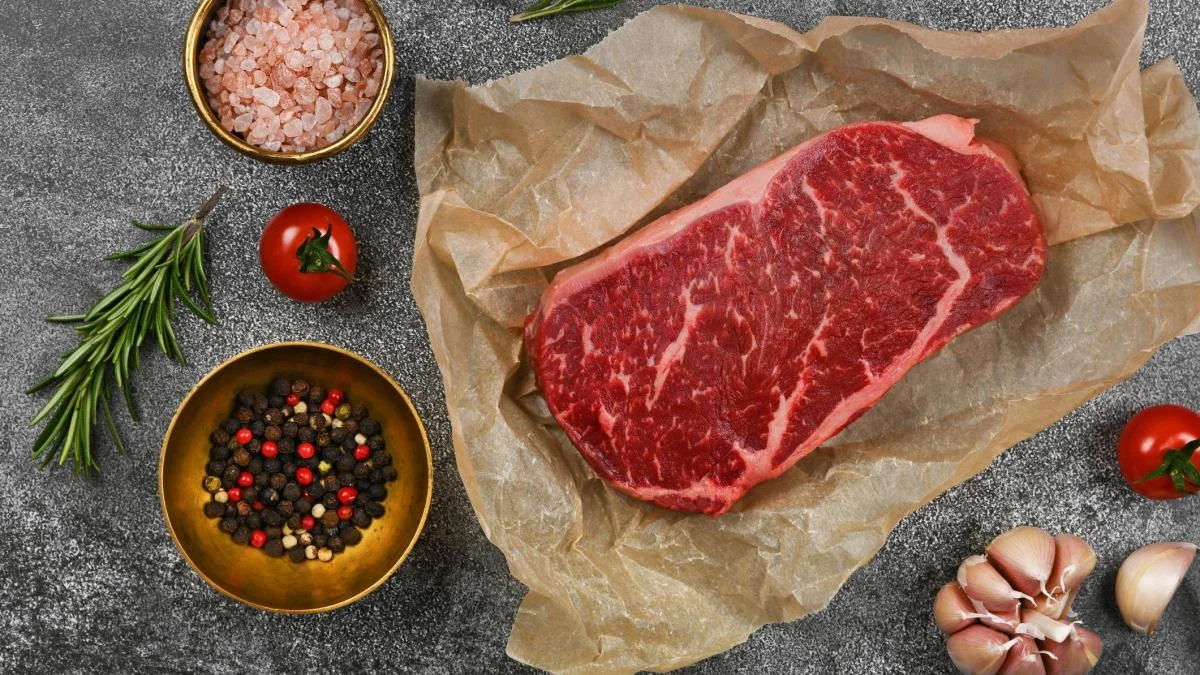
Cooking is an everyday activity practiced in millions of households across the globe, yet mastering fundamental culinary techniques remains far more complex than it appears at first glance. Following a recipe to the letter and manipulating raw ingredients with precision requires both practice and deep technical knowledge, especially when preparing high-protein foods like red meat.

Among the various components of meat preparation, one eternal debate continues to divide home cooks and professional chefs alike: the exact moment to add salt, the most basic and vital seasoning in existence.

According to insights shared by a professional butcher from the acclaimed restaurant El Abeto via TikTok, the controversy boils down to two opposing schools of thought:
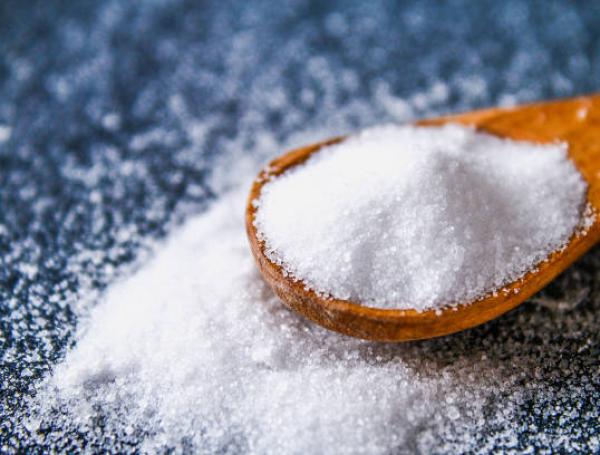
- Those who fear that salting meat prematurely will dry it out completely through moisture extraction, and
- Those who argue that unseasoned meat lacks foundational flavor.
The expert’s definitive verdict? Both methods are entirely valid, provided they are executed correctly. The secret to culinary success lies not in when you salt, but how you apply the technique.
Chronology and Evolution of the Meat-Salting Debate
To understand why this debate persists, it helps to examine how culinary techniques have evolved from traditional kitchen folklore into modern food science.
- Pre-Industrial Preservation (The Era of Heavy Curing): Historically, salt was primarily used as a preservative rather than a mere flavor enhancer. Large quantities of salt were packed around meats to draw out moisture completely, preventing bacterial growth and spoilage. This created the deeply rooted cultural fear that salt inherently "ruins" fresh meat by dehydrating it.
- The Rise of Modern Gastronomy: As refrigeration made long-term salt curing unnecessary for daily meals, cooking shifted toward maximizing tenderness and juiciness. Chefs began experimenting with timing—some salting hours before cooking, others sprinkling salt right as the meat hit the grill.
- The Digital Age and Viral Food Science (2020–2025): With the rise of short-form video platforms like TikTok, professional butchers and food scientists gained a direct line to millions of home cooks. Complex biochemical processes—such as osmosis and protein denaturation—were broken down into accessible, viral advice, debunking long-standing kitchen myths once and for all.
Supporting Data and The Science of Salting
The Real Academia Española (RAE) defines the act of salting as applying salt to food—a crucial step intended to unlock characteristic flavors and improve overall texture. However, the physical and chemical interactions between sodium chloride and muscle tissue are what truly dictate the outcome.
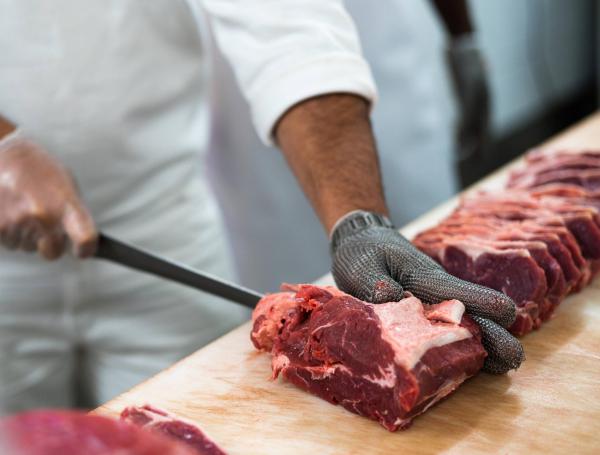
1. Pre-Salting and the Process of Osmosis
When a piece of raw meat is heavily salted well in advance of cooking, a fascinating biochemical phenomenon occurs via osmosis.
- Initial Phase: The high concentration of salt on the surface draws moisture out of the meat’s cells through osmotic pressure, creating a pool of liquid on the surface.
- The Re-absorption Phase (The Magic Step): If given enough time (ranging from 40 minutes to overnight), that surface moisture dissolves the salt, creating a brine. The muscle fibers relax, and the meat reabsorbs this seasoned liquid, distributing the flavor deep into the core of the protein rather than just leaving it on the exterior.
As the El Abeto butcher noted: "If you salt it well in advance, the meat releases a lot of water at first, but then it reabsorbs it." This process breaks down tough protein structures, resulting in enhanced tenderness and superior moisture retention during cooking.
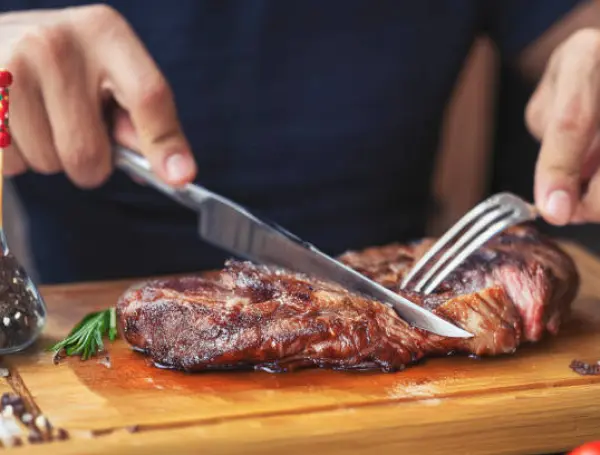
2. Salting During Cooking (The Crust Rule)
For those who prefer to season their meat dynamically while it cooks in the pan or on the grill, a different set of rules applies.

- The Golden Rule of the Crust: The butcher emphasizes that salting mid-cooking is entirely effective, provided you wait for the correct moment. "If you salt during cooking, nothing bad happens either, as long as you do it once we already have the crust," the expert explains.
- Why the Crust Matters: Searing creates a Maillard reaction—a chemical reaction between amino acids and reducing sugars that gives browned food its desirable distinct flavor. Waiting until the exterior forms a golden sear locks the internal juices safely inside the cut, preventing the salt from drawing out moisture directly into an unsealed pan.
Official Perspectives and Culinary Consensus
Culinary professionals worldwide increasingly agree that rigid kitchen rules often do more harm than good. Rather than enforcing a single "correct" timeline, modern gastronomy favors adaptable methodologies based on the cut of meat, its thickness, and the desired flavor profile.

- The Food Science Community: Food scientists and high-end culinary institutes support dry-brining (pre-salting) for thick cuts like ribeyes, New York strips, and roasts, as it seasons the interior evenly.
- Traditional Home Cooks: Traditionalists who salt at the table or during the sear continue to produce exceptional meals by focusing on high-heat control and quality ingredients.
Ultimately, the professional consensus bridges the gap: "At the end of the day, it’s not about whether you do it before or after; it’s about doing it right."

Implications for Home Cooks and the Global Meat Industry
Practical Takeaways for Your Kitchen
- Plan Ahead for Thick Cuts: If you have time, salt your steaks 40 minutes to a few hours before cooking and let them rest uncovered in the refrigerator. This utilizes osmosis to tenderize and deeply season the meat.
- Master the Sear: If you forget to pre-salt, do not panic. Sear your meat to build a flavorful crust first, then apply your seasoning to ensure the juices remain trapped inside.
- Understand the Cut: Leaner cuts react differently to heavy pre-salting compared to well-marbled cuts rich in intramuscular fat. Adjust your approach based on the quality and thickness of the protein.
Industry and Economic Impacts
The democratization of culinary knowledge via digital platforms has significantly impacted the food and hospitality sectors. Consumers are now more discerning about meat quality, cut selection, and preparation techniques. Furthermore, global supply chains—such as the expanding international reach of high-end beef exports—benefit from an educated consumer base that knows how to properly cook and value premium proteins.

By understanding the basic science of salt, home cooks everywhere can elevate everyday meals to restaurant-quality standards, proving that science and gastronomy will always be the ultimate culinary partnership.