By Edwin Caicedo | Environmental and Health Journalist
Published: September 7, 2026
Main Facts: The Chemistry Behind the Perfect Batter
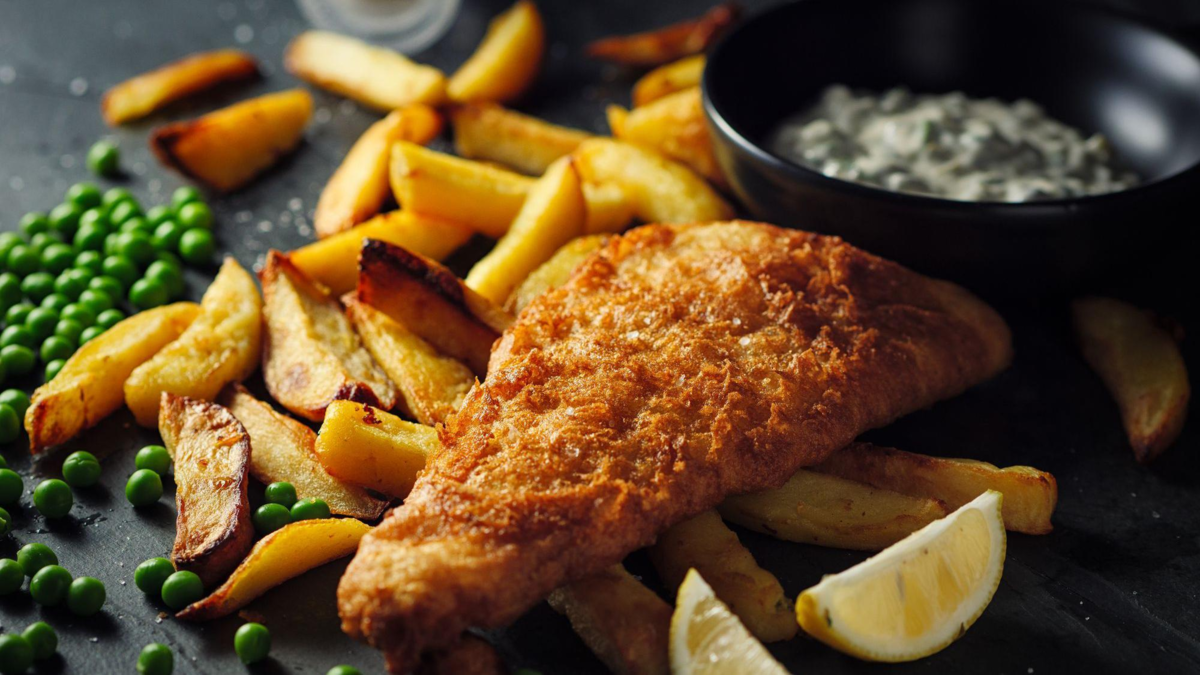
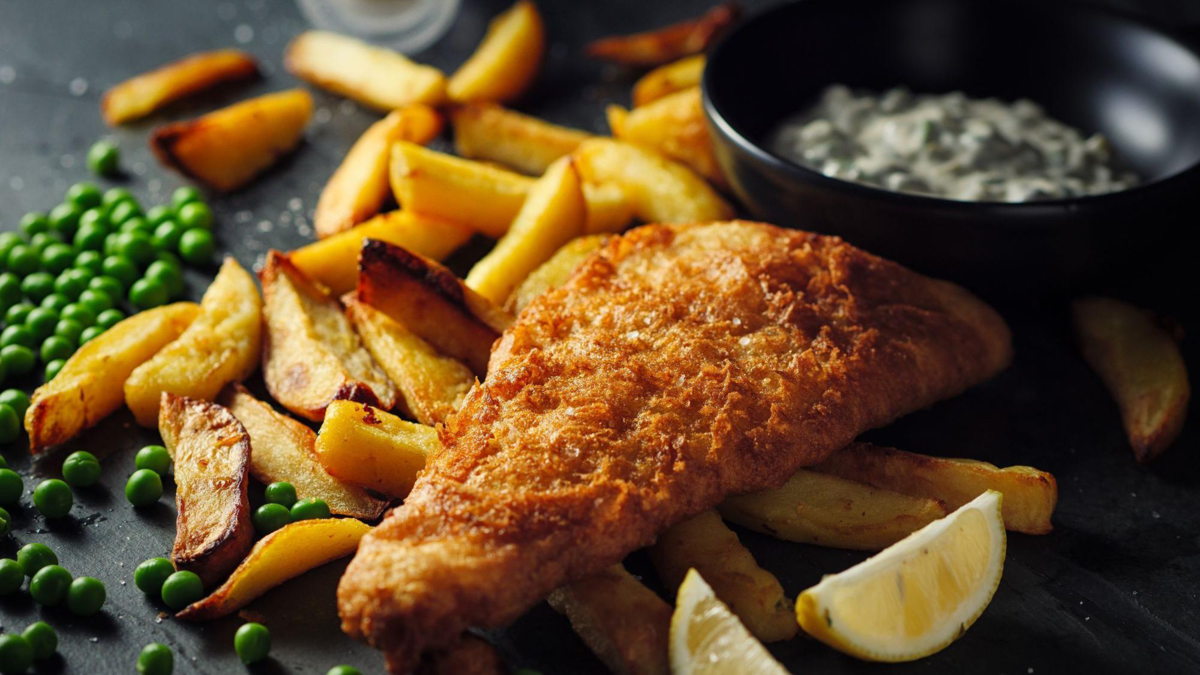
For anyone striving to achieve a piece of fried fish that boasts a light, golden, and shatteringly crisp crust—rather than a heavy, grease-logged blanket—the kitchen holds a surprisingly unconventional ally: beer. Long dismissed as an old wives’ tale passed down through generations of home cooks, modern culinary science has officially validated the practice. Replacing a portion of the water and flour in a traditional batter with beer fundamentally alters the physics and chemistry of frying, resulting in a measurably superior crust.
According to extensive research highlighted by publications like Scientific American and tested rigorously in professional culinary laboratories, the magic lies in a combination of three distinct elements natively present in beer: carbon dioxide, foaming agents, and alcohol. When these components interact with hot oil, they transform a standard, heavy coating into an airy, lace-like matrix that seals in moisture while providing an exquisite crunch.
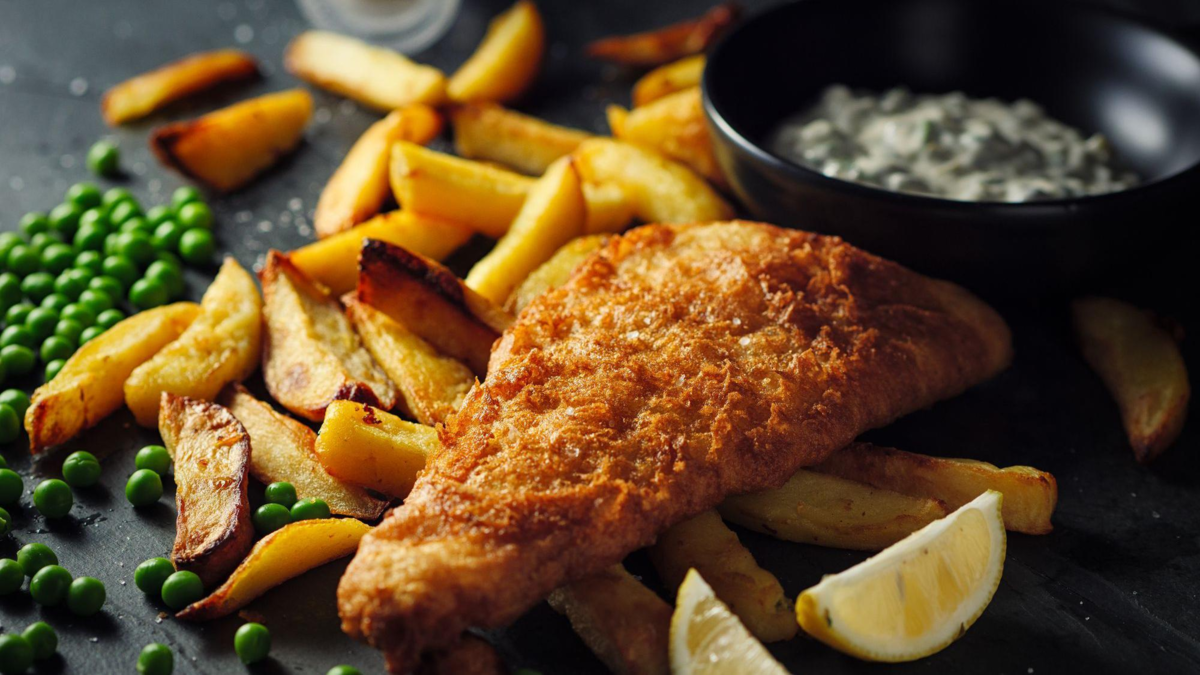
The phenomenon is not merely subjective. Culinary institutions and food scientists have broken down the precise mechanisms—ranging from gas solubility dynamics to protein structures—that explain why a splash of cold brew transforms an ordinary weeknight dinner into a masterclass in texture.
Chronology: From Tavern Tradition to Precision Food Science
While generations of line cooks, pub owners, and culinary traditions across the globe have intuitively incorporated beer into batters for centuries—most famously in British fish and chips, Belgian frites pairings, and various iterations of battered seafood—the scientific validation of this technique has evolved significantly over recent decades.
1. The Era of Intuition (Pre-2000s)
For decades, the use of beer in batters was treated as culinary lore. Chefs observed that batters mixed with carbonated alcoholic beverages seemed lighter and less prone to soggy absorption than those made purely with milk or water. However, explanations were largely anecdotal, often incorrectly attributing the entire phenomenon to the presence of alcohol burning off during the cooking process.

2. The Rise of Experimental Gastronomy (2000–2015)
As modern food science began intersecting with home cooking, platforms and testing facilities like America’s Test Kitchen and ChefSteps began applying empirical methods to kitchen practices. Instead of accepting traditional recipes at face value, researchers started isolating variables—testing batters with water, sparkling water, non-alcoholic beer, and standard lagers—to map out exactly what happens on a microscopic level when a coated protein hits 375°F (190°C) oil.
3. Modern Consensus and Scientific Validation (Present Day)
Today, the mechanics of beer batter are thoroughly documented. Culinary physicists and food chemists have mapped out the exact pH shifts, thermal expansion rates of carbon dioxide bubbles, and evaporation rates of ethanol. What was once a tavern secret is now taught as an application of applied physics in professional culinary schools worldwide.
Supporting Data: What the Lab Tests Reveal
To understand why beer outperforms plain water or milk in a batter, one must look closely at the data gathered by leading culinary testing facilities.
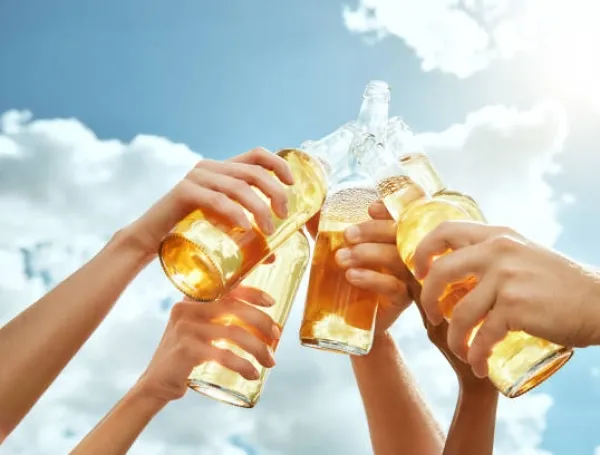
1. The Power of Carbonation
Scientific American notes that when a carbonated batter meets hot oil, the solubility of the dissolved carbon dioxide ($textCO_2$) drops drastically. Trapped within the viscous matrix of flour and liquid, the gas rapidly expands. As these bubbles push outward and escape into the surrounding oil, they inflate microscopic pockets within the batter. This expansion creates an airy, porous structure that resembles delicate lace, preventing the batter from collapsing into a dense, heavy layer.
To prove that carbonation—and not alcohol—is the primary driver of this texture, America’s Test Kitchen conducted controlled experiments frying fish using four distinct liquid bases:
- Standard beer
- Non-alcoholic beer
- Plain sparkling water (seltzer)
- Tap water
The results were definitive: all three carbonated liquids (standard beer, non-alcoholic beer, and seltzer) produced noticeably lighter, crispier, and more lace-like crusts than the flat tap water control. This proved that carbon dioxide bubbles, rather than alcohol content, do the heavy lifting regarding texture.
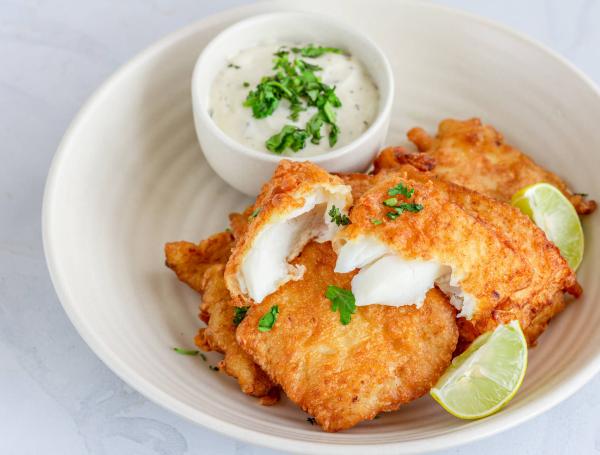
2. The Role of pH and Gluten Inhibition
Another critical factor uncovered by culinary researchers involves protein development. Gluten is formed when wheat proteins (glutenin and gliadin) bind with water. This process thrives in a neutral-to-slightly-acidic environment, typically peaking at a pH between 5.0 and 6.0.
Most traditional batters made with water and flour easily hit this optimal gluten-development zone, resulting in a tougher, chequered, bread-like texture that can feel heavy in the mouth. Beer, however, is naturally acidic, with most styles possessing a pH closer to 4.0. This lower pH interferes with the cross-linking of gluten proteins, effectively subduing gluten development. The result is a more tender, delicate, and shatter-crisp coating that yields immediately to the bite.
3. The Function of Alcohol
While carbonation drives the initial expansion, alcohol plays a vital secondary role. Ethanol has a lower boiling point than water (approximately 173°F / 78°C versus 212°F / 100°C) and a much lower heat of vaporization.
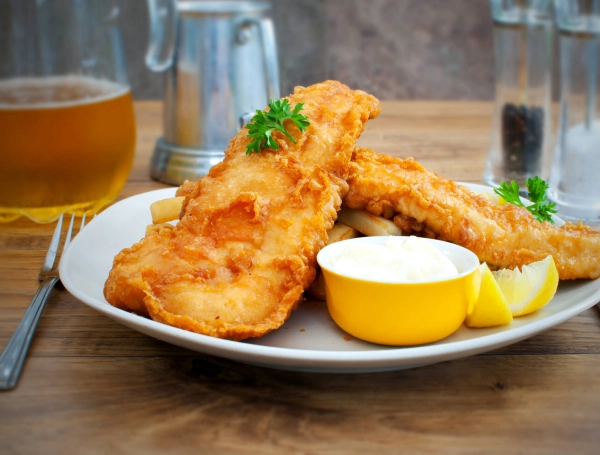
Advanced culinary platforms like ChefSteps point out that because alcohol evaporates significantly faster than water when exposed to high heat, it dries out the exterior crust much more rapidly. This rapid dehydration halts the absorption of cooking oil, preventing greasiness and ensuring the interior fish or vegetable steams gently in its own juices without overcooking.
Official Responses & Industry Perspectives
Culinary professionals and food scientists consistently advocate for the integration of carbonated beverages into frying techniques, though they offer specific guidelines to maximize success.
- Chef and Product Developers: Professional test kitchens emphasize that the choice of beer matters, though not always for the reasons amateurs assume. While dark stouts and robust ales impart wonderful malt-forward flavor profiles to the crust, crisp and neutral pilsners or lagers are often preferred when the goal is a purely textural enhancement without overpowering delicate proteins like white fish, shrimp, or vegetables.
- Food Technologists: Experts in food science stress temperature control. Using ice-cold beer is critical. The greater the temperature differential between the cold batter and the hot oil, the more violent and immediate the thermal shock—which maximizes the expansion of the trapped $textCO_2$ bubbles and minimizes oil absorption.
Implications: Practical Applications in the Modern Kitchen
Understanding the science behind beer batter opens up a world of culinary possibilities that extend far beyond traditional fish and chips.

1. Expanding Beyond Seafood
The principles governing beer batter can be applied to a wide array of ingredients. Vegetables with high water content—such as zucchini blossoms, onion rings, green beans, and cauliflower florets—benefit immensely from the rapid moisture-sealing properties of a carbonated, low-gluten coating.
2. Tailoring Flavor Profiles
Because different styles of beer bring unique chemical profiles and flavor compounds, cooks can use the beverage as a dynamic seasoning agent:
- Pilsners and Lagers: Offer clean, crisp finishes that let the primary ingredient shine.
- Pale Ales and IPAs: Impart a subtle herbal, citrus, or bitter note that pairs exceptionally well with rich seafood like catfish, cod, or shrimp.
- Stouts and Porters: Introduce deep, caramelized, and slightly roasted undertones, ideal for heartier meats, onion rings, or even sweet applications like apple fritters.
3. Tips for Execution at Home
To successfully replicate laboratory-tested results in a home kitchen, chefs recommend adhering to a few golden rules:

- Keep it Ice Cold: Store your beer in the refrigerator until the exact moment you are ready to mix the batter. Cold liquid slows down gluten development and maximizes thermal shock in the fryer.
- Don’t Overmix: Whisk the batter just enough to combine the dry and wet ingredients. Lumps are actually encouraged; overmixing develops excess gluten and beats the carbonation out of the liquid.
- Manage Oil Temperature: Maintain oil temperatures between 375°F and 400°F (190°C–200°C). Dropping too much food into the pan at once causes the oil temperature to plummet, leading to a soggy, oil-soaked crust regardless of the beer used.
By embracing the intersection of physics, chemistry, and culinary tradition, home cooks can permanently banish heavy, greasy pan-fried foods in favor of golden, light, and perfectly crisp creations backed by science.