By Edwin Caicedo
Environment and Health Journalist
Updated: September 7, 2026
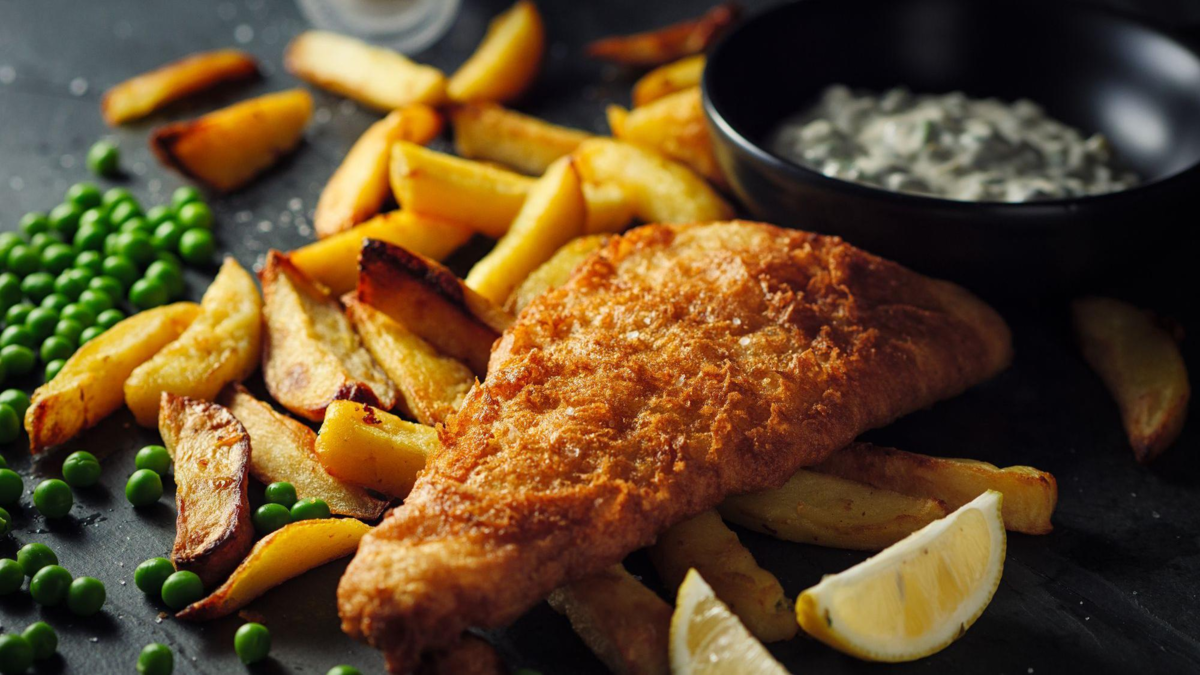
For generations, home cooks and seasoned chefs alike have shared a quiet, unconventional culinary secret: if you want a piece of fried fish or a batch of onion rings featuring a golden, shatteringly crisp crust rather than a heavy, grease-soaked blanket, the key lies not in water, but in beer.
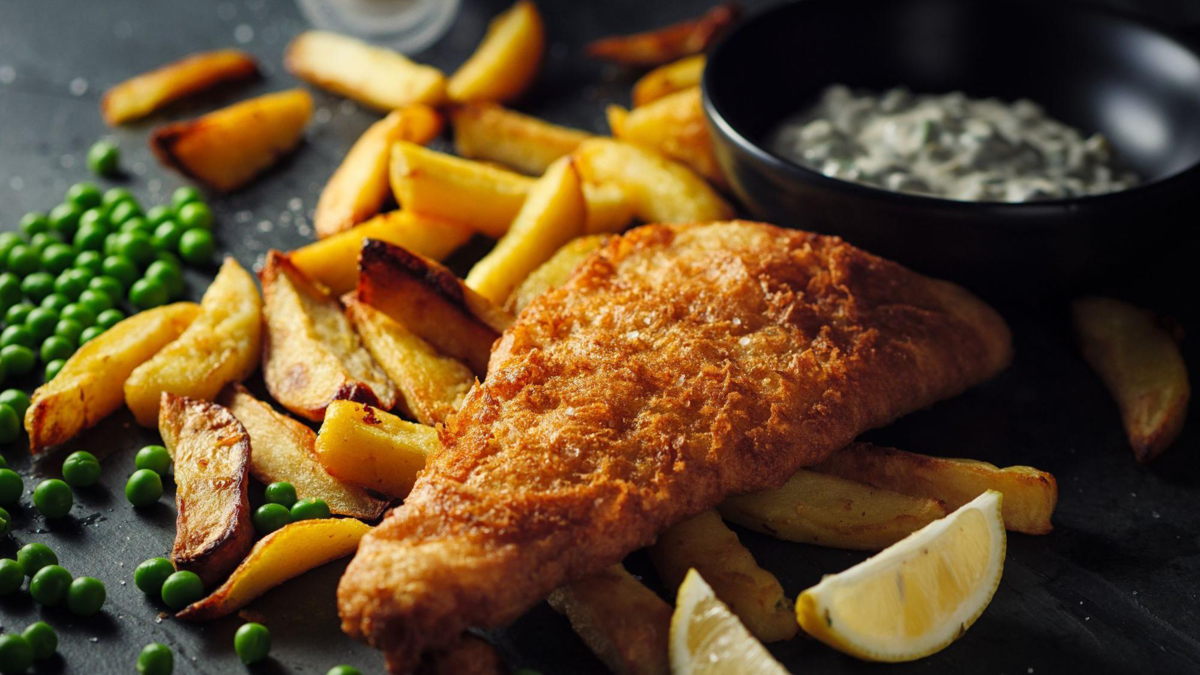
While long dismissed as mere kitchen folklore or a rustic gimmick, modern culinary science has officially validated the method. Rigorous laboratory testing and physical chemistry now explain precisely why substituting a portion of the water and flour in a standard batter with beer fundamentally transforms the texture of fried foods.
Through the convergence of thermodynamics, fluid dynamics, and biochemistry, researchers have unlocked the mechanics behind what makes this age-old technique so remarkably effective.

Main Facts: The Physics and Chemistry Behind the Batter
When a beer-based batter hits hot oil, a symphony of rapid physical and chemical reactions takes place. According to analyses published in Scientific American and data compiled by leading culinary research groups, the magic of beer relies on three distinct components working in tandem: carbon dioxide, foaming agents, and alcohol.
First and foremost is carbonation. When the cold, carbonated batter encounters high-temperature frying oil, the solubility of the dissolved carbon dioxide gas drops precipitously. The gas rapidly comes out of solution, expanding and forming tiny pockets of air throughout the batter. As these bubbles escape during the frying process, they inflate the coating from the inside out, creating an ultra-light, airy, lace-like matrix.

Furthermore, the chemical composition of beer introduces mild acidity. Most beers feature a pH hovering around 4, which is significantly more acidic than plain water-based doughs. Culinary test kitchens note that this elevated acidity plays a vital role in managing gluten development. Gluten—the protein network that gives bread its chewiness—forms most efficiently in a neutral-to-slightly-alkaline environment (typically a pH of 5 to 6). By introducing the acidic environment of beer, the batter limits excessive gluten formation. This prevents the coating from becoming tough, rubbery, or heavy, ensuring a delicate, brittle crunch instead.
Chronology: From Tavern Tradition to Scientific Validation
The journey of beer batter from informal pub trick to scientifically verified technique spans centuries of empirical cooking, eventually landing in modern food science laboratories.
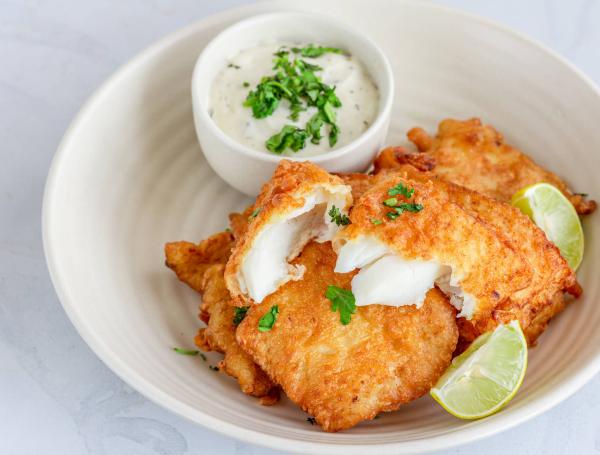
- Pre-20th Century (The Empirical Era): Traditional fish-and-chip shops across the British Isles and various continental European culinary traditions independently discovered that adding ale or lager to batter yielded a superior crust. Without understanding the underlying chemistry, cooks relied on trial and error, passing the technique down through generations.
- Late 20th Century (The Rise of Food Science): As culinary arts began intersecting with food science, institutions started examining traditional methods. Publications like Scientific American began exploring the fluid dynamics of cooking, identifying how dissolved gases behave under high heat.
- The 2010s–2020s (Controlled Laboratory Testing): Organizations like America’s Test Kitchen and advanced culinary platforms like ChefSteps subjected the beer-batter hypothesis to rigorous, controlled experiments. By systematically isolating variables—testing batters made with standard beer, non-alcoholic beer, club soda, and plain water—researchers finally mapped out the exact contributions of carbonation, alcohol, and acidity, transforming a culinary myth into an evidence-based science.
Supporting Data: What the Experiments Reveal
To understand the exact role of beer’s components, testing facilities have put various liquid bases through rigorous comparative analysis. The results offer clear, measurable insights into what makes a batter succeed or fail.
The Myth of the Alcohol
One of the most surprising findings from controlled experiments conducted by America’s Test Kitchen is that alcohol itself is not the primary driver of crispiness. When researchers fried fish using batters made with standard beer, non-alcoholic beer, carbonated club soda, and flat tap water, a clear pattern emerged.
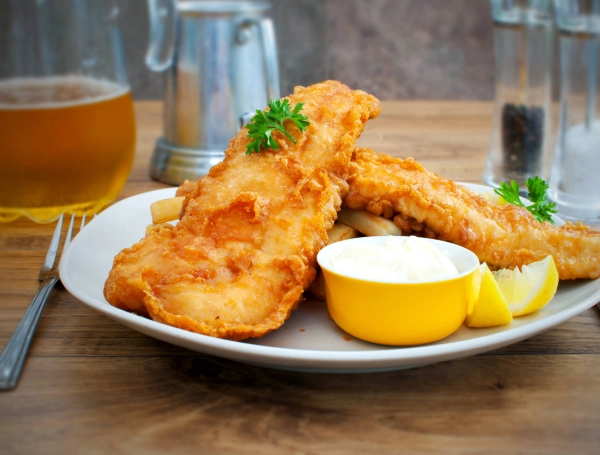
All of the carbonated liquids—including the non-alcoholic beer and the club soda—produced significantly lighter, more lace-textured crusts than the flat water. This proved conclusively that carbonation is the true protagonist of the process. Without bubbles, the batter lacks the lifting power required to create an airy, delicate structure.
The Hidden Benefit of Alcohol
While carbonation does the heavy lifting structurally, alcohol does play a vital secondary role. Culinary platform ChefSteps, widely utilized by professional chefs for precision cooking documentation, notes that alcohol evaporates at a significantly lower temperature and faster rate than water.

Because alcohol vaporizes and leaves the batter quicker during the initial stages of frying, it dries out the outer crust much faster. This rapid dehydration locks in the structure of the crunch before the oil has time to penetrate deeply, while simultaneously preventing the delicate fish or vegetable inside from overcooking or turning mushy.
Official Responses and Expert Recommendations
Culinary scientists and professional educators agree that while beer is a powerful tool, it must be used correctly to achieve optimal results. Experts recommend several key practices when applying this method in a home or professional kitchen:

- Keep It Ice Cold: Temperature differential is critical in frying. The colder the beer is when mixed into the dry ingredients, the greater the thermal shock when it hits the hot oil, which maximizes the expansion of the carbon dioxide bubbles.
- Do Not Overmix: Stirring the batter too aggressively knocks out the precious carbonation and encourages excessive gluten development. A lumpy, loosely combined batter always yields a crispier final product than a smooth, overworked one.
- Choose the Right Brew: While heavy stouts and porters can add pleasant malt flavors and attractive dark colors to the crust, crisp light lagers or pilsners generally offer the highest carbonation levels and the cleanest, most neutral flavor profiles for delicate proteins like white fish.
Implications: Elevating Everyday Cooking Through Science
The validation of beer-based batters offers broader implications for both culinary enthusiasts and food scientists. It highlights the value of understanding the underlying physics and chemistry of everyday cooking.
Rather than relying blindly on kitchen lore, modern gastronomy demonstrates that simple adjustments—such as utilizing carbonation and managing pH levels—can dramatically elevate home cooking. While a great crust still depends on foundational cooking principles, such as maintaining precise oil temperatures and sourcing fresh ingredients, the incorporation of a simple, cold carbonated beverage bridges the gap between amateur cooking and professional-grade texture.

Ultimately, the science of the crunch proves that sometimes, the most sophisticated culinary breakthroughs are sitting quietly right in the refrigerator.