By: Digital Journalism Desk
Published: September 5, 2026
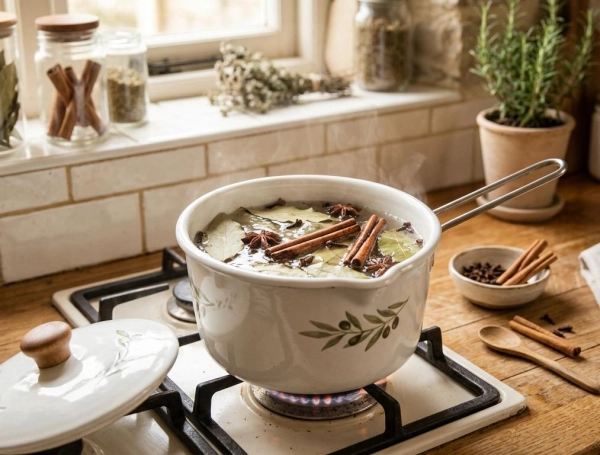
In contemporary interior wellness and household trends, a seemingly simple practice has quietly taken center stage: placing a fresh laurel leaf into a glass of water. Far from being merely an aesthetic addition to a kitchen counter or living room table, this domestic ritual has evolved into a widespread cultural phenomenon. Associated across various traditions with the attraction of financial prosperity, the energetic protection of living spaces, and the purification of daily environments, the practice draws heavily from historical symbolism and foundational concepts of Feng Shui.
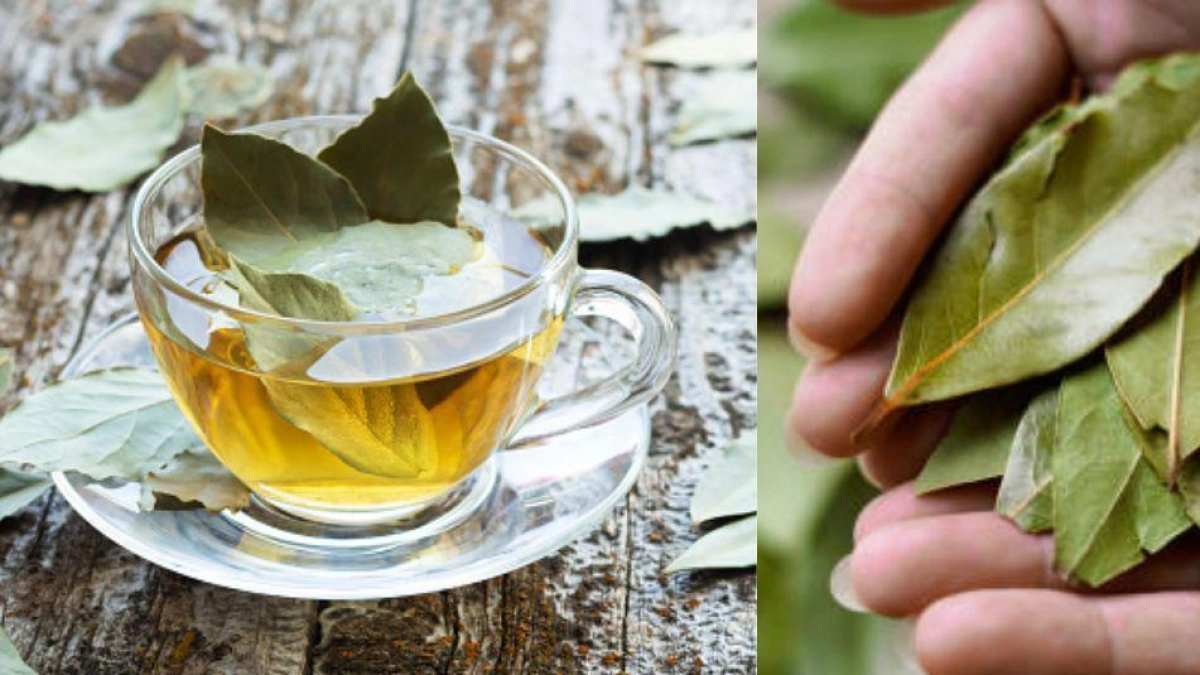
While modern proponents embrace the ritual as a method to reset domestic energy and refresh living spaces, its roots delve deep into ancient history, mythology, and cross-cultural beliefs surrounding nature’s most potent symbols. This comprehensive report examines the historical context, symbolic foundations, step-by-step preparation, maintenance protocols, and broader implications of incorporating this age-old custom into modern homes.
Main Facts: The Intersection of Tradition and Modern Wellness
The practice of submerging a laurel leaf in water is fundamentally built upon the perceived symbiotic properties of its two primary components: the plant itself and the liquid medium that sustains it.

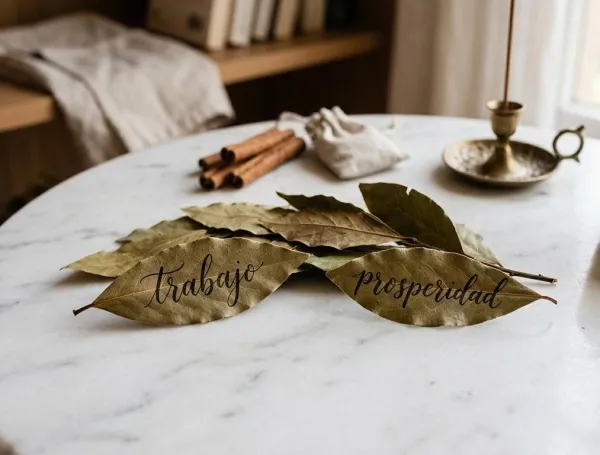
- The Laurel Leaf: Historically revered as a symbol of triumph, achievement, and high status, the bay laurel (Laurus nobilis) has transitioned from classical architecture and ceremonial crowns into the realm of domestic mindfulness. In popular esoteric traditions and modern home-energy practices, it is believed to act as a shield against negativity while inviting abundance.
- Water as a Purifier: Across virtually all human cultures and philosophical systems, water is conceptualized as the ultimate cleansing element. It is viewed as a dynamic medium capable of absorbing, neutralizing, and washing away stagnant or discordant energies.
- The Synergy: When combined in a transparent vessel, the physical elements interact to create a focal point for personal intention. Beyond esoteric interpretations, the practice offers a tangible, sensory routine that encourages mindfulness, personal organization, and a renewed sense of domestic care. Furthermore, using fresh leaves provides a subtle, natural fragrance that gently perfumes the immediate surroundings without the use of artificial air fresheners.
Chronology: From Ancient Crowns to Modern Living Rooms
To fully understand why a simple glass of water with a leaf has captured the imagination of digital communities and wellness enthusiasts, it is necessary to trace its trajectory through time.
Antiquity: The Symbol of Victory and Divine Favor
Long before it became a staple of modern home decoration or culinary arts, the laurel tree held sacred status in ancient Mediterranean civilizations, particularly in Greece and Rome.

- Mythological Origins: In Greek mythology, the laurel is intrinsically tied to the god Apollo and the nymph Daphne, who transformed into a laurel tree to escape the god’s relentless pursuit. In grief and honor, Apollo adopted the tree as his sacred symbol, declaring that its leaves would forever crown victors, poets, and heroes.
- Civic and Military Honors: Roman emperors, victorious generals, and successful athletes were routinely adorned with laurel wreaths (laurus triumphalis). The plant was synonymous with unyielding success, immortality, and divine protection against misfortune, lightning, and pestilence.
The Middle Ages and Renaissance: Medicinal and Protective Lore
During the medieval period, the practical uses of the bay laurel expanded. Herbalists and traditional healers utilized the leaves and essential oils for their purported medicinal properties, ranging from digestive aids to respiratory relief. Simultaneously, folklore surrounding the plant evolved; hanging laurel branches over doorways or placing them near windows became a common folk practice intended to ward off evil spirits, witches, and malicious energies during times of plague or social upheaval.
The 20th Century: The Rise of Spatial Harmonization and Feng Shui
As Eastern philosophies—most notably Feng Shui and various forms of spatial energy management—grew in popularity in the West during the latter half of the 20th century, ancient European and Mediterranean plant lore began to merge with Asian spatial principles. The emphasis on balancing the five elements (wood, fire, earth, metal, and water) created a framework where plants and water elements could be purposefully positioned to optimize the flow of chi (life force energy) within a home.
The 2020s: Digital Virality and the Contemporary Wellness Movement
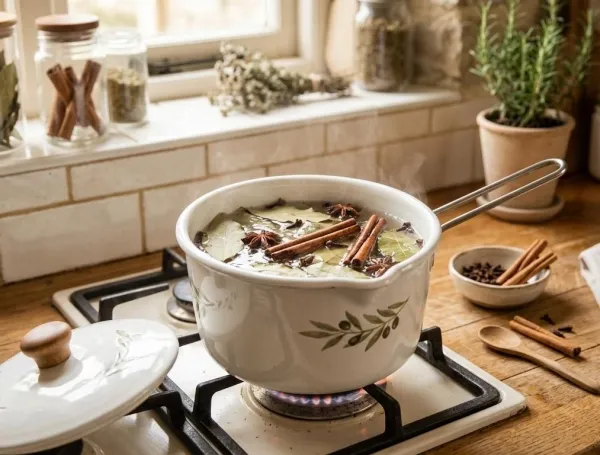
In the digital age, traditional domestic rituals experienced a massive resurgence, propelled by social media platforms, lifestyle blogs, and digital curation. The "laurel in water" ritual transitioned from localized folklore into a viral lifestyle trend. Promoted as an accessible, low-cost method for self-care and environmental enhancement, millions of individuals worldwide began sharing variations of the practice online, cementing its place in modern domestic routines.
Supporting Data: Understanding the Practice and Maintenance
While the ritual is steeped in symbolism rather than empirical science, practitioners and lifestyle experts emphasize adherence to specific preparation and maintenance guidelines to ensure both aesthetic appeal and household hygiene.
Step-by-Step Preparation Protocol
Executing the practice requires minimal resources, making it accessible to anyone regardless of budget or interior design expertise:
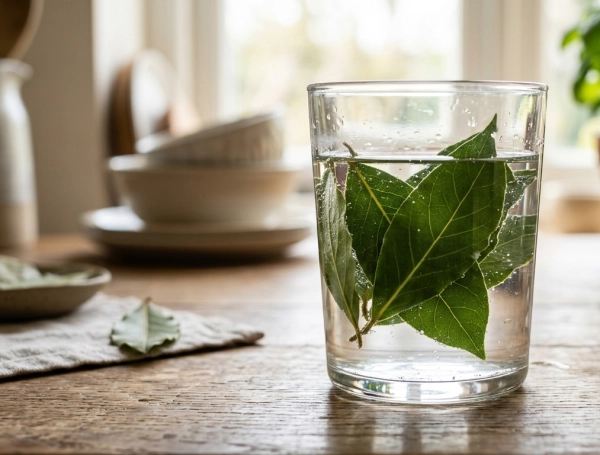
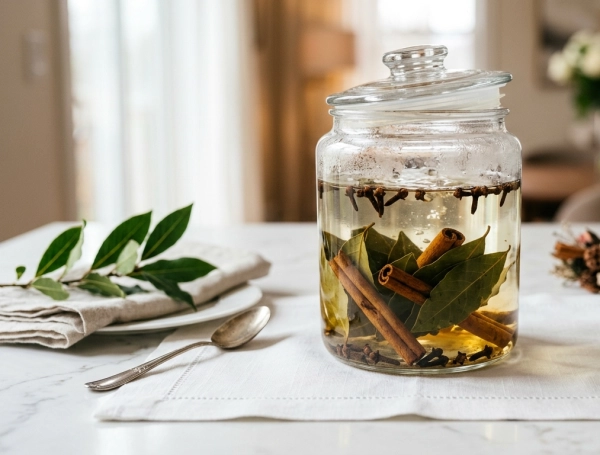
- Vessel Selection: Choose a clear glass or crystal container. Transparency is traditionally emphasized to allow light to pass through the water and observe the condition of the leaf.
- Water Quality: Fill the container with clean, fresh water—preferably filtered or spring water, though standard tap water is frequently used.
- Leaf Selection: Select a healthy, whole, and unblemished bay laurel leaf. Fresh leaves are often preferred for their natural oils and subtle aroma, though dried leaves are also utilized depending on availability.
- Placement: Gently submerge the leaf in the water. While various popular beliefs suggest specific placements (such as near the entrance of the home to filter incoming energy, or in the workspace to encourage focus and prosperity), there is no strict mandate; the location is ultimately determined by the personal preference and convenience of the household inhabitants.
Hygiene and Maintenance Guidelines
Because stagnant water can quickly become a breeding ground for bacteria, mold, or insects, strict upkeep is required to maintain a healthy home environment:

- Water Renewal: It is strongly recommended to change the water in the container every two to three days to maintain absolute clarity and prevent stagnation.
- Leaf Replacement: The laurel leaf must be inspected regularly. The moment the leaf exhibits signs of decay, discoloration, loss of structural integrity, or tearing, it should be removed and replaced with a fresh specimen.
- Disposal: Traditionally, used leaves are returned to nature—either buried in the soil of a potted plant or garden, or safely composted—symbolizing the completion of a cycle.
Official Responses and Expert Perspectives
Because the practice belongs firmly to the realm of domestic folk traditions, lifestyle curation, and symbolic mindfulness rather than medicine or formal science, there are no official regulatory or scientific endorsements regarding its metaphysical efficacy. However, psychologists, interior designers, and cultural historians have offered valuable insights into why such rituals maintain enduring popularity in modern society.
Psychological and Mindful Perspectives
Mental health professionals and behavioral specialists note that engaging in small, deliberate daily or weekly rituals can yield significant psychological benefits.
- Routine and Control: In an increasingly fast-paced and unpredictable world, maintaining a clean, orderly home environment provides individuals with a tangible sense of control and sanctuary.
- Mindfulness Anchors: Simple acts—such as changing the water in a glass or selecting a fresh leaf—serve as physical anchors for mindfulness. They prompt individuals to pause, reflect on their personal goals, and consciously transition from the stress of the outside world into the relaxation of the home.
Interior Design and Sensory Integration
Interior designers often highlight the value of incorporating natural elements into living spaces, a concept closely aligned with biophilic design.
- Biophilic Connection: Introducing natural textures, plants, and water features into interior spaces has been consistently shown to reduce stress levels, improve mood, and foster a deeper connection to nature.
- Subtle Aromatherapy: The mild, earthy scent released by fresh laurel leaves provides a subtle form of natural ambient fragrance, avoiding the synthetic compounds often found in commercial room sprays and plug-in deodorizers.
Implications: The Broader Impact on Domestic Well-Being
The widespread adoption of rituals like the laurel leaf and water vessel speaks to a broader cultural shift: a growing desire to imbue everyday domestic spaces with meaning, intention, and emotional comfort.
The Shift Toward Intentional Living
In contemporary culture, the home is no longer viewed merely as a shelter or a storage space for possessions; it has been elevated to a holistic sanctuary for mental, emotional, and spiritual restoration. Practices that combine natural elements with intentional routines allow individuals to actively participate in shaping the energy and atmosphere of their living quarters.
Redefining Self-Care Through Micro-Habits
The trend also reflects a democratization of wellness. Expensive spa treatments, elaborate renovations, and complex wellness regimens are often out of reach for many. In contrast, utilizing readily available botanical and household items—such as a simple leaf and a glass of water—makes the cultivation of mindfulness and domestic harmony accessible to all socio-economic groups.

Bridging the Gap Between Past and Present
Ultimately, the enduring appeal of the laurel and water ritual demonstrates humanity’s persistent need for continuity with the past. By reinterpreting ancient symbols of victory, protection, and renewal for the modern household, individuals continue a millennia-old tradition of seeking harmony, beauty, and hope within the four walls of their homes. Whether viewed as an exercise in mindful organization, an aesthetic interior design choice, or a meaningful connection to ancient heritage, the practice remains a quiet testament to the power of human intention.