By Edwin Caicedo | Environmental and Health Journalist
Updated: September 7, 2026
Main Facts: The Culinary Physics Behind the Beer Batter
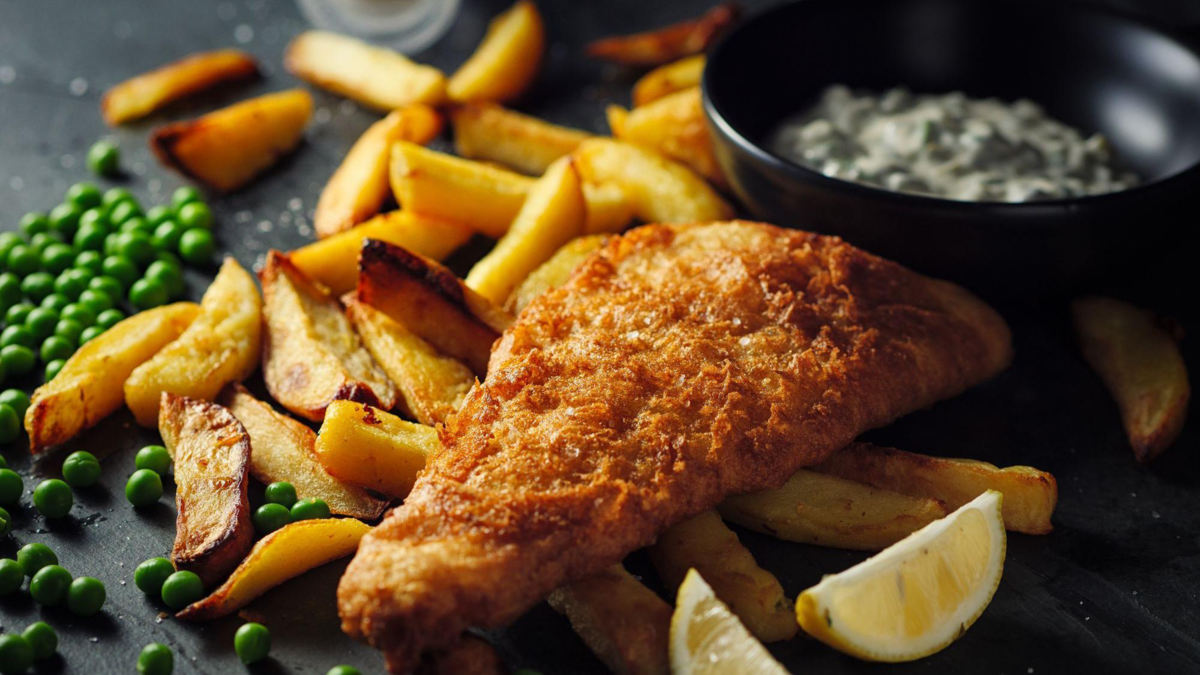
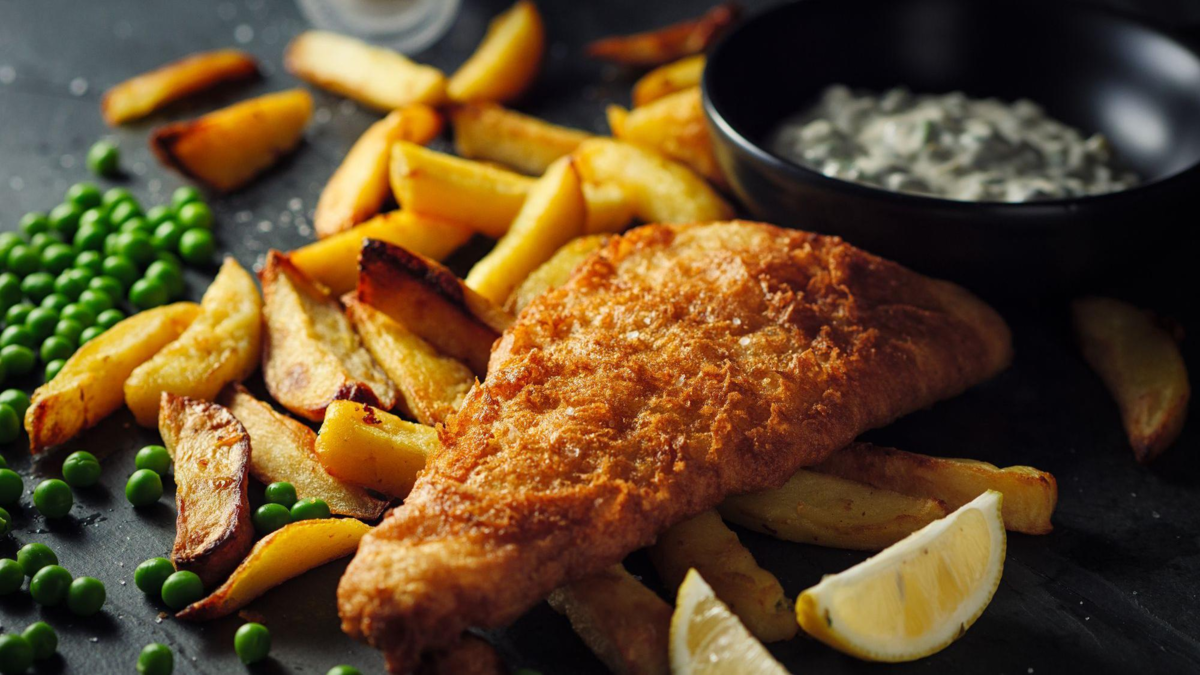
For anyone striving to achieve the ultimate fried fish or crispy vegetable tempura—one characterized by an airy, golden crust rather than a heavy, grease-soaked blanket—a surprisingly unconventional kitchen ally has stepped into the spotlight: beer. Long dismissed as a mere old-wives’ tale or a rustic shortcut used in home kitchens, modern culinary science has officially validated the practice. Replacing a portion of the water and flour in a standard batter with beer measurably alters the molecular structure of the coating, transforming a heavy breading into a delicate, lace-like shell.
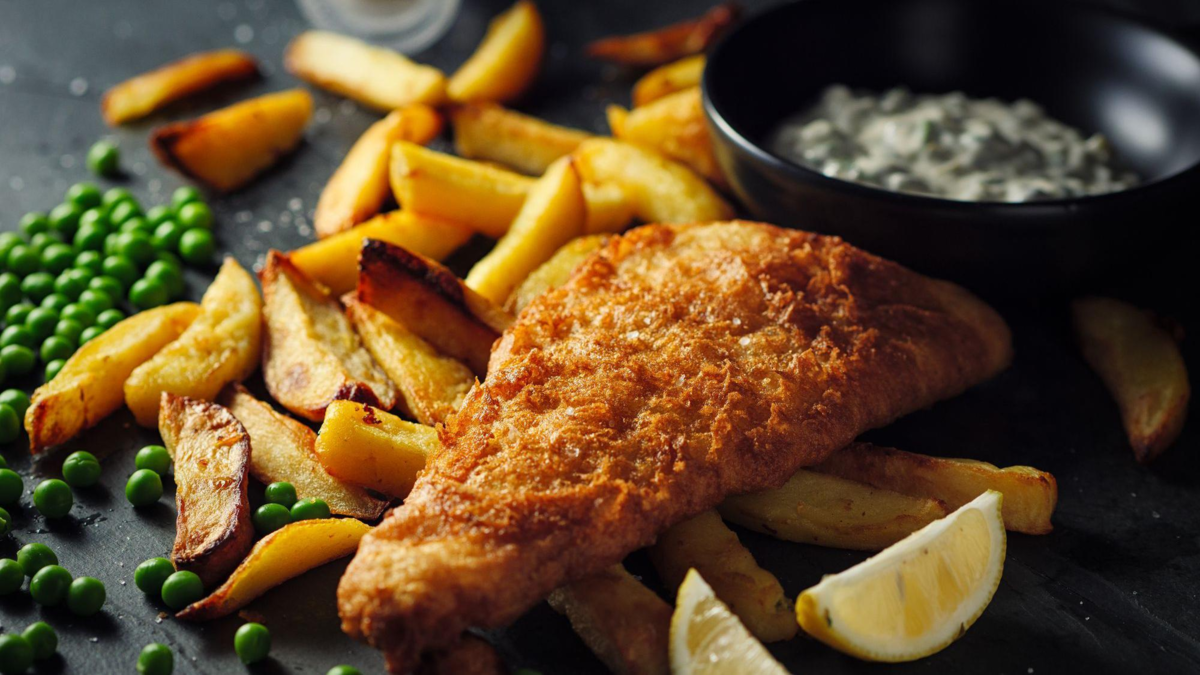
According to research highlighted by publications like Scientific American and tested extensively in professional test kitchens, the magic lies in a dynamic combination of physics and chemistry. When a beer-based batter hits hot cooking oil, the solubility of the carbon dioxide ($textCO_2$) gas dissolved within the beverage plummets dramatically. This sudden release causes microscopic bubbles to violently expand and escape through the batter. As these bubbles push their way out, they create an intricate, porous network of pockets, yielding a remarkably light texture reminiscent of fine lace.
Furthermore, culinary laboratories point out that beer delivers a triple-threat of beneficial elements simultaneously: carbon dioxide for aeration, specialized foaming agents to stabilize the rising bubbles, and alcohol to accelerate evaporation. Together, these components revolutionize how a batter behaves under extreme heat.

Chronology: From Tavern Tradition to Laboratory Validation
While home cooks and traditional fish-and-chip shops have relied on beer batters for generations, the formal recognition and breakdown of why the method works has evolved through distinct phases of culinary history:
- The Pre-Scientific Era (Mid-20th Century and Earlier): Traditional pub chefs—particularly across the British Isles and parts of Europe—discovered intuitively that adding flat or cold ales to flour created a superior batter for seafood. It was treated as lore, passed down orally through kitchen apprenticeships without any formal documentation of the underlying science.
- The Rise of Experimental Gastronomy (Early 2000s): With the advent of molecular gastronomy and science-backed cooking platforms, food scientists began analyzing the fluid dynamics of frying. Organizations like America’s Test Kitchen and ChefSteps started isolating variables in batter compositions, comparing plain water, sparkling water, and various fermented beverages.
- Empirical Confirmation (Present Day): Modern culinary science has fully mapped out the exact pH levels, gluten-formation inhibitors, and thermodynamic properties of alcohol evaporation. Today, high-end culinary schools and food science journals routinely teach beer batter mechanics as a masterclass in applied physics.
Supporting Data: What the Experiments Reveal
To separate culinary myth from measurable reality, researchers and food technicians have conducted rigorous comparative tests. The results offer compelling insights into the specific roles played by carbonation, alcohol, and acidity.

1. The Power of Bubbles (Carbonation vs. Alcohol)
A common misconception among amateur cooks is that the alcohol content in beer is the primary driver behind the crispiness. To test this hypothesis, America’s Test Kitchen executed a controlled experiment: they fried identical pieces of fish using batters formulated with regular beer, alcohol-free beer, carbonated club soda, and plain tap water.
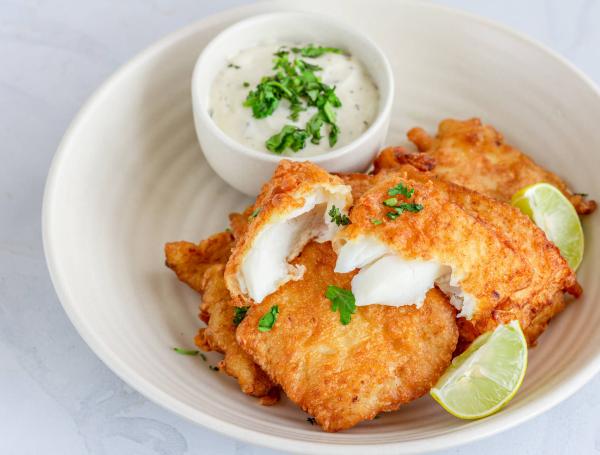
The results were definitive. Every single batter utilizing a carbonated liquid produced a noticeably lighter, more lace-like crust than the plain water mixture. The presence of alcohol was found to be secondary; the true protagonist of the crunch is the physical expansion of gas bubbles.
2. The Science of Gluten Suppression
Another crucial factor identified by food scientists is acidity and its relationship with gluten development. Gluten—the protein network formed when wheat flour mixes with water—gives bread its chewy, elastic structure. However, in fried batters, excessive chewiness is undesirable; a brittle, shatteringly crisp exterior is the goal.
Gluten forms most rapidly and strongly in neutral environments, specifically within a pH range of 5 to 6. Most commercial beers, however, possess a slightly acidic pH hovering around 4. When introduced to the flour mixture, this elevated acidity naturally inhibits the rapid cross-linking of gluten proteins. The resulting batter is more tender, less rubbery, and far more prone to yielding a delicate crunch when exposed to hot oil.
3. The Thermodynamic Role of Alcohol
While carbonation does the heavy lifting in terms of texturizing, alcohol performs an invaluable supporting role. Specialized cooking platforms like ChefSteps—frequently utilized by professional chefs for precision cooking—note that ethanol evaporates at a significantly lower temperature and faster rate than water.
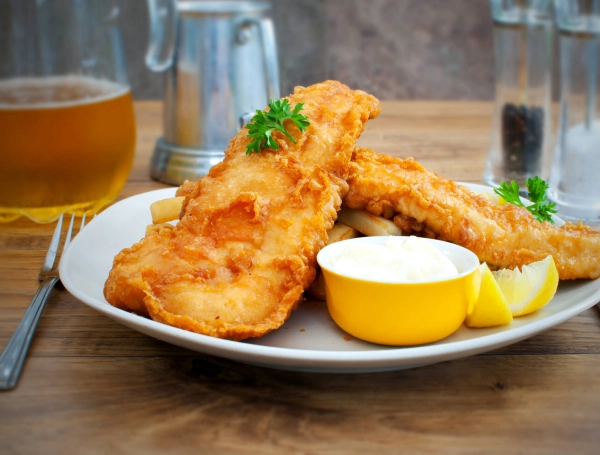
When a beer-battered food item hits the fryer, the alcohol flashes off almost immediately. This rapid evaporation forces the moisture out of the outer crust at an accelerated pace, drying out the shell much faster. Consequently, the interior protein (such as a delicate fillet of white fish) cooks gently without risking overexposure to heat, keeping the inside remarkably juicy while the outside achieves a deep, golden-brown crunch.

Official Responses and Expert Recommendations
Top-tier culinary researchers and institutional test kitchens emphasize that while beer is a transformative ingredient, it must be handled correctly to maximize its potential. Professional chefs and food scientists recommend adhering to several core principles when implementing this technique at home:
- Keep it Ice-Cold: Temperature differential is critical in frying. Using a well-chilled, refrigerator-cold beer creates a wider thermal gap when the batter hits the hot oil. This sudden temperature shock intensifies the expansion of gas bubbles, resulting in an even lighter crust.
- Do Not Overmix: Because beer limits gluten development, over-stirring the batter can counteract this benefit. Whisk the dry ingredients and the liquid just until combined; a few lumps remaining in the bowl are actually desirable.
- Choose Your Brew Wisely: While standard lagers and pilsners are the traditional choice due to their neutral flavor profile and high carbonation, heavier ales or stouts can impart rich, complex notes to the final crust—provided they are adequately carbonated.
Implications: Elevating Everyday Cooking Through Science
The widespread acceptance of beer-batter mechanics highlights a broader trend in modern gastronomy: the fusion of traditional culinary arts with hard science. For home cooks and professional chefs alike, understanding the why behind a technique transforms cooking from a game of guesswork into a precise, repeatable craft.

By appreciating the chemical interplay between carbonation, acidity, and thermal dynamics, anyone can elevate a simple weeknight fish fry into a masterclass of texture. The next time you prepare a batch of battered seafood or vegetables, remember that reaching for that chilled can of beer isn’t just a nod to pub culture—it is a scientifically proven pathway to culinary perfection.