By: Judicial Desk | November 8, 2026
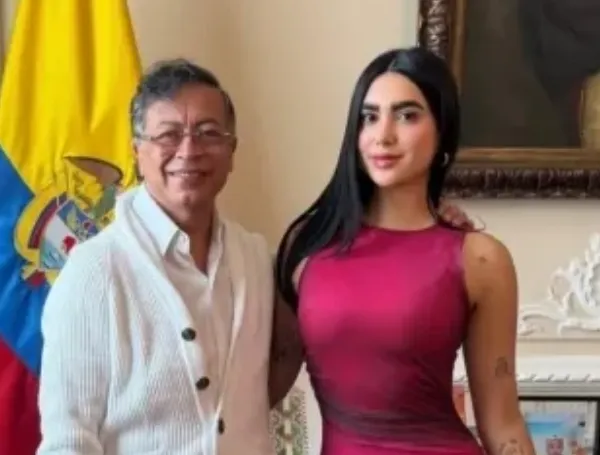
In a significant legal development that underscores the tension between public accountability and the protection of reputation, the 34th Civil Court of Bogotá has issued a ruling that denies a petition filed by Gabriela Muñoz. Muñoz, a prominent figure previously linked to activism and government influence during the administration of former President Gustavo Petro, had sought a court-ordered retraction from Angie Rodríguez, the former director of the Administrative Department of the Presidency (DAPRE).
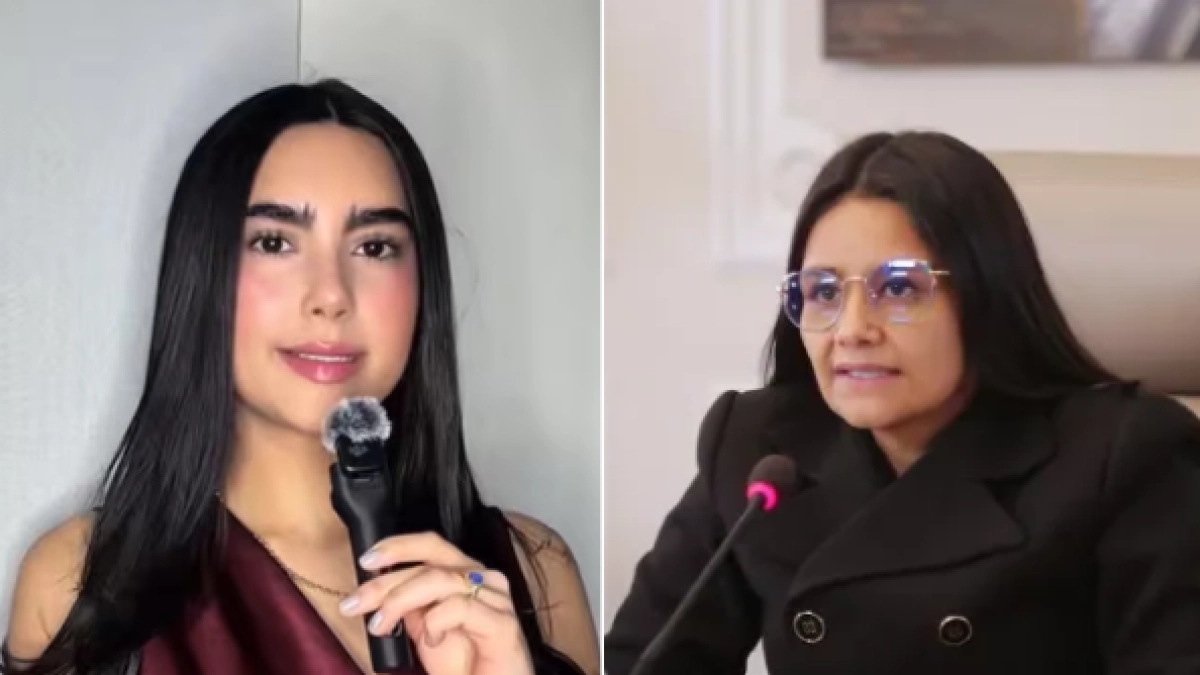
The legal dispute centers on allegations made by Rodríguez regarding Muñoz’s purported undue influence within the Civil Aeronautics Authority (Aerocivil). The court’s decision to declare the tutela (an action for the protection of fundamental rights) unfounded serves as a pivotal moment in the ongoing investigations into alleged irregularities within the Petro administration.
The Core of the Judicial Ruling
The presiding judge, María del Pilar Arango, issued a clear message regarding the threshold for public criticism against individuals associated with government operations. In the written ruling, the court emphasized that public officials and those exercising de facto influence within state entities are subject to a higher degree of public scrutiny.

"The claimant must remember that public servants are subject to various forms of oversight, including political control, which can be exercised by any citizen," the ruling states. "In the exercise of such control, criticisms regarding the conduct of said officials may be presented, even if judicial proceedings are underway. Such criticism does not, ipso facto, trigger the protection of the fundamental rights invoked."
By dismissing the request for a retraction, the court has effectively upheld the right of citizens to voice concerns or allegations regarding the conduct of those involved in public management, provided such commentary falls within the scope of public interest.

Chronology of the Conflict: From Allegations to Litigation
To understand the weight of this judicial decision, it is essential to trace the trajectory of the conflict between Gabriela Muñoz and Angie Rodríguez.
1. The Initial Accusations (Mid-2026)
The rift became public when Angie Rodríguez, during an interview with Noticias RCN, directly linked Gabriela Muñoz to administrative irregularities. Rodríguez alleged that Muñoz had exerted unauthorized control over the Aeronáutica Civil. "It is not just Juliana Guerrero; there is, for example, a lady named Gabriela, who at the time managed the Civil Aeronautics at her whim," Rodríguez stated during the broadcast.

2. The Legal Counteroffensive
Following these remarks, Gabriela Muñoz categorically rejected the claims. Labeling them as defamatory, she initiated a legal battle, filing a tutela action claiming that her fundamental rights to honor and good name had been violated. She demanded that Rodríguez retract her statements publicly.
3. The Judicial Process
The case progressed through the Colombian judicial system throughout the latter half of 2026. The 34th Civil Court of Bogotá was tasked with determining whether Rodríguez’s statements crossed the line from protected political speech into unlawful defamation.

4. The Ruling (November 2026)
On November 8, 2026, the court ruled in favor of maintaining the status quo, effectively allowing Rodríguez’s statements to stand without the requirement of a retraction. The court noted that because there are ongoing investigations in various state entities into the veracity of these claims, the judicial system is already the proper venue for determining the facts, rather than a summary tutela proceeding.
The Broader Context: Investigations into the Petro Administration
The legal clash between Muñoz and Rodríguez is merely one thread in a much larger tapestry of investigations currently surrounding the former government of Gustavo Petro. The accusations regarding "contracts for favors" and irregular influence peddling have become a central focus for judicial authorities in Colombia.
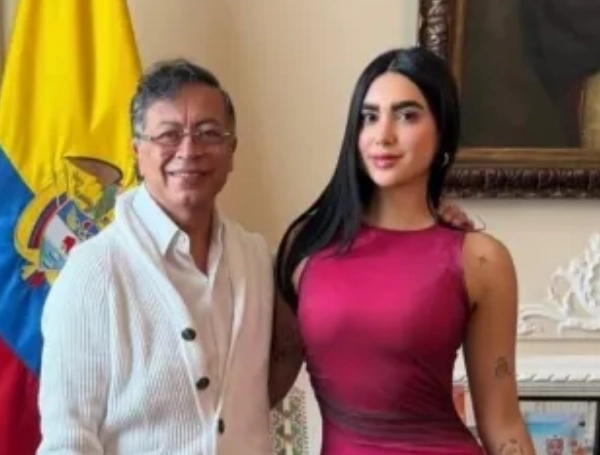
Recent reports indicate that Angie Rodríguez herself has been at the center of internal turmoil. For instance, in early November 2026, her lead attorney, Manuel Villanueva, resigned from her defense team. While the exact reasons for the resignation remain subject to speculation, it reflects the high-stakes and volatile nature of the cases currently moving through the Colombian legal system.
Furthermore, the accusations involving Gabriela Muñoz are intertwined with broader claims of patronage and influence peddling within the state bureaucracy. The judiciary is currently evaluating testimony, digital evidence—including chat logs allegedly involving the former president—and administrative records to determine the extent of the alleged corruption.

Legal Implications and the Role of the Constitutional Court
The ruling by the 34th Civil Court is not necessarily the final word on the matter. In the Colombian legal system, the Constitutional Court holds the discretionary power to select tutela cases for review if it deems they involve significant constitutional questions or matters of legal precedent.
Why the Constitutional Court May Intervene:
- Freedom of Expression vs. Right to Reputation: The high court frequently reviews cases that test the limits of what a citizen can say about public figures, balancing Article 20 (freedom of expression) against Article 21 (right to honor).
- Public Interest: Given that the allegations touch upon the integrity of state institutions like the Aerocivil, the court may view this as a matter of national importance.
- Precedent Setting: A potential review could clarify how the judiciary should handle allegations of "influence peddling" in the age of social media, where accusations are often made in interviews before they are proven in court.
Analysis: The Burden of Public Life
The outcome of this case serves as a stark reminder of the complexities inherent in public life. For individuals who operate within the orbit of government—whether as formal employees, political appointees, or influential activists—the expectation of privacy and the protection of reputation are significantly diminished.

Legal experts have noted that the court’s focus on the "political control" aspect is significant. By categorizing Rodríguez’s comments as a form of citizen oversight, the court is reinforcing the principle that transparency in government is a collective responsibility. However, the ruling also places a heavy burden on those being accused: they must now navigate the formal judicial system to clear their names, rather than relying on expedited constitutional remedies like the tutela.
The Road Ahead
As the investigations into the Aerocivil and other state entities continue, the public will likely see more legal battles of this nature. The tension between the desire to expose corruption and the legal risks of making unproven allegations will remain a central theme of the Colombian political landscape.

For Gabriela Muñoz, the path forward involves continuing to challenge the substantive claims in the appropriate administrative and criminal forums, as the tutela path has effectively closed for now. For Angie Rodríguez, the challenge will be to sustain her allegations under the rigors of formal judicial evidence gathering, as her claims are now a matter of public record and subject to intense scrutiny.
Ultimately, the resolution of these conflicts rests in the hands of the prosecutors and the higher courts. As the nation watches, the judiciary faces the difficult task of separating political rhetoric from verifiable criminal conduct, ensuring that justice is served without stifling the essential public discourse that keeps a democracy accountable.

Stay Informed
The situation remains fluid. For ongoing coverage of these judicial proceedings and further developments regarding the investigations into the former government, readers are encouraged to consult our daily updates on the El Tiempo Justice section, or subscribe to our newsletter for deep-dive analysis into the legal challenges facing the country.
Reported by Carlos López, Judicial Correspondent.