By Justice Desk, The Times (EL TIEMPO)
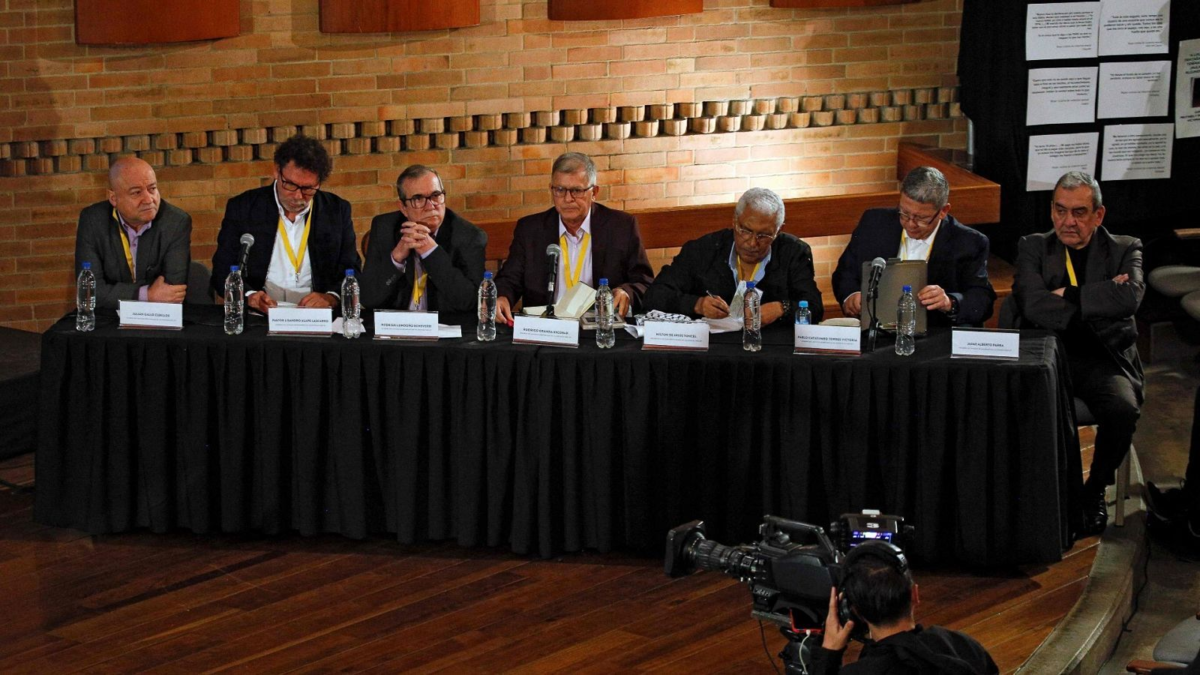
In a landmark decision that marks a definitive turning point for the Colombian transitional justice system, the Special Jurisdiction for Peace (JEP) has formally activated the execution of the restorative sanctions imposed on Rodrigo Londoño, known as "Timochenko," and five other members of the former FARC Secretariat. This move signifies the transition from judicial proceedings to the practical, physical fulfillment of the sentences handed down for the systematic crime of kidnapping.
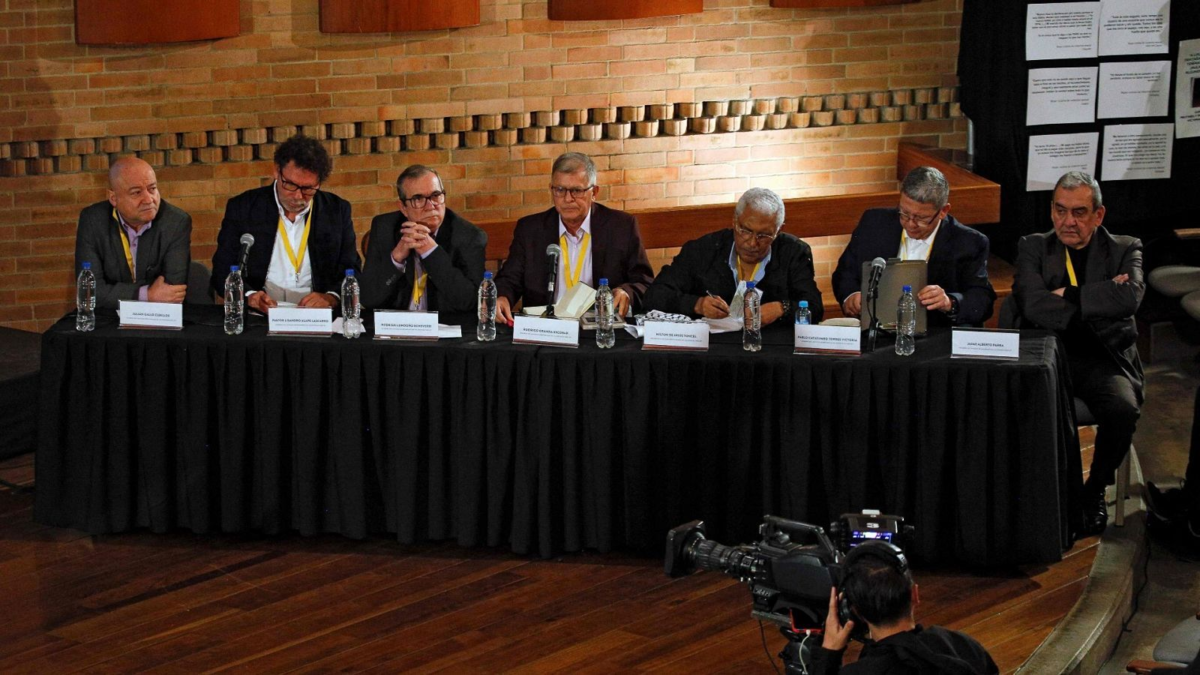
Under the new mandate, these high-ranking former commanders will not face traditional prison time. Instead, they are subject to "Restorative Sanctions"—a model designed to prioritize the repair of victims and the reconstruction of the social fabric over retributive incarceration. However, this freedom comes with strict, court-mandated limitations, including the constant use of electronic tracking devices and an absolute prohibition on international travel.
The First Milestone: Excavations in Pitalito, Huila
The JEP has confirmed that the initial phase of these restorative projects will take place in the municipality of Pitalito, Huila. Beginning between September 21 and September 30, a delegation consisting of Rodrigo Londoño, Rodrigo Granda, Pastor Alape, Jaime Alberto Parra, and Milton de Jesús Toncel will participate in a search mission for missing persons at the San Antonio de Padua cemetery.

This project is not merely symbolic; it is a high-stakes humanitarian effort conducted under the technical supervision of the Unit for the Search of Persons Given as Disappeared (UBPD). The site holds the remains of 27 accredited victims of the JEP’s "Macro-case 01" (kidnapping) and "Macro-case 10" (crimes against humanity).
The former commanders will be tasked with physical labor, including site preparation, manual excavation, and soil sifting to assist forensic experts. Crucially, the JEP has clarified that these individuals will have no authority over forensic decision-making; their role is strictly limited to restorative labor. Meanwhile, the other two members of the former Secretariat, Pablo Catatumbo and Julián Gallo, will simultaneously launch memory and reconciliation activities in Bogotá.
Strict Supervision and Operational Constraints
The JEP’s order is characterized by a rigorous regulatory framework designed to ensure that the "restorative" nature of the punishment does not equate to a lack of oversight. The conditions of the sanction include:
- Fixed Residence: Each participant must remain in their assigned territorial base. Changes of address require express judicial authorization, which will only be granted if the new location aligns with the restorative project in progress.
- Mandatory Schedule: Participants must adhere to a strict workday, Monday through Friday, from 8:00 a.m. to 5:00 p.m. This schedule is dedicated entirely to reparative activities.
- Electronic Monitoring: All seven individuals are required to wear electronic tracking devices 24 hours a day, providing the JEP with continuous, real-time oversight of their movements.
- Geographic Restrictions: Movement outside of the department assigned for their specific project is strictly forbidden without prior permission from the JEP’s Recognition of Truth and Responsibility Section.
The JEP has noted that while these schedules may be adjusted for operational or justified personal reasons, the core restorative obligation remains immutable. Any failure to comply with these restrictions could lead to the revocation of the sanction’s benefits.
Chronology of a Complex Legal Process
The initiation of these sanctions faced significant logistical and legal delays, though the JEP has maintained that the integrity of the sentences remains intact. The process was originally scheduled to commence on August 15; however, pending motions for clarification regarding the second-instance sentencing forced a postponement.
The legal hurdles were officially resolved on August 24. The JEP characterized this brief delay as an event of force majeure, adjusting the internal calendar to accommodate the timeline without reducing a single day from the total sentence length. The following table illustrates the remaining time to be served by each leader:

| Former Leader | Remaining Duration of Sanction |
|---|---|
| Rodrigo Londoño Echeverri | 8 years |
| Pablo Catatumbo Torres Victoria | 8 years |
| Jaime Alberto Parra Rodríguez | 7 years, 10 months, 2 days |
| Milton de Jesús Toncel Redondo | 7 years, 8 months, 25 days |
| Pastor Lisandro Alape Lascarro | 6 years, 11 months, 22 days |
| Julián Gallo Cubillos | 6 years |
| Rodrigo Granda Escobar | 5 years |
Institutional Responsibilities and State Obligation
The implementation of these sanctions requires a coordinated effort across various state entities. The JEP has outlined specific mandates for the government to ensure the process remains viable and transparent:
- Agency for Reincorporation (ARN): Responsible for the basic logistics of the sanctioned individuals, including housing, food, and healthcare.
- Ministry of Defense: Tasked with designing and maintaining a comprehensive security protocol for the sites where restorative labor is performed, specifically for the sensitive operation in Pitalito. They must provide quarterly reports to the JEP.
- Medicina Legal (Forensic Services): Granted a 20-day window to conduct thorough medical and psychological assessments of all participants.
- JEP Executive Secretariat: Must deliver detailed protocols and progress plans within a 30-to-90-day window, followed by mandatory semi-annual performance reports.
The Procuraduría (Inspector General) and the Contraloría (Comptroller General) have been designated as the primary oversight bodies. Their mandate is to ensure that these activities translate into tangible results, with the JEP emphasizing that any failure to deliver on these promises would not only betray the victims but also compromise the international standing and legal responsibility of the Colombian State.

Victim-Centered Participation
A foundational principle of the JEP’s restorative model is the active participation of victims. The court has established a mandatory consultation process: the Executive Secretariat must provide a finalized list of accredited victims for each zone within ten business days.
Following this, the victims’ representatives have a 15-day window to formally state their expectations and requirements regarding how the restorative work should be conducted in their specific regions. This ensures that the labor is not just a perfunctory task for the former commanders, but a process responsive to the specific needs and desires of those who suffered the most during the conflict.

Implications for the Future of Peace in Colombia
The initiation of these sanctions marks the most significant test to date for the Colombian transitional justice model. By forcing the highest echelon of the former FARC leadership to engage in the physical search for the missing and participate in acts of public reparation, the JEP is attempting to bridge the gap between abstract justice and concrete reconciliation.
Legal experts view this as a high-stakes experiment. If successful, the Pitalito project and the subsequent 78 planned activities could serve as a global benchmark for post-conflict justice. However, the system faces immense pressure from various sectors of society. Critics argue that the sanctions are too lenient, while proponents argue that they are the only viable path to uncovering the truth about the thousands of citizens who were kidnapped and disappeared during the decades-long conflict.

The decision is final and non-appealable. As the former Secretariat prepares to pick up shovels in Huila, the eyes of the nation—and the international community—remain fixed on whether this process will truly lead to the truth, justice, and reparation that Colombia has sought since the 2016 Peace Agreement. The coming months will be decisive; the success of this phase will determine whether the "Restorative Sanction" is a mere euphemism or a genuine pathway to national healing.