The landscape of men’s fashion is undergoing a tectonic shift. Recent runways in Paris have signaled more than just seasonal trends; they have unveiled a fundamental transformation in how society perceives, designs, and consumes masculine attire. By dismantling the rigid, age-old boundaries between traditional menswear and womenswear, the industry is ushering in an era defined by fluidity, experimentation, and personal identity.
The Paradigm Shift: From Tradition to Fluidity
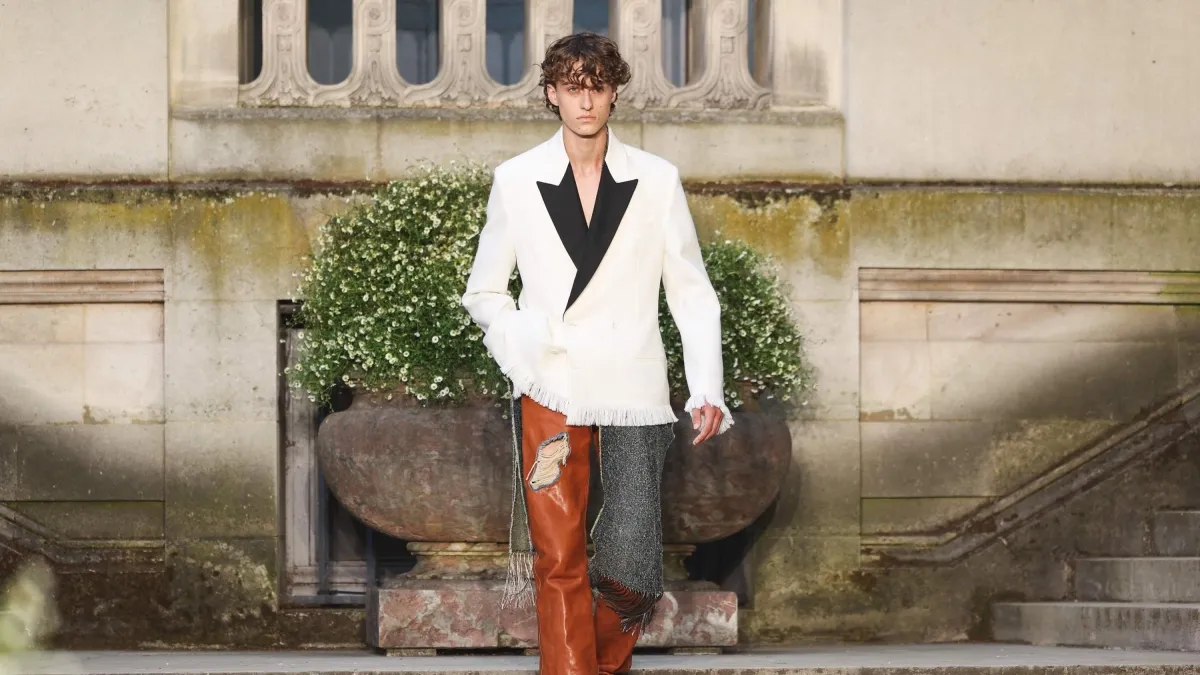
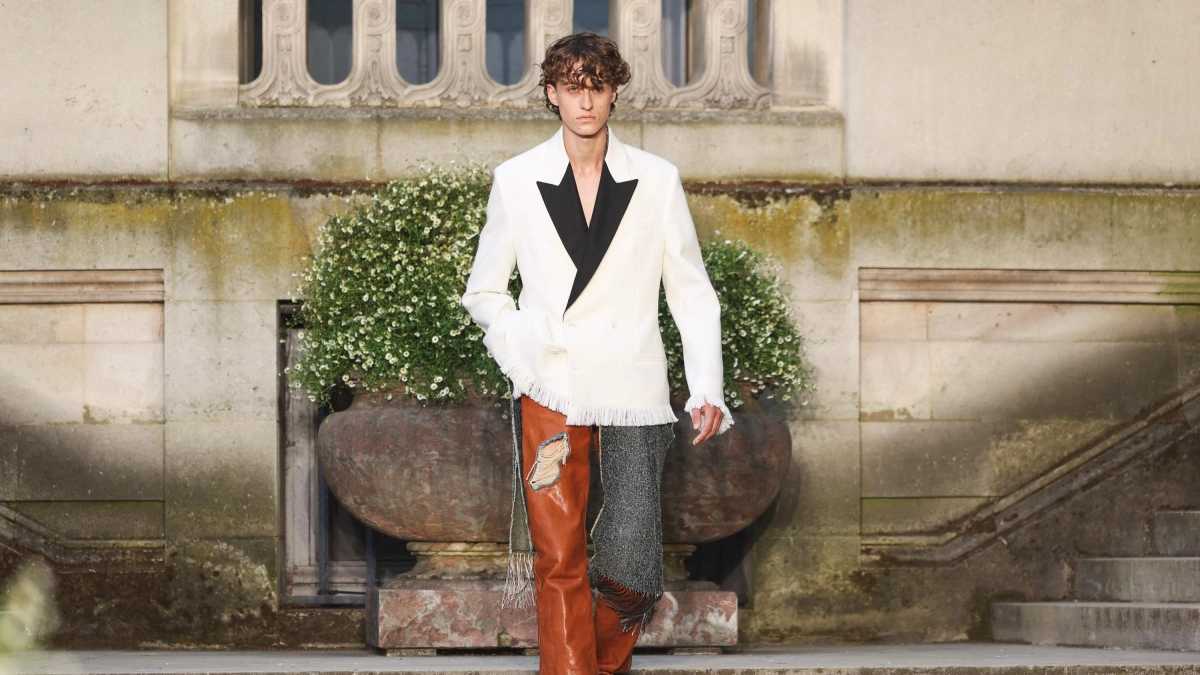
The most recent Paris Men’s Fashion Week served as the epicenter of this stylistic revolution. Designers showcased collections that moved away from the austere, structured tailoring of the past, opting instead for silhouettes that celebrate grace and sensual expression. Transparency, delicate silks, satins, and subtle nods to lingerie-inspired aesthetics dominated the runways, challenging the conventional uniformity of the standard men’s suit.
Patrick Clark, fashion editor for GQ France, notes that this evolution is not merely an aesthetic choice but a necessary reinvention. "This edition was a definitive opportunity to reimagine masculinity," Clark explains. "By introducing more fluid and tactile materials, designers are stripping away the archaic constraints of what a man ‘should’ wear, allowing for a broader spectrum of creativity."
While the industry experiments with ethereal fabrics, heavy-duty materials like leather remain a constant pillar of luxury fashion. Houses such as Givenchy and Louis Vuitton continue to utilize leather to anchor these new, experimental silhouettes, proving that the modern man’s wardrobe is as much about juxtaposition as it is about innovation.

A Chronology of Change: How We Got Here
The journey toward this "fluidity" did not happen overnight. It is the result of a slow, deliberate erosion of gendered fashion norms that began in the early 21st century and accelerated with the rise of digital connectivity.
- The Early 2010s: The emergence of "unisex" or "gender-neutral" labels began to surface in boutique markets, challenging the binary division of department stores.
- The Mid-2010s: The rise of social media influencers and high-profile celebrities began to blur lines. Red carpet appearances by avant-garde stars started to normalize the use of accessories and non-traditional fabrics for men.
- 2020-2024: The global pandemic acted as a catalyst for a "comfort-first" approach, where the obsession with rigid dress codes plummeted, leading to a focus on personal expression over corporate conformity.
- 2025-2026: The current era marks the mainstreaming of these concepts. Fashion houses are no longer just "daring" to be different; they are responding to a market that demands authenticity. The recent Paris runways are simply the most visible manifestation of this cultural maturation.
Supporting Data: The Power of the Accessory
Accessories have become the silent ambassadors of this movement. They offer an entry point for consumers who might find avant-garde clothing intimidating but wish to participate in the stylistic evolution.
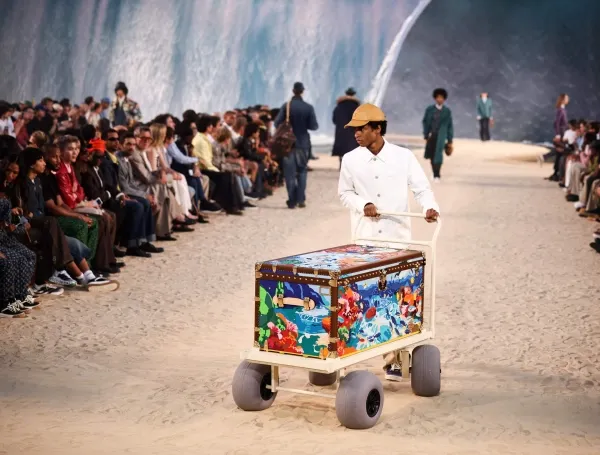
Data from the luxury sector indicates a massive surge in men’s accessory sales—specifically handbags and jewelry. The cultural impact of figures like Erling Haaland, who went viral for his extensive Hermès collection, and Jacob Elordi, who cemented his status as a fashion icon through his association with Bottega Veneta, cannot be overstated. These figures have normalized the "it-bag" as a functional and essential element of a man’s daily ensemble.
According to market analysts, the demand for men’s luxury jewelry—ranging from layered necklaces to expressive rings—has seen a double-digit growth rate over the last three years. This indicates that the modern consumer views these pieces as essential tools for self-branding rather than mere decorative add-ons.
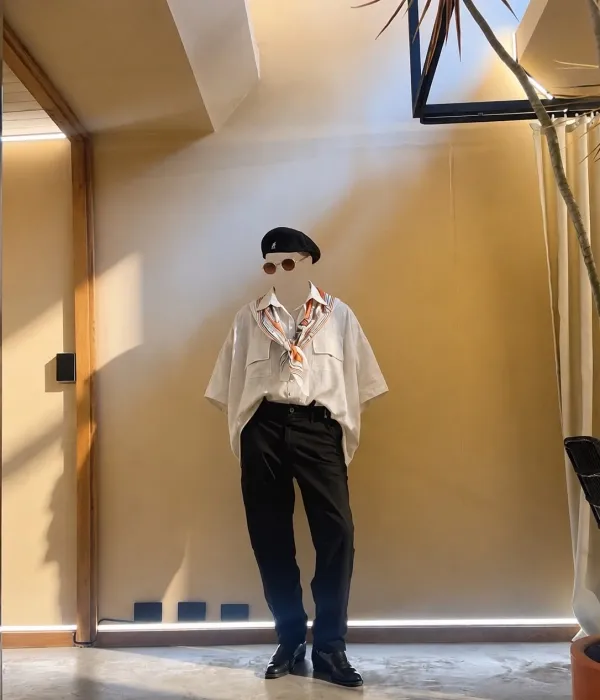
Official Perspectives: The Expert View
Juan Miclott, designer and director of the label Miclott, emphasizes that fashion is essentially cyclical, but our relationship with it has undergone a permanent change.
"The elements we see today—transparencies, jewelry, oversized silhouettes—have always existed in the history of dress," Miclott explains. "What has truly changed is the cultural openness. We are no longer governed by the same pressures to respond to rigid codes of power or hierarchy. Today, clothing is a tool for personal recognition."

Miclott argues that the shift is largely driven by younger generations who view clothing as a mirror of their internal reality. "This openness allows people to approach fashion from a place of curiosity rather than prejudice. When a man wears a piece that might have been labeled ‘feminine’ a decade ago, he is doing so with an intent of authenticity, not necessarily a desire to challenge the status quo, but rather to exist within his own skin."
Implications for the Future: A Conscious Consumer
The implications of this shift extend far beyond the runway. The modern consumer is more educated and discerning than ever before. This new archetype of shopper does not just look for a label; they seek longevity, quality, and a story behind the brand.

Sustainability and Versatility
The move toward "fluid" fashion often aligns with the principles of sustainability. Because these garments are designed to be more versatile and less tied to specific "occasions," they encourage a wardrobe that is meant to last. A silk shirt or a leather bag is no longer a one-time wear for a formal event; it is a staple piece that adapts to different contexts.
The Challenge for Brands
For designers and fashion houses, the challenge lies in balance. Miclott notes that the future of the industry depends on the ability to bridge the gap between high-concept art and everyday functionality.

"The goal is to create pieces that invite exploration," Miclott says. "Designers must focus on creating garments that make the wearer feel secure in their identity. When a man looks in the mirror and sees a reflection that aligns with his personal values and aesthetic, the garment has succeeded. That, to me, is the future of fashion."
Conclusion: Redefining the Masculine Narrative
We are witnessing the death of the "one-size-fits-all" masculine identity. As cultural platforms continue to foster open, authentic, and diverse conversations about what it means to be a man, the fashion industry has become the primary laboratory for this exploration.

The integration of new silhouettes, the normalization of high-end accessories, and the prioritization of personal identity over traditional validation are not merely trends. They represent a fundamental realignment of fashion as a form of human expression. As we look toward future seasons, the focus will likely remain on the individual, proving that the most powerful accessory a person can wear is the confidence to define their own style, regardless of where the boundaries were once drawn.