By Global News Desk
Published: September 20, 2026
Main Facts
In a landmark legal decision that deals a severe blow to the operational liability defenses of ridesharing giants, an independent arbitration panel has ordered Uber to pay $40 million in damages to the grieving parents of Emily Normandin-Parker. Normandin-Parker, a 23-year-old recent graduate of the University of California, Los Angeles (UCLA), tragically lost her life after being struck by a vehicle on a high-speed California highway.
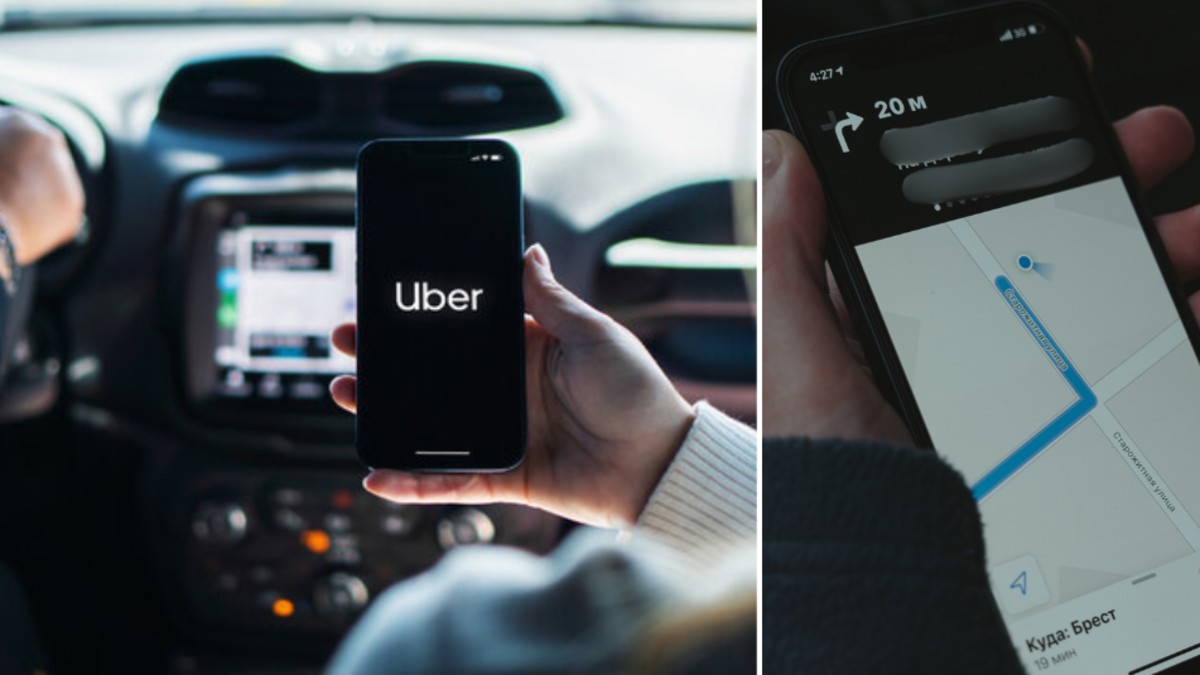
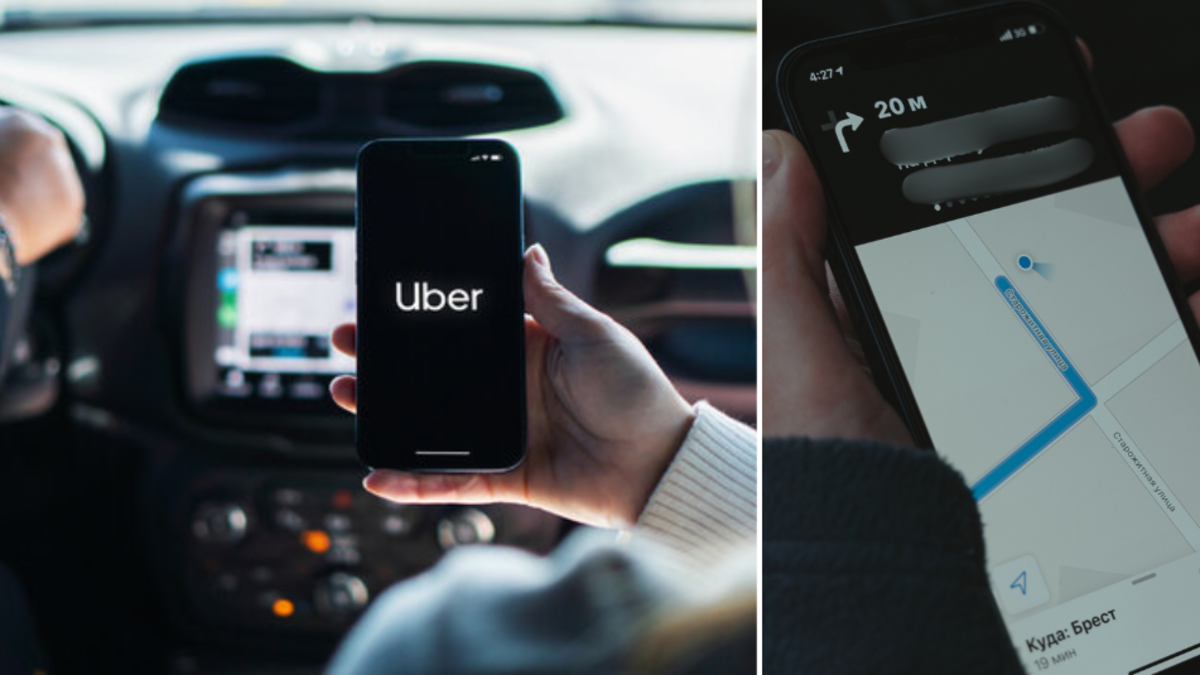
The catastrophic sequence of events began on August 12, 2023. Normandin-Parker and a friend had hailed an Uber to safely transport them home. However, midway through the journey, the friend experienced sudden nausea and vomited inside the vehicle. Rather than taking the next available exit or guiding the passengers to a secure location, the driver—identified as Vu Tran—abruptly pulled over to the shoulder of a fast-moving highway and forced both young women out of the car.
Left vulnerable, disoriented, and exposed to the immense dangers of high-speed traffic on the dark roadside, Normandin-Parker was struck by an oncoming vehicle just minutes later.

The $40 million award was finalized following a rigorous five-day arbitration process presided over by retired judge Richard Stone, according to statements released by the legal firm Panish, Shea, Ravipudi, which represented the victim’s family. The ruling forcefully strips away the traditional corporate shield utilized by ride-hailing networks—namely, that drivers operate solely as independent contractors and that corporations bear no direct legal responsibility for their on-road decisions.
Chronology of Events
To fully understand the gravity of the legal finding, arbitration documents and witness testimonies reconstruct the tragic timeline of August 12, 2023, detailing the moments before, during, and after the fatal incident:
- The Initial Ride Request: Late in the evening, Emily Normandin-Parker and her companion requested an Uber to take them back to their residence in California, anticipating a standard, secure transit facilitated by the platform’s technology.
- The Mid-Trip Incident: While moving along the expressway, the passenger accompanying Normandin-Parker fell ill and inadvertently vomited inside the vehicle.
- The Unsafe Evacuation: Confronted with the mess, driver Vu Tran decided to pull over on the shoulder of a high-speed multi-lane highway. Instead of exercising basic duty of care—such as driving a short distance further to an off-ramp, gas station, or residential street—Tran demanded that both young women immediately exit the vehicle onto the dangerous roadside berm.
- The Call for a Cleaning Fee: Testimony revealed a chilling lack of urgency or empathy from the driver following the expulsion. Rather than dialing 911, checking on the welfare of the stranded passengers, or requesting roadside assistance, Tran drove to a nearby exit solely to contact Uber support and aggressively demand a cleaning fee for damages to his vehicle’s upholstery.
- The Fatal Collision: Left completely unprotected in the dark and dangerous corridor of the fast lane, Normandin-Parker was struck by a passing motorist, sustaining fatal injuries.
- The Legal Battle Begins: Rejecting early corporate settlement offers, the victim’s parents pursued formal legal action, culminating in the five-day arbitration hearing before retired judge Richard Stone in late 2025 and 2026.
Supporting Data and Arbitrator’s Findings
The arbitration proceedings laid bare disturbing details concerning the driver’s actions and mindset during the emergency. Retired judge Richard Stone delivered scathing remarks regarding Tran’s conduct, noting that the driver exhibited "more concern for his new car than for abandoning the two passengers."
Legal counsel from Panish, Shea, Ravipudi emphasized that modern ridesharing platforms market themselves as safe, reliable, and technologically monitored alternatives to traditional transit. Yet, drivers are frequently left without adequate, mandatory protocols for handling unexpected roadside emergencies, prioritizing corporate metrics and vehicle cleanliness over human safety.
Furthermore, public records from the litigation revealed that Uber attempted to resolve the dispute out of court well before the final arbitration award. The company offered the Normandin-Parker family a $10 million settlement conditioned upon a strict confidentiality agreement designed to keep the dangerous incident hidden from the public eye. Recognizing the broader implications for public safety and accountability, the family adamantly rejected the hush-money offer, choosing instead to push the case to a binding decision that would expose corporate negligence.
Official Responses and Corporate Posture
The legal fallout has triggered sharp contrasting reactions between the victim’s legal representation and the ridesharing corporation.

Uber’s Defense and Public Statement
Throughout the legal battle, Uber’s primary defense relied heavily on the independent contractor classification. The multi-national technology firm argued that because drivers are independent agents rather than direct corporate employees, the platform cannot be held legally or financially liable for individual choices made by drivers while on the road.
Following the $40 million ruling, Uber issued an official statement—relayed through the plaintiff’s legal team—expressing profound disagreement with the arbitrator’s legal interpretation:

"We have continued to strengthen our approach to safety over the years, through new technology, policies, and safeguards informed by safety experts, including additional guidance to drivers on how to avoid leaving passengers in unsafe places."
Despite these assertions of ongoing safety upgrades, the arbitration ruling demonstrates that existing internal guidelines were insufficient to prevent a catastrophic failure of basic duty of care, and that the platform’s digital oversight failed to protect vulnerable users in real time.

The Family’s Resolve
For Normandin-Parker’s parents, the financial compensation—while substantial—represents a secondary victory compared to the moral necessity of exposure and accountability. By refusing the initial $10 million gag-order settlement, the family ensured that Uber’s handling of emergency situations, passenger abandonment, and contractor accountability were dragged out of confidential arbitration chambers and placed squarely under public scrutiny.
Implications for the Ridesharing Industry
This multi-million-dollar ruling carries profound, long-lasting implications for the gig economy, transportation networks, and millions of daily rideshare users worldwide:
- Challenging the Independent Contractor Defense: For years, companies like Uber and Lyft have relied on the independent contractor model as a legal firewall against lawsuits stemming from driver misconduct or negligence. The $40 million award signals a growing judicial willingness to pierce that corporate veil, particularly when platform algorithms, dispatch systems, and operational policies create environments where dangerous decisions occur.
- Redefining Passenger Duty of Care: The ruling establishes a powerful precedent regarding where and how passengers can be discharged. Ejecting riders onto high-speed highways, unlit rural roads, or hazardous industrial zones is now legally recognized as an extreme breach of duty, exposing platforms to catastrophic liability if they fail to enforce rigorous safety guardrails.
- Pressure on Algorithmic and In-App Safety Protocols: Ridesharing apps may now be legally compelled to implement real-time tracking of unexpected trip interruptions. If a vehicle stops on a high-speed roadway, automated safety triggers—such as emergency check-ins or automatic calls to emergency services—could become standard industry requirements to mitigate future liabilities.
- The End of Forced Secrecy in High-Profile Torts: By rejecting confidential settlements, families of victims are increasingly using the legal system to force systemic transparency. As more cases pierce corporate confidentiality walls, public awareness regarding the safety vulnerabilities of gig-economy transport will inevitably reshape regulatory oversight and consumer trust.